

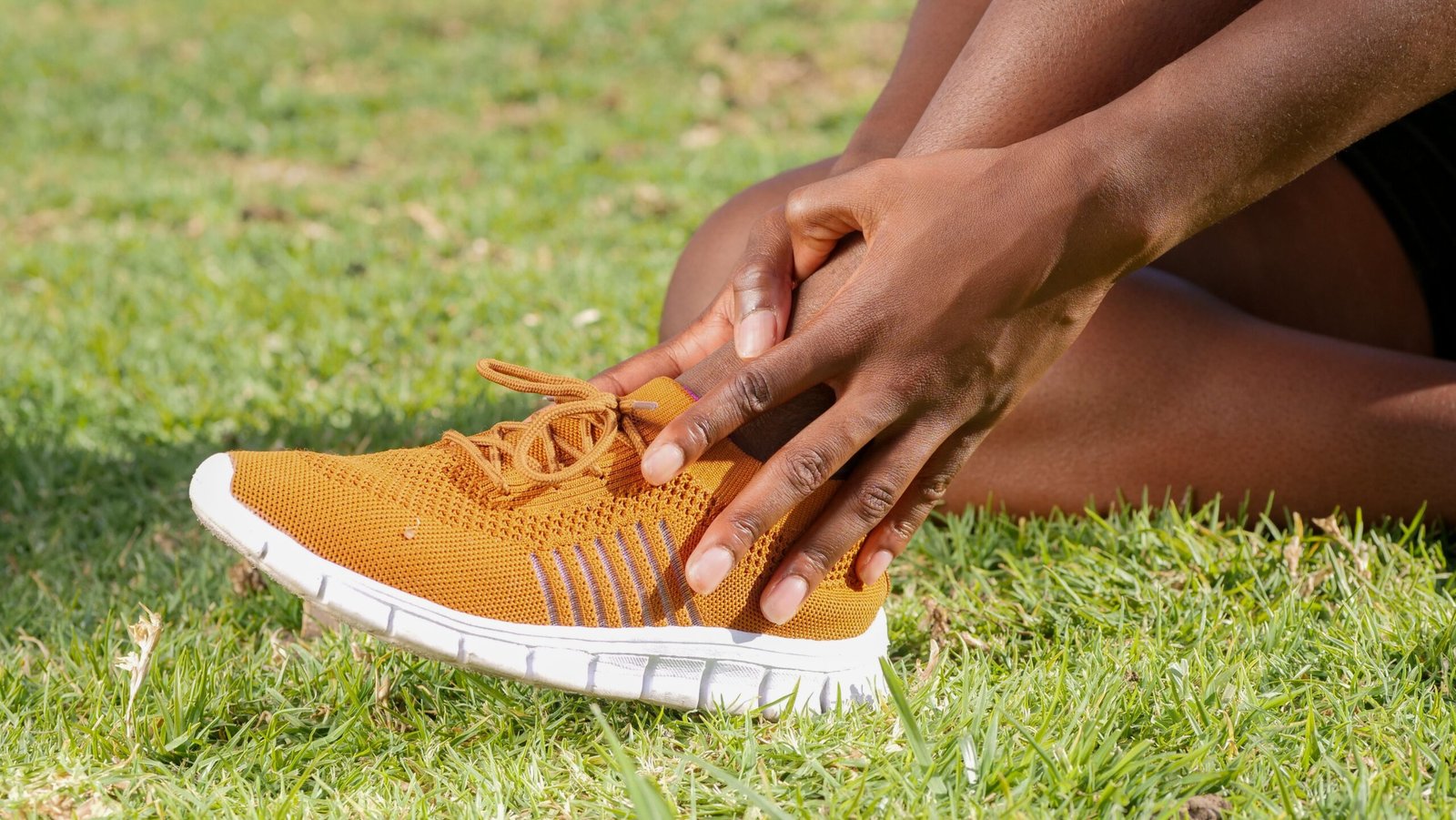
Foot pain has a way of turning ordinary activities into exhausting challenges. Something as simple as walking through a grocery store, standing at work, or taking an evening stroll can become uncomfortable when every step places pressure on sensitive areas of the feet. What makes this particularly frustrating is that many people focus on finding better shoes without considering the support system sitting directly underneath their feet.
Over time, I have come to appreciate just how important proper footwear support can be for everyday comfort. Good insoles are not simply soft inserts that make shoes feel more comfortable. They can help distribute pressure, support the natural structure of the foot, improve stability, and reduce some of the mechanical stresses associated with foot pain. The right design can make a meaningful difference, especially for people who spend much of their day walking or standing.
However, not every insole provides the same benefits. Some emphasize cushioning, others focus on arch support, and certain specialized designs attempt to address particular patterns of pressure or foot movement. Understanding these differences is essential because an insole that feels comfortable for one person may provide inadequate support or create additional discomfort for someone else.
This is my detailed guide to the importance of good insoles for foot pain, including the causes of common foot problems, how supportive insoles work, the features worth looking for, and how products such as Akusoli Insoles may fit into a practical foot-care routine. I will also examine the scientific evidence behind foot orthotics and explain how to make a more informed decision when choosing everyday footwear support.
Understanding Foot Pain and Why Proper Support Is So Important
The human foot is a remarkably complex structure. Each foot contains 26 bones, numerous joints, muscles, tendons, and ligaments that work together to support body weight, maintain balance, and absorb the forces created during movement. Although we rarely think about these structures during ordinary activities, they perform demanding mechanical work whenever we stand, walk, climb stairs, or exercise.
One of the most important features of the foot is its arch system. The arches help distribute weight and allow the foot to adapt to different surfaces. They also contribute to shock absorption and provide a combination of flexibility and stability during walking. When the foot is functioning comfortably, these structures work together to transfer forces efficiently from the heel toward the front of the foot.
Problems can develop when certain areas experience more pressure than they can comfortably tolerate. This might happen because of unsuitable footwear, repetitive activity, changes in training intensity, limited ankle flexibility, or individual differences in foot structure. For some people, discomfort appears after several hours of standing. Others experience sharp heel pain during their first steps in the morning or aching sensations around the ball of the foot.
Foot pain is not always caused by a lack of cushioning. In many situations, the distribution of pressure and the way the foot moves are just as important as the softness of the shoe. This explains why adding an extremely thick foam insert does not necessarily solve the problem.
Good insoles can address certain mechanical contributors to discomfort by changing the way the foot interacts with the inside of the shoe. An appropriately designed insert may support the arch, cushion sensitive regions, or redistribute pressure away from areas that are experiencing excessive loading.
I consider this distinction essential because it changes how we should approach foot comfort. Rather than searching for the softest possible material, it is more useful to understand what the feet actually need and whether a particular insole provides that kind of support.
Common Causes of Foot Pain That Insoles May Help Address
Foot pain can develop for several reasons, and identifying the likely source is an important first step before choosing an insole. While supportive inserts can be useful for many common mechanical problems, they are not appropriate treatments for every condition.
Plantar Fasciitis and Persistent Heel Pain
Plantar fasciitis, often described more broadly as plantar heel pain or plantar fasciopathy, is one of the most familiar causes of discomfort underneath the heel. The plantar fascia is a strong band of connective tissue extending from the heel toward the toes. It contributes to maintaining the arch and supporting the foot during movement.
People experiencing this condition frequently describe sharp discomfort when taking their first steps after getting out of bed. The pain may improve as they begin moving, only to return after prolonged standing or activity. Repetitive loading, limited ankle flexibility, and certain footwear choices can contribute to symptoms.
Supportive insoles may help people with plantar heel pain by providing arch support, cushioning the heel, and modifying how pressure is distributed beneath the foot. They are commonly included alongside stretching, activity modification, and appropriate footwear as part of conservative management.
However, persistent heel pain should not automatically be diagnosed as plantar fasciitis. Nerve irritation, stress injuries, and other conditions can produce similar symptoms, making professional assessment important when the cause is uncertain.
Flat Feet and Arch-Related Discomfort
Flat feet, sometimes called pes planus, occur when the arch is relatively low or appears to flatten during standing. Many people naturally have flat feet and experience no symptoms whatsoever. Problems are more likely to develop when the foot’s structure or movement pattern contributes to discomfort during daily activity.
In symptomatic cases, people may experience fatigue along the inner arch, aching around the ankles, or discomfort after prolonged walking. Some individuals also notice that their shoes wear unevenly or that certain footwear feels unstable.
An appropriately contoured insole can provide support beneath the arch and modify the forces acting on the foot. For someone with flexible flat feet, this additional support may make standing and walking more comfortable.
I would emphasize that flat feet do not automatically require correction. The goal of an insole should be to improve comfort and function when symptoms exist, rather than forcing every foot into an identical shape.
High Arches and Concentrated Pressure
High-arched feet present a different mechanical challenge. Because the arch is more pronounced, pressure may become concentrated around the heel and forefoot rather than being distributed more evenly across the sole.
People with high arches sometimes experience soreness beneath the ball of the foot, heel discomfort, or difficulty finding shoes that provide enough cushioning. The foot may also be less adaptable to uneven ground, depending on its flexibility and overall structure.
For these individuals, an insole with suitable contouring and shock-absorbing material may help spread pressure across a larger contact area. A rigid, aggressive arch support is not necessarily the best option, particularly if it creates uncomfortable pressure beneath the midfoot.
Metatarsalgia and Forefoot Discomfort
Metatarsalgia refers to pain around the ball of the foot, typically near the metatarsal heads. It may develop after prolonged standing, repetitive exercise, or wearing shoes that concentrate weight toward the front of the foot.
Narrow footwear, elevated heels, and insufficient forefoot cushioning can make symptoms more noticeable. Some people describe the sensation as walking on a small stone, while others experience a persistent burning or aching feeling.
Insoles with appropriately positioned metatarsal support or forefoot cushioning may help redistribute pressure. The exact placement matters because a poorly positioned pad can increase discomfort instead of relieving it.
Forefoot pain can also have other causes, including nerve problems and stress fractures, so ongoing or localized pain deserves proper evaluation.
Foot Fatigue From Standing All Day
Not every episode of foot discomfort indicates a specific medical condition. Sometimes the problem is cumulative fatigue caused by spending long hours standing or walking on hard surfaces.
Healthcare workers, retail employees, teachers, restaurant staff, and warehouse workers often spend substantial portions of their shifts on their feet. Even when their footwear appears comfortable at the beginning of the day, repeated loading can leave the heels and arches feeling sore by the evening.
For this type of everyday discomfort, supportive insoles may be particularly useful. Cushioning can improve the sensation of contact with hard surfaces, while a stable, well-fitting design may help distribute pressure more comfortably throughout the workday.
How Good Insoles Work to Reduce Foot Pain
Understanding the basic mechanics of an insole makes it much easier to distinguish genuinely useful design features from attractive marketing language. Although different products use different materials and constructions, most supportive insoles work through a combination of pressure redistribution, cushioning, contouring, and stabilization.
Distributing Pressure Across the Foot
Every step generates forces that travel through the foot. Where those forces become concentrated depends on several factors, including foot structure, footwear, walking pattern, body weight, and the surface being walked on.
A properly fitted insole changes the contact between the sole of the foot and the shoe. By supporting additional areas or using targeted cushioning, it may reduce peak pressure beneath particularly sensitive regions.
This does not mean that an insole eliminates pressure. Body weight still has to be supported somewhere. Instead, a well-designed insole aims to manage where and how pressure is applied, making it more tolerable for vulnerable or uncomfortable areas.
Supporting the Natural Foot Arch
Arch support is one of the most widely recognized purposes of an orthotic insole. Contoured materials can provide additional contact beneath the midfoot and influence how loads move through the foot during standing and walking.
The appropriate degree of support varies considerably between individuals. Someone with a flexible, low arch may appreciate a different contour than someone with a high, relatively rigid arch.
This is also why the most expensive or firmest insole is not necessarily the most effective. Comfort depends on whether the shape, material, and level of support match the person’s foot and activities.
Absorbing Impact and Improving Comfort
During walking, running, and other weight-bearing activities, the feet repeatedly encounter impact forces. Shoes and insoles cannot eliminate those forces, but cushioning materials can change how they are transmitted and how comfortable the contact feels.
Foam, gel, and other resilient materials are commonly used to provide a softer interface between the foot and the shoe. The ideal amount of cushioning depends on the activity and the wearer’s preferences.
Excessive softness can sometimes feel unstable, particularly when it allows the foot to sink unevenly. For this reason, I prefer to think of cushioning and support as complementary features rather than competing priorities.
Encouraging Greater Stability
Some insoles incorporate heel cups, structured arch sections, or firmer supporting layers. These features may improve the feeling of stability inside the shoe and influence certain aspects of foot motion.
A stable fit can be especially valuable when walking on uneven surfaces or performing activities that involve frequent changes of direction. However, an insole cannot compensate for shoes that are too loose, excessively worn, or structurally unsuitable.
The best results generally come from combining a compatible insole with footwear that already provides a secure fit.
The Most Important Benefits of Wearing Quality Insoles
One reason I consider good insoles a worthwhile part of foot care is that their potential benefits extend beyond simply making a shoe feel softer. When an insole is selected for the right reason and fits correctly, it may help address several practical problems associated with daily movement.
1. Greater Comfort During Long Periods of Standing
Extended standing can be surprisingly demanding because the feet must continually support body weight while making small adjustments to maintain balance. Hard flooring and shoes with inadequate cushioning can make this experience particularly uncomfortable.
Quality insoles may improve comfort by introducing a more supportive interface beneath the feet. A combination of cushioning and contouring can help reduce uncomfortable pressure sensations that become noticeable as the day progresses.
For someone whose feet regularly feel exhausted after work, this improvement may be particularly valuable. Greater comfort can make it easier to complete ordinary responsibilities without feeling distracted by soreness throughout the day.
Nevertheless, taking movement breaks, changing position, and wearing properly fitted shoes remain important. Insoles are most useful when they form part of a broader approach to managing prolonged standing.
2. Better Support for the Heels and Arches
The heel and arch are frequent locations of foot discomfort. Both regions play important roles in supporting body weight and managing forces during movement.
A well-contoured insole can provide contact beneath the arch while cushioning the heel. This combination may be helpful for individuals whose symptoms become worse when wearing flat, unsupportive footwear.
The amount of support should feel comfortable rather than intrusive. An arch that presses sharply into the foot or produces increasing soreness is not necessarily providing beneficial support simply because it feels firm.
I believe the most useful approach is to judge support by how the feet respond during normal activity, rather than assuming that a pronounced contour automatically delivers better results.
3. Reduced Discomfort During Walking
Walking requires a coordinated sequence of movements in which body weight transfers from one part of the foot to another. When pressure repeatedly accumulates around a painful area, even moderate distances can become unpleasant.
Supportive insoles may help make this transition feel smoother by redistributing load and providing cushioning where it is needed. People experiencing mild mechanical discomfort may find that the right insert makes everyday walking more manageable.
The improvement does not necessarily come from changing the entire walking pattern. Often, a more comfortable contact surface inside the shoe is itself a meaningful benefit.
That said, increasing walking distance too quickly can aggravate existing injuries. Anyone returning to activity after significant foot pain should increase their workload gradually and follow appropriate medical advice.
4. Improved Footwear Comfort Without Immediately Replacing Shoes
Many people own shoes that fit reasonably well but have thin, worn, or poorly supportive factory insoles. Replacing the original insert with an appropriate alternative can sometimes improve comfort without requiring an entirely new pair of shoes.
This can be especially convenient for work footwear, walking shoes, and everyday sneakers. Different insole designs allow users to choose between additional cushioning, arch support, and more specialized pressure management.
However, the shoe must have enough internal space to accommodate the replacement. Adding a thick insert to a tight shoe can crowd the toes, increase friction, and create new pressure points.
An insole should improve the fit and feel of a shoe, not make it tighter or harder to wear. If the underlying footwear is damaged or unsuitable, replacing the shoes may be the more effective option.
5. Support for an Active Lifestyle
Regular movement contributes to general health, but persistent foot discomfort can discourage people from walking, exercising, or participating in activities they enjoy.
Appropriate insoles may support an active lifestyle by improving comfort and helping manage certain mechanical stresses during weight-bearing exercise. This can be useful for recreational walkers, people returning to exercise, and individuals who spend considerable time moving throughout the day.
For runners and athletes, insole selection should take into account the activity, shoe design, previous injuries, and personal comfort. A product that works well for standing in an office may not be appropriate for running long distances.
My view is that footwear support should make healthy movement more accessible, but it should never be used to ignore persistent pain or continue exercising through a suspected injury.
Comparing Different Types of Insoles for Foot Pain
The variety of available insoles can make shopping unnecessarily confusing. Products often use similar descriptions even though their designs and intended functions differ substantially.
The following comparison highlights the practical distinctions I would consider before selecting a particular style.
| Insole Type | Main Characteristics | Potential Benefits | Most Suitable For |
|---|---|---|---|
| Cushioned Foam Insoles | Soft or moderately dense foam materials designed to add comfort | May reduce uncomfortable pressure sensations and improve the feel of firm footwear | Everyday walking, mild foot fatigue, and general comfort |
| Gel Insoles | Flexible gel sections, sometimes concentrated beneath the heel or forefoot | May provide localized cushioning in areas that experience repetitive loading | People seeking additional impact comfort in specific regions |
| Arch-Support Insoles | Contoured midfoot support, often combined with a structured heel section | May redistribute plantar pressure and improve comfort associated with certain arch-related symptoms | Symptomatic flat feet, some cases of heel pain, and arch discomfort |
| Orthotic-Style Insoles | More structured construction with cushioning and support features | May influence foot loading and provide targeted mechanical assistance | Individuals needing more substantial support than basic cushioning provides |
| Custom Foot Orthoses | Individually prescribed and fabricated for particular foot characteristics or clinical needs | Allow targeted modifications for complex symptoms or specific pressure-management requirements | Selected persistent or complicated conditions assessed by a clinician |
| Magnetic Acupressure Insoles | Cushioning combined with textured contact zones and embedded magnets | May provide ordinary insole comfort; additional magnetic pain-relief benefits remain unproven | People interested in textured comfort features who can tolerate the design |
The distinction I find most important is between general comfort products and clinically directed orthoses. An ordinary cushioned insert may be sufficient for someone experiencing mild fatigue after standing, while a person with persistent localized pain might benefit from an assessment and a more targeted design.
Custom-made orthoses are sometimes necessary, but research does not establish that they are universally superior to well-selected prefabricated insoles for every type of foot pain. The most appropriate option depends on the diagnosis, the person’s needs, and their response to treatment.
How Products Like Akusoli Insoles Can Help With Everyday Foot Comfort
One product that deserves discussion in the context of everyday footwear support is Akusoli Insoles. These inserts are marketed as a combination of conventional cushioning, contoured support, textured acupressure zones, and embedded magnetic elements.
I find this type of product interesting because it brings together familiar insole features with additional wellness-oriented design elements. For people researching options to make everyday shoes more comfortable, it is useful to examine the potential role of each feature separately rather than assuming that all of the advertised effects have equal scientific support.
Cushioned Support for Daily Activities
One of the more practical features of Akusoli Insoles is their emphasis on cushioning. The product is designed to create an additional layer between the foot and the interior of the shoe, potentially improving comfort during routine activities.
For someone wearing shoes with relatively thin factory inserts, a cushioned replacement may provide a more pleasant surface beneath the feet. This can be relevant during activities involving repeated contact with hard flooring, such as walking through shopping centers, completing household chores, or spending long periods at work.
I would focus on how the cushioning feels after several hours rather than judging it solely during the first few minutes. A suitable insole should remain comfortable throughout the intended activity without creating instability, crowding, or uncomfortable pressure.
Contoured Support and Pressure Distribution
Akusoli Insoles are also promoted as providing multi-zone support. In practical terms, contouring may help increase contact beneath certain parts of the foot and change the way pressure is distributed inside the shoe.
This is consistent with the general mechanical purpose of supportive insoles. When an insert provides comfortable contact beneath the arch or heel, it may help reduce localized discomfort associated with inadequate footwear support.
However, the appropriate contour depends on the individual’s foot structure. A person with sensitive arches or a rigid high-arched foot may respond differently from someone with flexible flat feet.
My advice would be to evaluate the design primarily according to its fit, cushioning, and comfort rather than assuming that a single shape can provide optimal support for everyone.
Textured Acupressure Zones
A distinctive aspect of Akusoli Insoles is the inclusion of textured areas intended to stimulate points beneath the feet.
Some people may enjoy the sensation of gentle textured contact during walking. The pressure created by these raised sections can provide a massage-like feeling, which may contribute to perceived comfort for certain users.
However, textured stimulation should not be confused with established medical treatment. There is insufficient high-quality evidence that the acupressure features of this specific product treat plantar fasciitis, correct foot deformities, or improve whole-body health.
The sensation should also remain comfortable. Anyone with highly sensitive feet, irritated skin, or reduced protective sensation should be cautious about raised pressure points, as discomfort or tissue irritation may develop.
Magnetic Elements and Their Limitations
Akusoli’s magnetic elements are one of the features used to distinguish the product from ordinary insoles. Static magnets have been marketed for various wellness purposes, including pain management and circulation support.
Nevertheless, the scientific evidence behind static magnetic therapy remains limited. The National Center for Complementary and Integrative Health reports that there is no conclusive evidence establishing static magnets as effective for pain relief.
I therefore would not treat Akusoli’s magnetic components as a clinically established reason to expect pain reduction. The more credible potential advantages are those shared with conventional insoles, including cushioning, comfortable contact, and appropriate pressure distribution.
This distinction helps consumers appreciate the product’s practical features without developing unrealistic expectations about the magnetic technology.
Trim-to-Fit Convenience
Another useful characteristic is the product’s trim-to-fit design. Akusoli Insoles are marketed as adjustable to different shoe sizes, allowing users to trim the edges for a more appropriate fit.
This flexibility can be convenient for people who want to use replacement insoles in everyday footwear. However, trimming must be done carefully because removing too much material can leave gaps, allow the insole to move, or alter its intended position beneath the foot.
I would recommend comparing the new insole with the shoe’s original removable insert, trimming conservatively, and checking the fit before wearing it for extended periods.
The final result should lie flat inside the shoe without bunching, sliding, or forcing the foot upward against the shoe’s upper material.
Who Might Appreciate Akusoli Insoles?
Akusoli Insoles may appeal to people whose main priority is improving the comfort of everyday footwear. Someone dealing with general foot fatigue, moderate standing demands, or discomfort from thin factory inserts may appreciate trying a cushioned alternative.
The product may also interest people who enjoy textured foot-contact sensations and prefer an insole with several comfort-oriented design features.
However, I would not describe Akusoli Insoles as a proven treatment for specific medical conditions. There is a meaningful difference between an insert designed for everyday comfort and a clinically validated intervention for persistent heel pain, neuropathy, or other disorders.
I have not identified independent clinical trials demonstrating that Akusoli Insoles themselves produce superior pain-relief outcomes compared with conventional supportive inserts.
For that reason, anyone considering them should assess comfort, shoe compatibility, material quality, and the manufacturer’s current product information. People with significant foot conditions should seek professional guidance rather than relying on a commercial insole as their primary treatment.
Overall, I see Akusoli as an example of how modern insole products attempt to combine traditional cushioning and support with additional sensory features. Its potential usefulness should be judged primarily on whether the physical design suits the individual wearer.
How to Choose the Best Insoles for Your Particular Foot Pain
Selecting an insole becomes easier when the decision starts with the location and characteristics of the discomfort rather than the product’s advertising.
I recommend considering a small number of practical factors before purchasing any replacement insert.
- Identify the main area of discomfort. Heel pain, arch soreness, and forefoot pressure may require different design features. An insole that cushions the heel may not provide the targeted metatarsal support needed for discomfort beneath the ball of the foot.
- Match the support to your foot structure. Low arches, high arches, and neutral foot shapes can respond differently to the same contour. A comfortable fit is more important than selecting the most aggressive arch support available.
- Consider your daily activities. Someone standing on hard floors for long shifts may prioritize cushioning and stable support, while a runner may need a design suited to athletic footwear and repetitive movement.
- Check shoe compatibility. The insole must fit inside the shoe without creating excessive tightness. Removable factory inserts, adequate toe space, and secure heel positioning can make replacement insoles easier to use.
- Pay attention to material and durability. Cushioning should remain supportive during normal wear, while the insole should resist unwanted folding, bunching, or sliding. Breathability and ease of cleaning can also influence everyday comfort.
- Choose according to symptoms, not promises. Claims about instant pain elimination, guaranteed posture correction, or dramatic circulation improvements should be approached cautiously unless supported by appropriate clinical research.
I also believe it is important to distinguish between minor everyday discomfort and recurring pain that interferes with normal activity. If symptoms are persistent, severe, or becoming worse, professional assessment can prevent unnecessary spending on unsuitable products.
How to Wear Insoles Correctly for Maximum Comfort
Even a well-designed insole can cause problems when it is used incorrectly. Fit, positioning, and the gradual introduction of new support all influence the experience.
Begin With a Proper Fit
The first step is checking whether the replacement insole fits the shoe. When the manufacturer’s instructions permit it, removing the original insert often creates the necessary space and prevents the shoe from becoming excessively tight.
A replacement should sit flat from heel to toe. Its rear section should align with the heel area, and its front edge should not fold upward or interfere with toe movement.
After inserting it, I would test the shoes while standing and walking indoors. There should be no obvious slipping, painful arch pressure, toe crowding, or irritation around the heel.
Introduce New Support Gradually
Some people immediately feel comfortable in a new pair of insoles. Others need time to adjust, particularly when moving from flat factory inserts to more structured arch support.
A gradual introduction allows the wearer to assess whether the new shape is comfortable during ordinary activities. Beginning with shorter periods and increasing wear as tolerated can be a sensible approach.
However, discomfort should not be dismissed as something that must always be endured during an adjustment period. Sharp pain, numbness, skin irritation, or steadily increasing soreness indicates that the insole may be unsuitable.
Wear Them With Appropriate Footwear
Insoles perform best when the surrounding shoes provide adequate room and stability. A replacement insert cannot fully overcome the limitations of footwear that is excessively narrow, unstable, or badly worn.
Shoes should fit securely around the heel, provide enough space for the toes, and offer a suitable sole for the intended activity. Depending on the person, adjustable laces or straps may also help maintain a more consistent fit.
I would rather use a comfortable, moderately supportive insole inside a properly fitted shoe than an expensive insert squeezed into footwear that creates pressure around the toes.
Maintain and Replace Insoles When Necessary
Like shoes, insoles experience wear. Foam materials may gradually compress, supportive structures can lose their original shape, and fabric coverings can become damaged through repeated use.
Regular inspection helps identify when an insert is no longer performing as intended. Visible deformation, cracking, flattening, or movement inside the shoe can indicate that replacement is appropriate.
Cleaning should follow the manufacturer’s instructions because excessive heat, harsh chemicals, or machine washing may damage certain materials.
What Scientific Research Says About Insoles and Foot Pain
Scientific research provides useful support for certain applications of foot orthoses, particularly in people experiencing plantar heel pain. However, the evidence is more nuanced than the broad claims often found in commercial footwear advertising.
Systematic reviews and meta-analyses have evaluated whether foot orthoses improve pain and function among people with plantar fasciitis. Research has reported that some orthotic interventions can reduce pain, although results vary according to the type of insert, comparison treatment, study methods, and follow-up period.
A systematic review examining several treatments for plantar fasciitis reported evidence supporting short-term pain reduction with customized foot orthoses. Other research has evaluated prefabricated options and found that their benefits may be clinically relevant for certain users.
These findings support the idea that insoles can be a useful part of conservative foot-pain management, particularly when their design matches the condition being treated.
Nevertheless, the evidence does not suggest that all insoles work equally well or that a universally superior design exists. Individual preferences, symptom severity, shoe compatibility, and other treatments can influence the outcome.
Clinical guidance from organizations such as the NHS also commonly recommends supportive footwear, arch support, heel cushioning, and stretching for plantar heel pain. These recommendations place insoles within a broader treatment strategy rather than presenting them as a stand-alone cure.
There is also an important distinction between research involving conventional orthoses and claims associated with magnetic or acupressure-based products. Evidence supporting ordinary mechanical foot support cannot automatically be used to validate separate claims about magnetic therapy or reflexology.
For me, the most useful conclusion is that an insole should be evaluated according to the specific function it is intended to perform. Supporting the arch, cushioning the heel, and modifying pressure are plausible mechanical functions that can be studied directly. Claims about treating unrelated medical conditions require separate, high-quality clinical evidence.
The Connection Between Foot Support, Posture, and Walking Mechanics
The feet form the foundation of the body’s weight-bearing system. During standing and walking, their movements interact with the ankles, knees, hips, and other structures involved in maintaining balance.
This relationship explains why some people notice changes in the way they stand or walk when switching footwear or using different insoles. Modifying contact beneath the foot can influence certain movement patterns and the distribution of mechanical forces.
However, I think it is important not to exaggerate this relationship. Better foot support does not automatically correct posture, eliminate knee pain, or resolve back problems. The causes of discomfort in these areas are often complex and may involve strength, mobility, previous injuries, occupational demands, and other factors.
For someone whose footwear produces instability or uncomfortable foot positioning, selecting more appropriate support may improve walking comfort. In certain circumstances, this could also influence how other joints are loaded.
The effects are highly individual, though, and should not be assumed without assessment.
Rather than thinking of insoles as devices that straighten the entire body, I find it more accurate to view them as tools that modify the interaction between the foot and the ground. Their contribution to comfort can be meaningful without requiring dramatic promises about full-body alignment.
Everyday Habits That Make Insoles More Effective
While supportive insoles can provide valuable assistance, they are unlikely to deliver their full potential when other aspects of foot care are ignored.
I would begin with footwear because the shoe and insole function together. Shoes that are worn out, overly narrow, or unsuitable for a particular activity may continue creating discomfort even after their original inserts have been replaced.
Activity management is equally important. People who develop heel pain after suddenly increasing their walking distance may need to adjust their workload. Continuing the same aggravating activity without allowing symptoms to settle can prolong discomfort.
Stretching and strengthening also deserve attention. In appropriate cases, exercises targeting the calf muscles, plantar fascia, and foot muscles may improve function and complement supportive footwear. The exact program should reflect the person’s symptoms and clinical needs.
For people who spend entire shifts standing, regular movement breaks and changes in position may reduce prolonged loading. Alternating between sitting, standing, and walking when possible can sometimes make workdays more manageable.
Maintaining healthy skin is another practical consideration. Insoles that create friction, trap moisture, or place excessive pressure against the foot may contribute to irritation. Socks that fit properly and footwear that allows adequate ventilation can help support everyday foot hygiene.
Perhaps most importantly, I would encourage people to monitor how their symptoms change rather than relying entirely on the immediate sensation of softness. A good insole should improve comfort during real activities and should not introduce new pain.
Common Mistakes People Make When Buying Insoles
One of the most common mistakes is choosing insoles based entirely on how soft they feel when pressed by hand. Although cushioning matters, softness does not guarantee appropriate pressure distribution or support.
Another mistake is assuming that stronger arch support is always better. An overly prominent arch contour may create localized discomfort, especially when it does not match the individual’s foot structure.
Some people also expect inexpensive, general-purpose insoles to solve complex medical conditions. While prefabricated inserts can be useful, persistent symptoms may require a diagnosis, physical therapy, different footwear, or specialized orthotic modifications.
I have also noticed how easily product descriptions can encourage unrealistic expectations. Terms such as therapeutic, corrective, or medically inspired do not necessarily demonstrate that a particular product has been independently tested for treating foot pain.
A more reliable purchasing approach is to consider whether the insert provides the support needed, fits the intended shoes, and feels comfortable during normal movement.
Finally, continuing to wear an insole despite increasing pain is a mistake worth avoiding. An insert should not produce blisters, numbness, or worsening symptoms. These warning signs suggest that its fit or design may be inappropriate.
Who Can Benefit Most From Supportive Insoles?
Supportive insoles can be useful across a wide range of lifestyles, although the most appropriate design depends on individual circumstances.
People who work in occupations requiring prolonged standing may appreciate cushioning and stable support. Retail employees, nurses, teachers, hospitality workers, and others who spend long shifts on hard surfaces often experience ordinary foot fatigue that may respond to improvements in footwear comfort.
Recreational walkers may also benefit, particularly if their current shoes provide limited cushioning or inadequate support for the distances they regularly cover. The goal should be to maintain comfortable movement without introducing unnecessary pressure.
Individuals with certain types of mechanical heel or arch pain may benefit from more structured inserts as part of an appropriate treatment plan. For example, arch-supporting orthoses are commonly recommended in conservative management of plantar heel pain.
Older adults sometimes appreciate better-fitting footwear and additional cushioning, particularly when foot shape, skin condition, or activity tolerance changes with age. However, balance concerns and medical conditions require individual consideration.
I would be more cautious for anyone with diabetes-related neuropathy, reduced sensation, circulation problems, significant deformities, or a history of foot ulcers. These individuals may be unable to detect harmful pressure from an unsuitable insert and should obtain professional advice about appropriate protective footwear.
Ultimately, the people most likely to appreciate good insoles are those whose discomfort is at least partly related to footwear, pressure distribution, or mechanical loading.
When Insoles Are Not Enough and Medical Advice Is Necessary
Although many cases of mild foot discomfort improve with appropriate footwear and conservative care, some symptoms should never be managed solely by purchasing new insoles.
Persistent pain that interferes with walking or normal activities deserves assessment, particularly when it has not improved with reasonable self-care. Sudden severe pain after an injury, an inability to bear weight, or a visibly deformed foot may require urgent medical attention.
Redness, warmth, significant swelling, fever, or an open wound can indicate problems that need timely evaluation. Numbness, progressive weakness, or burning sensations may point toward nerve-related conditions rather than a simple need for cushioning.
People with diabetes should be particularly attentive to foot injuries, ulcers, and skin changes. Reduced sensation may allow pressure damage to develop without the usual warning discomfort.
Insoles should never be used to conceal worsening symptoms or delay treatment for a potentially serious condition. Their role is supportive, and their usefulness depends on identifying the underlying problem correctly.
A podiatrist, physiotherapist, or other qualified healthcare professional can assess foot structure, footwear, gait, and the location of pain. This evaluation may help determine whether a prefabricated insole, customized orthosis, exercise program, or different treatment is most appropriate.
Frequently Asked Questions About Insoles for Foot Pain
Can good insoles actually reduce foot pain?
Yes, appropriately selected insoles may help reduce certain types of foot pain, particularly when discomfort is related to pressure distribution, inadequate cushioning, or specific mechanical conditions. Research involving foot orthoses has reported benefits for some people with plantar heel pain, although the magnitude and consistency of improvement vary.
The important point is matching the insole to the problem. A comfortable cushioned insert may help with ordinary foot fatigue, while persistent plantar heel pain may require additional arch support, stretching, and other treatments.
Are expensive insoles always better than affordable ones?
No. The quality of an insole cannot be determined by its price alone. Material durability, appropriate contouring, shoe compatibility, and the wearer’s response are more useful considerations.
Some people achieve satisfactory comfort with well-designed prefabricated insoles. Others have more complex needs that justify professionally prescribed orthoses. Paying more does not guarantee greater pain relief.
How long does it take to get used to new insoles?
The adjustment period varies depending on the insole’s design and the person’s previous footwear habits. Soft replacement inserts may feel comfortable almost immediately, while more structured arch-support models can require gradual introduction.
A reasonable approach is to begin with shorter periods of wear and increase use as tolerated. Sharp discomfort, irritation, numbness, or worsening pain should prompt removal and reassessment rather than continued use.
Can insoles help with plantar fasciitis?
Supportive insoles are commonly used as one component of conservative treatment for plantar fasciitis or plantar heel pain. Depending on their design, they may provide cushioning, support the arch, and alter the distribution of forces beneath the heel.
They are generally most useful alongside other appropriate measures, such as stretching, activity modification, and supportive footwear. Persistent symptoms should be evaluated to confirm the diagnosis and identify suitable treatment.
Should I wear insoles in every pair of shoes?
Not necessarily. The need for additional support depends on the shoe, the activity, and the person’s comfort requirements. Some shoes already have suitable cushioning and support, while others may benefit from replacement inserts.
I would prioritize the shoes worn most frequently during activities associated with discomfort. The insert should fit securely without crowding the foot, and there is no advantage to adding one when it makes otherwise comfortable footwear worse.
Are magnetic insoles more effective than regular insoles?
There is no convincing clinical evidence establishing that static magnets provide additional pain relief beyond the mechanical features of an insole. Magnetic products may still contain cushioning or supportive elements that contribute to comfort.
When comparing magnetic and conventional insoles, I would therefore concentrate on the quality of their cushioning, fit, contour, and overall construction rather than assuming that magnets provide an established therapeutic advantage.
Can insoles prevent foot pain from returning?
Insoles may help manage certain mechanical contributors to recurring discomfort, but they cannot guarantee that symptoms will never return. Foot pain can be influenced by activity levels, injuries, medical conditions, footwear choices, and individual biomechanics.
Long-term comfort often depends on combining appropriate support with sensible activity management, suitable shoes, and exercises or treatment when necessary.
Final Thoughts: Why Investing in Good Insoles Matters for Foot Health
After examining the causes of common foot pain, the mechanics of supportive footwear, and the available research, I believe the importance of good insoles is often underestimated. These relatively small additions to everyday shoes can play a useful role in improving comfort, distributing pressure, and supporting the feet during demanding activities.
What stands out to me most is that effective foot support does not have to be complicated. A properly fitted insole that provides the right combination of cushioning, contouring, and stability may be more valuable than a product with numerous features that do not address the wearer’s actual needs.
For people who spend long hours standing, regularly walk on hard surfaces, or experience certain types of mechanical heel and arch discomfort, supportive insoles may be a sensible part of an overall foot-care strategy. Their benefits are most likely to be meaningful when combined with comfortable footwear and appropriate management of activity-related stress.
Products such as Akusoli Insoles illustrate the growing range of comfort-oriented inserts available to consumers. Their cushioning and contoured design may appeal to people looking for a more supportive everyday shoe insert, while the advertised magnetic and acupressure features should be considered separately from clinically established methods of pain management.
My final advice is to choose insoles based on your foot structure, the location of your discomfort, the shoes you wear, and how the inserts feel during actual use. If persistent foot pain is affecting your quality of life, a healthcare professional can help identify its cause and determine whether an orthotic device is appropriate.
Comfortable feet make it easier to stay active, complete daily responsibilities, and enjoy ordinary movement. Good insoles are not a universal cure, but when chosen carefully, they can become a worthwhile investment in everyday mobility, comfort, and long-term foot care.
Disclaimer
This article is provided for general educational and informational purposes only and should not be considered medical advice, diagnosis, or treatment. The information presented is based on available clinical research, established foot-care guidance, and general principles of footwear support.
Individual responses to insoles vary according to foot structure, underlying medical conditions, activity levels, shoe compatibility, and other factors. Insoles, including Akusoli Insoles, are not intended to replace professional medical assessment or treatment for persistent foot pain, plantar fasciitis, neuropathy, circulation disorders, or other health conditions.
Consult a qualified healthcare professional before using new orthotic products if you have diabetes, reduced foot sensation, previous foot ulcers, significant deformities, or ongoing foot pain. Seek prompt medical attention for severe pain, inability to bear weight, signs of infection, or unexplained swelling.
Any product features discussed are not guarantees of effectiveness. The author has not personally tested Akusoli Insoles, and no individual treatment outcome is implied. This article is informational and is not a substitute for individualized advice from a licensed healthcare professional.
References
The following authoritative sources provide scientific evidence and clinical guidance relevant to foot pain, orthopedic insoles, supportive footwear, and the limitations of magnetic therapies. They are included to help readers evaluate the information discussed throughout this article.
1. National Health Service (NHS) — Plantar Fasciitis
The NHS provides accessible, evidence-based clinical guidance about plantar fasciitis, including common symptoms, potential causes, and practical management strategies. Its recommendations include supportive footwear, insoles or heel pads, stretching, and activity modifications. This resource is particularly relevant to the sections discussing heel pain, arch support, and conservative foot-care practices.
Source: NHS — Plantar Fasciitis
2. PubMed — Efficacy and Safety of Foot Orthoses for Improving Pain and Function in Patients With Plantar Fasciitis: A Systematic Review and Meta-Analysis of Randomized Controlled Trials
This peer-reviewed systematic review and meta-analysis examines clinical trials investigating the effects of foot orthoses on pain and function among patients with plantar fasciitis. It provides evidence relevant to the potential therapeutic value of orthopedic insoles while demonstrating the importance of evaluating measurable clinical outcomes instead of relying exclusively on marketing claims.
Source: PubMed — Foot Orthoses and Plantar Fasciitis
3. PubMed — Efficacy of Pharmacological and Non-Pharmacological Therapies on Pain Intensity and Disability for Plantar Fasciitis: A Systematic Review and Meta-Analysis
This research evaluates multiple approaches used to manage plantar fasciitis, including non-drug interventions such as foot orthoses and taping. Its findings offer useful context for understanding where supportive insoles fit within broader treatment strategies and why they are often considered alongside other conservative measures.
Source: PubMed — Treatments for Plantar Fasciitis
4. National Center for Complementary and Integrative Health (NCCIH) — Magnets for Pain: What You Need to Know
Published by a research center within the US National Institutes of Health, this resource examines scientific evidence concerning magnetic products marketed for pain relief. It explains the distinction between static magnets and electromagnetic therapies and discusses the limitations of available research. This is especially relevant when evaluating the magnetic features advertised by some commercial insoles, including Akusoli.
Source: NCCIH — Magnets for Pain
5. American Diabetes Association — Foot Complications
The American Diabetes Association provides clinical education about foot complications associated with diabetes, including neuropathy, ulcers, and the importance of proper foot care. Its guidance highlights why individuals with reduced sensation or circulation-related problems require special consideration when selecting footwear and pressure-relieving inserts.
Source: American Diabetes Association — Foot Complications