

Digestive problems are rarely limited to an occasional uncomfortable meal. For many people, the bigger frustration is the way sluggish digestion, unpredictable bowel habits, bloating, appetite swings, and difficulty maintaining a healthy weight can begin to feel connected. When the gut does not seem to be functioning consistently, it can affect how comfortable someone feels after eating, how satisfied they feel between meals, and how easily they can maintain the routines that normally support metabolic health.
That connection is one reason the intestinal microbiome has attracted so much attention. The digestive tract contains an enormous community of microorganisms, and researchers continue to investigate how these organisms interact with dietary fiber, intestinal barrier function, fermentation, appetite signaling, and metabolic processes. What interested me about SodaTide is that it does not approach the issue as a conventional stimulant, laxative, or aggressive fat-burning formula. Instead, it is positioned as a synbiotic supplement designed to support the environment inside the gastrointestinal tract.
Rather than giving the user probiotics alone, SodaTide combines probiotic microorganisms with two fermentable prebiotic ingredients: chicory root inulin and potato resistant starch. In theory, that makes sense because probiotic organisms do not exist in isolation. The surrounding nutritional environment and the fermentable substrates available in the colon can influence microbial activity. SodaTide therefore attempts to address both sides of the equation by supplying selected microorganisms while also providing material that gut bacteria can use.
At the same time, I think expectations need to remain realistic. A capsule cannot compensate for an extremely poor diet, chronic sleep deprivation, inactivity, or an untreated gastrointestinal condition. The amounts of inulin and resistant starch in SodaTide are also considerably smaller than the gram-level amounts frequently used in human dietary-fiber studies, an important detail that I will return to later in this SodaTide review.
This is my detailed review of what I discovered about SodaTide — including its formula, reported customer experiences, possible benefits, complaints, ingredients, safety considerations, how it is supposed to work, and whether SodaTide appears to be a scam or a legitimate gut-support supplement worth considering.
What Exactly Is SodaTide?
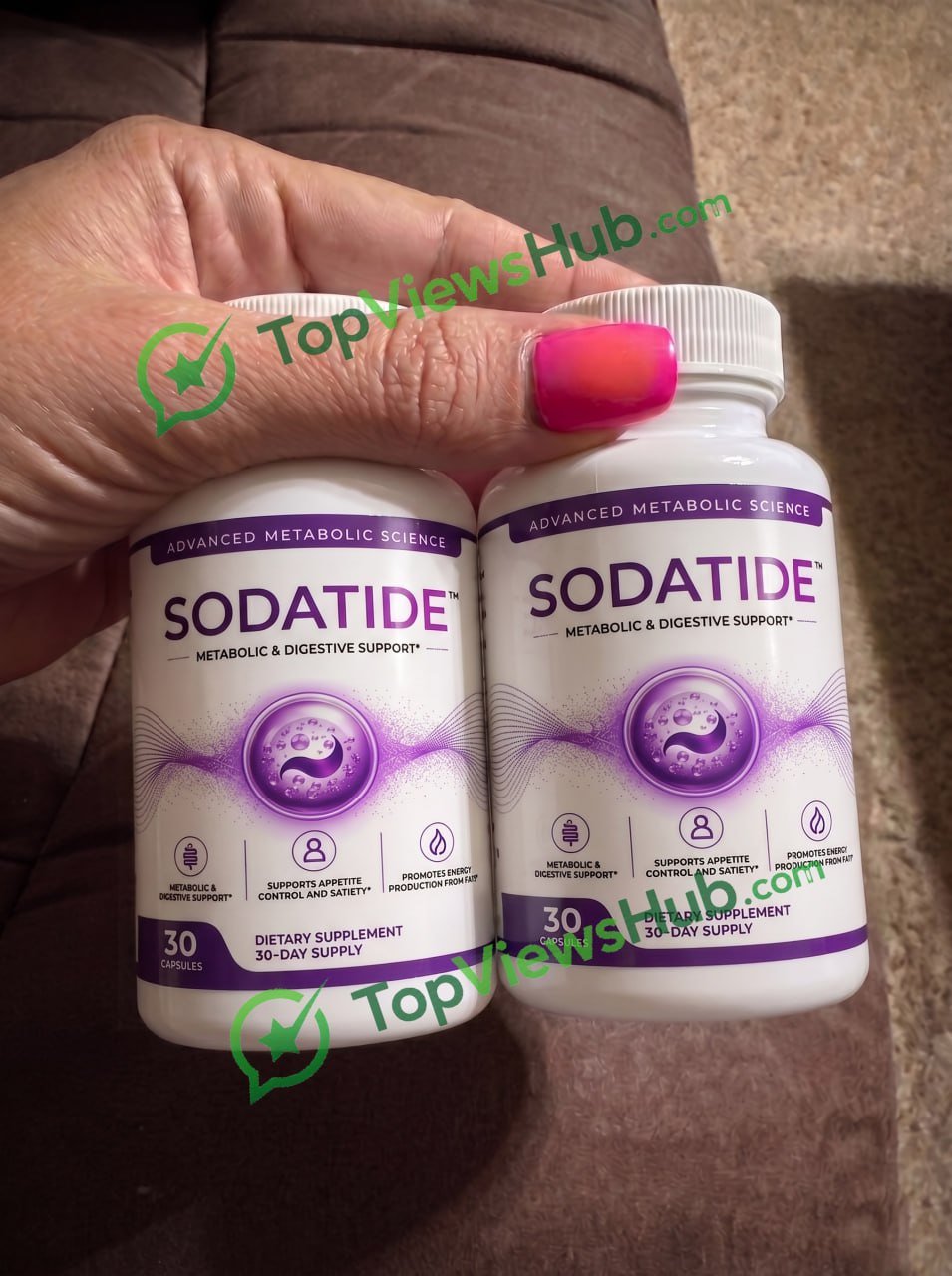
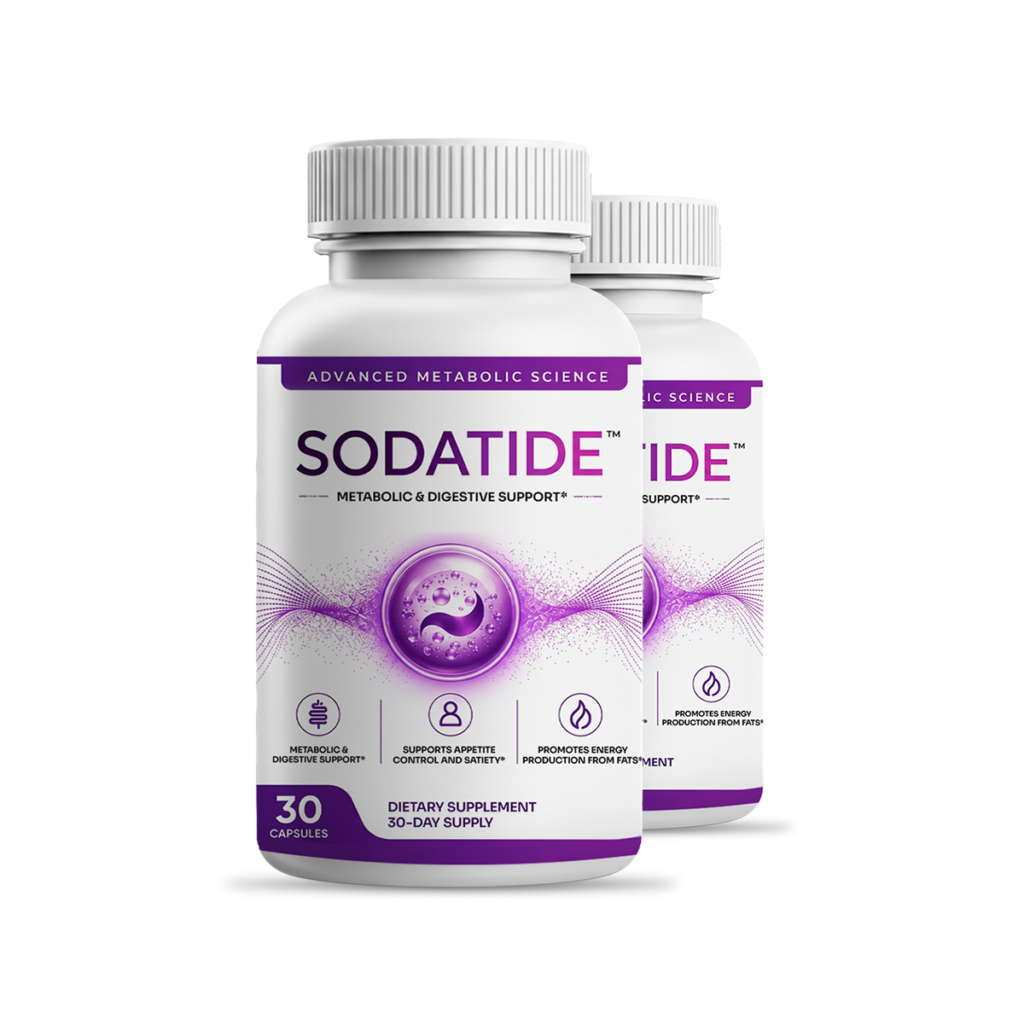
SodaTide is a once-daily dietary supplement supplied in vegetarian capsules and formulated around what is generally called a synbiotic strategy. A synbiotic combines probiotics with prebiotic compounds intended to support the microorganisms living in the intestinal environment. According to the available product information, SodaTide contains chicory root inulin, resistant starch derived from potato, and a 36 mg probiotic blend containing Bifidobacterium infantis, Clostridium butyricum, and Akkermansia muciniphila.
The supplement is marketed primarily for people interested in digestive health, microbiome balance, appetite and satiety support, and general metabolic wellness. I consider that distinction important. SodaTide is not a prescription weight-loss medication, a treatment for irritable bowel syndrome, a diabetes therapy, or a cure for gastrointestinal disease. Its positioning makes much more sense when viewed as nutritional support that may complement healthy eating and lifestyle habits.
Another feature I like is the relatively uncomplicated formula. Some gut supplements contain long proprietary blends with a dozen or more ingredients, making it difficult to understand what a person is actually consuming. SodaTide focuses on two prebiotic components and three identified microorganisms. That does not automatically make the formula effective, but it makes the underlying strategy considerably easier to evaluate.
What ultimately separates SodaTide from a standard probiotic capsule is its attempt to create a more complete microbial environment. The probiotics provide the microbial component, while inulin and resistant starch provide fermentable substrates that may help support beneficial microbial activity in the colon. That combination is the central concept behind the formula.
How Is SodaTide Supposed to Work?
The simplest way I would describe SodaTide is that it attempts to support the gut ecosystem rather than force a rapid physiological reaction.
Chicory root inulin is a fermentable prebiotic fiber. Instead of being completely digested and absorbed in the small intestine like ordinary digestible carbohydrates, inulin can reach the colon, where certain gut microorganisms metabolize it. This fermentation process is one reason inulin has been extensively studied for its ability to influence populations of bacteria such as Bifidobacterium.
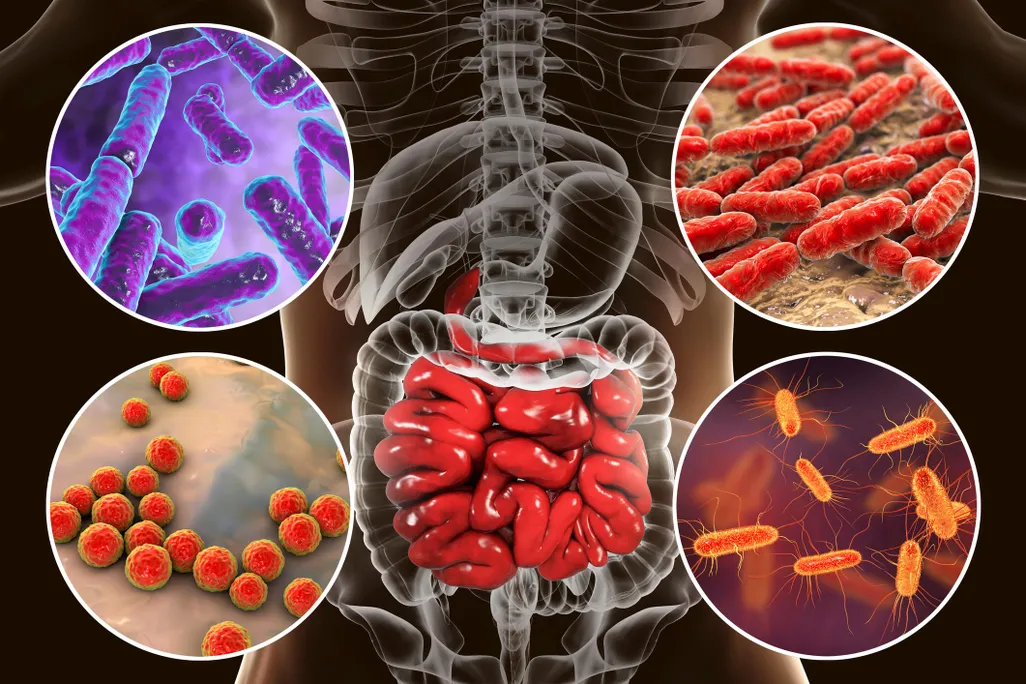
Potato resistant starch follows a somewhat similar principle. As its name suggests, resistant starch resists normal digestion to a greater extent than conventional starch. A portion can therefore reach the large intestine and become available for microbial fermentation. Fermentation of resistant carbohydrates can contribute to the production of short-chain fatty acids such as acetate, propionate, and butyrate, although the exact response varies substantially between individuals.
SodaTide then adds three microbial species to that nutritional environment. Bifidobacterium infantis has been investigated in digestive-health research, Clostridium butyricum is notable for its ability to produce butyrate, and Akkermansia muciniphila has become particularly interesting in current microbiome research because of its relationship with the intestinal mucus layer and metabolic health.
The proposed sequence therefore looks something like this: provide fermentable prebiotics, introduce selected probiotic microorganisms, support a more favorable intestinal environment, and potentially help the digestive and metabolic processes associated with that environment.
What I would not assume is that every person will experience exactly the same microbiome changes. Gut microbiomes are highly individualized. Diet, medications, age, existing gastrointestinal conditions, stress, sleep, antibiotics, and baseline bacterial populations can all influence how someone responds.
What Is Inside SodaTide? My Ingredient Analysis
Before looking at individual ingredients, I think it is important to address safety. “Natural” does not automatically mean side-effect-free, and probiotics are biologically active microorganisms rather than inert fillers. Healthy adults generally tolerate common probiotics and fermentable fibers reasonably well, but gastrointestinal effects such as gas, bloating, changes in stool frequency, or abdominal discomfort can occur. NCCIH also advises greater caution with probiotics in people who are seriously ill or immunocompromised.
Another detail worth noticing is dosage. Research on individual ingredients often uses much larger quantities or precisely identified strains and CFU counts. Findings from those studies help explain why an ingredient may be interesting, but they should not be interpreted as direct clinical proof that SodaTide itself will reproduce the same result.
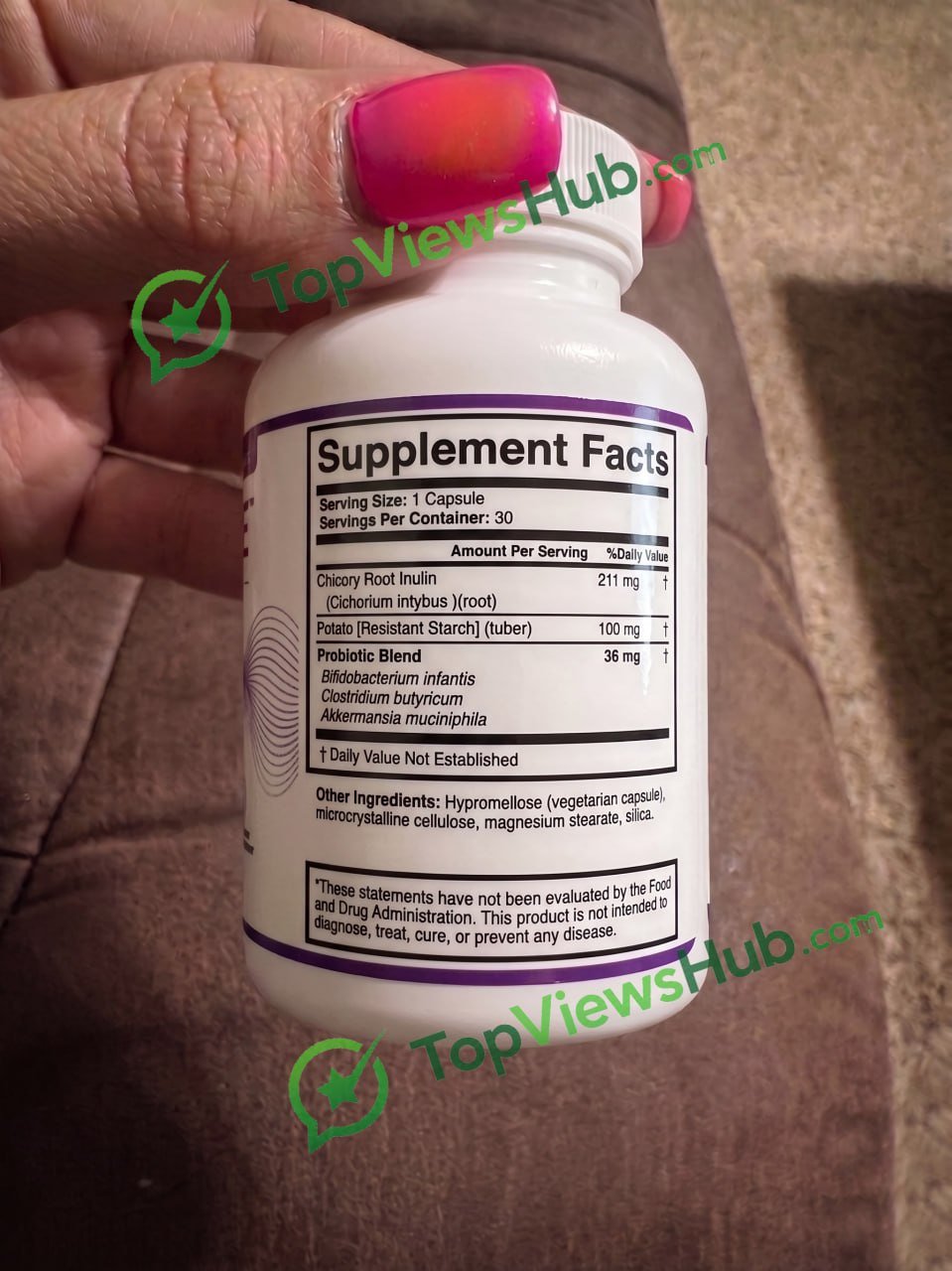
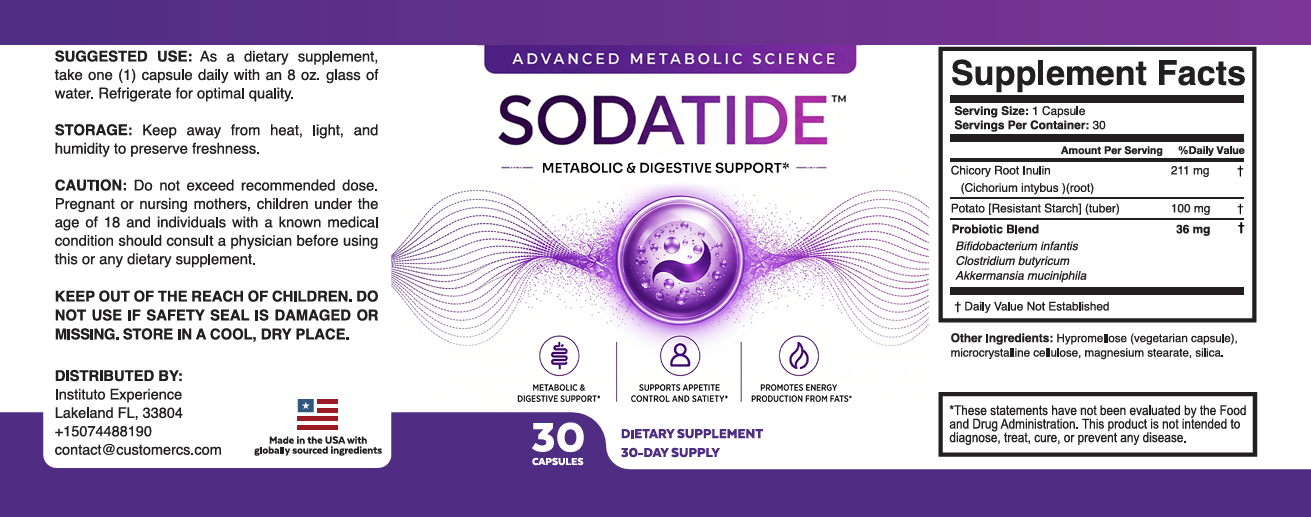
🍃 Chicory Root Inulin — 211 mg
Chicory root inulin is the primary prebiotic component in SodaTide. Inulin belongs to a family of carbohydrates known as inulin-type fructans. Human digestive enzymes do not completely break these compounds down in the upper gastrointestinal tract, allowing them to reach the colon and become available for fermentation by gut bacteria.
This is particularly interesting because numerous controlled studies have examined chicory-derived inulin for its bifidogenic effect — meaning its ability to encourage Bifidobacterium populations. A systematic review and meta-analysis involving 50 studies and 2,525 participants concluded that chicory-derived inulin-type fructans in studied doses of roughly 3–20 grams per day significantly increased Bifidobacterium abundance. Researchers also reported beneficial effects on some bowel-function parameters in healthy participants.
Other clinical research has found changes in stool frequency and consistency after inulin supplementation, particularly among individuals beginning with relatively infrequent bowel movements. These findings provide a legitimate scientific foundation for including chicory inulin in a microbiome formula.
However, the dosage requires perspective. SodaTide provides 211 mg, or 0.211 grams, whereas many clinical trials have used several grams per day. For example, one randomized trial investigating microbiome changes used 3 g or 7 g of inulin-type fructans daily. Consequently, I would not claim that SodaTide’s 211 mg serving is equivalent to the doses used in those studies.
What I do like is the ingredient’s role within the overall formula. SodaTide is not relying on inulin as a high-dose standalone fiber supplement. It appears to use it as one component of a broader synbiotic system alongside resistant starch and probiotics. From that perspective, its purpose is easier to understand.
🍃 Potato Resistant Starch — 100 mg
Resistant starch is technically starch, but physiologically it behaves more like fermentable dietary fiber because some of it avoids digestion in the small intestine. Once it arrives in the colon, intestinal microorganisms can ferment it, producing metabolites that may influence the local intestinal environment.
Potato-derived resistant starch is especially interesting because human trials have demonstrated measurable effects on gut bacteria when it is consumed in meaningful quantities. In a randomized placebo-controlled clinical trial, researchers studied 3.5 g and 7 g daily doses of resistant potato starch and examined changes in Bifidobacterium, Akkermansia, stool consistency, and other markers.
Resistant starch has also been studied for metabolic outcomes. Some trials have reported differences in post-meal glucose or insulin responses when resistant starch replaces more readily digestible carbohydrate, although findings are not universally consistent and depend heavily on the resistant-starch type, amount, food matrix, and study population. One pilot trial involving resistant-starch-enriched potatoes, for example, found no significant improvement in its primary insulin-sensitivity outcome but did observe differences in fasting glucose and other metabolic markers.
Once again, dosage matters. SodaTide contains 100 mg of potato resistant starch, considerably below the gram-level quantities commonly investigated as standalone resistant-starch interventions. I therefore see this ingredient primarily as part of SodaTide’s combined prebiotic strategy rather than something that should independently create dramatic metabolic changes.
Its inclusion nevertheless makes conceptual sense. Chicory inulin and resistant starch do not have identical fermentation characteristics, so combining two fermentable carbohydrate sources could provide a broader prebiotic framework than using a probiotic blend by itself.
🍃 Bifidobacterium infantis
Bifidobacterium infantis belongs to a group of bacteria that naturally occupy the human intestinal microbiome. Species and strains within Bifidobacterium have been extensively investigated because of their relationship with carbohydrate fermentation, intestinal ecology, and digestive health.
One particularly well-studied strain, B. infantis 35624, has been evaluated in randomized trials involving gastrointestinal symptoms. A controlled trial in women with IBS found that a specific dose of that particular strain improved several symptoms compared with placebo. However, another trial in people who had abdominal discomfort and bloating but had not been diagnosed with IBS produced more mixed results, which demonstrates an important point: probiotic benefits are strain-specific and population-specific rather than automatically transferable to every product containing the same species name.
For SodaTide, I appreciate the inclusion of B. infantis, especially because the formula also contains inulin, which is frequently researched for its bifidogenic properties. Conceptually, providing a Bifidobacterium species alongside a fermentable substrate that can support bifidobacteria fits the synbiotic theme.
The limitation is transparency regarding potency. The available label information describes a 36 mg combined probiotic blend, but an individual CFU quantity for B. infantis is not clearly provided. Probiotics are commonly evaluated according to strain identity and viable organism count, so I would prefer to see that information displayed prominently.
🍃 Clostridium butyricum
The name Clostridium can understandably concern people because the genus includes certain pathogenic organisms. However, bacterial effects are species- and strain-dependent, and Clostridium butyricum has been used as a probiotic organism in various contexts.
One of its most interesting characteristics is its relationship with butyrate, an important short-chain fatty acid generated in the colon. Butyrate serves as an energy source for colon cells and is heavily studied in connection with intestinal physiology, barrier function, and microbial ecology.
Recent randomized research involving a probiotic blend containing Clostridium butyricum reported improvements in several bowel-related measurements among adults with functional constipation, although because multiple organisms were administered together, those results cannot be attributed exclusively to C. butyricum.
In SodaTide, I see C. butyricum as a complementary component rather than the centerpiece. Its presence fits the formula’s fermentation-oriented strategy, especially alongside resistant starch and inulin. Nevertheless, the same issue applies here: without a clearly stated strain designation and CFU quantity, it is impossible to equate SodaTide directly with clinical trials involving specific C. butyricum preparations.
🍃 Akkermansia muciniphila
This is probably the most intriguing ingredient in SodaTide from a modern microbiome-research perspective. Akkermansia muciniphila naturally inhabits the intestinal mucus layer and has been investigated in connection with intestinal barrier biology and metabolic health.
A landmark exploratory human trial involving overweight and obese insulin-resistant adults found that supplementation with A. muciniphila, particularly a pasteurized preparation, was generally well tolerated and produced improvements in several metabolic parameters compared with placebo.
The research has continued to develop. A 2026 randomized controlled trial involving adults with overweight or obesity who first completed a low-energy weight-loss phase found that pasteurized A. muciniphila supplementation resulted in less weight regain during the subsequent maintenance phase compared with placebo. This is encouraging science, but it does not establish SodaTide as a clinically proven weight-loss treatment because the organism preparation, dosage, participant characteristics, and intervention used in that trial are not necessarily the same as SodaTide.
Still, this is an ingredient that makes the formula stand out. Instead of using only the conventional probiotic species found in many basic supplements, SodaTide includes a microorganism sitting at the center of some genuinely interesting contemporary metabolic research.
Why Are People Buying SodaTide?
The appeal of SodaTide seems to come from the fact that it addresses several closely related concerns through a single gut-focused concept. Many people searching for a microbiome supplement are not necessarily dealing with one isolated symptom. They may be trying to improve digestive regularity while simultaneously becoming more mindful of appetite, food choices, weight management, and overall metabolic wellness.
Convenience is another major advantage. Rather than purchasing an inulin supplement, resistant starch powder, and multiple probiotics separately, SodaTide combines all of them into one vegetarian capsule taken once daily. For anyone who dislikes complicated supplement schedules, that simplicity is meaningful.
People are also becoming more aware of the difference between probiotics and prebiotics. Adding bacteria without considering the intestinal environment is only one part of microbiome support. SodaTide’s synbiotic approach is therefore easy to understand: provide selected microorganisms while supplying fermentable ingredients capable of interacting with the existing gut ecosystem.
Finally, Akkermansia muciniphila gives SodaTide a more contemporary ingredient profile. Interest in Akkermansia has expanded considerably as human research develops around metabolic and intestinal health. I suspect that ingredient alone will attract people who have already read about the relationship between microbiome composition and metabolic wellness.
Six Potential Benefits I Consider Most Relevant
The benefits below are best understood as potential wellness benefits based on SodaTide’s ingredient strategy and the broader research surrounding those ingredients, rather than guaranteed outcomes. Individual responses to microbiome supplements vary substantially, and SodaTide itself should not be treated as a medication.
★ 1. May Support More Comfortable Everyday Digestion
The first benefit I associate with SodaTide is basic digestive support. Its formula supplies fermentable prebiotic material together with probiotic microorganisms, giving it a broader digestive strategy than a supplement containing only one category of ingredient. Inulin and resistant starch can reach the colon and participate in microbial fermentation, while SodaTide’s probiotic organisms are intended to interact with that intestinal ecosystem.
For people who respond favorably to this type of formula, the practical improvement may be less about an obvious overnight sensation and more about digestion becoming more predictable and comfortable over time. Users of gut-focused supplements commonly pay attention to bowel regularity, stool consistency, post-meal comfort, and feelings of bloating. Research involving inulin and specific probiotics provides some support for those areas, although the effects seen with SodaTide will depend on the person, their diet, and the actual quantities of viable organisms reaching the intestine.
★ 2. May Help Maintain a More Supportive Gut Microbiome
This is where SodaTide’s synbiotic positioning makes the most sense to me. The intestinal microbiome is an ecosystem, and ecosystems depend on both the organisms present and the resources available to them. SodaTide introduces three microorganisms while also supplying inulin and resistant starch as fermentable substrates.
Someone whose diet is chronically low in fermentable plant foods cannot realistically expect one capsule to rebuild their entire microbiome, but SodaTide may serve as an additional daily layer of microbiome support. People who use the supplement alongside vegetables, legumes, fruits, whole grains, adequate hydration, and other fiber-rich foods are creating a much more favorable overall environment than someone relying entirely on capsules while continuing a highly processed, low-fiber diet.
★ 3. May Support Bowel Regularity and Stool Quality
Prebiotic fibers can influence stool characteristics by interacting with water, intestinal bacteria, fermentation, and colonic activity. Human studies of chicory inulin have reported beneficial changes in bowel-function parameters in certain populations, particularly when baseline regularity was less than ideal.
What someone notices could therefore be relatively practical: more dependable bowel movements, less straining, or a stool consistency closer to what feels normal for them. That does not mean SodaTide should be regarded as a laxative, nor would I expect the dramatic immediate effect associated with one. The purpose is better understood as helping support the digestive environment gradually. Because increased fermentation can initially produce additional gas in some users, changes during the first several days should also be interpreted carefully rather than automatically assuming that more intestinal activity means something is wrong.
★ 4. May Complement Appetite and Satiety Management
This area requires a little more caution because the relationship between microbiota, fermentation, appetite hormones, and food intake is complex. Research has investigated whether fermentable fibers and certain microbiome interventions can influence signals involved in satiety, but results vary considerably depending on dose, population, and formulation.
I would therefore describe SodaTide as potential support for appetite awareness rather than an appetite suppressant. Some people improving their gut-health routine report that meal patterns become easier to manage when digestion feels steadier and they are eating more fiber-rich foods. If SodaTide encourages someone to build a healthier overall routine around their digestive health, that indirect benefit may be as meaningful as anything occurring inside the capsule itself. It should not, however, be expected to eliminate hunger or replace the dietary habits necessary for weight management.
★ 5. May Complement Healthy Metabolic Function
The inclusion of resistant starch and Akkermansia muciniphila makes metabolic support one of the more interesting aspects of the formula. Both have been investigated independently in human metabolic research, including studies examining glucose regulation, insulin responses, body composition, and weight-maintenance outcomes.
That research does not mean taking one SodaTide capsule will reproduce the results of those trials. Many studies have used substantially larger resistant-starch doses or specifically standardized Akkermansia preparations. What SodaTide provides is a formula built around several ingredients that have legitimate scientific relevance to the broader field of metabolic and microbiome research. Used alongside sensible calorie intake, adequate protein and fiber, regular exercise, and sleep, it may fit naturally into a metabolic-wellness routine.
★ 6. May Support the Gut Environment and Intestinal Barrier
The intestinal barrier is much more complicated than the popular expression “leaky gut” sometimes suggests. The mucus layer, epithelial cells, immune components, microbial metabolites, and resident microorganisms all participate in maintaining the boundary between intestinal contents and the rest of the body.
Akkermansia muciniphila has attracted particular research attention because of its relationship with the intestinal mucus layer, while butyrate-producing organisms and fermentable fibers are investigated for their involvement in colonic physiology. SodaTide’s combination appears designed with this ecosystem in mind. For users, this benefit would not necessarily create an obvious sensation they could measure day by day. Instead, it represents one of the more foundational reasons someone might use a microbiome supplement consistently rather than expecting it to function like a rapid symptom-relief product.
How SodaTide Compares With Typical Gut-Support Supplements
Before comparing formulas, I think it is more useful to compare strategies than brand names. Many digestive supplements specialize in a single category — either probiotics, prebiotic fiber, or digestive-support ingredients. SodaTide instead attempts to combine several microbiome-oriented components in one capsule.


| Comparison Area | SodaTide | Typical Single-Focus Gut Supplement |
|---|---|---|
| Overall formulation strategy | SodaTide uses a synbiotic-style approach, combining two prebiotic substrates with three identified probiotic microorganisms. This gives the formula several ways to interact with the digestive ecosystem rather than depending entirely on one ingredient. | Many conventional products focus exclusively on probiotics or exclusively on fiber. That can be useful when someone wants a specific intervention, but it does not provide the same combined prebiotic/probiotic framework. |
| Prebiotic diversity | Includes both chicory root inulin and potato resistant starch, giving the formula two different fermentable carbohydrate sources. | A typical product may use only inulin, FOS, or another single prebiotic source, while basic probiotic capsules sometimes contain no meaningful prebiotic ingredient at all. |
| Probiotic profile | Contains B. infantis, C. butyricum, and A. muciniphila, creating a somewhat unusual blend with organisms relevant to different areas of microbiome research. | Conventional formulas frequently revolve around common Lactobacillus and Bifidobacterium combinations. Those are not inherently inferior, but they represent a more familiar formulation style. |
| Akkermansia inclusion | One of SodaTide’s most distinctive characteristics is Akkermansia muciniphila, an organism currently receiving substantial attention in human metabolic research. | Many ordinary probiotic supplements do not contain Akkermansia at all, particularly older multi-strain products designed before interest in the organism became widespread. |
| Convenience | One vegetarian capsule per day makes the routine exceptionally straightforward and may improve consistency for people who dislike powders or multiple daily doses. | Fiber powders can require mixing and large serving volumes, while certain probiotic protocols involve multiple capsules or separate prebiotic products. |
| Metabolic positioning | The formula is built not only around digestion but also around microbiome-related satiety and metabolic wellness, largely because of resistant starch and Akkermansia. | Many gut products stop at basic digestion, regularity, or bloating and are not formulated with the same metabolic emphasis. |
| Formula simplicity | The active formula is relatively focused, which makes it easier for me to understand why each ingredient is present and how the components theoretically complement one another. | Very large proprietary blends may include numerous herbs, enzymes, fibers, and bacteria without giving each ingredient an obvious role or clinically relevant quantity. |
| Dosage transparency | The prebiotic amounts are clearly stated, but the probiotic portion is given as a 36 mg blend rather than clearly itemized strain-specific CFU counts, which I regard as an important limitation. | Better premium probiotic formulas often disclose strain identifiers and CFUs individually, while lower-quality products may provide even less transparency. |
| Prebiotic dosage strength | SodaTide’s inulin and resistant-starch amounts are compact enough for capsule delivery, but they are far below the gram-level doses used in many standalone fiber studies. | Dedicated powdered prebiotic products can provide several grams per serving, making them more appropriate for someone specifically seeking a high-dose fiber intervention. |
| Best fit | Better suited, in my view, to someone who values convenience and wants several microbiome-support concepts combined into one daily supplement. | A specialized supplement may be better for someone who already knows they need a particular probiotic strain or several grams of a particular prebiotic fiber. |
Overall, I would not say SodaTide is objectively superior to every other gut product because supplements serve different purposes. Its advantage is integration. It combines several interesting microbiome components in a convenient format instead of forcing users to assemble an entire synbiotic routine from separate products.
The trade-off is that capsule convenience limits how much bulky prebiotic fiber can realistically fit into one serving. Someone specifically wanting the multi-gram quantities of inulin or resistant starch used in many trials would be better served by food or powder-based sources. SodaTide makes more sense as a targeted microbiome supplement than as a replacement for dietary fiber.
How I Would Use SodaTide
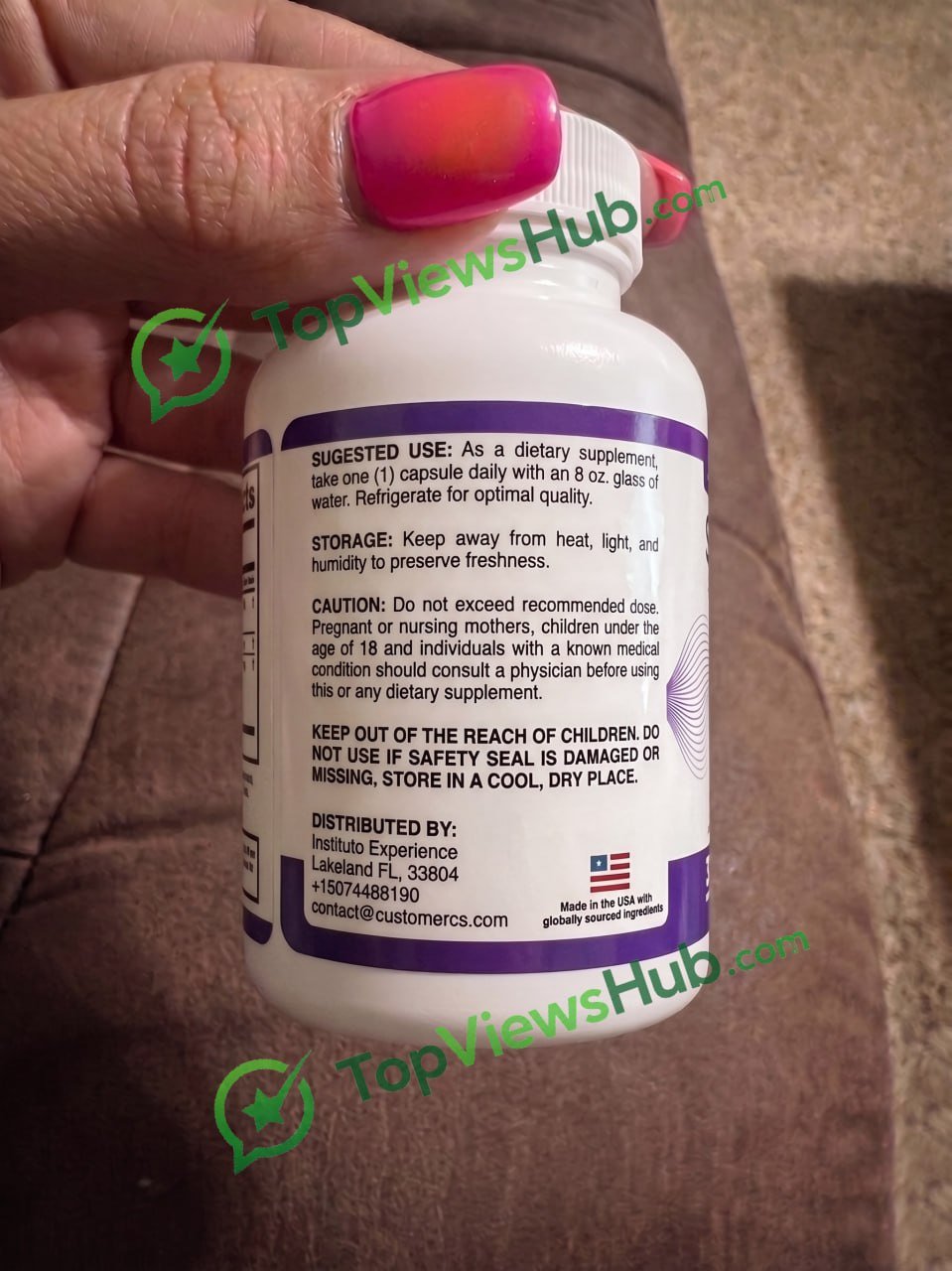
The stated direction is simple: take one SodaTide capsule per day, preferably with a full glass of water and in accordance with the instructions printed on the bottle.
For a microbiome formula, consistency makes more sense to me than constantly changing the dosage. Gut-related supplements are not typically products I would judge after a single capsule. I would maintain the normal serving rather than doubling it in an attempt to accelerate the result.
Taking it at approximately the same time each day can also make compliance easier. If someone has a particularly sensitive digestive system, taking the capsule with a meal may feel more comfortable, although the product label and personal healthcare advice should take priority.
How Effective Could SodaTide Really Be?
What makes SodaTide convincing to me is not the idea that one capsule somehow overrides diet or produces effortless weight loss. It is the fact that the overall biological concept is coherent. Inulin is a recognized prebiotic. Resistant starch is a fermentable carbohydrate studied for microbiome and metabolic effects. Bifidobacterium and Clostridium butyricum have legitimate digestive-health research behind particular strains, and Akkermansia muciniphila has become one of the more interesting organisms in current metabolic-microbiome research. Those components give SodaTide more substance than a supplement whose marketing depends on an unexplained proprietary herb blend.
The biggest reason I stop short of calling SodaTide clinically proven is dosage specificity. SodaTide itself would need appropriately controlled human trials to demonstrate exactly how much it improves digestion, satiety, microbiome composition, or metabolic outcomes. In addition, the prebiotic amounts are much smaller than doses frequently used in trials, and the probiotic label would be stronger if individual strains and CFU quantities were clearly disclosed. My assessment is therefore that SodaTide has a scientifically interesting formula with plausible digestive and microbiome-support potential, but expectations should remain proportional to the evidence. I would view it as a supporting tool within a healthy routine rather than the primary solution to a serious digestive or metabolic problem.
SodaTide Pros and Cons
| SodaTide Pros | SodaTide Cons |
|---|---|
| 1. Thoughtful synbiotic design: SodaTide combines prebiotic material with probiotics instead of relying on one side of microbiome support. I like this because gut microorganisms interact with their nutritional environment, making the combination conceptually more complete than a basic one-ingredient formula. | 1. Limited probiotic potency information: The probiotic component is listed as a 36 mg blend, but clearly itemized strain-specific CFU counts would make the formula much easier to compare with published probiotic studies and competing products. |
| 2. Includes two different prebiotic ingredients: Chicory inulin and potato resistant starch have different characteristics, giving the formula greater variety than products built entirely around one prebiotic compound. Both ingredients also have legitimate scientific literature examining their interaction with the gut microbiome. | 2. Prebiotic quantities are relatively small: SodaTide contains 211 mg of chicory inulin and 100 mg of resistant starch. Many human studies have investigated these compounds at several grams per day, so buyers should not assume that the capsule duplicates high-dose clinical interventions. |
| 3. Contains Akkermansia muciniphila: Akkermansia is one of the most interesting inclusions because human research into this organism and metabolic health has expanded substantially. Its presence gives SodaTide a more contemporary formulation than many ordinary probiotic products. | 3. Results are likely to vary: Microbiome responses are extremely individualized. Diet, medications, antibiotic history, baseline microbiota, gastrointestinal health, exercise, and sleep can all influence what a person notices, so SodaTide cannot reasonably guarantee identical outcomes for everyone. |
| 4. Extremely convenient once-daily routine: One vegetarian capsule per day is far easier to maintain than several powders, separate probiotic bottles, and complicated timing schedules. In my experience evaluating supplements, simplicity matters because even an impressive formula has little value when people cannot follow the routine consistently. | 4. It is not a substitute for a fiber-rich diet or medical care: Anyone expecting SodaTide to compensate for a highly processed diet, treat a diagnosed digestive disorder, or independently produce major weight loss is expecting more than a dietary supplement can reasonably deliver. |
| 5. Multiple areas of digestive support: Rather than focusing only on bowel movements, the formula is positioned around microbiome nourishment, microbial supplementation, digestive function, and metabolic wellness. This broader approach may appeal to people who see their gut health as part of their overall wellness routine. | |
| 6. Simple ingredient profile: I appreciate being able to identify the purpose of the major active ingredients without sorting through a long list of poorly explained botanicals. The focused formulation makes SodaTide easier to evaluate and reduces the impression that ingredients were added simply to make the label look impressive. |
For me, the strengths outweigh the weaknesses for someone specifically interested in a convenient synbiotic supplement. The biggest improvement I would like to see is better strain-level and CFU-level probiotic disclosure, because that information matters when evaluating probiotic products scientifically.
Reported Side Effects and What to Watch For
The most plausible side effects of SodaTide are digestive rather than stimulant-related. Inulin, resistant starch, and probiotics can all increase microbial fermentation, particularly when a person first introduces them. That means some people could temporarily experience gas, abdominal fullness, bloating, changes in stool frequency, softer stools, or mild digestive discomfort.
A mild adjustment period is different from severe or persistent symptoms. If someone develops significant abdominal pain, persistent vomiting or diarrhea, signs of an allergic reaction, fever, or another unusual reaction, I would stop using the supplement and seek appropriate medical advice rather than assuming the reaction is a normal “detox.”
People with highly sensitive gastrointestinal systems may also respond differently to fermentable carbohydrates such as inulin. Individuals who already know that fructans trigger significant symptoms should pay particular attention to the ingredient list before using SodaTide.
Is SodaTide Safe?
For generally healthy adults, SodaTide’s ingredient profile appears reasonably straightforward when taken at the labeled one-capsule daily serving. The product is marketed as made in the USA, manufactured according to GMP standards, and made with naturally derived ingredients.
There is an important regulatory clarification, however. Some promotional material describes manufacturing in an “FDA-approved” or “FDA-certified” facility. The FDA states that it does not approve dietary-supplement manufacturing facilities or dietary supplements before marketing. Facilities may be registered with FDA and are subject to applicable regulations and inspections, while dietary-supplement manufacturers must comply with current good manufacturing practices.

For most healthy users, that distinction should not create alarm; it simply makes the terminology more accurate. Anyone who is pregnant, nursing, immunocompromised, seriously ill, or under medical treatment should obtain professional advice before using probiotics or other dietary supplements.
Can You Take SodaTide With Other Medications?
I would not assume that every supplement is automatically compatible with every medication simply because the ingredients are natural. Anyone taking prescription medication should discuss SodaTide with a doctor or pharmacist before adding it to their routine, especially if the person is being treated for diabetes, gastrointestinal disease, immune disorders, or another chronic condition.
Fiber-containing products can sometimes affect the timing or absorption of certain medications, while probiotics require additional caution in people with severely compromised immune systems. The specific relevance will depend on the medication, dose, medical history, and the person’s overall condition.
If a healthcare professional approves using both, it may sometimes be sensible to separate a supplement from medication by several hours, but I would not give that as a universal rule because some medications have very specific administration requirements. Medication instructions should always take priority over supplement timing.
Who Is SodaTide Best Suited For, and Who Should Avoid It?
| Who May Consider SodaTide | Who Should Avoid It or Get Medical Advice First |
|---|---|
| Adults wanting convenient microbiome support: SodaTide may appeal to generally healthy adults who want a straightforward once-daily way to add prebiotic and probiotic ingredients to an already balanced lifestyle. | Pregnant or nursing individuals: Pregnancy and breastfeeding change nutritional and medical considerations substantially. I would not introduce a new microbiome supplement during either period without approval from a qualified healthcare professional. |
| People interested in digestive regularity: Someone dealing with occasional irregularity or looking to support normal digestive function may appreciate the combination of fermentable prebiotics and probiotics, provided there is no underlying condition requiring diagnosis. | People with severe or unexplained gastrointestinal symptoms: Persistent abdominal pain, blood in the stool, unexplained weight loss, chronic diarrhea, severe constipation, or other concerning symptoms deserve medical evaluation rather than self-treatment with supplements. |
| People whose diet could use additional microbiome support: SodaTide may complement a diet that already contains vegetables, fruits, legumes, whole grains, and other plant foods, particularly for someone trying to be more deliberate about gut health. | People with severely weakened immune systems or serious illness: Probiotics require additional caution in high-risk individuals. NCCIH notes that the risk of harmful probiotic effects can be greater in seriously ill or immunocompromised people. |
| Adults working on sustainable weight-management habits: Because the formula is oriented toward microbiome and metabolic wellness, it may fit alongside a calorie-appropriate diet, adequate protein, exercise, sleep, and behavioral changes. It should not be expected to replace those fundamentals. | Children unless specifically advised by a pediatric professional: A product formulated and marketed for adults should not automatically be given to children simply by reducing the serving. Pediatric probiotic decisions deserve age-appropriate professional guidance. |
| People who prefer capsules instead of powders: Anyone who dislikes mixing resistant-starch or fiber powders may find the one-capsule format considerably easier to maintain, although the trade-off is a substantially smaller fiber quantity. | People with known sensitivity to inulin or fructans: Individuals who experience substantial gastrointestinal symptoms after consuming fermentable fructans may find chicory inulin uncomfortable and should evaluate the formula carefully before using it. |
| People comfortable with gradual rather than instant support: SodaTide is better suited to someone who understands that microbiome support may require consistent habits over time instead of expecting a dramatic reaction after the first dose. | Anyone expecting it to treat disease or replace prescribed medication: SodaTide is a dietary supplement. People managing IBS, diabetes, inflammatory bowel disease, obesity requiring medical treatment, or another diagnosed condition should not replace established treatment with this product. |
What I Didn’t Like About SodaTide and Why
SodaTide has several attractive qualities, but I would not call this a flawless formula. These are the limitations that stood out most strongly during my review:
- The probiotic blend needs better CFU transparency. A 36 mg probiotic blend tells me the blend’s weight but does not communicate the same information as strain-specific colony-forming-unit counts. Probiotic research is highly strain- and dose-specific, so clearer labeling would make scientific comparison much easier.
- The prebiotic dosage is modest compared with many clinical studies. SodaTide’s 211 mg of inulin and 100 mg of resistant starch fit easily into a capsule, which is convenient, but published research frequently uses quantities measured in grams rather than hundreds of milligrams. I would therefore avoid assuming that SodaTide can reproduce the effects of high-dose fiber trials.
- The marketing can create stronger expectations than the evidence supports. Gut microbiome science is exciting, particularly around Akkermansia, but it remains a developing field. A product can contain scientifically interesting ingredients without the finished formulation itself being clinically proven for every advertised wellness outcome.
- Digestive adaptation may be uncomfortable for some people. Fermentable ingredients and probiotics can change intestinal activity. Someone with a sensitive gut may notice additional gas or bloating initially, and there is no reliable way to predict every individual’s response in advance.
- I would prefer clearer product-specific clinical evidence. Ingredient studies are valuable, but the strongest evidence would come from controlled human research conducted on the exact SodaTide formula, dose, manufacturing specifications, and target population.
These issues do not make SodaTide a bad product. They simply prevent me from presenting it as something more scientifically established than it currently appears to be.
Is SodaTide a Scam or Legitimate?
Based on the formula itself, I do not see a reason to label SodaTide a scam simply because it is a gut-health supplement. Its core ingredients are real, recognizable ingredients with legitimate scientific literature surrounding prebiotics, resistant starch, probiotics, and microbiome biology. The more reasonable conclusion is that SodaTide is a dietary supplement built around an increasingly popular synbiotic concept. What buyers should avoid is confusing evidence surrounding individual ingredients with clinical proof that every person taking SodaTide will experience dramatic weight loss, perfect digestion, or metabolic transformation. Those would be unreasonable expectations for any supplement.
Where I would be much more cautious is with unauthorized third-party marketplace listings. Products advertised under popular supplement names can appear on platforms such as Amazon, eBay, and other reseller sites, and a buyer may have difficulty confirming the seller, storage history, authenticity, expiration conditions, or eligibility for the manufacturer’s guarantee. I cannot responsibly claim that every Amazon or eBay listing is counterfeit without evidence, but the safest purchasing strategy is still straightforward: buy through the product’s official sales channel when authenticity and guarantee coverage matter to you. That reduces uncertainty about what arrives and gives the customer a clearer route for resolving an order problem.
Five Ways I Would Try to Get Better Results From SodaTide
1. Make Fiber-Rich Whole Foods Part of the Same Routine
A 211 mg serving of inulin and 100 mg of resistant starch should not be mistaken for an entire high-fiber diet. If I were using SodaTide, I would simultaneously increase the variety of plant foods I eat whenever tolerated. Vegetables, legumes, berries, oats, whole grains, nuts, seeds, and other fiber-rich foods expose the microbiome to a much wider range of fermentable substrates.
That broader dietary diversity matters because the microbiome responds to the total environment, not to one capsule alone. SodaTide may provide a targeted combination, but food should remain the nutritional foundation.
2. Use It Consistently Instead of Increasing the Serving
I would take one capsule per day as directed rather than assuming more capsules mean faster or better results. Increasing probiotic or fermentable-fiber intake abruptly can increase gastrointestinal discomfort without necessarily improving the outcome.
Consistency also gives someone a fairer opportunity to judge how their digestive system responds. Constantly changing the dose, adding several new supplements simultaneously, or skipping days makes it difficult to identify what is actually affecting digestion.
3. Pay Attention to Hydration
Adequate fluid intake is an underrated component of digestive health. Fiber and normal bowel function depend partly on the amount of fluid available within the digestive system, and dehydration can contribute to harder stools and uncomfortable bowel movements.
I would therefore take SodaTide with a generous glass of water and maintain normal hydration throughout the day. That does not mean forcing excessive water intake; the goal is simply to avoid undermining a gut-health routine through chronic inadequate hydration.
4. Support Metabolic Goals With Movement and Sleep
Anyone purchasing SodaTide mainly for the metabolic side of its positioning should remember that exercise and sleep have far stronger practical implications than expecting a capsule to independently change body composition. Resistance training, regular walking, and appropriate cardiovascular activity can support glucose handling, energy expenditure, and long-term weight management.
Sleep deserves the same attention. Poor sleep can influence hunger, food choices, energy, and adherence to healthy routines. SodaTide makes considerably more sense as one component of a well-designed lifestyle than as an alternative to one.
5. Track Meaningful Changes Rather Than Chasing Daily Scale Fluctuations
If I were evaluating SodaTide for myself, I would monitor the things the formula is actually positioned to influence: digestive comfort, bowel regularity, stool consistency, bloating, meal satisfaction, appetite patterns, and how easy it feels to maintain healthy eating habits.
I would not judge its effectiveness by whether my weight changed overnight. Body weight fluctuates from water, sodium, glycogen, gastrointestinal contents, hormonal factors, and many other variables. Longer-term patterns are far more informative than day-to-day noise, especially when evaluating something intended to support the gut environment gradually.
Where Should You Buy SodaTide to Reduce the Risk of Scam Products?
For a supplement like this, my preference is the official SodaTide sales website rather than an unknown third-party reseller. The issue is not that every marketplace seller is automatically fraudulent. The problem is that once a product moves through an unrelated reseller, it becomes more difficult to verify where it came from, how long it was stored, whether the packaging has changed, and whether the order is covered by the manufacturer’s advertised refund policy.
That matters even more with probiotic-oriented products because identity, storage, formulation, and manufacturing consistency are important. A bottle that looks similar on the outside does not necessarily tell you everything about the supply chain behind it. I would be especially cautious about unusually cheap listings, altered labels, bottles with different Supplement Facts panels, sellers that cannot explain the return policy, or listings that make unrealistic medical claims.
Amazon and eBay can contain legitimate sellers as well as unauthorized marketplace merchants, so I would not label every listing fake. However, I also would not assume that a bottle offered under the SodaTide name is authentic simply because the photograph looks convincing.
For that reason, the official purchase channel is the option I would choose when I want the lowest uncertainty regarding authenticity and access to the advertised guarantee.
How Does the SodaTide 60-Day Money-Back Guarantee Work?

SodaTide is advertised with a 60-day money-back guarantee, which is one of the more useful features for someone who is uncertain whether a microbiome supplement will suit them. Gut-health products can be difficult to evaluate in advance because two people can respond very differently to the same combination of prebiotics and probiotics.
A two-month refund window gives customers more room than a short 7- or 14-day guarantee would. It provides time to introduce the supplement, observe digestive tolerance, use it consistently, and decide whether the experience justifies continuing.
The most important detail is where the order is placed. The advertised SodaTide money-back guarantee applies to qualifying purchases made through the official sales channel. A bottle purchased through an unrelated marketplace seller may be subject to that seller’s return policy rather than the manufacturer’s guarantee.
I would therefore keep the original order confirmation, packaging information, and any documents accompanying the shipment until I am sure I intend to keep the order. If a refund becomes necessary, those records can make the process considerably easier.
The guarantee does not prove that SodaTide will work, but I do consider it a meaningful buyer-protection feature. It shifts some of the financial risk away from the customer, provided the purchase was made through the channel covered by the guarantee and the buyer follows the stated refund conditions.
SodaTide Frequently Asked Questions
Q: What is SodaTide designed to do?
A: SodaTide is designed primarily to support digestive health, the gut microbiome, and general metabolic wellness through a combination of prebiotic and probiotic ingredients. Its formula supplies chicory root inulin and potato resistant starch alongside Bifidobacterium infantis, Clostridium butyricum, and Akkermansia muciniphila. I would view those ingredients as nutritional support rather than treatment for any diagnosed digestive or metabolic disease.
Q: How many SodaTide capsules should I take each day?
A: The recommended serving is one capsule daily, taken according to the instructions printed on the product label. I would not automatically increase the serving because microbiome and fermentable-fiber supplements can cause additional digestive discomfort when intake rises too rapidly. Consistency with the recommended serving is a more sensible approach.
Q: How quickly should I expect SodaTide to work?
A: There is no universal timeline because gut microbiomes and digestive patterns vary considerably from person to person. Someone might notice a change in bowel habits or digestive activity relatively early, while another person may require a longer period before deciding whether the supplement is useful. I would evaluate it over consistent use rather than expecting a dramatic feeling after the first capsule.
Q: Does SodaTide cause weight loss?
A: I would not describe SodaTide as a direct fat-burning or medical weight-loss product. Some of its ingredients are relevant to research involving microbiome composition, appetite regulation, insulin sensitivity, and metabolic health, particularly resistant starch and Akkermansia. However, meaningful weight loss still depends primarily on long-term energy balance, diet quality, activity, sleep, and individual physiology. SodaTide is better viewed as complementary microbiome support within that larger strategy.
Q: Can SodaTide make bloating worse at first?
A: It is possible. Fermentable carbohydrates such as inulin and resistant starch are metabolized by intestinal bacteria, and increased fermentation can create gas. Probiotics can also temporarily alter bowel patterns in some users. Mild digestive changes may settle as the body adjusts, but severe, worsening, or persistent symptoms should not simply be dismissed as normal.
Q: Is SodaTide a probiotic or a prebiotic?
A: It contains both, which is why I would describe the formula as synbiotic in concept. Chicory root inulin and resistant potato starch provide prebiotic components, while B. infantis, C. butyricum, and A. muciniphila provide the probiotic side of the formula. Combining these categories is one of SodaTide’s more distinctive features.
Q: Can I take SodaTide if I use prescription medication?
A: That decision should be made with a physician or pharmacist who knows the specific medication involved. Supplements can interact with medications directly or alter digestive conditions relevant to absorption and tolerability. Extra caution is appropriate for people taking medication for diabetes, gastrointestinal disease, immune conditions, or other chronic medical problems.
Q: Where would I buy SodaTide?
A: I would use the official SodaTide purchasing channel when possible. That gives the buyer the clearest path to authentic product supply and the advertised 60-day money-back guarantee. Third-party listings can involve different sellers and return conditions, so I would verify authenticity carefully before buying anywhere else.
My Final Thoughts on SodaTide
After examining SodaTide closely, I think its strongest feature is the logic behind the formulation. Rather than using a conventional probiotic blend and stopping there, it combines chicory root inulin, potato resistant starch, Bifidobacterium infantis, Clostridium butyricum, and Akkermansia muciniphila in one daily capsule. Each component has a defensible reason for being included, and the overall formula reflects the growing understanding that gut health involves an ecosystem rather than one isolated bacterial species. For someone specifically interested in microbiome support, that makes SodaTide considerably more interesting to me than generic digestive supplements built around vague proprietary blends.
I also appreciate what SodaTide is not. It is not loaded with stimulants, and its basic mechanism does not depend on artificially suppressing appetite or producing an uncomfortable laxative effect. The formula attempts to work further upstream by supporting the intestinal environment. That is a more gradual approach and probably requires more realistic expectations, but I consider that a positive. The most believable role for SodaTide is as daily digestive and microbiome support that complements healthy habits, not as a miraculous shortcut capable of overriding diet and lifestyle.
There are still weaknesses I would like improved. The individual probiotic CFU quantities and precise strain information deserve greater transparency, and I would never pretend that SodaTide’s relatively small inulin and resistant-starch quantities are equivalent to the much larger doses used in numerous clinical studies. More importantly, research on individual ingredients does not replace randomized clinical testing of the finished SodaTide formula. Those limitations matter, and acknowledging them makes the positive aspects of the product more credible rather than less.
Taking everything together, SodaTide appears most appropriate for adults who want a convenient, once-daily synbiotic supplement and understand that gut and metabolic wellness are built through consistency rather than instant transformation. If the ingredient profile matches what you are looking for, you tolerate fermentable prebiotics, and your healthcare situation does not create a reason to avoid probiotics, I think SodaTide is reasonable to consider as part of a broader gut-health routine. For anyone deciding to try it, my preference would be to purchase through the official channel, follow the one-capsule serving rather than experimenting with higher doses, keep the rest of the diet rich in diverse whole foods, and use the 60-day guarantee period to judge your own experience carefully instead of relying on exaggerated promises.
References and Scientific Sources
The following are the main evidence-based sources I reviewed while evaluating the ingredients, microbiome rationale, safety considerations, and regulatory issues discussed in this SodaTide review.
- PubMed / Nutrients — “Effect of chicory-derived inulin-type fructans on abundance of Bifidobacterium and on bowel function: a systematic review with meta-analyses.” This systematic review examined 50 studies involving 2,525 participants and evaluated chicory-derived inulin’s effects on Bifidobacterium and bowel function.
Read the study on PubMed - PubMed / The American Journal of Clinical Nutrition — “Effect of chicory inulin-type fructan-containing snack bars on the human gut microbiota in low dietary fiber consumers in a randomized crossover trial.” This controlled human study examined 3 g and 7 g daily inulin-type fructan interventions and changes in the gut microbiota.
Read the study on PubMed - PubMed / Food Hydrocolloids — “Changes in stool frequency following chicory inulin consumption, and effects on stool consistency, quality of life and composition of gut microbiota.” This human research investigated native chicory inulin, bowel-movement frequency, and stool consistency.
Read the study on PubMed - PubMed / Nutrients — “Consumption of Solnul Resistant Potato Starch Produces a Prebiotic Effect in a Randomized, Placebo-Controlled Clinical Trial.” Researchers examined 3.5 g and 7 g doses of resistant potato starch and their effects on organisms including Bifidobacterium and Akkermansia.
Read the study on PubMed - PubMed / Journal of Human Nutrition and Dietetics — “Effects of potato resistant starch intake on insulin sensitivity, related metabolic markers and appetite ratings in men and women at risk for type 2 diabetes.” This randomized crossover pilot trial provides useful perspective on resistant potato starch and metabolic outcomes.
Read the study on PubMed - PubMed / American Journal of Gastroenterology — “Efficacy of an encapsulated probiotic Bifidobacterium infantis 35624 in women with irritable bowel syndrome.” This randomized trial demonstrates why probiotic evidence needs to be interpreted at the level of specific strains and doses.
Read the study on PubMed - PubMed — “Multi-Center, Double-Blind, Randomized, Placebo-Controlled Study to Evaluate the Benefit of the Probiotic Bifidobacterium infantis 35624 in Non-Patients With Symptoms of Abdominal Discomfort and Bloating.” This study produced more mixed outcomes than previous IBS research and illustrates the variability of probiotic responses between populations.
Read the study on PubMed - PubMed / Nature Medicine — “Supplementation with Akkermansia muciniphila in overweight and obese human volunteers: a proof-of-concept exploratory study.” This randomized human trial examined safety, tolerability, and metabolic outcomes associated with live and pasteurized Akkermansia supplementation.
Read the study on PubMed - PubMed / Nature Medicine — “Pasteurized Akkermansia muciniphila MucT for weight loss maintenance in people with overweight and obesity: a controlled randomized trial.” Published in 2026, this controlled trial evaluated pasteurized Akkermansia during weight-loss maintenance.
Read the study on PubMed - NCCIH — “Probiotics: Usefulness and Safety.” The National Center for Complementary and Integrative Health provides evidence-based guidance on probiotic uses, uncertainties, side effects, and considerations for high-risk individuals.
Read NCCIH’s probiotic guidance - U.S. Food and Drug Administration — “Questions and Answers on Dietary Supplements.” This FDA resource explains how dietary supplements are regulated, current good manufacturing practice requirements, medication-interaction considerations, and why supplements are not FDA-approved before marketing.
Read the FDA dietary-supplement guidance - U.S. Food and Drug Administration — “Avoiding Products Contaminated with Hidden Ingredients.” This consumer-safety guidance specifically cautions buyers about claims that supplements are manufactured in an “FDA-approved facility,” because the FDA does not approve dietary-supplement facilities.
Read the FDA consumer safety guidance
Disclaimer: This SodaTide review is for informational and educational purposes only and is not medical advice. SodaTide is a dietary supplement and is not intended to diagnose, treat, cure, or prevent disease. Results can vary. Consult a qualified healthcare professional before using a new supplement, particularly if you take medication, have a medical condition, are pregnant or nursing, or have a compromised immune system.