

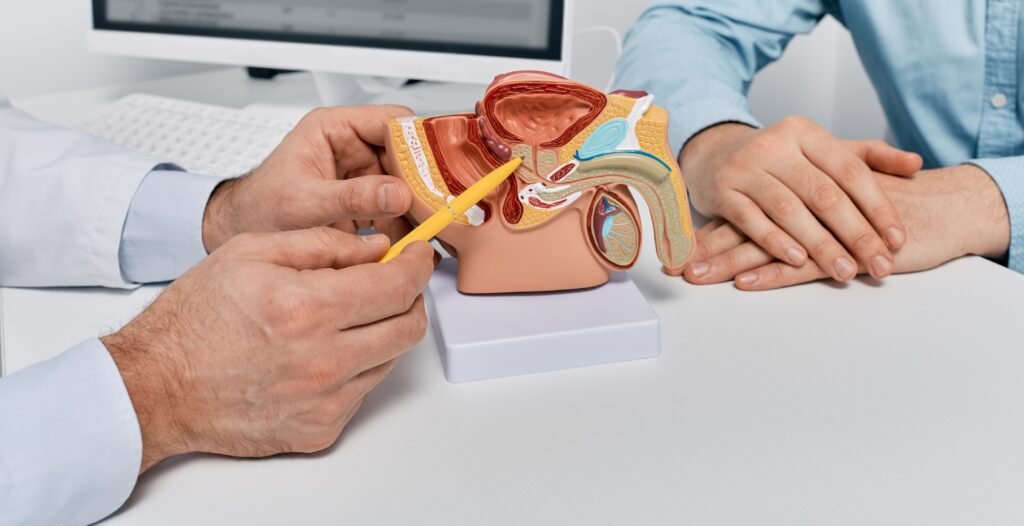
Prostate health becomes increasingly important as men grow older, yet it is often ignored until uncomfortable urinary symptoms begin interfering with sleep, work, travel, and everyday confidence. A man may first notice that his urine stream is weaker than it used to be, that it takes longer to begin urinating, or that he wakes several times during the night to use the bathroom. These changes can develop gradually, making them easy to dismiss as an unavoidable part of aging.
The prostate is a small gland located below the bladder and in front of the rectum. It surrounds part of the urethra, which is the tube that carries urine out of the body. As the prostate enlarges, it can press against the urethra and affect the normal flow of urine. A noncancerous enlargement of the prostate is known as benign prostatic hyperplasia, or BPH. It becomes more common with age and may contribute to urinary urgency, frequent urination, a weak stream, difficulty starting urination, and a feeling that the bladder has not emptied completely. (NIDDK)
Although prostate enlargement is not the same as prostate cancer, similar urinary symptoms can sometimes have different causes. Prostatitis, urinary infections, bladder conditions, medication effects, and prostate cancer may produce overlapping symptoms. For that reason, natural remedies should not be used as a substitute for an accurate medical evaluation.
The encouraging news is that prostate health can often be supported through practical lifestyle changes. A balanced diet, regular physical activity, healthy weight management, thoughtful fluid habits, improved sleep, and appropriate medical screening can all contribute to better urinary and overall health. Supplements may provide additional support in selected cases, but their benefits vary, and they should be approached realistically.
This article explains the most practical natural ways to improve prostate health, how prostate supplements may help, which popular ingredients deserve caution, and when urinary symptoms require professional medical attention.
Understanding Prostate Health
The prostate is part of the male reproductive system. It produces fluid that contributes to semen and supports sperm function. During early adulthood, the prostate is often described as being approximately the size of a walnut, although its exact size varies between individuals.
The prostate commonly grows as men age. This growth does not always cause symptoms, and prostate size does not perfectly predict how uncomfortable a person will feel. A moderately enlarged prostate may create substantial urinary problems in one man while a larger prostate produces relatively mild symptoms in another.
When enlargement begins compressing the urethra or affecting bladder function, lower urinary tract symptoms may develop. These commonly include:
- Difficulty beginning urination
- A weak or interrupted urine stream
- Dribbling after urination
- Frequent urination
- Sudden urinary urgency
- Waking repeatedly during the night to urinate
- Straining to empty the bladder
- Feeling that the bladder remains partly full
BPH is benign, which means it is not cancer. However, “benign” does not mean that the condition can always be ignored. Significant obstruction may contribute to urinary retention, recurrent infections, bladder stones, bladder damage, or kidney complications in some cases. (NIDDK)
Prostatitis is another prostate-related condition. It may cause painful urination, pelvic discomfort, urinary urgency, painful ejaculation, fever, chills, or difficulty emptying the bladder. Sudden fever, severe pain, or an inability to urinate requires prompt medical care. (NIDDK)
Natural prostate support should therefore begin with understanding the cause of the symptoms rather than assuming every urinary problem results from normal aging.
Eat More Vegetables and Plant-Based Foods
One of the most practical ways to support prostate health is to build meals around vegetables, fruits, legumes, whole grains, nuts, seeds, and other minimally processed plant foods. These foods provide fiber, vitamins, minerals, and a wide variety of naturally occurring plant compounds.
Cruciferous vegetables such as broccoli, cauliflower, cabbage, Brussels sprouts, bok choy, and kale are commonly recommended as part of a prostate-conscious diet. They contain compounds known as glucosinolates, which are converted into biologically active substances during chopping, chewing, and digestion.
Tomatoes are another popular prostate-friendly food because they contain lycopene, a red carotenoid pigment. Cooked tomato products often provide lycopene in a form that is easier for the body to absorb, particularly when eaten with a source of healthy fat. However, lycopene-rich foods should be viewed as part of a balanced eating pattern rather than as a treatment for prostate enlargement or cancer.
Berries, citrus fruits, peppers, carrots, leafy greens, beans, and lentils can add further nutritional variety. Different plant foods contain different compounds, which is why dietary diversity is more useful than concentrating on one so-called superfood.
The Urology Care Foundation recommends a pattern that includes vegetables, fruits, fish, and other nutrient-rich foods while limiting heavily processed products. It specifically identifies cruciferous vegetables as foods that may form part of a prostate-supportive diet. (Urology Health)
A plant-centered diet may also help indirectly by supporting cardiovascular health, bowel regularity, insulin sensitivity, and weight management. These factors matter because metabolic health and urinary function are closely connected.
Increase Dietary Fiber
Fiber supports bowel regularity, blood sugar management, cholesterol control, and healthy weight maintenance. It may also be helpful for men with urinary symptoms because constipation can increase pressure in the pelvic area and make bladder emptying more difficult.
Good sources of fiber include:
- Oats and other whole grains
- Beans, lentils, and peas
- Vegetables
- Berries, apples, pears, and oranges
- Nuts and seeds
- Ground flaxseed
- Avocados
Increase fiber gradually rather than making a sudden dramatic change. A rapid increase can cause bloating, gas, and abdominal discomfort. Fluid intake should also remain adequate unless a healthcare professional has advised a fluid restriction.
NIDDK recommends sufficient fiber, appropriate hydration, and regular physical activity to help prevent constipation-related urinary retention. (NIDDK)
Fiber does not shrink the prostate directly, but improving bowel function may reduce one factor that makes urinary symptoms harder to manage.
Choose Healthier Sources of Fat
The type of dietary fat a person consumes may matter more than simply following an extremely low-fat diet. A prostate-conscious eating pattern generally emphasizes unsaturated fats from fish, olive oil, nuts, seeds, and avocados while limiting excessive amounts of processed meat, fried food, and heavily refined snack products.
Fatty fish such as salmon, sardines, trout, and mackerel provide omega-3 fatty acids. These fats support cardiovascular health and contribute to an overall anti-inflammatory dietary pattern.
Nuts and seeds provide healthy fats along with fiber, minerals, and plant sterols. Pumpkin seeds are often promoted for prostate health because they contain phytosterols and other nutrients, although eating pumpkin seeds should not be expected to treat significant BPH.
Olive oil can be used in place of some butter, shortening, or heavily processed sauces. This type of substitution is more practical than simply adding large quantities of fat to an already calorie-dense diet.
An overall Mediterranean-style dietary pattern—rich in vegetables, fruit, legumes, whole grains, fish, nuts, and olive oil—may support broader metabolic and cardiovascular health. Recent research reviews continue to explore how plant-centered dietary patterns, inflammation, and metabolic health may influence prostate conditions and lower urinary tract symptoms. (PubMed)
Limit Heavily Processed Foods
Highly processed foods can make healthy weight control more difficult because they are often calorie-dense, low in fiber, and easy to overconsume. Examples include sugary drinks, packaged desserts, processed meats, fast food, and refined snack products.
A diet dominated by these foods may contribute to obesity, insulin resistance, cardiovascular disease, and chronic inflammation. These conditions do not prove that a man will develop prostate problems, but they can negatively influence overall health and may be associated with worse urinary symptoms.
Limiting processed food does not require a perfect diet. A practical approach is to replace one heavily processed meal at a time. For example, a fast-food lunch can be replaced with grilled fish or chicken, vegetables, beans, and a whole-grain side.
Processed meats such as bacon, hot dogs, sausage, and certain deli meats should be eaten less frequently. Red meat can be included in moderate portions, but it should not displace vegetables, legumes, fish, and whole grains from most meals.
The goal is not to identify one “bad” food that supposedly causes prostate disease. The goal is to create a consistent dietary pattern that supports metabolic, cardiovascular, digestive, and urinary health.
Maintain a Healthy Body Weight
Excess body weight can affect hormone signaling, inflammation, blood sugar control, sleep quality, and physical activity. Obesity is also associated with several conditions that can worsen lower urinary tract symptoms.
Weight loss does not guarantee that an enlarged prostate will shrink, but achieving a healthier weight may reduce pressure on the bladder, improve metabolic health, increase mobility, and make urinary symptoms easier to manage.
A sustainable weight-management approach combines modest calorie control with regular exercise and a nutrient-dense diet. Extreme diets are rarely necessary and are difficult to maintain. Gradual weight loss is generally more realistic than attempting to change everything at once.
Useful strategies include:
- Eating protein and vegetables at most meals
- Reducing liquid calories
- Limiting oversized portions
- Planning meals before becoming extremely hungry
- Choosing high-fiber foods
- Walking regularly
- Strength training several times per week
- Monitoring progress without becoming obsessive
Men with diabetes, cardiovascular disease, or significant obesity may benefit from working with a physician or registered dietitian. Treating metabolic conditions can improve overall health and may reduce some factors associated with urinary difficulties.
Exercise Regularly
Regular physical activity is one of the strongest natural habits for supporting whole-body health. Exercise helps with weight management, circulation, insulin sensitivity, mood, sleep, bowel regularity, and cardiovascular fitness.
Research reviews have found an inverse association between physical activity and the risk of BPH or lower urinary tract symptoms. While exercise cannot be guaranteed to prevent prostate enlargement, the broader evidence supports staying physically active as part of a prostate-health strategy. (PubMed)
A balanced weekly routine can include:
- Brisk walking
- Cycling
- Swimming
- Light jogging
- Resistance training
- Mobility exercises
- Recreational sports
Men who have been inactive should begin gradually. Even a daily 20- to 30-minute walk can be valuable. The most useful form of exercise is one that can be continued consistently.
Long periods of uninterrupted sitting should also be reduced. Standing, stretching, or walking briefly every hour can help maintain movement throughout the day.
Some men find that very long cycling sessions increase pelvic discomfort. This does not mean cycling is universally harmful to the prostate, but people experiencing pain or numbness may need a properly fitted bicycle seat, padded clothing, shorter sessions, or an alternative activity.
Practice Better Fluid Timing
Drinking enough fluid is important for health, but the timing and type of fluid can influence urinary symptoms.
Men who wake repeatedly during the night may benefit from reducing fluid intake during the two to three hours before bedtime. This does not mean becoming dehydrated throughout the day. It means consuming more fluids earlier and reducing unnecessary evening drinking.
NIDDK advises that men with BPH symptoms may benefit from drinking fewer liquids before going out or before bed. (NIDDK)
Large quantities of fluid consumed at once can increase urgency. Sipping fluids more evenly throughout the day may be more comfortable than drinking several large glasses in a short period.
People with kidney disease, heart failure, kidney stones, or medically prescribed fluid restrictions should follow individualized advice from their healthcare provider.
Reduce Caffeine and Alcohol When They Worsen Symptoms
Caffeine and alcohol can increase urine production and irritate the bladder in some people. Coffee, tea, energy drinks, cola, and certain pre-workout products may worsen urgency, frequency, or nighttime urination.
Alcohol can also increase urine output and disrupt sleep. A man may wake because of alcohol-related sleep fragmentation and then notice that he needs to urinate, even when bladder volume is not the only cause of the awakening.
It is not always necessary to eliminate caffeine or alcohol completely. A practical method is to reduce intake for two to three weeks and observe whether symptoms change.
Consider:
- Switching afternoon coffee to a caffeine-free drink
- Avoiding energy drinks
- Reducing alcohol near bedtime
- Choosing smaller serving sizes
- Alternating alcoholic drinks with water
- Tracking nighttime bathroom visits
NIDDK notes that avoiding or reducing caffeinated and alcoholic beverages may help some men manage lower urinary tract symptoms. (NIDDK)
Do Not Hold Urine for Excessively Long Periods
Regularly ignoring the urge to urinate can lead to discomfort and may make bladder habits less predictable. Men with prostate enlargement sometimes wait because they are busy, traveling, or worried about finding a bathroom. This can make urgency feel more intense later.
At the same time, going to the bathroom repeatedly “just in case” can train some people to respond to very small bladder volumes. A balanced schedule is usually preferable.
Take enough time to empty the bladder without rushing or straining. Some men find that double voiding is helpful: they urinate, wait briefly, relax, and try again. This may reduce the feeling that urine remains in the bladder, although it does not correct significant obstruction.
NIDDK recommends taking enough time to empty the bladder and practicing healthy bathroom habits. (NIDDK)
If bladder emptying consistently feels incomplete, medical evaluation is important. Chronic urinary retention can occur without severe pain.
Review Medications That May Worsen Urinary Symptoms
Some common medications can make urination more difficult. Decongestants containing ingredients such as pseudoephedrine or phenylephrine may tighten muscles around the bladder outlet. Some antihistamines, antidepressants, anticholinergic medications, and other drugs may also affect bladder emptying.
This does not mean that prescribed medication should be stopped independently. Instead, bring a complete medication and supplement list to a physician or pharmacist and ask whether any products may be contributing to urinary symptoms.
Over-the-counter cold and allergy products are easy to overlook because many people do not consider them medications. Read labels carefully, especially if symptoms worsen during cold or allergy treatment.
NIDDK specifically notes that certain medicines, including decongestants, may contribute to urinary retention in men with prostate problems. (NIDDK)
Improve Sleep and Address Sleep Apnea
Nighttime urination is often assumed to be caused entirely by the prostate, but sleep problems can play an important role. A person who wakes because of insomnia, stress, alcohol, pain, or sleep apnea may decide to urinate simply because he is already awake.
Obstructive sleep apnea can also affect nighttime urine production through changes in oxygen levels, hormones, and cardiovascular pressure. Men who snore loudly, stop breathing during sleep, wake with headaches, or feel excessively sleepy during the day should discuss sleep apnea screening with a healthcare professional.
Improving sleep hygiene may reduce some nighttime awakenings. Helpful habits include:
- Maintaining a regular sleep schedule
- Reducing late-evening alcohol
- Limiting caffeine later in the day
- Keeping the bedroom dark and quiet
- Reducing screen exposure before bed
- Treating persistent nasal obstruction
- Seeking help for suspected sleep apnea
Addressing sleep will not necessarily treat an enlarged prostate, but it can improve quality of life and clarify how much of the nighttime problem is truly urinary.
Manage Stress and Pelvic Tension
Stress can increase muscle tension, heighten awareness of discomfort, interfere with sleep, and make urinary urgency feel more difficult to control. Men with chronic pelvic pain or prostatitis-like symptoms may unconsciously tighten the muscles around the pelvic floor.
Stress-management methods can include breathing exercises, walking, stretching, meditation, counseling, and planned periods of relaxation.
Pelvic floor therapy may be helpful for selected men, particularly when pain, muscle tightness, urgency, or poor urinary coordination is present. However, pelvic floor exercises should be individualized. Repeatedly tightening already tense muscles may worsen discomfort in some people.
A pelvic-floor physical therapist can determine whether strengthening, relaxation, coordination training, or another approach is most appropriate.
Stress reduction should not be presented as proof that symptoms are psychological. Prostate and bladder conditions are physical problems, but stress can influence how strongly they are experienced.
Stop Smoking
Smoking harms blood vessels, increases oxidative stress, and contributes to several cancers and cardiovascular diseases. Stopping smoking is one of the most important health decisions a person can make, even though its specific effect on BPH symptoms may vary.
Better cardiovascular function supports circulation throughout the body, including the pelvic region. Smoking cessation may also improve surgical outcomes if a prostate procedure is eventually needed.
Men who have difficulty stopping can discuss nicotine-replacement therapy, prescription medications, counseling, or structured cessation programs with a healthcare professional.
The most effective strategy often combines behavioral support with appropriate medication rather than relying on willpower alone.
How Can Prostate Supplements Help?
Prostate supplements are generally marketed to support urinary flow, reduce nighttime bathroom visits, promote normal prostate size, or maintain healthy inflammatory responses. They often contain botanical extracts, plant sterols, minerals, antioxidants, or combinations of several ingredients.
A supplement may help by providing a standardized amount of a compound that would be difficult to obtain consistently through food. Some ingredients may influence smooth-muscle tension, hormone metabolism, inflammatory pathways, or bladder function.
However, the supplement category has important limitations. Many products have not been tested as complete formulas in high-quality clinical trials. An ingredient may have some research behind it while the actual bottle contains a different dose, a poorly standardized extract, or an undisclosed blend.
Supplements should therefore be viewed as possible supportive tools rather than guaranteed treatments. They are most appropriate when:
- A healthcare professional has evaluated the symptoms
- Serious causes have been excluded
- The ingredient list is transparent
- The doses are clearly disclosed
- The manufacturer follows appropriate quality standards
- The supplement does not interact with medications
- The buyer has realistic expectations
No supplement should be used to delay evaluation of blood in the urine, fever, severe pelvic pain, urinary retention, or rapidly worsening symptoms.
Saw Palmetto
Saw palmetto is one of the most recognizable prostate-supplement ingredients. It is derived from the berries of the Serenoa repens plant and is marketed primarily for urinary symptoms associated with BPH.
Earlier and smaller studies produced mixed or modestly positive findings, which helped establish its popularity. However, larger and better-controlled research has generally been less encouraging.
The National Center for Complementary and Integrative Health reports that a 2023 review of 27 studies found that saw palmetto used alone provided little or no benefit for BPH symptoms. NCCIH also notes that large studies and systematic reviews have found it no more effective than placebo for urinary symptoms related to BPH. (NCCIH)
Saw palmetto appears to be tolerated reasonably well by many users, with digestive discomfort among the possible side effects. It does not appear to significantly alter PSA readings, but men should still tell their healthcare provider that they are taking it. (NCCIH)
The responsible conclusion is that saw palmetto may help some individuals subjectively, but current evidence does not support presenting it as a dependable treatment for BPH.
Beta-Sitosterol
Beta-sitosterol is a plant sterol found naturally in vegetables, nuts, seeds, and vegetable oils. Concentrated beta-sitosterol is included in many prostate formulas.
Some studies have suggested that beta-sitosterol may improve urinary symptom scores and urine-flow measurements in men with BPH. However, evidence that it reduces prostate size or prevents progression is less convincing.
The quality and dose of beta-sitosterol vary among supplements. It may also cause digestive discomfort in some users.
Because plant sterol products can affect cholesterol absorption and may overlap with other supplements or fortified foods, consumers should review their complete intake with a healthcare professional.
Beta-sitosterol may be one of the more reasonable ingredients to discuss with a doctor for mild urinary symptoms, but it should not be expected to cure obstruction.
Pygeum Africanum
Pygeum is derived from the bark of the African cherry tree, Prunus africana. It has been used in European and traditional herbal preparations for urinary symptoms.
Some older studies reported improvements in nighttime urination, urinary frequency, and urine flow. However, many trials were relatively short, small, or conducted with products that may not match those currently sold.
Pygeum may cause nausea, stomach discomfort, constipation, or diarrhea. Its long-term effectiveness and ideal dose remain uncertain.
Sustainability is also a concern because commercial bark harvesting has placed pressure on wild tree populations. Consumers interested in pygeum should choose products that provide credible information about responsible sourcing.
Pumpkin Seed and Pumpkin Seed Oil
Pumpkin seeds contain plant sterols, fatty acids, antioxidants, zinc, and other nutrients. Pumpkin seed oil and pumpkin seed extract are commonly included in prostate-support formulas.
Some studies have suggested improvements in urinary symptom scores, but research is not strong enough to describe pumpkin seed products as established BPH treatments.
Whole pumpkin seeds can still be a nutritious addition to the diet. They provide protein, fiber, magnesium, and healthy fats. Eating them as part of a balanced diet is different from taking concentrated extracts.
People should be cautious about assuming that a high-dose pumpkin seed supplement is automatically more beneficial than the food itself.
Lycopene
Lycopene is an antioxidant carotenoid found in tomatoes, watermelon, pink grapefruit, and certain other red or pink foods. It is widely promoted for prostate health.
Eating lycopene-rich foods can be part of a healthy dietary pattern, but evidence is insufficient to conclude that lycopene supplements prevent or treat an enlarged prostate. NCCIH specifically states that evidence is insufficient to support lycopene for preventing or treating BPH. (NCCIH)
Food sources may offer advantages because they provide lycopene alongside fiber, vitamins, minerals, and other beneficial plant compounds.
High-dose antioxidant supplementation is not always harmless, and more is not necessarily better. Lycopene supplements should not be used as a substitute for medical screening or a balanced diet.
Zinc
The prostate contains relatively high concentrations of zinc, which has led to widespread marketing of zinc supplements for male and prostate health.
Zinc is essential for immune function, DNA synthesis, wound healing, and normal cellular activity. Men who are genuinely deficient may benefit from correcting the deficiency.
However, high-dose zinc should not be taken indefinitely without guidance. Excessive zinc can cause nausea, interfere with copper absorption, and potentially contribute to anemia or neurological problems. It can also interact with certain antibiotics and medications.
A supplement should not be used simply because prostate tissue normally contains zinc. The appropriate amount depends on total dietary intake and individual health needs.
Food sources include oysters, meat, poultry, beans, nuts, seeds, and fortified cereals.
Vitamin D
Vitamin D supports bone health, immune function, muscle performance, and many other biological processes. Low vitamin D levels are common in people with limited sun exposure, darker skin, malabsorption, older age, or certain medical conditions.
Some research has explored relationships between vitamin D status and BPH, but vitamin D should not be marketed as a direct treatment for prostate enlargement.
The most rational approach is to correct a confirmed deficiency rather than taking extremely high doses in the hope of shrinking the prostate.
Vitamin D can accumulate in the body, and excessive supplementation may cause elevated calcium levels, kidney stones, or other complications. A blood test and professional advice can help determine whether supplementation is appropriate.
How to Choose a Prostate Supplement Safely
A well-marketed label does not guarantee a high-quality supplement. Before purchasing, check whether the manufacturer discloses every active ingredient and its exact quantity.
Avoid proprietary blends that hide most of the formula behind one combined number. Without individual doses, it is impossible to compare the product with clinical research or identify potentially excessive amounts.
Look for:
- A complete Supplement Facts panel
- Clear serving instructions
- Specific botanical names
- Extract standardization when relevant
- Lot and expiration information
- Manufacturer or distributor contact details
- Independent testing when available
- Realistic claims
- Clear safety warnings
Be cautious when a product promises to reverse prostate enlargement permanently, cure prostate cancer, eliminate all nighttime urination, or replace prescription treatment. These are not responsible supplement claims.
Also review the “other ingredients” section for allergens, unnecessary stimulants, or substances that may conflict with dietary restrictions.
A pharmacist can help evaluate interactions, particularly for men using blood thinners, diabetes medication, blood-pressure drugs, hormone therapy, or medications for urinary symptoms.
When Supplements Should Not Replace Medical Care
Natural approaches may be useful for mild, stable symptoms, but some situations require timely medical attention.
Seek urgent care if you:
- Cannot urinate at all
- Have fever or chills with urinary symptoms
- See significant blood in the urine
- Have severe lower abdominal or pelvic pain
- Experience vomiting with urinary difficulty
- Develop confusion or severe weakness
- Have intense back or side pain
Schedule a medical appointment if urinary symptoms are persistent, worsening, disrupting sleep, affecting daily life, or accompanied by pain.
A clinician may use a medical history, physical examination, urine testing, blood tests, symptom questionnaires, bladder measurements, or other assessments to determine the cause.
Medical treatment does not always mean surgery. Depending on the condition, options may include watchful waiting, lifestyle changes, prescription medications, minimally invasive procedures, or surgery.
Supplements can sometimes be used alongside medical care, but the treating clinician should know exactly what is being taken.
A Practical Daily Prostate-Health Routine
A sustainable prostate routine does not need to be complicated. A practical day might include a fiber-rich breakfast, vegetables with lunch and dinner, regular water intake earlier in the day, and reduced fluid consumption near bedtime.
Include at least 20 to 30 minutes of movement on most days. Break up long periods of sitting and include resistance exercise several times per week when physically appropriate.
Reduce excessive caffeine, particularly after lunch, and observe whether alcohol worsens nighttime urination. Avoid constipation by eating enough fiber and remaining active.
Take time to empty the bladder without straining. Review medications with a pharmacist if urinary symptoms begin after starting a new drug or over-the-counter cold product.
Use supplements only after checking the evidence, dosage, safety, and possible interactions. Track symptoms rather than relying on vague impressions. Note nighttime bathroom visits, stream strength, urgency, and the feeling of incomplete emptying.
Most importantly, attend appropriate medical appointments and discuss any meaningful change in urinary or sexual function.
Final Thoughts
Natural prostate care is most effective when it focuses on overall health rather than searching for one miracle food or herbal ingredient. A balanced plant-centered diet, regular exercise, healthy weight management, adequate fiber, improved sleep, and thoughtful fluid timing can support urinary comfort and long-term wellness.
These habits may help reduce symptom burden, but they do not guarantee that prostate enlargement will disappear. BPH, prostatitis, bladder disorders, urinary infections, and prostate cancer require different forms of evaluation and treatment.
Supplements may provide additional support for selected men, but the evidence is mixed. Saw palmetto remains popular despite high-quality studies showing little or no meaningful benefit compared with placebo. Ingredients such as beta-sitosterol, pygeum, pumpkin seed, lycopene, zinc, and vitamin D may have specific roles, but none should be presented as a universal cure.
The safest strategy is to start with proven lifestyle foundations, evaluate symptoms medically, and use supplements only when the formula is transparent and compatible with your health needs.
Prostate health should never be managed through fear or exaggerated promises. Pay attention to your body, make sustainable changes, and seek professional guidance when symptoms persist or worsen.
Disclaimer
This article is for general educational purposes and is not medical advice. Dietary supplements are not intended to diagnose, treat, cure, or prevent disease. Speak with a qualified healthcare professional before starting a supplement, particularly if you take medication, have a medical condition, are preparing for surgery, or are experiencing persistent urinary symptoms.
References
- National Institute of Diabetes and Digestive and Kidney Diseases: Enlarged Prostate—Benign Prostatic Hyperplasia
- National Institute of Diabetes and Digestive and Kidney Diseases: Prostate Problems
- National Institute of Diabetes and Digestive and Kidney Diseases: Prostatitis
- National Institute of Diabetes and Digestive and Kidney Diseases: Preventing Urinary Retention
- National Institute of Diabetes and Digestive and Kidney Diseases: The Urinary Tract and How It Works
- Urology Care Foundation: What Can I Eat for Prostate Health?
- Urology Care Foundation: Benign Prostatic Hyperplasia
- National Center for Complementary and Integrative Health: Saw Palmetto—Usefulness and Safety
- National Center for Complementary and Integrative Health: Complementary Approaches for Benign Prostatic Hyperplasia
- National Center for Complementary and Integrative Health: Men’s Health
- PubMed: Review of Exercise and the Risk of Benign Prostatic Hyperplasia
- PubMed: Benign Prostatic Hyperplasia and Nutrition
- PubMed: Nutrition and Benign Prostatic Hyperplasia
- PubMed: Integrative Approaches to Prostate Disease Management
- PubMed: Impact of Lifestyle and the Microbiome on Male Lower Urinary Tract Symptoms