

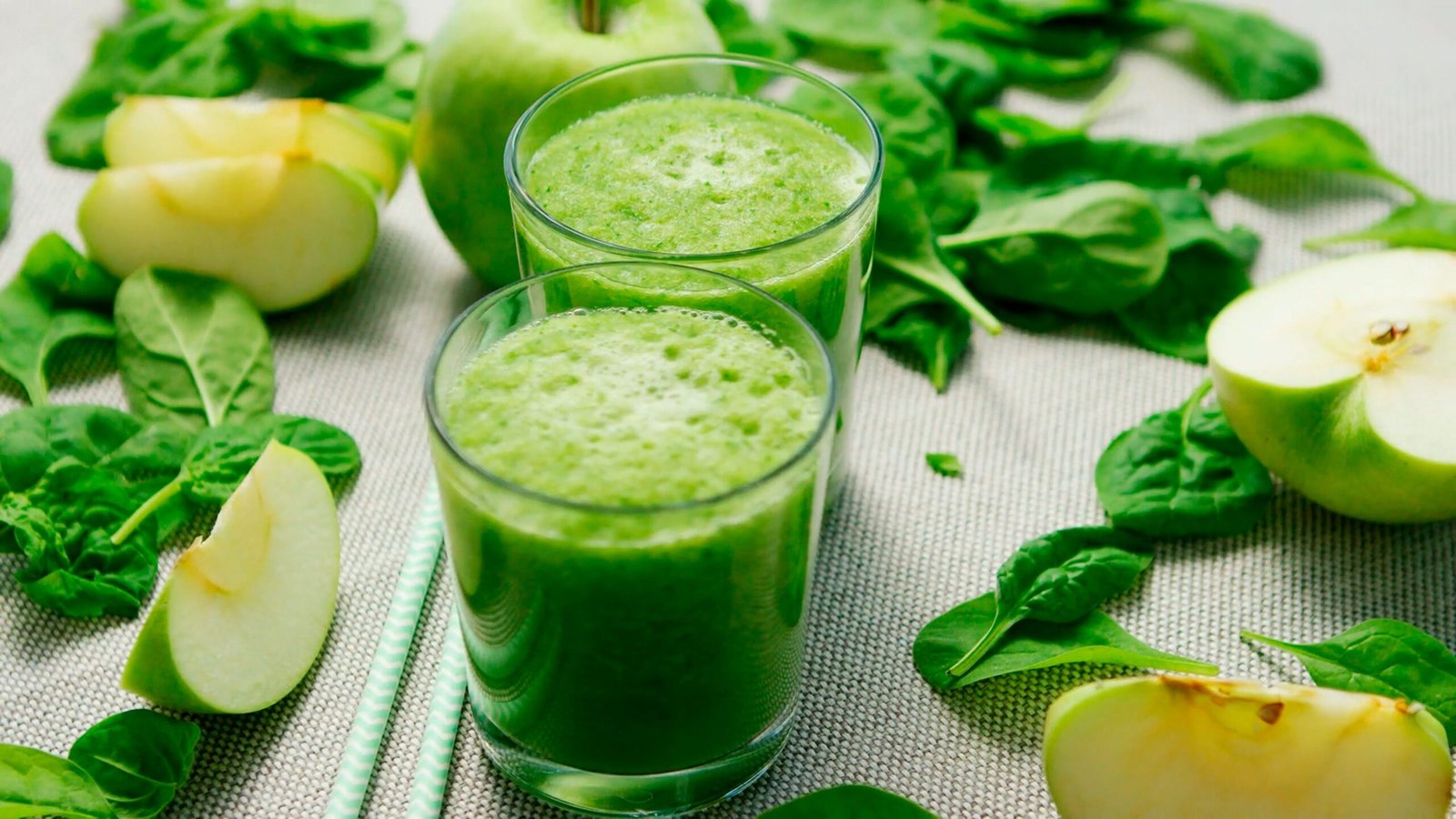
I have seen more “fat-burning smoothie” recipes online than I could possibly count, and many of them follow the same frustrating pattern. A handful of ingredients are thrown into a blender, something spicy or green is added, and suddenly the drink is described as if it can switch on a hidden fat-burning mode inside the body. As appealing as that sounds, real weight loss does not work that way. No strawberry, spoonful of chia seeds, sprinkle of cinnamon, or cup of green tea can independently force the body to burn away stored fat.
That does not mean I think a fat-burning weight loss smoothie is useless. Quite the opposite. When I build one properly, I see it as a practical nutritional tool rather than a miracle drink. A well-designed smoothie can give me plenty of protein, fiber, fruit, micronutrients, and volume without turning breakfast into a 700-calorie dessert disguised as health food. More importantly, it can make staying satisfied between meals easier, which is where I think a good weight-loss smoothie earns its place.
My approach is therefore fairly simple. I want enough protein to make the drink feel like an actual meal, enough fiber to add staying power, controlled portions of calorie-dense ingredients, and mostly whole or minimally processed foods. I may include ingredients such as green tea or matcha that have some research behind their effects on metabolism, but I treat those effects as small bonuses rather than the foundation of the recipe. The real goal is to create a smoothie that fits comfortably into a sustainable eating pattern I could realistically follow for months rather than something I would tolerate for three miserable days.
What “Fat-Burning” Really Means When I Talk About a Smoothie
Whenever I use the phrase “fat-burning smoothie,” I think it is important to explain what I actually mean. For the body to lose a meaningful amount of stored fat over time, energy intake generally has to remain below energy expenditure. The National Institute of Diabetes and Digestive and Kidney Diseases explains that adults trying to lose weight typically need to reduce calorie intake while combining that change with a healthy eating pattern and physical activity. The NIH also provides a personalized Body Weight Planner for understanding the relationship between calorie intake, physical activity, and weight change. NIDDK — Eating & Physical Activity to Lose or Maintain Weight and NIDDK — Body Weight Planner.
This is why I do not expect one ingredient to override the rest of my diet. If I drink a 350-calorie smoothie but it replaces a 700-calorie breakfast that used to leave me hungry again two hours later, the smoothie may be extremely useful. If I drink that same smoothie in addition to my regular breakfast, however, I have simply added hundreds of calories to my day. Context matters far more than the marketing language attached to individual foods.
There are ingredients that can influence appetite, thermogenesis, digestion, or energy expenditure to some degree. Protein is particularly interesting because controlled research has repeatedly examined its relationship with fullness and appetite. One systematic review involving people with overweight or obesity found that higher-protein diets often increased feelings of fullness or satiety, although the researchers also emphasized limitations in the evidence. Another systematic review and meta-analysis found that higher protein intake reduced hunger while increasing fullness and satiety in controlled trials. PubMed — Dietary Protein and Appetite Sensations in Overweight and Obesity and PubMed — Protein Consumption, Appetite and Appetite-Regulating Hormones.
For me, that is a much more believable definition of a fat-burning smoothie. I am not trying to make fat disappear directly; I am trying to create dietary conditions that make losing body fat easier to sustain. That distinction may sound less exciting than promising a flat stomach in a week, but it is considerably more useful in the real world.
The Fat-Burning Weight Loss Smoothie I Would Actually Make
When I make a smoothie specifically with weight management in mind, I avoid the temptation to throw every supposedly healthy ingredient in the kitchen into the blender. Nut butter, dates, coconut milk, granola, honey, avocado, protein powder, oats, chia seeds, and fruit can all have nutritional value, but combining all of them can create an extraordinarily calorie-dense drink. My goal is not to create the healthiest-looking smoothie on social media. My goal is to create a satisfying meal with a sensible calorie budget.
The version below is intentionally balanced rather than extreme. Berries provide sweetness and fiber without requiring juice or syrup, Greek yogurt supplies concentrated protein, chia contributes fiber and texture, spinach increases the volume and nutrient density, and unsweetened soy milk creates a smoother consistency while adding some additional protein. I sometimes include cinnamon, ginger, or a small amount of matcha for flavor, but I do not depend on them to produce weight loss.
For one serving, this is the basic formula I use:
- 1 cup mixed berries: Fresh or frozen strawberries, blueberries, raspberries, or blackberries work well. I especially like frozen berries because they create a thick texture without requiring much ice.
- ¾ cup plain nonfat or low-fat Greek yogurt: I choose an unsweetened variety with a solid protein content rather than flavored yogurt containing a large amount of added sugar.
- ½ to 1 cup unsweetened soy milk: The exact amount depends on how thick I want the smoothie. Unsweetened dairy milk can also work if preferred.
- 1 tablespoon chia seeds: This is enough to contribute fiber and texture without turning the smoothie into a calorie-heavy seed drink.
- 1 generous handful of spinach: The flavor virtually disappears behind the berries, particularly when frozen fruit is used.
- ½ teaspoon cinnamon and a small piece of fresh ginger: Both are optional. I mainly use them because they make the smoothie taste brighter and more interesting.
- Ice and water as needed: These allow me to increase volume without adding meaningful calories.
- Optional ½ teaspoon culinary matcha: I use this only when I want a mild caffeine boost and enjoy the flavor. It is not necessary for the smoothie to work as part of a weight-management diet.
Depending on the exact yogurt, milk, berries, and serving sizes I use, the finished smoothie generally lands somewhere around the neighborhood of 300 calories, with roughly 20–30 grams of protein and a meaningful amount of fiber. I still check the nutrition labels on my actual ingredients because brands differ considerably. The numbers are less important to me than the structure: substantial protein, whole fruit, fiber, reasonable calories, and very little added sugar.
Why I Built the Smoothie Around Protein and Fiber
If I had to choose the two nutritional features that matter most to me in a weight-loss smoothie, I would choose protein and fiber long before exotic “fat-burning” ingredients. Protein has an obvious nutritional role in maintaining and repairing body tissues, but from a weight-management perspective, its relationship with appetite is especially useful. A drink that contains only fruit, juice, and ice can taste refreshing while doing surprisingly little to keep me satisfied through the morning.
Researchers have looked closely at this effect. A systematic review published in Physiology & Behavior analyzed randomized controlled trials examining protein consumption and appetite. Across acute interventions, protein was associated with lower hunger and greater fullness and satiety. A separate systematic review examining individuals with overweight and obesity found that several studies reported greater fullness following higher protein intake. None of this means that adding protein automatically produces weight loss, but it helps explain why I prefer a smoothie containing Greek yogurt, soy milk, or another meaningful protein source rather than one based almost entirely on fruit. PubMed — Dietary Protein and Appetite Sensations.
Fiber matters for a related reason. Different fibers behave differently in the digestive system, so I do not treat “fiber” as one magical substance. A systematic review of randomized controlled trials found that some more viscous fibers were more likely to reduce appetite than less viscous types, although the effects on energy intake and body weight were generally modest. That is exactly the level of expectation I bring to chia seeds, berries, vegetables, oats, and similar foods. Fiber helps me build a more satisfying diet; I do not expect it to cancel out excessive calorie intake. PubMed — Dietary Fibre, Appetite, Energy Intake and Body Weight.
There is also a practical advantage that matters just as much to me as the physiology. Protein and fiber make the smoothie feel like food rather than flavored liquid. The thicker texture encourages slower drinking, and I am much less tempted to reach for another breakfast immediately afterward. I still pay attention to my total daily intake, but beginning the day with something substantial is considerably easier for me than trying to survive on a glass of juice and willpower.
What Each Ingredient Is Really Doing
Mixed berries are one of my favorite smoothie ingredients because they give me sweetness, color, fiber, water, and a variety of plant compounds without requiring refined sugar. Berries contain anthocyanins and other polyphenols that have attracted substantial research interest. A recent systematic review and meta-analysis examining randomized controlled trials found small improvements in some body-composition measures with berry interventions, although not every measurement changed significantly. I would never interpret that as proof that blueberries burn belly fat, but it gives me another reason to prefer whole berries over spoonfuls of sugar or flavored syrup. PubMed — Dietary Intervention With Berries and Anthropometric Indices.
Greek yogurt and soy milk are doing much of the heavy lifting when it comes to protein. This is an important point because people often focus on visually exciting ingredients such as berries, spinach, ginger, and cinnamon while overlooking the nutritional backbone of the drink. If my smoothie needs to keep me satisfied until lunch, I want to see enough protein that I can reasonably consider it part of a meal. Depending on someone’s dietary preferences, dairy-free alternatives such as higher-protein soy yogurt or a suitable protein powder can serve the same general purpose.
Chia seeds contribute fiber along with some fat and protein, while spinach adds volume and micronutrients for very few calories. I intentionally keep chia to around a tablespoon rather than pouring it freely from the bag. Seeds are nutritious, but they are still energy-dense foods. The same portion awareness applies to nut butter, nuts, avocado, oats, coconut, and other smoothie ingredients that are easy to underestimate simply because they have a healthy reputation.
Cinnamon and ginger are primarily there because I enjoy them. They make a berry smoothie more interesting without requiring sugary syrups. This is one of the lessons I have learned from making lower-calorie meals repeatedly: flavor matters enormously. A nutritionally perfect smoothie that tastes like wet spinach will not remain part of my routine for very long.
My Smoothie Versus the Typical “Healthy” Smoothie
One of the easiest mistakes I see is assuming that anything blended from natural ingredients must automatically be appropriate for weight loss. That can be misleading because smoothies make it remarkably easy to combine several calorie-dense foods into something that takes only a few minutes to drink. A tablespoon here and half an avocado there may not look substantial once everything has been pulverized.
The comparison below shows how I think about the issue. These are general examples rather than rigid nutritional calculations because exact calories and macronutrients depend on brands and portions. The purpose is to illustrate the structure of a weight-management smoothie, not declare certain foods good or bad.
| Smoothie Factor | My Weight-Loss Approach | Common High-Calorie Approach | Why It Matters to Me |
|---|---|---|---|
| Liquid base | Unsweetened soy milk, low-fat milk, water, or ice | Fruit juice, sweetened plant milk, coconut milk | Keeps unnecessary liquid calories under control |
| Fruit | About 1 cup of whole berries | Several bananas plus mango, dates, and juice | Whole fruit is useful, but portions still count |
| Protein | Greek yogurt, soy yogurt, milk, or measured protein source | Little or no protein | Protein may improve fullness and satiety |
| Fiber | Berries, chia, vegetables, optional oats | Mostly strained juice or low-fiber liquid ingredients | Fiber can contribute to appetite control |
| Added sweeteners | Usually none | Honey, maple syrup, agave, flavored yogurt | Easy source of additional calories |
| Calorie-dense extras | Carefully measured | Nut butter, nuts, seeds, coconut and avocado together | Healthy foods can still produce a very high-calorie drink |
| Main purpose | Meal or planned snack | Added on top of normal meals | Replacement versus addition can make a major calorie difference |
I am not saying that the ingredients in the middle column are unhealthy. I enjoy bananas, mangoes, avocado, nut butter, oats, and coconut. The problem appears when I accidentally combine enough individually nutritious ingredients to build a smoothie containing as many calories as a large restaurant meal. For someone deliberately trying to gain weight, that could be useful. For me, when the goal is fat loss, it may work directly against what I am trying to accomplish.
The distinction I care about is nutrient density plus calorie awareness. Weight loss does not require me to choose the lowest-calorie food available every time, nor do I need to fear healthy fats or carbohydrates. I simply need the smoothie to fit into the larger energy balance of my diet. NIDDK’s weight-management guidance similarly emphasizes a sustainable healthy eating pattern that includes fruits, vegetables, whole grains, dairy or fortified alternatives, and varied sources of protein while reducing calorie intake when weight loss is the goal. NIDDK — Eating & Physical Activity to Lose or Maintain Weight.
Does Green Tea or Matcha Actually Make It More “Fat-Burning”?
Green tea is probably the ingredient people will most strongly associate with the “fat-burning” part of this recipe. Green tea naturally contains catechins and caffeine, and both have been studied in relation to metabolism and body weight. Older meta-analyses have found statistically significant reductions in body weight associated with green tea catechins, particularly when combined with caffeine, although the size of the effect was modest. One systematic review examining green tea catechins with or without caffeine explicitly concluded that the clinical significance of the reductions was modest at best. PubMed — Green Tea Catechins With or Without Caffeine and Anthropometric Measures.
The National Center for Complementary and Integrative Health gives what I consider a sensible interpretation of the evidence. NCCIH notes that green tea catechins and caffeine may have a modest effect on body weight, but the effect can depend on the product and individual factors. That is exactly why I am comfortable adding a small amount of matcha or drinking unsweetened green tea alongside the smoothie while refusing to describe it as a shortcut. NCCIH — Green Tea: Usefulness and Safety.
I also make a strong distinction between drinking ordinary green tea and taking concentrated “fat burner” supplements. NCCIH reports that green tea consumed as a beverage has not raised the same safety concerns seen with certain concentrated extracts, while uncommon cases of liver injury have been reported primarily with extract products. I therefore have no interest in turning this recipe into a supplement cocktail. A normal food-and-beverage approach is more consistent with what I am trying to accomplish: sustainable nutrition rather than aggressive stimulation.
How I Would Use This Smoothie for Weight Loss
The biggest practical rule I follow is to decide what job the smoothie is supposed to perform before I make it. If it is breakfast, I build it to function as breakfast. That means sufficient protein, adequate volume, and ingredients that keep me satisfied. If it is merely a snack, I make a smaller version. What I try not to do is eat a complete breakfast and then drink another 300-calorie smoothie because the second item happens to contain spinach.
I also pay attention to what happens several hours after I drink it. A smoothie can look perfect in a nutrition app but still be poorly suited to me personally if I am ravenously hungry an hour later. If that happens, I would first look at protein, fiber, overall calories, and whether I am drinking the smoothie too quickly. I may increase Greek yogurt, add a little more chia, or pair the smoothie with something I have to chew rather than simply doubling the fruit.
Most importantly, I think of the smoothie as one component of the day rather than a standalone weight-loss program. I still need balanced lunches and dinners, reasonable portions, enough sleep, regular physical activity, and an eating pattern I can maintain. NIDDK’s guidance on weight management emphasizes sustainable dietary changes and physical activity rather than isolated tricks, and that approach makes much more sense to me than expecting one breakfast recipe to compensate for everything else I eat. NIDDK — Weight Management & Healthy Living Tips.
Mistakes I Avoid When Making a Weight Loss Smoothie
The first mistake I avoid is automatically adding fruit juice. Whole fruit and fruit juice are not nutritionally identical in practice, and juice can add calories quickly without giving the smoothie the same structure that whole berries provide. I would rather blend actual berries with an unsweetened liquid base and keep the fruit’s natural texture and fiber in the recipe.
The second mistake is treating every nutritious ingredient as if calories no longer apply. Peanut butter, almond butter, cashews, seeds, granola, coconut, avocado, dates, honey, and oats can all fit into a healthy diet. I simply do not need large portions of all of them in one drink when reducing energy intake is one of my goals.
A few habits make the biggest difference for me:
- I measure calorie-dense additions. Nut butter, seeds, oats, dates, and similar ingredients get an actual spoon or measuring cup rather than a generous guess.
- I avoid turning sweetness into the priority. If berries and yogurt are not sweet enough, I would rather gradually adjust my palate than transform the smoothie into a milkshake with honey, syrup, sweetened yogurt, and juice.
- I never assume “detox” ingredients cancel calories. Lemon, ginger, apple cider vinegar, parsley, cayenne, or spinach cannot erase an oversized diet.
- I watch portions of protein powders too. Protein is useful, but adding multiple scoops simply because protein is associated with satiety can produce an unnecessarily large meal.
The third mistake is expecting immediate scale changes to reveal whether the smoothie is “working.” Body weight fluctuates for many reasons, including fluid balance, carbohydrate intake, sodium, gastrointestinal contents, and hormonal changes. I find it far more useful to evaluate the overall trend across weeks while also paying attention to hunger, energy, consistency, and how comfortably I can maintain the eating pattern.
How I Customize the Recipe Without Ruining Its Purpose
One reason I like this basic smoothie formula is that I can change the flavor dramatically without changing the fundamental structure. Strawberries can become blueberries, raspberries, or a mixed-berry combination. Spinach can be replaced with a small amount of kale. Greek yogurt can be swapped for an appropriate soy alternative, and soy milk can become dairy milk if that better suits my diet.
When I want something more substantial after exercise, I might add a modest portion of oats or a small banana. On a lower-activity morning when lunch is only a few hours away, I may keep the original lighter version. This flexibility matters because a useful weight-loss meal should adapt to the rest of my life rather than forcing the rest of my life to adapt to it.
I also adjust the flavor before I reach for sweeteners. Vanilla, cinnamon, ginger, unsweetened cocoa powder, citrus zest, mint, or a small amount of coffee can radically change the character of a smoothie. Frozen fruit helps enormously because it produces a thick, almost dessert-like consistency. Sometimes simply making the smoothie colder and thicker makes it feel more satisfying without adding anything substantial.
The one thing I try to preserve across variations is the balance between protein, fiber, produce, and total calories. Those are the structural elements that make the recipe useful to me. Everything else is flexible.
Why I Do Not Recommend a Smoothie-Only Weight Loss Diet
Whenever smoothies become associated with weight loss, it is only a matter of time before someone turns the idea into a seven-day cleanse or a plan in which nearly every meal comes through a straw. I would not use this smoothie that way. I enjoy smoothies partly because they are convenient, but convenience is not a reason to eliminate ordinary food.
Eating a varied diet gives me opportunities to consume different vegetables, fruits, whole grains, legumes, protein foods, and healthy fats. It also gives me texture and chewing, which I personally find important for meal satisfaction. Research examining liquid calories and satiety is more complicated than the popular statement that “liquid calories never fill you up.” Reviews have found mixed evidence regarding whether liquids are inherently less satiating than solid foods, which is another reason I prefer not to make overly simplistic claims. PubMed — Liquid Calories and the Failure of Satiety: How Good Is the Evidence?.
For me, the best role for a smoothie is therefore strategic rather than exclusive. It can be a fast breakfast on a busy morning, a controlled post-workout meal, or an occasional snack. It does not need to become breakfast, lunch, and dinner for weeks. Sustainable fat loss is already challenging enough without creating unnecessary dietary rules that make social meals and normal eating difficult.
I also think the smoothie-only mentality feeds the mistaken idea that the body needs to be “cleansed” before fat loss can happen. I do not base my nutrition on that concept. My liver, kidneys, digestive system, and other organs already perform the body’s normal waste-processing functions. What I can control is the overall quality and quantity of my diet.
The Bigger Fat-Loss Picture I Never Ignore
Even the best fat-burning weight loss smoothie cannot replace the larger habits responsible for meaningful long-term change. If I consistently eat more energy than I expend, adding berries and chia seeds to breakfast will not rescue the situation. If I use the smoothie to help structure a calorie-controlled eating pattern that I can maintain, however, it becomes genuinely useful.
Physical activity also matters, especially when I think beyond simply making the number on the scale decrease. Resistance training can help preserve or build muscle, while walking, cycling, swimming, running, recreational sports, and other activities increase energy expenditure and improve broader health. I do not view exercise as punishment for eating. Instead, nutrition and movement are two parts of the same long-term health strategy.
Sleep and consistency matter more than I once appreciated as well. A perfectly calculated Monday followed by uncontrolled eating for the rest of the week is less useful than a reasonably structured pattern I can repeat. The same principle applies to the smoothie itself. I would rather make an enjoyable 300-calorie breakfast consistently than force myself through a 150-calorie green concoction that leaves me hungry, irritated, and searching the kitchen an hour later.
This is ultimately why I prefer a moderate strategy. The best weight-loss smoothie is not the one claiming the fastest fat burn; it is the one that helps me consistently eat in a way that supports my goal without making normal life miserable.
Who Should Be More Careful With This Recipe
For most healthy adults, the basic food ingredients in this smoothie are ordinary foods, but that does not make every variation suitable for every person. Food allergies and intolerances obviously matter. Someone allergic to dairy would need a substitute for Greek yogurt, while someone with a soy allergy would need another milk option. People who have been instructed to follow specific diets for kidney disease, gastrointestinal disorders, diabetes, or other medical conditions should also tailor ingredients with appropriate professional guidance.
Caffeine deserves additional consideration if matcha or green tea is added. Some people are highly sensitive to caffeine and may experience sleep disruption, anxiety, palpitations, or digestive discomfort. I would be especially reluctant to drink a caffeinated version late in the day if it interfered with sleep, because sacrificing sleep for a tiny potential thermogenic effect would make little practical sense.
I am also cautious about concentrated weight-loss supplements. NCCIH notes that many dietary supplements marketed for rapid weight loss have not demonstrated meaningful long-term benefits and may carry safety concerns. Some products sold as “fat burners” contain substantial amounts of caffeine or other stimulant ingredients. My recipe is deliberately a food-based smoothie, not an excuse to stack multiple stimulant supplements into a blender. NCCIH — 6 Things to Know About Dietary Supplements Marketed for Weight Loss.
Anyone who is pregnant or breastfeeding, takes medication, has an eating disorder or history of disordered eating, has significant medical conditions, or has been advised to modify their intake of protein, potassium, fiber, caffeine, or other nutrients should discuss substantial dietary changes with a qualified healthcare professional.
My Final Take on a Fat-Burning Weight Loss Smoothie
After stripping away the marketing language, I still think a fat-burning weight loss smoothie can be genuinely useful. I simply think its value is different from what many viral recipes promise. The smoothie does not reach into fat cells and magically empty them. Its real strength is helping me create a filling, nutrient-dense, portion-controlled meal that can fit into the calorie balance necessary for fat loss.
That is why protein and fiber sit at the center of my recipe. Berries, Greek yogurt, chia seeds, leafy greens, and an unsweetened liquid base create the nutritional structure, while cinnamon, ginger, and optional green tea or matcha make the drink more interesting. Research on protein and certain fibers gives me reasonable grounds to believe they can contribute to satiety, while research on caffeine and green tea suggests that metabolic effects, where they occur, are relatively modest rather than dramatic. PubMed — Dietary Fibre, Appetite, Energy Intake and Body Weight.
If I were trying to lose weight, I would therefore use this smoothie as a tool for consistency rather than a shortcut. I would make it fit my daily calorie needs, keep portions of calorie-dense ingredients reasonable, stay physically active, eat balanced meals throughout the rest of the day, and judge progress across meaningful periods of time instead of chasing overnight results.
That may not sound as sensational as a “drink this before bed and wake up lighter” headline, but it is the approach I would actually trust. A good smoothie does not have to perform nutritional magic. It only has to make the habits that produce real results a little easier to maintain.
References
I based this article primarily on peer-reviewed research indexed by PubMed and public health information from agencies within the National Institutes of Health. I deliberately avoided relying on commercial smoothie companies, supplement manufacturers, affiliate product pages, or businesses selling weight-loss products. The goal was to separate plausible nutritional benefits from the exaggerated claims that commonly surround so-called fat-burning foods.
The research is also worth reading with realistic expectations. Studies investigating protein, fiber, caffeine, berries, green tea, appetite, and weight management vary considerably in design, dose, population, and duration. Evidence that an ingredient influences appetite or energy expenditure does not automatically mean that adding it to a smoothie will create clinically meaningful weight loss.
These are the principal research and government sources used:
- PubMed — National Library of Medicine: Dietary Protein and Appetite Sensations in Individuals With Overweight and Obesity: A Systematic Review
https://pubmed.ncbi.nlm.nih.gov/32648023/ - PubMed — National Library of Medicine: Effect of Short- and Long-Term Protein Consumption on Appetite and Appetite-Regulating Gastrointestinal Hormones: A Systematic Review and Meta-Analysis of Randomized Controlled Trials
https://pubmed.ncbi.nlm.nih.gov/32768415/ - PubMed — National Library of Medicine: Effects of Dietary Fibre on Subjective Appetite, Energy Intake and Body Weight: A Systematic Review of Randomized Controlled Trials
https://pubmed.ncbi.nlm.nih.gov/21676152/ - PubMed — National Library of Medicine: Effect of Green Tea Catechins With or Without Caffeine on Anthropometric Measures: A Systematic Review and Meta-Analysis
https://pubmed.ncbi.nlm.nih.gov/19906797/ - PubMed — National Library of Medicine: The Effects of Green Tea on Weight Loss and Weight Maintenance: A Meta-Analysis
https://pubmed.ncbi.nlm.nih.gov/19597519/ - PubMed — National Library of Medicine: The Effect of Caffeine on Energy Balance
https://pubmed.ncbi.nlm.nih.gov/27824614/ - PubMed — National Library of Medicine: Effect of Dietary Intervention With Berries on Anthropometric Indices: A Systematic Review and Meta-Analysis of Randomized Controlled Clinical Trials
https://pubmed.ncbi.nlm.nih.gov/40914881/ - PubMed — National Library of Medicine: Liquid Calories and the Failure of Satiety: How Good Is the Evidence?
https://pubmed.ncbi.nlm.nih.gov/14649371/ - National Institute of Diabetes and Digestive and Kidney Diseases — NIDDK: Eating & Physical Activity to Lose or Maintain Weight
https://www.niddk.nih.gov/health-information/weight-management/adult-overweight-obesity/eating-physical-activity - National Institute of Diabetes and Digestive and Kidney Diseases — NIDDK: Body Weight Planner
https://www.niddk.nih.gov/health-information/weight-management/body-weight-planner - National Institute of Diabetes and Digestive and Kidney Diseases — NIDDK: Weight Management & Healthy Living Tips
https://www.niddk.nih.gov/health-information/community-health-outreach/healthy-living-tips - National Center for Complementary and Integrative Health — NCCIH: Green Tea: Usefulness and Safety
https://www.nccih.nih.gov/health/green-tea - National Center for Complementary and Integrative Health — NCCIH: 6 Things to Know About Dietary Supplements Marketed for Weight Loss
https://www.nccih.nih.gov/health/tips/tips-know-the-facts-about-supplements-marketed-for-weight-loss
Disclaimer
This article is provided for general educational and informational purposes only. It is based on publicly available nutrition and weight-management research and describes my general approach to building a balanced smoothie. It is not intended to diagnose, treat, cure, or prevent any disease, and the smoothie described here should not be considered a medical treatment for obesity or any other health condition.
Individual calorie requirements, nutritional needs, food tolerances, medication considerations, and appropriate weight-loss strategies vary considerably. People who are pregnant or breastfeeding, younger than 18, taking prescription medications, living with chronic health conditions, managing diabetes or kidney disease, or dealing with an eating disorder or history of disordered eating should seek individualized guidance from a qualified physician or registered dietitian before making substantial dietary or weight-management changes.
Finally, results cannot be guaranteed. No smoothie, food, spice, herb, tea, or supplement independently produces substantial or permanent fat loss. Sustainable weight management depends on the broader combination of dietary intake, physical activity, sleep, behavior, health status, genetics, medications, and other individual factors. The recipe in this article should therefore be viewed as one possible component of a balanced lifestyle rather than a substitute for professional healthcare or a complete weight-loss program.