

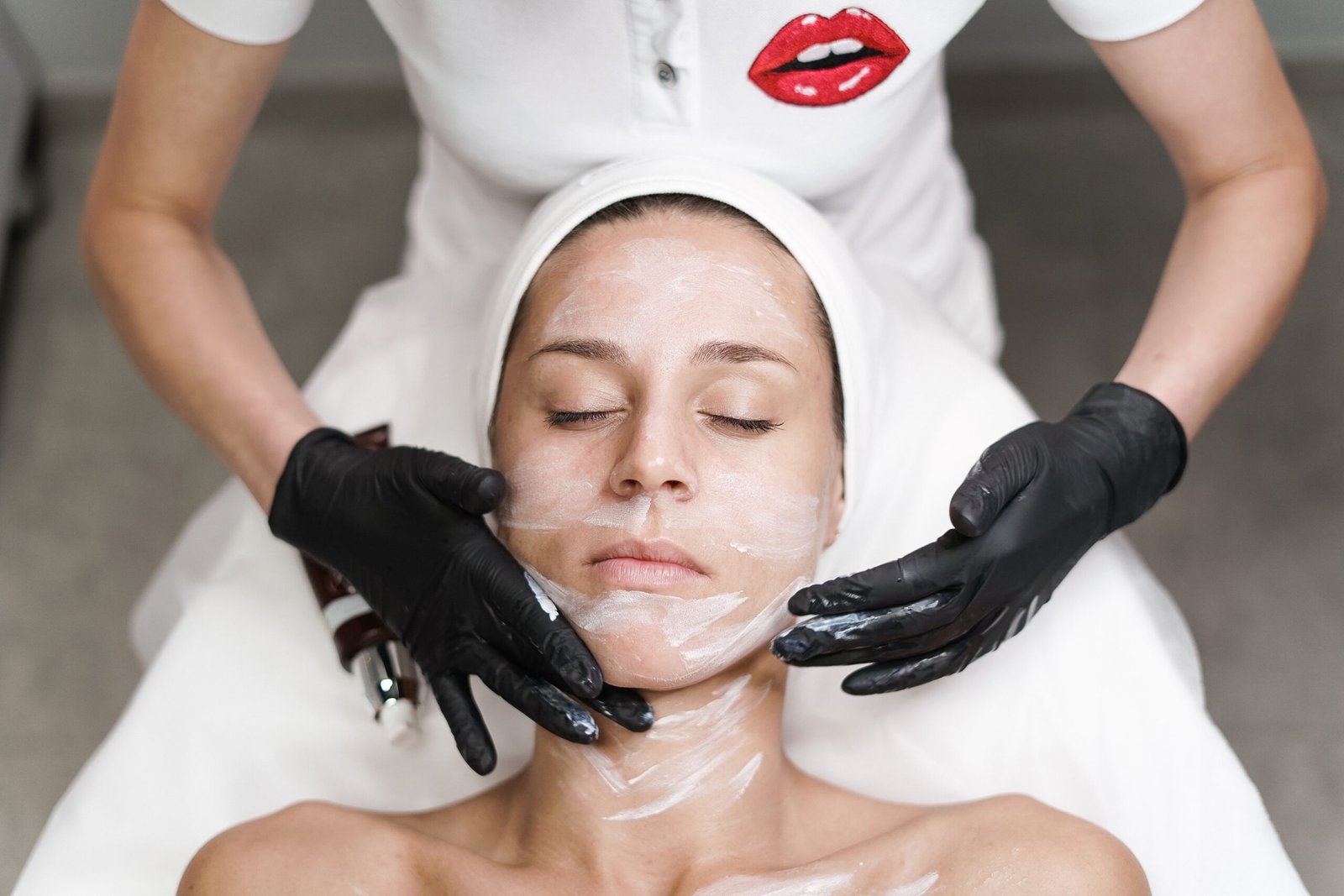
For years, I thought improving skin health was mostly about finding better products. A new cleanser would appear, followed by a serum promising brighter skin, then a moisturizer with a long ingredient list that sounded increasingly scientific. What I eventually realized is that healthy skin is rarely the result of one impressive product. It is usually the result of several fairly ordinary habits being practiced consistently: protecting the skin from ultraviolet radiation, maintaining its barrier, eating well, sleeping enough, managing irritation, and giving useful products enough time to work.
That shift in perspective completely changed how I think about skincare. Instead of asking, “What can I put on my face to make it look better this week?” I prefer to ask, “What does my skin need to function well over the next several years?” Skin is not simply a surface that needs polishing. It is a living organ responsible for helping protect the body from environmental exposure, limiting water loss, contributing to temperature regulation, and participating in immune defense. When I treat it that way, skincare becomes much more logical and much less dependent on trends.
In this guide, I want to explain how to improve skin health from the inside and outside without turning the process into an exhausting 12-step routine. I will cover daily skincare, sun protection, diet, hydration, sleep, stress, useful active ingredients, exercise, and supplements such as Gelagen gummy. Just as importantly, I will explain where I think expectations need to remain realistic, because long-term skin health is built gradually rather than transformed overnight.
What Healthy Skin Actually Means to Me
When people talk about wanting “better skin,” they can mean very different things. Some want fewer blemishes, while others are concerned about dryness, sensitivity, pigmentation, fine lines, dullness, rough texture, or loss of elasticity. I think the most useful starting point is recognizing that healthy skin does not necessarily mean perfectly smooth, poreless, line-free skin. Normal skin has pores, texture, variations in pigmentation, and changes that occur naturally with age.
From a practical perspective, I think healthy skin is skin whose barrier is functioning effectively, that feels reasonably comfortable, retains moisture appropriately, and can recover from everyday environmental stresses without being constantly inflamed or irritated. Appearance often improves when these basic functions are supported. Skin that is adequately moisturized tends to look smoother and more luminous, while chronically dry or damaged skin can appear rougher and more lined even if a person is using expensive anti-aging treatments.
I also believe it is important to separate skin health from cosmetic perfection. Acne, rosacea, eczema, melasma, psoriasis, and other dermatologic conditions can occur even in people with excellent lifestyle habits. Persistent rashes, changing moles, unexplained lesions, painful acne, or severe irritation deserve professional assessment rather than endless experimentation with over-the-counter skincare. A good skincare routine can support healthy skin, but it should never become a substitute for medical care when a genuine skin disorder is present.
I Start With the Skin Barrier Before Chasing Advanced Treatments
If I had to rebuild a skincare routine from zero, the skin barrier would be my first priority. The outermost portion of the skin helps regulate water loss and protects against external irritants. When that protective barrier becomes compromised, skin may feel tight, dry, itchy, sensitive, rough, or unusually reactive. This is why I am cautious about routines that combine several exfoliating acids, scrubs, retinoids, toners, and other aggressive products at the same time.
One of the simplest lessons I have learned is that more skincare does not automatically equal healthier skin. Frequent washing, very hot water, harsh soaps, strong fragrances, excessive exfoliation, and constantly introducing new active ingredients can make a routine feel sophisticated while quietly making the skin more irritated. If my skin suddenly becomes stingy, flaky, red, or uncomfortable, I would rather simplify the routine for a while than add another product intended to “fix” the problem.
A moisturizer is one of the least glamorous products in a skincare cabinet, but it can also be one of the most useful. Ingredients such as ceramides, glycerin, petrolatum, and hyaluronic acid can help support hydration in different ways. The American Academy of Dermatology also recommends applying moisturizer while the skin is still slightly damp because this can help trap water in the skin. Maintaining moisture and barrier integrity creates a much better foundation for every other treatment I may want to use later.
My Simple Daily Routine for Improving Skin Health
I prefer skincare routines that are simple enough to follow every day. In the morning, that generally means gentle cleansing when necessary, moisturizing according to the skin’s needs, and applying sunscreen. Someone with naturally dry or sensitive skin may not need an aggressive morning cleanse at all, while someone with very oily skin may prefer a mild cleanser. The goal is not to make the face feel squeaky-clean; that sensation can actually indicate that too much surface oil has been stripped away.
At night, I focus on removing sunscreen, makeup, excess oil, pollutants, and debris without repeatedly washing or scrubbing the skin. After cleansing, I may use a targeted treatment such as a retinoid if appropriate, followed by moisturizer. What matters more to me than the number of products is whether I can use them consistently without causing persistent irritation. A five-product routine used comfortably for a year can be more valuable than an elaborate routine that I abandon after three weeks.
For someone beginning from scratch, I would keep the essentials surprisingly short:
- Gentle cleanser chosen according to skin type and sensitivity.
- Moisturizer that supports hydration without causing persistent irritation.
- Broad-spectrum SPF 30 or higher sunscreen every day that UV exposure is expected.
- One carefully selected treatment product only when there is a specific goal such as acne, pigmentation, or visible signs of aging.
Once those fundamentals are established, other products can be introduced gradually. I strongly prefer changing one product at a time because it makes it much easier to identify what is helping and what is causing irritation.
Sun Protection Is the Habit I Would Prioritize Above Everything Else
If someone asked me for just one long-term strategy for maintaining healthier-looking skin, daily sun protection would be very difficult to beat. Ultraviolet radiation contributes substantially to visible photoaging and increases the risk of skin cancer. It can contribute to uneven pigmentation, wrinkles, changes in texture, and loss of some of the characteristics people associate with youthful skin.
The American Academy of Dermatology recommends a broad-spectrum, water-resistant sunscreen with SPF 30 or higher. I also think it is useful to remember that sunscreen is only one component of sun protection. Shade, hats, sunglasses, and protective clothing reduce exposure as well. On days when I am spending considerable time outdoors, I would not rely on one thin application of sunscreen in the morning and assume I am protected indefinitely. Reapplication matters, particularly with swimming, sweating, or prolonged outdoor exposure.
This is one area where consistency matters far more than luxury. I would rather use an affordable sunscreen that feels comfortable enough to apply every morning than own an expensive formula I avoid because it feels greasy, leaves a noticeable cast, or irritates my eyes. The best sunscreen for a daily routine is ultimately one that provides appropriate protection and that I am willing to use properly and consistently.
How Food Can Help Me Improve Skin Health From Within
Skincare products work from the outside, but skin cells still depend on nutrients delivered through the body. I do not believe there is a magical “skin diet,” and I become skeptical whenever a single food is presented as capable of clearing acne, eliminating wrinkles, or reversing aging. What makes more sense to me is a varied dietary pattern that supplies adequate protein, essential fatty acids, vitamins, minerals, and plant compounds while supporting overall health.
Vitamin C is a particularly relevant example because it is required for collagen biosynthesis and also functions as an antioxidant. That does not mean swallowing enormous amounts of vitamin C will automatically generate more youthful skin. It does mean that adequate vitamin C intake is biologically important for normal connective-tissue function. Fruits and vegetables provide vitamin C together with many other nutrients and phytochemicals, which is another reason I prefer obtaining most nutrients through varied foods whenever practical.
Research examining nutrition and skin health has also drawn attention to nutrients and compounds found in fruits, vegetables, nuts, seeds, legumes, fish, and other minimally processed foods. I would therefore build my diet around nutritional variety rather than obsessing over one “beauty food.” Useful categories include:
- Colorful vegetables and fruits for vitamin C, carotenoids, polyphenols, and other plant compounds.
- Adequate protein from foods such as fish, eggs, dairy, legumes, poultry, tofu, or other preferred sources.
- Nuts, seeds, olive oil, avocado, and oily fish as sources of healthful fats.
- Whole grains and other minimally processed carbohydrate sources rather than making refined sweets the foundation of the diet.
A 2025 review in Nutrients examining nutritional dermatology highlighted links between several nutrients and skin biology, while also acknowledging that more research is needed to establish precise dietary recommendations for specific skin outcomes. That distinction matters to me. A nutritious diet supports the conditions required for healthy skin, but food should not be marketed as cosmetic medicine.
Hydration Matters, but I Do Not Treat Water as a Miracle Skincare Product
One of the most repeated beauty recommendations is to drink more water for glowing skin. Adequate hydration is clearly important for normal physiological function, and I certainly would not recommend intentionally staying dehydrated. However, I think people sometimes interpret this advice as meaning that drinking enormous quantities of water can directly erase wrinkles, cure acne, or replace moisturizer. The relationship is not that simple.
My practical rule is to drink enough fluids to support normal hydration rather than forcing myself through extreme water targets for cosmetic reasons. Individual needs vary with activity, climate, diet, health status, pregnancy, and other factors. Foods also contribute water, particularly fruits, vegetables, soups, and similar meals. If I am exercising heavily or spending hours in hot conditions, my fluid requirements will naturally be different from those on a cool, sedentary day.
For dry skin specifically, I still consider topical care essential. Skin dryness is not always evidence that a person simply needs to drink more water. Barrier function, climate, age, cleansing habits, dermatologic conditions, medications, and product choices can all contribute. When the outer barrier is struggling to retain water, moisturizer and gentler cleansing can often be more directly relevant than simply increasing fluid intake.
The Lifestyle Habits That Quietly Show Up on My Skin
I used to think about skincare and lifestyle as separate subjects, but they overlap much more than people often acknowledge. Sleep is an obvious example. Chronic sleep deprivation affects overall health, stress regulation, appetite, and recovery, and emerging research continues to examine its relationship with skin-barrier function and visible aging. I notice that poor sleep often makes the face look less refreshed even before considering any long-term biological effects.
Stress is another factor I would not ignore. Psychological stress can influence inflammatory and hormonal pathways and may aggravate certain existing skin conditions in susceptible people. I am careful not to blame every breakout on stress, because acne and inflammatory skin disorders are multifactorial, but managing chronic stress is still sensible for overall health. Exercise, adequate sleep, time outdoors with appropriate sun protection, relaxation practices, and maintaining social connections can all be part of that broader approach.
Smoking deserves special attention because it is associated with premature skin aging in addition to its much more serious systemic health effects. Heavy alcohol consumption can also contribute to poor sleep, dehydration, inflammation, and other changes that may indirectly affect appearance and health. For me, the larger lesson is that a skincare routine cannot completely compensate for lifestyle patterns that continually work against the body.
How I Compare the Main Ways to Improve Skin Health
One reason people become overwhelmed by skincare is that every habit is sometimes presented as equally important. I do not see it that way. Some strategies are foundational, while others are useful additions that depend more heavily on individual goals, tolerance, budget, and health status.
The table below is the way I personally think about these different approaches. It is not intended as a medical ranking, because someone with eczema, severe acne, rosacea, or another condition may have very different priorities. Instead, it shows the role each approach can reasonably play in an everyday skin-health plan.
| Approach | Main Purpose | How I Use It | What I Expect |
|---|---|---|---|
| Daily sun protection | Reduce UV exposure and photoaging | Broad-spectrum SPF 30+ plus shade/clothing | Major long-term preventive value |
| Gentle cleansing | Remove dirt, oil, makeup and sunscreen | Usually morning/evening as needed | Cleaner skin without unnecessary stripping |
| Moisturizing | Support hydration and barrier function | Daily, especially after cleansing | Less dryness and better comfort |
| Balanced nutrition | Provide nutrients required for normal skin biology | Varied whole-food diet | Foundational nutritional support |
| Retinoids/retinol | Target acne, texture, pigmentation and signs of aging | Gradually and according to tolerance | Potential improvements over months |
| Regular sleep/exercise | Support overall recovery and health | Consistent lifestyle habits | Indirect but meaningful support |
| Supplements | Fill nutritional gaps or provide selected compounds | Only when appropriate | Supporting role, not a replacement for basics |
Looking at skincare this way helps me avoid spending too much time on small details while neglecting fundamentals. I would not prioritize a specialty supplement over sunscreen, a strong exfoliating serum over repairing a damaged skin barrier, or an expensive facial treatment over managing persistent medical symptoms with a dermatologist. The order matters.
I also remind myself that skin changes slowly. Products affecting pigmentation, collagen, acne, or texture may require weeks or months before their usefulness can be assessed fairly. Constantly replacing products every few days can make it almost impossible to know what is working.
Where Retinol, Retinoids, and Other Active Ingredients Fit In
Once a basic routine is comfortable, targeted active ingredients can make sense. Retinoids are among the better-known examples. Retinol is a type of retinoid widely found in over-the-counter skincare, while stronger retinoid preparations may be prescription medications depending on the country and product. They are commonly used to address concerns including acne, uneven tone, texture, fine lines, and other visible signs of photoaging.
The problem is that retinoids can also irritate the skin, particularly when someone introduces too much too quickly. I prefer a gradual approach rather than applying a powerful formula every night from day one. The American Academy of Dermatology advises starting with a less intense formulation and increasing use gradually, especially because irritation can become counterproductive. Retinoids can also increase sun sensitivity, reinforcing the importance of daytime protection. They are generally avoided during pregnancy unless a qualified clinician specifically advises otherwise.
Vitamin C serums, niacinamide, azelaic acid, salicylic acid, alpha-hydroxy acids, and other active ingredients can have legitimate uses, but I would select them according to a specific concern rather than collecting them because they are popular online. A targeted routine usually makes more sense than layering several strong actives whose combined irritation eventually makes the skin look worse.
How Supplements Can Help Skin Health
Supplements are one of the most interesting areas of modern beauty and wellness because the idea makes intuitive sense: if skin requires nutrients and structural proteins, perhaps providing selected nutrients orally can improve its appearance. There is some evidence worth discussing, particularly around hydrolyzed collagen, but this is also an area where marketing frequently moves faster than science.
Research on oral hydrolyzed collagen has produced encouraging results in several studies. A 2023 systematic review and meta-analysis of 26 randomized controlled trials involving 1,721 participants reported improvements in measures of skin hydration and elasticity compared with placebo. However, the researchers also identified biases and emphasized the need for additional large, well-designed trials. A newer 2026 systematic review similarly found that many trials reported benefits but noted that most included studies had a high risk of bias, making it important not to oversell the certainty of the evidence.
Another analysis published in The American Journal of Medicine raised an especially important issue: when collagen studies were separated according to funding source and study quality, the apparent benefits were much less convincing among higher-quality or non-industry-funded research. I find this useful because it illustrates why I would describe collagen supplementation as promising rather than proven beyond doubt. A supplement may help some people, but it should not be sold as if the scientific question has already been completely settled.
Where Gelagen Gummy Could Fit Into a Skin-Health Routine
A product such as Gelagen gummy is an example of the type of beauty supplement someone might consider when trying to support skin, hair, or nail health from within. My approach with a gummy supplement is the same as it would be with a capsule or powder: I look past the branding and focus on the actual Supplement Facts panel, serving size, nutrient amounts, ingredient quality, and whether those ingredients make sense for my existing diet and health needs.
I would not expect Gelagen gummy—or any similar beauty gummy—to compensate for chronic sun exposure, smoking, severe sleep deprivation, an extremely nutrient-poor diet, or untreated dermatologic disease. Supplements make the most sense to me as an addition to an already sensible foundation. If a product provides useful vitamins or minerals, those nutrients may contribute to normal biological processes when intake would otherwise be inadequate, but taking more than the body needs does not necessarily produce proportionally better skin.
I am also cautious about assuming that the name of a supplement tells me exactly what it contains. If I am specifically seeking collagen, for example, I would verify that collagen or hydrolyzed collagen is actually present on the current product label and look at the amount per serving rather than assuming a skin-focused product contains it. Formulas can also change, which is another reason I recommend checking the current label before purchasing or using any supplement.
Most importantly, I would review possible interactions and avoid unnecessarily stacking multiple supplements containing the same nutrients. The FDA notes that dietary supplements are not approved for safety and effectiveness before reaching the U.S. market in the same way that medications are. “Natural” and “available without prescription” should never be treated as synonyms for risk-free. People taking medications, preparing for surgery, pregnant or breastfeeding individuals, and those with medical conditions should be particularly careful about discussing supplementation with an appropriate healthcare professional.
Why Consistency Has Become My Most Important Skincare Rule
I think one of the biggest reasons skincare becomes frustrating is that people understandably want fast feedback. When a product does not visibly transform the skin within seven days, there is a temptation to replace it. That can lead to a revolving door of cleansers, acids, serums, creams, supplements, and treatments without any of them being used long enough to judge properly.
Skin biology operates on its own timetable. Pigmentation does not necessarily disappear in a week, collagen-related changes are gradual, and acne therapies often need time before their true effect becomes clear. Even simple barrier improvement can take patience when skin has been chronically irritated. The routine I can follow for months is almost always more useful than the routine I can tolerate for three days.
I therefore try to measure progress across longer periods rather than examining my face under harsh lighting every morning. Photos taken under similar lighting every few weeks can be more informative than memory. I also pay attention to comfort: less tightness, fewer episodes of irritation, reduced flaking, and better tolerance can all represent genuine progress even before dramatic cosmetic changes appear.
Mistakes I Would Avoid When Trying to Improve Skin Health
The first mistake I would avoid is changing too many things simultaneously. If someone starts a retinol, exfoliating toner, vitamin C serum, new cleanser, collagen supplement, and restrictive diet in the same week, any improvement or irritation becomes difficult to interpret. Slow changes make troubleshooting much easier and are especially important for sensitive skin.
The second mistake is assuming that irritation proves a treatment is working. A slight adjustment period can occur with certain products, but persistent burning, swelling, intense redness, cracking, or worsening inflammation is not something I would simply endure in the hope of eventually achieving better skin. Pain is not a measure of skincare effectiveness. When a product repeatedly causes significant irritation, reducing frequency, stopping it, or seeking professional advice can be far more sensible than forcing the skin to tolerate it.
Finally, I would avoid judging skin against heavily edited photographs or highly controlled social-media content. Lighting, makeup, camera processing, filters, injectables, procedures, and genetics can dramatically affect what we see online. My goal is not artificial perfection; it is healthier, more comfortable, resilient skin that I can maintain realistically.
When I Think a Dermatologist Is Worth Seeing
There is a point where self-directed skincare stops being the best approach. If I had persistent acne that was leaving scars, recurrent painful cysts, significant rosacea, chronic eczema, unexplained itching, rapidly worsening pigmentation, or a rash that kept returning despite removing potential irritants, I would want professional guidance rather than another round of random product testing.
Changes in moles or unusual skin lesions deserve particular caution. A skincare article cannot determine whether a changing spot is harmless, precancerous, or malignant. Any lesion that is new, changing, bleeding without explanation, repeatedly failing to heal, or otherwise concerning should be assessed appropriately. Skin cancer prevention and early evaluation are far more important than cosmetic optimization.
A dermatologist can also simplify skincare rather than complicate it. Sometimes the most useful professional advice is identifying products that should be stopped, diagnosing an underlying condition, or prescribing one treatment with much stronger evidence than several cosmetic products combined. For anyone repeatedly spending money without achieving progress, professional assessment can ultimately be both more efficient and more economical.
My Long-Term Strategy for Better Skin
When I put everything together, my strategy for how to improve skin health is surprisingly straightforward. I protect my skin from excessive UV exposure, keep cleansing gentle, moisturize according to what my skin needs, eat a varied diet, stay reasonably hydrated, sleep properly, exercise, and introduce active ingredients only when they have a clear purpose. None of this sounds revolutionary, and that is exactly the point.
I view supplements such as Gelagen gummy as an optional supporting layer rather than the center of the plan. If the formula fits my nutritional needs and I am comfortable with its ingredients, a supplement can be convenient. But I would still prioritize the habits with the strongest biological rationale and long-term evidence. No gummy, capsule, serum, or superfood can replace all of those fundamentals simultaneously.
The most important lesson I have taken from years of reading about skincare is that healthy skin usually responds better to consistency than constant experimentation. I would rather protect and support my skin for years than chase a dramatic overnight transformation. When skincare becomes sustainable instead of obsessive, I find it much easier to make decisions based on evidence, comfort, and long-term health rather than whatever product happens to be trending this month.
Final Thoughts
Learning how to improve skin health became much easier for me once I stopped treating skincare as a search for one perfect product. Healthy-looking skin reflects many overlapping influences: genetics, age, hormones, environmental exposure, nutrition, lifestyle, medical conditions, and the products we use. I cannot control every one of those factors, but I can control enough of them to make a meaningful difference.
If I were giving someone a place to begin today, I would start with gentle skincare, moisturizer, daily SPF 30 or higher sun protection, nutritious food, sufficient sleep, and patience. After those habits are established, targeted actives or carefully chosen supplements can be added according to individual goals. This approach may sound less exciting than a miracle treatment, but it is far more realistic.
Ultimately, good skincare is not about fighting every sign of age or trying to create flawless skin. For me, it is about keeping the skin protected, comfortable, functional, and resilient for as long as possible. That is a goal worth building slowly—and one that does not require turning the bathroom shelf into a laboratory.
References
1. American Academy of Dermatology Association — “10 Skin Care Secrets for Healthier-Looking Skin.” Dermatologist-developed guidance covering daily sunscreen, skin-aging prevention, and practical habits for supporting healthier skin.
American Academy of Dermatology: Healthier-Looking Skin
2. National Institutes of Health, Office of Dietary Supplements — “Vitamin C: Fact Sheet for Health Professionals.” Evidence-based overview of vitamin C physiology, dietary requirements, antioxidant activity, and its essential role in collagen biosynthesis.
NIH Office of Dietary Supplements: Vitamin C
3. Pu S-Y, et al. — “Effects of Oral Collagen for Skin Anti-Aging: A Systematic Review and Meta-Analysis.” Nutrients, 2023. Review of 26 randomized controlled trials examining hydrolyzed collagen supplementation and outcomes including skin hydration and elasticity.
PubMed: Oral Collagen Systematic Review and Meta-Analysis
4. Myung S-K, et al. — “Effects of Collagen Supplements on Skin Aging: A Systematic Review and Meta-Analysis of Randomized Controlled Trials.” The American Journal of Medicine, 2025. An important review examining collagen research according to study quality and funding source, providing useful context for interpreting claims surrounding collagen supplementation.
PubMed: Collagen Supplements and Skin Aging
5. U.S. Food and Drug Administration — “Information for Consumers on Using Dietary Supplements.” Regulatory and consumer-safety information explaining how supplements are regulated and why consumers should evaluate supplement use carefully.
FDA: Information for Consumers on Dietary Supplements
Disclaimer
This article is provided for general educational and informational purposes only and is not intended to diagnose, treat, cure, or prevent any disease or medical condition. The information presented here should not be considered a substitute for individualized medical advice from a dermatologist, physician, registered dietitian, pharmacist, or other qualified healthcare professional.
Individual skin needs can differ considerably based on age, skin type, allergies, medical history, medications, pregnancy, breastfeeding status, and existing dermatologic conditions. Anyone experiencing persistent acne, severe irritation, unexplained rashes, changing moles, non-healing lesions, or other concerning skin symptoms should seek appropriate medical evaluation rather than relying exclusively on skincare products or supplements.
Dietary supplements, including products marketed for skin, hair, or nail support such as Gelagen gummy, should also be evaluated according to their current ingredient label, dosage, individual nutritional needs, possible medication interactions, and personal health circumstances. Supplement formulations may change over time. Always follow the current product directions and speak with a qualified healthcare professional when appropriate before beginning a new supplement regimen.