

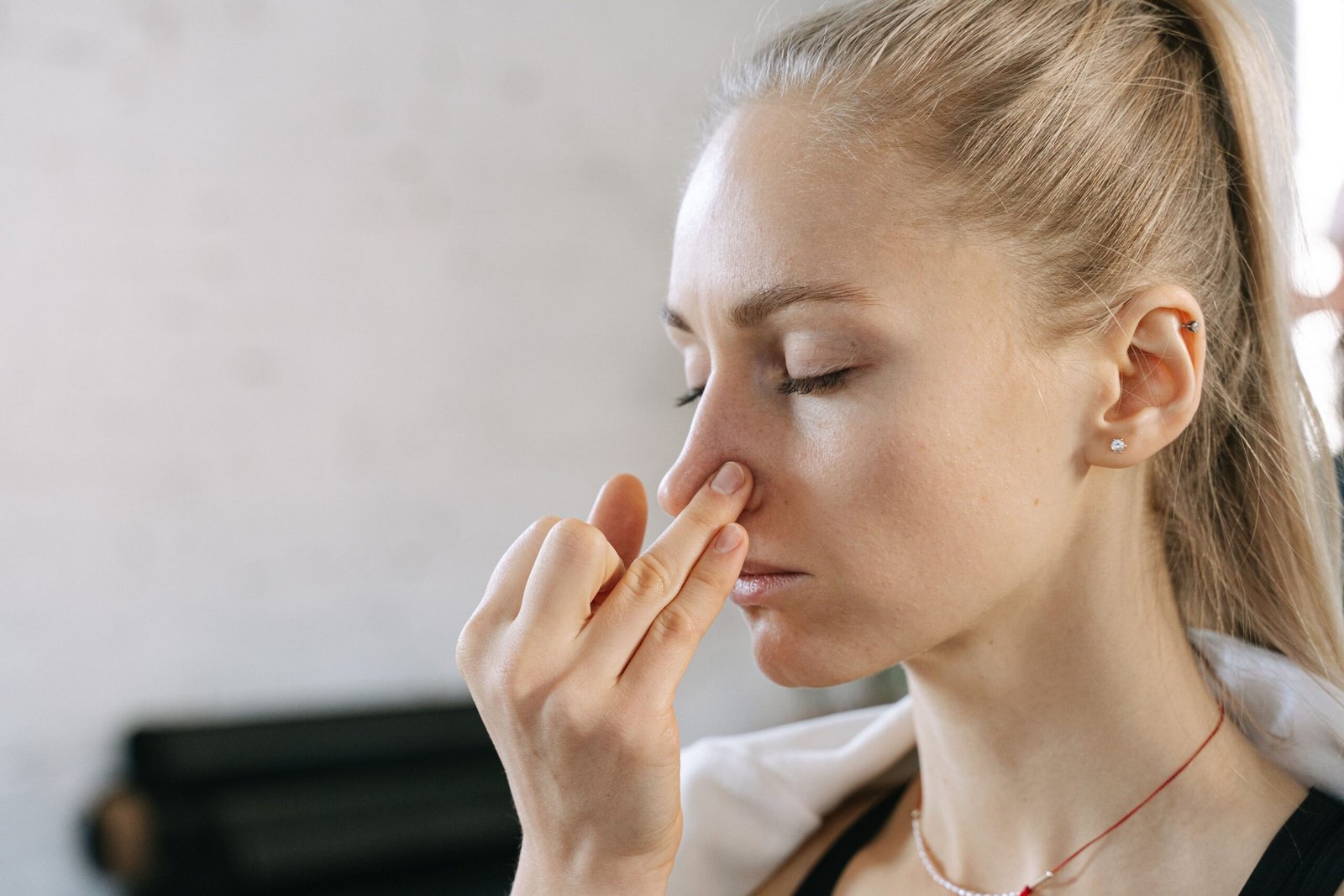
Respiratory wellness is something I believe many of us take for granted until breathing begins to feel less effortless than it once did. When I think about keeping my lungs and airways healthy, I do not focus on a single trick, supplement, breathing exercise, or so-called lung cleanse. I look at the bigger picture. The quality of the air I breathe, how active I am, whether I expose myself to smoke, how well I sleep, what I eat, and how quickly I respond to unusual respiratory symptoms all matter.
Over the years, I have also become more skeptical of quick-fix respiratory claims. Our lungs are remarkably capable organs, but they are also constantly exposed to the outside environment. Every day, they encounter airborne particles, allergens, microorganisms, smoke, household chemicals, and pollution. Protecting respiratory health therefore requires consistent habits rather than waiting until congestion, coughing, reduced exercise tolerance, or shortness of breath becomes noticeable.
In this guide, I want to explain how I approach respiratory wellness in a practical, evidence-informed way. This is not about promising that everyone can dramatically increase lung capacity or prevent every respiratory problem. Genetics, age, existing conditions, occupational exposures, infections, and environmental circumstances all play a role. Instead, my goal is to focus on realistic habits that can support easier breathing, physical endurance, airway comfort, and long-term lung health.
What Respiratory Wellness Really Means to Me
When I use the phrase respiratory wellness, I am talking about much more than whether I can take a deep breath. Healthy respiratory function depends on the lungs, airways, respiratory muscles, blood circulation, immune defenses, and even cardiovascular fitness working together. Breathing is automatic, but the systems supporting that automatic process are influenced by everyday behavior.
I also distinguish respiratory wellness from treating respiratory disease. Someone with asthma, chronic obstructive pulmonary disease, pulmonary fibrosis, recurrent bronchitis, significant allergies, or another diagnosed condition needs individualized medical guidance. Lifestyle habits can often complement professional care, but they should not be confused with medical treatment. Persistent or worsening breathing difficulty deserves proper evaluation rather than experimentation with home remedies.
For someone without a diagnosed respiratory condition, I think of respiratory wellness as protecting what already works. That means limiting unnecessary lung irritation, maintaining good physical conditioning, supporting immune function, staying hydrated, eating well, sleeping adequately, and noticing meaningful changes in breathing before they become easy to ignore.
The Respiratory Habits I Consider Most Important
There are countless products marketed for lung health, yet some of the most powerful respiratory habits cost little or nothing. If I were rebuilding my respiratory wellness routine from scratch, reducing harmful exposures would come before adding anything new. There is limited value in buying supplements or practicing breathing exercises while continuing to expose the lungs to cigarette smoke, vaping aerosols, excessive dust, or poorly ventilated indoor pollution.
Regular movement would be another major priority. Aerobic activity challenges the cardiovascular and respiratory systems in a healthy, controlled way. As fitness improves, the body often becomes more efficient at delivering oxygen to working muscles. That does not mean exercise magically makes the lungs enormous or cures respiratory disease. It means that better cardiovascular conditioning can make everyday physical activity feel more manageable.
I would then build supportive habits around those foundations, including adequate sleep, sufficient hydration, balanced nutrition, cleaner indoor air, appropriate infection prevention, and stress management. Together, these practices create a much stronger respiratory wellness strategy than relying heavily on any single intervention.
| Respiratory Wellness Habit | Why I Prioritize It | Practical Approach |
|---|---|---|
| Avoiding smoking and secondhand smoke | Reduces ongoing exposure to substances that damage the respiratory system | Quit smoking when possible and keep indoor spaces smoke-free |
| Regular physical activity | Supports cardiovascular fitness, endurance, and more efficient oxygen use | Walking, cycling, swimming, or other suitable aerobic exercise |
| Cleaner indoor air | Helps reduce exposure to smoke, particles, fumes, and irritants | Improve ventilation and control obvious pollution sources |
| Good hydration | Helps support normal mucus consistency and general body function | Drink fluids regularly according to individual needs |
| Balanced nutrition | Provides nutrients involved in immune and tissue function | Emphasize vegetables, fruits, proteins, whole foods, and healthy fats |
| Quality sleep | Supports immune regulation, recovery, and overall health | Maintain a regular sleep schedule and address persistent sleep problems |
| Respiratory hygiene | Helps reduce exposure and transmission of respiratory infections | Wash hands, cover coughs, and follow appropriate vaccination guidance |
| Breathing exercises | Can help improve breathing awareness and control in suitable situations | Practice calmly without forcing unusually deep breaths |
I Put Smoke Avoidance Near the Top of the List
If someone asks me how to improve respiratory wellness, tobacco smoke is one of the first subjects I think about. Cigarette smoke exposes lung tissue to a complex mixture of chemicals and particulates, and smoking is strongly associated with respiratory disease. For someone who smokes, quitting provides meaningful health benefits even if they have smoked for many years.
I would not underestimate secondhand smoke either. Creating a smoke-free home and car reduces unnecessary exposure for everyone sharing those spaces. The same general principle applies to other inhaled substances. I do not think the lungs benefit from routinely breathing unnecessary combustion products, irritating aerosols, or chemical fumes simply because the source is different from a traditional cigarette.
Vaping also should not automatically be interpreted as a wellness activity simply because some products contain fewer combustion-related chemicals than cigarettes. People using nicotine products may need an individualized cessation strategy, particularly if they have been using them for years. I would rather focus on progressively reducing harmful respiratory exposures than trying to compensate for those exposures with herbs, vitamins, or detox products.
I Use Exercise to Support Breathing Efficiency and Endurance
Physical activity is one of the most practical ways I support overall respiratory wellness. During exercise, muscles require more oxygen and produce more carbon dioxide, so breathing and circulation naturally increase. Over time, regular aerobic conditioning can make the cardiovascular system more efficient, which is one reason daily activities can begin to feel easier as fitness improves.
For generally healthy adults, public-health guidance commonly recommends working toward at least 150 minutes of moderate-intensity aerobic activity each week, together with muscle-strengthening activities on at least two days. I see that as a useful target rather than an all-or-nothing rule. Someone who has been sedentary does not need to immediately start with intense workouts. A consistent 15- or 20-minute walk can be a far more sensible beginning.
I also pay attention to how I feel while exercising. Mildly heavier breathing during a brisk walk is expected, but severe breathlessness, chest pain, faintness, bluish lips, or symptoms that seem disproportionate to the activity are not things I would try to push through. Exercise should gradually challenge the body, not become a test of how much respiratory distress someone can tolerate.
A few activities I particularly like for general conditioning include:
- Brisk walking, because intensity is easy to adjust and no special equipment is required.
- Cycling or stationary cycling, especially when someone prefers a lower-impact activity.
- Swimming or water-based exercise, provided chlorine or pool environments do not aggravate respiratory symptoms.
- Strength training, which supports whole-body function and makes everyday physical tasks less demanding.
Breathing Exercises Can Be Useful, but I Keep Them in Perspective
Breathing techniques receive a lot of attention online, sometimes with claims that a specific technique can dramatically increase oxygen levels, detoxify the lungs, cure anxiety, or permanently expand lung capacity. I prefer a more measured approach. Breathing exercises can be useful tools for breathing control and relaxation, but they are not substitutes for healthy lungs or medical care.
One simple technique I find practical is controlled diaphragmatic breathing. Instead of lifting the shoulders and taking rapid upper-chest breaths, I concentrate on allowing the abdomen and lower rib area to move naturally during inhalation. I then exhale slowly without forcing the air out. This kind of breathing can help me become more aware of unnecessary tension and shallow breathing patterns.
Pursed-lip breathing is another technique commonly taught in pulmonary rehabilitation, particularly for people with certain lung conditions. The idea is to inhale gently through the nose and exhale more slowly through lightly pursed lips. Anyone with significant lung disease should learn breathing techniques from an appropriate healthcare professional rather than assuming that every online breathing exercise is suitable for them.
I also avoid turning breathing practice into a competition. Excessively rapid or deep breathing can cause lightheadedness and tingling because it changes carbon dioxide levels in the blood. My preference is slow, comfortable breathing that feels sustainable, rather than repeatedly forcing maximal inhalations.
Improving the Air I Breathe at Home Matters More Than It Seems
People often think of respiratory pollution as something that exists only beside highways or industrial areas. Indoor air quality can matter too. Smoke from cooking fuels, tobacco products, candles, fires, poorly vented appliances, dust, mold, cleaning chemicals, and other sources can all contribute to respiratory irritation depending on the environment and level of exposure.
Ventilation is one of the first things I think about when dealing with indoor pollutants. When outdoor conditions permit, exchanging indoor and outdoor air can help reduce accumulated pollutants. Kitchen exhaust systems and properly vented cooking appliances can also make a meaningful difference, particularly in households where cooking regularly creates smoke or strong fumes.
I also pay attention to sources rather than assuming an air purifier can solve everything. If there is active mold growth, persistent tobacco smoke, a faulty combustion appliance, or unusually high dust exposure, removing or controlling the source should usually come before trying to filter the consequences. Air cleaners may be useful in some environments, but they should complement sensible source control and ventilation.
Hydration Supports Normal Airway Function
Hydration does not receive as much attention as trendy respiratory products, yet adequate fluid intake supports normal body function throughout virtually every system. The respiratory tract naturally produces mucus that helps trap particles and microorganisms. When I am dehydrated, secretions can feel thicker and my throat can feel noticeably drier.
I do not believe everyone needs to force enormous quantities of water simply for lung health. Fluid needs vary according to body size, activity, climate, pregnancy, medications, kidney function, heart conditions, and several other factors. Instead, I aim for regular hydration throughout the day and adjust according to activity and environmental conditions.
Warm liquids can also feel soothing when my throat is irritated or when congestion accompanies a minor respiratory infection. That comfort should not be confused with treating the underlying infection, but simple supportive care can still be worthwhile. Hydration is best viewed as a basic physiological requirement rather than a special lung-cleansing technique.
Nutrition Is Part of My Long-Term Respiratory Strategy
There is no single food that cleanses the lungs, and I become cautious whenever an article claims that eating one fruit, spice, tea, or vegetable will remove years of pollution or smoking damage. Human biology is more complicated than that. What I do believe matters is a consistently nutritious dietary pattern that supports normal immune function, healthy body weight, cardiovascular health, and tissue maintenance.
My preference is to build meals around a variety of vegetables and fruits, adequate protein, whole grains or other minimally processed carbohydrate sources when appropriate, legumes, nuts, seeds, and healthy fats. Colorful plant foods provide vitamins, minerals, fiber, and numerous naturally occurring compounds, while protein supplies amino acids needed throughout the body.
Maintaining a healthy weight can also influence breathing comfort. Significant excess abdominal weight can make physical activity more demanding and may mechanically affect breathing in some individuals. On the other hand, unexplained weight loss can accompany chronic illness and should not be ignored. Nutrition should support strength and overall metabolic health, not revolve around extreme detox diets.
Sleep and Stress Affect My Breathing More Than I Used to Realize
Poor sleep can affect energy, exercise tolerance, appetite regulation, immune function, mood, and general recovery. When I am exhausted, even routine physical activity can feel more difficult. A respiratory wellness plan that focuses on supplements while ignoring chronic sleep deprivation is missing an important part of the picture.
I try to keep a fairly consistent sleep schedule, limit stimulants too close to bedtime, and make the sleeping environment comfortable. Persistent loud snoring, repeated choking or gasping during sleep, severe daytime sleepiness, or witnessed pauses in breathing are symptoms I would not dismiss as simply being a bad sleeper. Those patterns can warrant medical evaluation.
Stress deserves attention as well because anxiety and tension can change breathing patterns. Under stress, people may breathe more rapidly, tighten chest muscles, or feel that they cannot complete a satisfying breath. Relaxation practices, appropriate physical activity, structured breathing exercises, and adequate sleep can all help, but new or unexplained shortness of breath should not automatically be attributed to anxiety without appropriate evaluation.
I Take Respiratory Infection Prevention Seriously
Respiratory viruses are part of everyday life, but there are still sensible ways to reduce unnecessary exposure and transmission. Frequent handwashing, covering coughs and sneezes, avoiding close contact when seriously ill, and improving ventilation in crowded indoor environments are simple practices that remain valuable.
Vaccination is another topic I discuss with healthcare professionals rather than relying on broad internet advice. Recommendations depend on age, medical history, pregnancy status, location, occupation, and individual risk factors. Influenza, COVID-19, pneumococcal disease, and other respiratory infections can be more consequential for some people than for others, so individualized recommendations matter.
I also believe recovery deserves respect. Returning to strenuous workouts immediately after a significant respiratory illness is not always wise. When my body is recovering, I generally favor adequate sleep, hydration, nutrition, and a gradual return to normal activity. Breathing that remains unusually difficult after an illness deserves medical attention rather than endless self-treatment.
How Supplements Can Fit Into Respiratory Wellness
Supplements occupy an interesting middle ground. Some provide nutrients that can be valuable when dietary intake is inadequate or when a healthcare professional identifies a specific need. However, I do not consider supplements a replacement for exercise, clean air, smoking cessation, healthy food, prescribed medication, or appropriate medical evaluation.
This distinction is especially important with products marketed specifically for respiratory health. Botanicals may have traditional uses or laboratory research behind them, but that does not automatically demonstrate that a finished commercial formula improves lung function in humans. Dosage, ingredient standardization, absorption, interactions, manufacturing quality, and the specific health outcome being measured all matter.
The FDA also does not evaluate dietary supplements in the same way it approves prescription medications for treating diseases. That means I approach respiratory supplements with realistic expectations. I look at them as optional additions to an already healthy routine, not as treatments for asthma, COPD, pneumonia, bronchitis, or unexplained shortness of breath.
Where Breathizen Spray May Fit Into a Respiratory Routine
Breathizen spray is one example of a product marketed toward people interested in respiratory wellness. Because it is positioned as an oral wellness supplement rather than an inhaled prescription medication, I would place it in a very different category from an asthma inhaler, nebulizer medication, antibiotic, corticosteroid, or other clinically indicated treatment.
If I were considering Breathizen, I would begin by carefully checking the current Supplement Facts panel and manufacturer directions rather than relying solely on advertising summaries found around the internet. Product descriptions can change, and different websites may not always present formulas consistently. I would want to know exactly which ingredients are included, their quantities where disclosed, recommended use, allergy information, and whether any ingredient could interact with medications I already take.
I would also keep expectations realistic. A respiratory supplement may provide botanical or nutritional compounds, but I would not assume that using an oral spray means those ingredients directly enter the lungs or physically clean the airways. An oral spray should not be confused with an inhaled respiratory medication. The delivery method, biological target, dose, and evidence behind the finished product all matter.
For me, the strongest way to think about Breathizen is as an optional complementary wellness product for an adult who has already covered the basics and has reviewed the ingredients appropriately. If I had persistent wheezing, recurring chest tightness, chronic cough, low oxygen readings, unexplained exercise intolerance, asthma, COPD, or another diagnosed respiratory condition, I would prioritize healthcare guidance rather than depending on Breathizen or any similar supplement.
I Pay Attention to Mucus, Congestion, and Airway Irritation
Mucus tends to receive an unfairly negative reputation. In reality, airway mucus serves an important protective role by trapping particles and microorganisms. Problems arise when mucus becomes excessive, unusually thick, difficult to clear, bloody, or accompanies significant respiratory symptoms.
When I experience mild congestion during an ordinary cold, I focus on straightforward supportive measures such as hydration, rest, comfortable humidity, and avoiding irritants. Depending on the situation, appropriate over-the-counter treatments may also help, but medication choices should account for existing health conditions and other drugs being taken.
Chronic mucus production is a different issue. A cough producing phlegm every day for weeks or months should not automatically be treated as something that needs a herbal cleanse. Smoking, chronic airway inflammation, infection, allergies, reflux, medication effects, and lung disease are among the possibilities a clinician may consider. Long-lasting respiratory symptoms deserve investigation rather than repeated attempts to suppress them without understanding the cause.
Posture and Respiratory Muscles Are Easy to Overlook
I have noticed that posture can influence how comfortable breathing feels, particularly when sitting for long periods. Slumping heavily forward can restrict comfortable movement of the rib cage and diaphragm. Simply sitting more upright and changing positions regularly can make breathing feel less constrained.
That does not mean posture problems are responsible for every episode of breathlessness. I view posture as a supporting factor rather than a cure. Regular walking, resistance training, mobility work, and general conditioning help keep the muscles involved in movement and breathing better prepared for daily activity.
For people with chronic lung conditions, structured pulmonary rehabilitation can take these concepts much further. Pulmonary rehabilitation may include supervised exercise, breathing techniques, education, and symptom-management strategies. Someone living with chronic respiratory disease can often benefit much more from professionally designed rehabilitation than from trying random lung-strengthening exercises found online.
Outdoor Air Quality Also Changes How I Plan Activities
I enjoy outdoor exercise, but I do not assume outdoor air is always ideal. Wildfire smoke, traffic pollution, dust events, industrial emissions, pollen, and extreme weather can make certain days more challenging for sensitive individuals.
When local air quality is poor, I may change the timing, intensity, or location of exercise rather than forcing a hard outdoor workout. People with asthma, COPD, cardiovascular disease, or heightened sensitivity may need to be particularly cautious during periods of elevated pollution.
For me, respiratory wellness is partly about adapting intelligently to the environment. Doing a vigorous workout beside heavy traffic on a badly polluted day is not necessarily healthier than choosing a cleaner indoor environment. Fitness matters, but so does what I am inhaling while exercising.
I Do Not Use “Lung Detox” as My Main Goal
The phrase “lung detox” is incredibly popular, but I think it creates unrealistic expectations. The lungs have built-in protective and clearance mechanisms, including mucus and microscopic structures called cilia that help move trapped material toward the throat.
That does not mean respiratory damage instantly reverses once an exposure stops. Certain effects of smoking, chronic pollution exposure, occupational hazards, or lung disease can persist. However, reducing harmful exposure gives the respiratory system a healthier environment in which to function.
Rather than searching for a beverage, tea, supplement, or breathing exercise that supposedly flushes toxins out of lung tissue overnight, I focus on preventing additional exposure and supporting normal physiology. Smoke avoidance, appropriate exercise, hydration, nutrition, sleep, cleaner air, and medical care may sound less exciting than a seven-day detox, but they make considerably more sense to me.
Knowing When Breathing Symptoms Need Medical Attention
One of the most important parts of respiratory wellness is knowing when self-care is no longer enough. I never want a wellness routine to create false confidence that delays treatment. Breathing problems can sometimes reflect conditions involving the lungs, heart, circulation, infections, allergic reactions, or other systems.
Symptoms such as persistent unexplained cough, recurring wheezing, increasing exercise intolerance, coughing up blood, prolonged fever, unexplained weight loss, or breathlessness that continues to worsen should be discussed with a qualified healthcare professional. A clinician may recommend examinations or tests such as spirometry, imaging, blood tests, oxygen measurements, allergy evaluation, or other investigations depending on the situation.
Severe or sudden difficulty breathing, blue or gray lips or skin, fainting, severe chest pain, confusion, or inability to speak comfortably because of breathlessness can require urgent or emergency medical attention. Those are not situations where I would experiment with supplements, steam, breathing techniques, or online remedies first.
The Respiratory Wellness Routine I Would Build for the Long Term
If I wanted to simplify everything in this article into a sustainable routine, I would begin with consistency rather than intensity. I would avoid smoking and unnecessary respiratory irritants, stay regularly active, maintain a nutritious diet, get enough sleep, hydrate appropriately, and keep indoor air as clean as reasonably possible.
I would then add breathing exercises, stress-management techniques, and appropriate supplements only where they actually made sense. Breathizen spray or another wellness formula could fit into that secondary category for someone who understands what the product can and cannot reasonably be expected to do.
Most importantly, I would pay attention to changes. Respiratory wellness is not just about improving how I breathe today; it is about noticing when my normal breathing pattern changes. A persistent decline in stamina or recurring respiratory symptoms can provide valuable information that deserves investigation.
Final Thoughts on Improving Respiratory Wellness
The more I have learned about respiratory health, the less interested I have become in dramatic shortcuts. Healthy breathing is supported by dozens of small decisions repeated over time. The strongest foundation remains surprisingly straightforward: minimize harmful inhaled exposures, move the body regularly, support immune and metabolic health, breathe clean air whenever possible, and do not ignore persistent symptoms.
Supplements may have a place in that broader picture, but I would never put them at the center. Products such as Breathizen spray are best approached with realistic expectations, careful label review, and awareness that supporting general wellness is very different from treating respiratory disease.
Ultimately, the goal I aim for is not perfect lungs or endlessly increasing lung capacity. My goal is to preserve comfortable breathing, maintain good physical endurance, reduce avoidable respiratory stress, and give my body the conditions it needs to function well. That is a respiratory wellness strategy I can actually maintain for years rather than days.
Disclaimer
This article is intended for general educational and informational purposes only. It reflects my approach to respiratory wellness and should not be interpreted as medical advice, diagnosis, treatment, or a substitute for consultation with a qualified healthcare professional.
Anyone with asthma, COPD, heart disease, chronic respiratory symptoms, pregnancy, medication use, allergies, or other health conditions should speak with an appropriate healthcare professional before beginning new supplements, strenuous exercise programs, or significant changes in health routines. Dietary and herbal products can cause side effects and may interact with medications.
Breathizen and other respiratory wellness supplements should not be used as replacements for prescribed medication or emergency medical treatment. Seek urgent medical attention for severe or rapidly worsening breathing difficulty, chest pain, fainting, confusion, blue or gray discoloration, coughing up significant amounts of blood, or other symptoms that may represent a medical emergency.
References
- National Heart, Lung, and Blood Institute – Pulmonary Rehabilitation. An evidence-based overview of supervised exercise, breathing techniques, education, and respiratory rehabilitation for people with chronic lung conditions. NHLBI: Pulmonary Rehabilitation
- Centers for Disease Control and Prevention – Benefits of Quitting Smoking. CDC guidance describing the respiratory and overall health benefits associated with smoking cessation. CDC: Benefits of Quitting Smoking
- Centers for Disease Control and Prevention – Physical Activity Guidelines for Adults. Evidence-based recommendations covering aerobic activity, strength training, and recommended weekly activity levels. CDC: Adult Physical Activity Guidelines
- World Health Organization – Household Air Pollution and Health. An authoritative review of indoor air pollution, respiratory exposure, and the health importance of cleaner household air and fuels. WHO: Household Air Pollution and Health
- U.S. Food and Drug Administration – FDA 101: Dietary Supplements. Consumer guidance explaining potential supplement benefits, safety concerns, medication interactions, labeling considerations, and FDA regulation. FDA: Dietary Supplements