

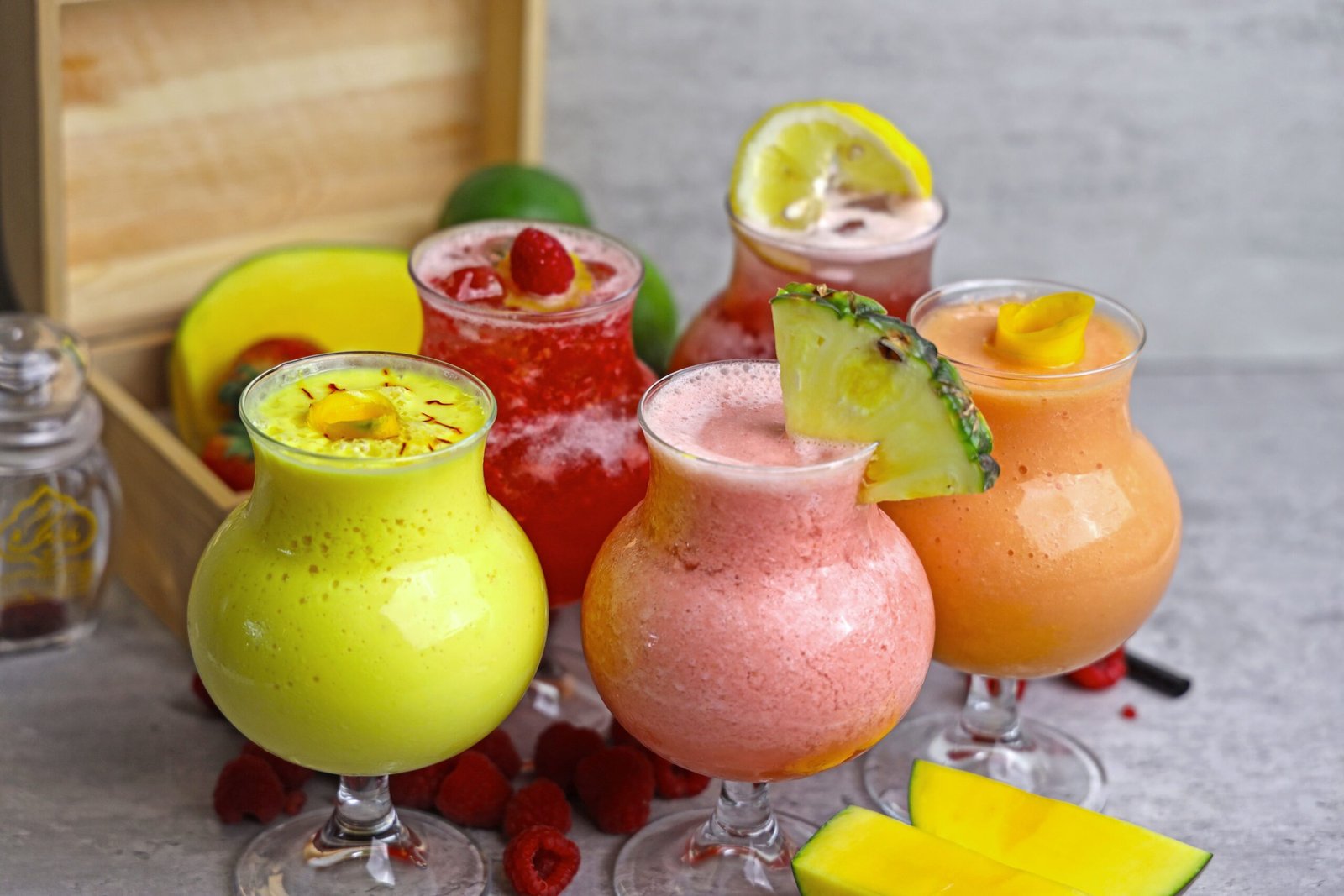
When I started making smoothies more regularly, I quickly learned that there is a huge difference between a smoothie that happens to contain fruit and a smoothie that is actually useful for weight loss. Some recipes look incredibly healthy on the surface but contain so much fruit juice, sweetened yogurt, honey, nut butter, or other calorie-dense ingredients that they end up closer to dessert than a balanced breakfast.
That does not mean smoothies are bad for weight loss. Far from it. I think a thoughtfully prepared smoothie can be one of the easiest ways to build a convenient meal around fruit, vegetables, protein, fiber, and other nutritious whole-food ingredients. The important part is understanding what belongs in the blender, how much to use, and what purpose each ingredient serves.
Over the years, I have become much more deliberate about the smoothies I make. Instead of throwing five kinds of fruit into a blender and hoping for the best, I think about protein, fiber, volume, sweetness, texture, and total calories together. In this guide, I am sharing my best smoothie recipes for weight loss, along with the principles I use to make them filling enough to actually satisfy me rather than leaving me searching for another snack an hour later.
Can Smoothies Really Help With Weight Loss?
A smoothie does not directly cause the body to burn fat, and I think that distinction is important. Weight loss ultimately depends heavily on overall energy balance and the dietary habits a person can maintain over time. The National Institute of Diabetes and Digestive and Kidney Diseases explains that people trying to lose weight generally need to reduce the calories they consume while following a nutritious eating pattern they can sustain. NIDDK — Eating & Physical Activity to Lose or Maintain Weight
Where smoothies become useful is in making that nutritious eating pattern easier and more enjoyable. Instead of grabbing a pastry, sugary coffee drink, or highly processed breakfast because I am in a hurry, I can blend Greek yogurt, berries, spinach, chia seeds, and milk in a few minutes. That gives me considerably more control over what I am eating, particularly the amount of added sugar, protein, fiber, and total calories.
The catch is that smoothies should generally replace something rather than simply being added on top of everything else I normally eat. The CDC makes a similar point when discussing fruits and vegetables for weight management: adding lower-calorie produce can be useful when it substitutes for more calorie-dense foods, but simply adding extra food still adds calories. This principle is one of the biggest reasons I treat my weight-loss smoothies as a planned breakfast, snack, or light meal rather than an unlimited “healthy” beverage.
What Makes a Good Weight-Loss Smoothie?
Whenever I create a smoothie for weight management, the first thing I consider is satiety. A 250-calorie drink that leaves me ravenous 45 minutes later is not particularly useful to me. I would rather create something slightly more substantial that includes enough protein, fiber, and volume to carry me comfortably to my next planned meal.
Protein is especially valuable in this respect. Research has investigated the relationship between dietary protein and feelings of fullness, and reviews suggest that higher-protein eating patterns can increase satiety under appropriate conditions. I therefore regularly use unsweetened Greek yogurt, cottage cheese, soy milk, kefir, or an appropriate protein powder when I need a smoothie to function as more than a small snack.
Fiber is another ingredient I intentionally prioritize. Fruits, vegetables, oats, chia seeds, flaxseed, and similar whole foods can contribute fiber, although the precise effect of different fibers on appetite varies considerably. Systematic reviews have found that some types of dietary fiber improve satiety more consistently than others, so I do not think of fiber as a magical appetite suppressant. Instead, I see fiber-rich ingredients as one part of a balanced smoothie that can also contribute valuable nutrients and improve texture.
A few principles guide nearly every weight-loss smoothie I make:
- Include a meaningful protein source when the smoothie is replacing a meal.
- Use whole fruit rather than fruit juice whenever practical.
- Include vegetables when they complement the flavor.
- Use chia, flaxseed, or oats in sensible portions for additional fiber and texture.
- Measure calorie-dense ingredients such as nut butter rather than pouring them freely.
- Choose unsweetened milk, yogurt, or plant milk when possible.
- Use ice and water to increase volume without unnecessarily increasing calories.
These rules are simple, but they make a surprisingly large difference. They also give me enough flexibility to create smoothies that taste genuinely good instead of forcing myself to drink something that feels like a bowl of liquefied salad.
How My Favorite Weight-Loss Smoothie Ingredients Compare
I do not believe there is one perfect smoothie ingredient. Some foods are especially valuable for protein, others contribute fiber, while ingredients such as frozen berries make the smoothie naturally sweeter and more enjoyable. What matters is combining ingredients strategically rather than expecting a single “superfood” to do everything.
I also pay attention to portion size. Peanut butter is nutritious, for example, but two or three oversized spoonfuls can dramatically increase the energy content of a smoothie. Chia seeds, oats, avocado, and nuts work the same way. I still use them; I simply measure them because nutritious calories are still calories.
The following table shows how I generally think about some of my most frequently used smoothie ingredients. Exact nutrition varies by brand, variety, and serving size, so I use this primarily as a practical recipe-building guide rather than a rigid ranking.
| Ingredient | Main Reason I Use It | Best Role in a Smoothie | What I Watch |
|---|---|---|---|
| Greek yogurt | Protein and creaminess | Breakfast or meal smoothie | Choose unsweetened varieties |
| Berries | Fiber, flavor, color | Almost any smoothie | Frozen berries work especially well |
| Spinach | Volume and micronutrients | Green smoothies | Start with a small handful |
| Chia seeds | Fiber and texture | Filling breakfast smoothies | Measure because calories add up |
| Ground flaxseed | Fiber and healthy fats | Berry or chocolate blends | 1 tablespoon is usually enough |
| Rolled oats | Thickness and staying power | Breakfast smoothies | Large amounts can make smoothies very heavy |
| Banana | Sweetness and creamy texture | Dessert-style or breakfast blends | Half a banana is often sufficient |
| Nut butter | Flavor and richness | Protein or chocolate smoothies | Portion carefully |
| Unsweetened soy milk | Liquid plus protein | Meal-replacement smoothies | Check labels for added sugar |
| Cucumber | Hydration and volume | Fresh green smoothies | Best paired with citrus or herbs |
I usually combine one protein-rich ingredient, one or two fruits or vegetables, a controlled amount of healthy fat or fiber, and an unsweetened liquid. That formula gives me enough variety to make dozens of combinations without losing sight of the reason I am making the smoothie in the first place.
1. Berry Greek Yogurt Protein Smoothie
This is probably the recipe I recommend first when someone asks me for the best smoothie recipes for weight loss. It is simple, familiar, naturally colorful, and easy to adapt. More importantly, it has the balance I look for in a breakfast smoothie: fruit for sweetness, Greek yogurt for protein, chia seeds for additional fiber and texture, and enough liquid to keep it drinkable.
To make it, I blend 1 cup frozen mixed berries, ¾ cup plain Greek yogurt, 1 tablespoon chia seeds, ½ to ¾ cup unsweetened milk, a handful of ice, and a small pinch of cinnamon. If the berries are particularly tart, I may add a little vanilla extract rather than automatically reaching for honey or maple syrup. Frozen berries produce a much thicker texture than fresh berries, so I rarely need additional banana.
What I like most about this combination is that it tastes like a legitimate breakfast rather than a “diet smoothie.” The Greek yogurt gives it body, while the berry flavor keeps everything fresh. If I am making this after exercise or need a more substantial breakfast, I sometimes add a small serving of rolled oats. On lighter mornings, I keep the original version and enjoy it exactly as it is.
2. Green Apple Spinach Smoothie
Green smoothies can go wrong very quickly. I have made versions that tasted overwhelmingly grassy, and drinking something I dislike simply because it is supposedly healthy has never seemed like a sustainable strategy. My approach is to let the fruit remain the dominant flavor while using leafy greens to increase the vegetable content.
For this smoothie, I blend ½ to 1 small green apple, 1 packed cup baby spinach, ½ small frozen banana, ¾ cup unsweetened Greek yogurt or soy milk, 1 tablespoon ground flaxseed, ice, water, and a squeeze of fresh lemon. A little fresh ginger also works beautifully if I want something brighter and slightly spicy. I leave the apple skin on after washing it thoroughly because I prefer using as much of the whole fruit as practical.
The result is refreshing rather than excessively sweet. Using whole fruit rather than juice is intentional because whole fruit retains its fiber. NIDDK dietary guidance emphasizes fruits, especially whole fruits instead of fruit juices, as part of a healthy eating pattern. The spinach is remarkably subtle once everything has been blended, making this one of the easiest green smoothies I have found for people who normally dislike drinking vegetables.
3. Chocolate Peanut Butter Banana Smoothie
Chocolate and peanut butter might not sound like ingredients I would include in an article about weight loss, which is exactly why I like this recipe. One of the lessons I have learned is that a weight-management diet does not have to taste aggressively “healthy.” Sometimes satisfying a chocolate craving with a structured, portion-controlled smoothie is far easier for me than trying to ignore it and eventually reaching for something much more indulgent.
My version combines ½ frozen banana, ¾ cup plain Greek yogurt, 1 tablespoon unsweetened cocoa powder, 1 tablespoon natural peanut butter, ½ to ¾ cup unsweetened milk, ice, and a dash of vanilla extract. For additional protein, a person who already uses protein powder can include an appropriate serving and adjust the yogurt accordingly. I personally avoid loading the recipe with peanut butter because its flavor is strong enough that one measured tablespoon usually does the job.
This smoothie becomes incredibly thick when the banana is frozen, almost like a milkshake. The cocoa provides the chocolate character without requiring chocolate syrup, while peanut butter supplies enough richness to make the drink feel satisfying. Portion control is the key here. Peanut butter can absolutely fit into a weight-loss eating pattern, but casually adding several tablespoons can turn a moderate smoothie into a surprisingly calorie-dense drink.
4. Strawberry Oatmeal Breakfast Smoothie
Oatmeal smoothies became a favorite of mine when I wanted the convenience of a drink but the substantial texture of breakfast. Oats thicken the mixture considerably, so this is not one I make when I want a light, refreshing beverage. I use it when I know breakfast needs to keep me going through a busy morning.
I blend 1 cup frozen strawberries, ¼ cup rolled oats, ¾ cup plain Greek yogurt, ¾ cup unsweetened milk, 1 teaspoon chia seeds, cinnamon, and ice. I sometimes soak the oats in the milk for ten minutes before blending, although a reasonably powerful blender handles dry rolled oats without much trouble. A few drops of vanilla can make the strawberries taste sweeter without requiring much additional sweetener.
The combination of oats, berries, and yogurt makes this noticeably more filling than a basic fruit smoothie. Oats also contain beta-glucan fiber, one of the fiber types investigated in satiety research. Still, I avoid claiming that oatmeal itself automatically causes weight loss. What matters more to me is that the recipe produces a satisfying breakfast that can fit within an overall calorie-controlled, nutritious eating pattern.
5. Pineapple Cucumber Ginger Smoothie
Some mornings I do not want a thick yogurt-based smoothie. I want something cold, light, and refreshing, particularly in warm weather. That is when I make this pineapple, cucumber, and ginger combination. It has plenty of flavor without requiring juice or large amounts of added sweetener.
My usual recipe includes ¾ cup frozen pineapple, ½ medium cucumber, a handful of spinach, a thin slice of fresh ginger, ½ cup plain Greek yogurt or unsweetened soy yogurt, cold water, lime juice, and plenty of ice. Fresh mint is optional but excellent. Pineapple is naturally sweet, so I generally do not see any reason to add honey.
Cucumber dramatically increases the volume of this smoothie while keeping the flavor clean and fresh. That ability to use lower-calorie fruits and vegetables to create greater food volume is one reason produce can be helpful in weight-management eating patterns. The CDC notes that the water and fiber in fruits and vegetables can increase volume while keeping calories comparatively low. I still remember that pineapple contains calories, of course, but pairing a measured serving with cucumber and spinach creates a much more balanced blend than filling the entire blender with tropical fruit.
6. Blueberry Chia Breakfast Smoothie
Blueberries and chia seeds are a combination I return to repeatedly because they produce an excellent texture with very little effort. Chia absorbs liquid and thickens over time, which means this smoothie gets even richer if I let it sit for five or ten minutes before drinking it.
I use 1 cup frozen blueberries, 1 tablespoon chia seeds, ¾ cup plain Greek yogurt, ½ cup unsweetened milk, ¼ teaspoon cinnamon, vanilla extract, and ice. Occasionally I add a small handful of spinach because blueberries hide both the color and taste reasonably well. If I want additional sweetness, I use a few extra berries rather than automatically adding syrup.
There is a tendency in wellness content to treat chia seeds as if they possess extraordinary fat-burning properties. I do not look at them that way. They are simply a useful ingredient that contributes fiber, fat, and texture. The weight-loss value of this recipe comes from the entire composition and how it fits into my daily food intake, not from chia seeds magically melting body fat.
7. Peach Cottage Cheese Smoothie
Cottage cheese in a smoothie sounds strange until you actually try it. Once blended thoroughly, it becomes remarkably creamy and provides a convenient source of protein. I particularly enjoy pairing it with peach because the mild cheese flavor almost disappears beneath the fruit.
For this recipe, I combine 1 cup frozen sliced peaches, ½ cup cottage cheese, ½ cup unsweetened milk, 1 tablespoon ground flaxseed, cinnamon, vanilla extract, and ice. The result reminds me slightly of peach cheesecake without the heavy sweetness. If the cottage cheese is especially thick, I add a little additional water or milk until the texture is right.
This is also one of my favorite examples of why smoothies do not need bananas to become creamy. Banana appears in countless smoothie recipes, but using it in every blend can eventually make everything taste the same. Cottage cheese gives me an entirely different texture while allowing the peach to remain the dominant flavor.
8. Coffee Cinnamon Protein Smoothie
When I want coffee and breakfast at the same time, this recipe is wonderfully convenient. I prepare coffee in advance, chill it, and then use it as part of the smoothie liquid. The result feels more indulgent than an ordinary breakfast smoothie but can still be built around protein-rich ingredients.
I combine ½ cup chilled coffee, ¾ cup plain Greek yogurt, ½ frozen banana, ½ cup unsweetened milk, cinnamon, ice, and optional unsweetened cocoa powder. Someone who already uses protein powder could also incorporate it here, although I recommend checking the label because formulations and serving sizes vary substantially. I never add hot coffee directly to the blender with dairy ingredients; chilled coffee works far better.
What I appreciate about this recipe is that it can replace the combination of a sweet coffee-shop drink and breakfast. That substitution matters. If I simply drank the smoothie after my normal sweetened coffee and full breakfast, I would be adding calories rather than strategically restructuring the meal.
9. Raspberry Lemon Kefir Smoothie
Raspberries are one of my favorite smoothie fruits because their sharp flavor keeps a drink from becoming overly sweet. Pairing them with lemon creates something especially refreshing, while plain kefir contributes protein and gives the smoothie a slightly tangy character.
My recipe uses 1 cup frozen raspberries, ¾ cup plain unsweetened kefir, ½ cup cold water or unsweetened milk, 1 tablespoon chia or ground flaxseed, lemon zest, a squeeze of lemon juice, and ice. I blend it longer than most smoothies because raspberry seeds can otherwise make the texture feel slightly gritty.
I also like this recipe when I am tired of heavy breakfast flavors. It feels bright and light while still being substantially different from drinking fruit juice. I choose plain kefir rather than heavily sweetened flavored versions whenever possible because berries already provide plenty of flavor.
10. Pumpkin Pie Weight-Loss Smoothie
This is the smoothie I make when cooler weather arrives and I want something that tastes like autumn. Pumpkin is naturally creamy when blended, and warming spices create the impression of sweetness even when relatively little actual sweetener is present.
I blend ½ cup plain pumpkin purée, ¾ cup Greek yogurt, ½ frozen banana, ¾ cup unsweetened milk, 1 tablespoon ground flaxseed, cinnamon, ginger, nutmeg, vanilla extract, and ice. It is important to use plain pumpkin rather than prepared pumpkin pie filling because pie filling commonly contains added sugar and other ingredients.
The smoothie comes out thick, creamy, and surprisingly dessert-like. If I want a lighter version, I reduce the banana and use additional ice. If it is replacing a substantial breakfast, I may add a small portion of oats. This adaptability is something I value because the best smoothie is not necessarily the lowest-calorie smoothie; it is the one that appropriately fits the meal it is replacing and keeps me satisfied.
How I Build a Smoothie Without Accidentally Making It Too Calorie-Dense
One of the easiest smoothie mistakes is assuming that every nutritious ingredient can be added in unlimited quantities. I have seen smoothies containing a whole avocado, two bananas, several tablespoons of peanut butter, dates, oats, protein powder, full-fat yogurt, honey, and fruit juice all in the same blender. Every individual ingredient can fit within a nutritious diet, but together they can create an extremely energy-dense meal.
I prefer starting with the purpose of the smoothie. If it is a snack, I make it smaller and simpler. If it is replacing breakfast, I deliberately include more protein and enough fiber-rich food to make it substantial. There is no universal calorie target because energy requirements differ according to body size, age, activity, health goals, and numerous other variables. NIDDK similarly notes that individual calorie needs differ according to characteristics such as age, weight, metabolism, sex, and physical activity.
These are the ingredients I pay particular attention to because portion sizes can change a smoothie quickly:
- Nut and seed butters
- Whole nuts
- Chia and flax seeds
- Avocado
- Oats and granola
- Coconut products
- Honey, maple syrup, dates, and other concentrated sweeteners
- Sweetened yogurt
- Fruit juice
I do not remove these foods automatically. Instead, I measure the calorie-dense ingredients and let vegetables, whole fruit, ice, and appropriate liquids provide much of the volume. That simple habit allows me to make satisfying smoothies without unknowingly turning them into enormous meals.
Why I Prefer Whole Fruit Over Fruit Juice
Whole fruit is my default smoothie choice because it provides considerably more structure than simply pouring juice into the blender. When I use strawberries, blueberries, raspberries, apples, peaches, pears, or similar fruit, I am blending the edible portions rather than discarding much of the fiber that would have accompanied them.
That distinction matters enough that major health guidance often specifically emphasizes whole fruit. NIDDK lists fruits—particularly whole fruits instead of fruit juice—as part of a nutritious eating pattern for people working toward weight management. That does not make an occasional splash of juice forbidden, but I personally do not need it when milk, water, kefir, or unsweetened plant milk can provide the liquid.
There is another practical reason I prefer this approach: juice can make a smoothie extremely sweet extremely quickly. Once I combine fruit juice with bananas, mango, pineapple, flavored yogurt, and perhaps honey, the drink moves far away from the balanced smoothie I originally intended to make. Using whole fruit and an unsweetened liquid gives me much better control over both flavor and overall composition.
Are Fruit Smoothies Too High in Sugar for Weight Loss?
I do not automatically fear fruit because it contains naturally occurring sugar. Fruit also provides water, vitamins, minerals, fiber, and numerous plant compounds. The bigger question for me is the overall construction of the smoothie and whether I am combining sensible amounts of whole fruit with protein and other nutritious ingredients.
Where I become more cautious is with added sugars and highly concentrated sources of sweetness. A smoothie made with sweetened yogurt, apple juice, several dates, honey, and multiple servings of fruit can contain much more sugar and energy than I intended. Removing unnecessary sweeteners is one of the simplest ways I have found to improve a recipe without making it unpleasant.
I usually start by allowing the fruit itself to provide the sweetness. Frozen ripe banana, mango, pineapple, peaches, and berries can all make a smoothie enjoyable without added sugar. Vanilla, cinnamon, nutmeg, ginger, lemon zest, cocoa powder, and mint can also create a stronger flavor profile. This is why a flavorful smoothie does not necessarily need to be an intensely sweet smoothie.
Should I Drink Smoothies for Breakfast or as a Snack?
Breakfast is the time I use smoothies most often because convenience matters enormously in the morning. A recipe containing Greek yogurt or another meaningful protein source, whole fruit, vegetables, and a modest fiber-rich addition can function as a structured breakfast when I do not have time to prepare something more elaborate.
For a snack, however, I reduce the portions. I might blend berries, plain yogurt, water, and ice rather than making one of my larger oat-and-seed combinations. This is where understanding the purpose of the smoothie becomes important. A 400-calorie breakfast and a 400-calorie drink consumed alongside a normal lunch are very different situations, even though the recipe itself has not changed.
I also do not force myself to drink smoothies every morning. Sustainable weight management is much broader than any single food. NIDDK emphasizes a long-term healthy eating pattern combined with physical activity rather than one specific diet food or drink. Some days I prefer eggs, oatmeal, yogurt with fruit, or another breakfast entirely, and I think that flexibility makes healthy eating much easier to maintain.
Mistakes I Avoid When Making Smoothies for Weight Loss
My biggest mistake when I first started making smoothies was treating them as nutritionally invisible. Because I was drinking fruit and yogurt rather than eating something I considered unhealthy, I barely thought about serving sizes. It was remarkably easy to add hundreds of extra calories through ingredients that looked healthy individually.
Another mistake was making smoothies almost entirely from fruit. A blender filled with banana, mango, pineapple, strawberries, and juice certainly tastes good, but I rarely find it as satisfying as a balanced blend containing protein. Today, I deliberately ask myself where the protein is coming from before I call a smoothie breakfast.
Finally, I avoid believing extravagant claims about “fat-burning” smoothie ingredients. Ginger, cinnamon, lemon, green tea, berries, chia seeds, and countless other foods are frequently marketed as metabolism tricks, but no smoothie ingredient replaces the fundamentals of sustainable weight management. A balanced dietary pattern, appropriate calorie intake, regular physical activity, sleep, and sustainable habits matter far more than searching for a secret ingredient.
How Smoothies Fit Into a Sustainable Weight-Loss Routine
One reason I continue making smoothies is that they reduce friction. Healthy eating becomes considerably easier when I have a meal I genuinely enjoy and can prepare in five minutes. Keeping frozen fruit, plain yogurt, spinach, chia seeds, oats, and unsweetened milk available means I almost always have the ingredients for a reasonable breakfast.
I also combine nutrition with regular movement rather than expecting diet alone to do everything. NIDDK recommends both nutritious eating and physical activity for managing body weight, noting that activity helps people use more energy and can assist with maintaining weight loss. The exact approach has to be individualized, particularly for anyone managing medical conditions, injuries, pregnancy, medications, or other circumstances that affect nutrition or exercise.
Most importantly, I think sustainable weight loss requires abandoning the idea that every meal must be perfect. I would rather make a good smoothie four mornings a week for several months than follow an extreme smoothie-only plan for five days and hate every minute of it. Consistency matters much more to me than dietary perfection, and the recipes in this article are meant to make that consistency easier.
My Final Thoughts on the Best Smoothie Recipes for Weight Loss
The best smoothie recipes for weight loss are not necessarily the greenest, lowest-calorie, or most complicated recipes. In my experience, the best ones are those that taste good, provide useful nutrition, fit your calorie needs, and keep you satisfied long enough to prevent constant snacking.
If I had to recommend only one place to begin, I would choose the berry Greek yogurt smoothie. It is simple enough for beginners and easy to customize. From there, I would experiment with spinach, oats, chia seeds, cottage cheese, cucumber, pumpkin, and different frozen fruits until I found combinations I genuinely wanted to make repeatedly.
I also encourage people to think beyond the smoothie itself. Weight management is influenced by an entire lifestyle rather than one drink. A smoothie can make nutritious eating more convenient, but long-term progress still depends on overall food intake, physical activity, sleep, consistency, individual health circumstances, and realistic habits. That perspective is what ultimately turned smoothies from another temporary “weight-loss trick” into something I can actually use as part of ordinary healthy eating.
References
I used established government health resources and peer-reviewed research databases when reviewing the nutritional principles discussed in this article. These sources are intended for further reading and scientific context rather than as endorsements of any particular diet.
National Institute of Diabetes and Digestive and Kidney Diseases (NIDDK) — “Eating & Physical Activity to Lose or Maintain Weight.” This resource discusses sustainable calorie reduction, healthy eating patterns, whole fruits, vegetables, protein foods, and physical activity for weight management.
Read the NIDDK article
Centers for Disease Control and Prevention (CDC) — “Healthy Habits: Fruits and Vegetables to Manage Weight.” This resource explains how the water and fiber contained in fruits and vegetables can help increase food volume and how substitution can help reduce overall calorie intake.
Read the CDC article
PubMed — Wanders et al., “Effects of Dietary Fibre on Subjective Appetite, Energy Intake and Body Weight: A Systematic Review of Randomized Controlled Trials.” This systematic review examines different dietary fibers and their relationships with appetite, energy intake, and body weight.
View the study on PubMed
PubMed — Clark & Slavin, “The Effect of Fiber on Satiety and Food Intake: A Systematic Review.” This research reviews controlled studies investigating whether different fiber sources influence appetite and subsequent food consumption.
View the study on PubMed
PubMed — Westerterp-Plantenga et al., “Proteins and Satiety: Implications for Weight Management.” This review examines how dietary protein may influence satiety and its potential relevance to body-weight management.
View the study on PubMed
PubMed — Westerterp-Plantenga et al., “Dietary Protein — Its Role in Satiety, Energetics, Weight Loss and Health.” This review discusses protein intake in relation to satiety, energy expenditure, body composition, and weight management.
View the study on PubMed
National Institute of Diabetes and Digestive and Kidney Diseases (NIDDK) — “Treatment for Overweight & Obesity.” This resource explains evidence-based lifestyle approaches used in overweight and obesity treatment, including healthy eating patterns and regular physical activity.
Read the NIDDK article
National Institute of Diabetes and Digestive and Kidney Diseases (NIDDK) — “Health Tips for Adults.” This resource provides guidance on balanced eating, portions, physical activity, and individualized calorie needs.
Read the NIDDK article
Disclaimer
This article is provided for general educational and informational purposes only and should not be considered medical advice, diagnosis, treatment, or individualized nutrition counseling. The smoothie recipes and weight-management information discussed here may not be appropriate for everyone, and individual calorie, protein, carbohydrate, fiber, and nutrient requirements can vary substantially based on age, body size, activity level, medical history, medications, pregnancy or breastfeeding status, allergies, kidney function, metabolic health, and other factors.
Anyone with diabetes, kidney disease, gastrointestinal conditions, food allergies, eating disorders, metabolic disorders, or another medical condition should speak with a qualified physician or registered dietitian before making substantial changes to their diet. The same applies to anyone taking medication that may be affected by changes in food intake, body weight, potassium intake, vitamin K intake, or other nutritional factors.
Finally, no individual smoothie or ingredient can guarantee weight loss. Healthy weight management generally requires a sustainable overall eating pattern and lifestyle tailored to the individual. These recipes are simply practical ideas for incorporating fruits, vegetables, protein-rich foods, and other nutritious ingredients into a balanced diet.