

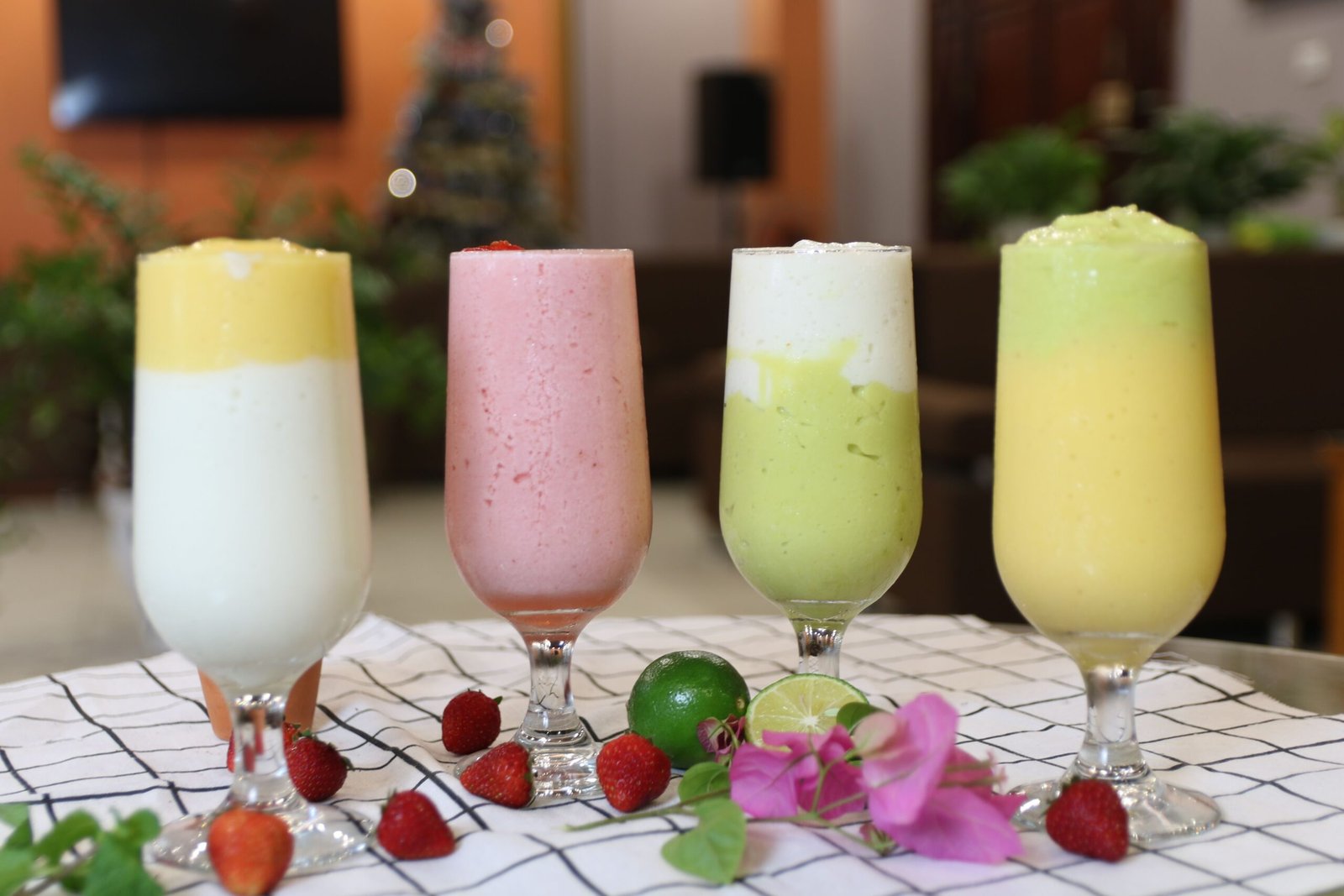
When I first started paying serious attention to smoothies as part of a healthier eating routine, I made the same mistake I see people make all the time: I assumed that anything blended with fruit automatically qualified as a healthy meal. I would throw several bananas into a blender, add fruit juice, a generous spoonful of peanut butter, flavored yogurt, honey, and whatever else sounded nutritious. The finished drink looked wonderfully wholesome, but nutritionally it could contain as much energy as a substantial meal—and sometimes it wasn’t nearly as filling. That experience changed the way I think about healthy smoothie recipes for weight loss.
Today, I approach smoothies differently. I don’t see them as magical fat-burning drinks, detox treatments, or shortcuts around the basic principles of nutrition. I see them as a practical tool. When they’re built thoughtfully, smoothies can make it easier to include fruit, vegetables, protein, fiber, and other nutrient-dense foods in a convenient meal. They can be especially helpful on mornings when cooking breakfast isn’t realistic or when I need something quick that feels more substantial than grabbing a pastry or sugary coffee drink.
The important distinction is that a weight-loss smoothie should support the overall eating pattern that creates weight loss rather than simply carrying a healthy label. Portion size, protein, fiber, total calories, added sugar, and the rest of the day’s food all matter. In this guide, I’m sharing the principles I personally use, along with practical smoothie recipes that are flavorful enough to enjoy repeatedly rather than endure for a few days before giving up.
Why Smoothies Can Fit Into a Healthy Weight-Loss Diet
A smoothie cannot force the body to burn fat simply because it contains spinach, berries, ginger, chia seeds, or another ingredient commonly associated with weight loss. Sustainable weight reduction ultimately requires an overall energy balance that supports gradual weight loss. The National Institute of Diabetes and Digestive and Kidney Diseases explains this concept through its Body Weight Planner, which considers calorie intake and physical activity when estimating changes in body weight. That is a much more useful framework than searching for one particular food that supposedly “melts fat.”
Where smoothies become valuable, in my experience, is convenience and nutritional structure. I can combine a controlled amount of fruit with vegetables, plain yogurt or another protein source, seeds, and an unsweetened liquid in a few minutes. When I’m deliberate about those ingredients, I end up with something that contributes meaningful nutrition without requiring a complicated breakfast. For someone who normally skips breakfast and becomes extremely hungry later, or someone who routinely buys a high-calorie breakfast on the way to work, a well-designed smoothie may provide a useful alternative.
There is one important catch: drinking calories can sometimes make it easier to consume more energy than intended. Harvard’s Nutrition Source notes that smoothies made from whole fruits and vegetables retain their fiber, but also points out that whole fruits and vegetables generally provide longer-lasting satiety and can make controlling calorie intake easier. That is why I don’t recommend replacing every whole-food meal with a smoothie. I use smoothies strategically rather than treating them as an all-day liquid diet. You can read Harvard’s discussion of whole fruit, juice, and smoothies here.
What I Put in a Weight-Loss Smoothie—and What I Limit
The biggest improvement I made to my smoothies was learning to build them around nutritional roles instead of randomly combining “healthy” ingredients. My basic formula starts with produce, followed by a meaningful source of protein, some fiber, enough liquid for texture, and only a modest amount of calorie-dense additions. That structure gives me much more control over what actually goes into the glass.
Protein deserves particular attention because it can contribute to fullness. Research examining dietary protein has found evidence that higher protein intake can increase feelings of satiety, although individual responses vary and more protein does not automatically mean more weight loss. A systematic review involving people with overweight or obesity found that several included studies reported improved fullness or satiety with higher protein intake, while also noting limitations in the available evidence. In practical terms, I don’t try to turn every smoothie into an extreme high-protein shake; I simply try to avoid making a breakfast smoothie from fruit and liquid alone.
Fiber is another piece of the equation, although I think it is frequently oversold online. Fiber-rich foods can certainly contribute to a satisfying, nutritious diet, but not every type of fiber produces identical effects on appetite. A systematic review published in the Journal of the American College of Nutrition found considerable variation in how different fiber interventions affected appetite and food intake. I therefore focus on naturally fiber-containing whole foods such as berries, oats, vegetables, chia seeds, flaxseed, pears, and apples rather than assuming that adding a random fiber powder will transform a smoothie into a weight-loss solution.
When I build a smoothie, these are the ingredients I reach for most often:
- Fruit: berries, apple, pear, peach, pineapple, kiwi, mango, or a modest portion of banana.
- Vegetables: spinach, kale, cucumber, zucchini, cauliflower, carrots, or cooked pumpkin.
- Protein: plain Greek yogurt, skyr, cottage cheese, unsweetened soy milk, kefir, or an appropriate protein powder if desired.
- Fiber and texture: chia seeds, ground flaxseed, oats, berries, or whole fruit with edible skin.
- Liquid: water, ice, unsweetened dairy milk, or unsweetened plant milk.
- Flavor: cinnamon, ginger, vanilla, cocoa powder, mint, lemon, lime, or a small amount of fresh herbs.
I am more cautious with fruit juice, large quantities of nut butter, coconut cream, sweetened yogurt, flavored milk, honey, maple syrup, dates, sweetened granola, and oversized portions of nuts and seeds. None of these foods needs to be branded “bad,” and several are nutritionally valuable. The issue is simply that a tablespoon here and an extra handful there can change the calorie density of a smoothie very quickly. When weight loss is the goal, awareness of quantities matters.
The Smoothie Formula I Use for Better Portion Control
There isn’t one perfect calorie target for everybody because calorie requirements depend on factors such as body size, age, activity level, goals, and health status. That is why I dislike articles promising that everyone should drink a particular 200-calorie or 400-calorie smoothie. What works as a meal for one person might function as a snack for another. I prefer starting with a balanced formula and adjusting portions according to the role the smoothie is meant to play.
For a breakfast or light meal, I usually start with approximately one to two portions of produce, include a real protein source, and add only one concentrated fat or fiber ingredient if I need it. If the smoothie is merely a snack, I make it smaller rather than drinking a full meal-sized smoothie between meals. The purpose of the drink matters just as much as the ingredient list.
The table below shows why two smoothies that both sound “healthy” can perform very differently when weight management is the goal. These are examples rather than rigid nutritional prescriptions, but they illustrate the way I evaluate a recipe before blending it.
| Smoothie Element | More Weight-Loss Friendly Approach | Easy-to-Overdo Approach | Why It Matters |
|---|---|---|---|
| Fruit | 1–2 measured portions of whole fruit | Several bananas plus mango, dates and juice | Multiple concentrated fruit sources can substantially increase total calories |
| Protein | Plain Greek yogurt, skyr, soy milk or measured protein powder | Little or no meaningful protein | Protein may improve fullness and makes a meal smoothie more balanced |
| Vegetables | Spinach, kale, cucumber, cauliflower or zucchini | No vegetables at all | Vegetables add nutrients and volume with relatively modest calories |
| Liquid | Water or unsweetened milk | Fruit juice, sweetened plant milk or sugary beverages | Sweetened liquids can add calories without much extra fullness |
| Healthy fats | 1 measured spoonful of seeds or nut butter | Several spoonfuls of nut butter plus seeds and coconut | Nutritious fats are calorie dense and portions add up quickly |
| Sweeteners | Usually none; use ripe fruit, cinnamon or vanilla | Honey, syrup, sweetened yogurt and flavored protein products together | Multiple added sweeteners can turn a smoothie into dessert |
| Portion | Sized intentionally for a snack or meal | Filling the largest blender cup automatically | Even nutritious foods contribute energy, so serving size still matters |
The difference isn’t about making smoothies tiny or joyless. In fact, overly restrictive smoothies often leave me hungry and thinking about food an hour later. My goal is to make the smoothie substantial enough to satisfy its intended purpose without loading it with ingredients that provide more calories than I realize. That’s a much more sustainable approach than trying to create the lowest-calorie drink possible.
10 Healthy Smoothie Recipes for Weight Loss
The recipes below are the type I would actually make at home. I designed them to rely primarily on whole foods, unsweetened liquids, fruit for natural sweetness, vegetables where appropriate, and protein or fiber-rich ingredients. Exact nutrition will vary depending on brands, fruit sizes, serving measurements, and substitutions, so I treat calorie figures found in any smoothie recipe as estimates rather than guarantees.
1. Berry Greek Yogurt Breakfast Smoothie. I combine 1 cup frozen mixed berries, ¾ cup plain Greek yogurt, ½ cup unsweetened milk, 1 tablespoon ground flaxseed, a small handful of spinach, cinnamon, and ice. If the mixture is too thick, I add water gradually rather than pouring in juice. Berries provide strong flavor without requiring syrup or honey, while Greek yogurt gives the smoothie considerably more body than fruit and water alone.
This is one of my favorite breakfast combinations because it strikes a good balance between sweetness, tartness, creaminess, protein, and fiber. Frozen berries also make the smoothie naturally cold and thick, so I don’t need frozen yogurt or ice cream to produce a satisfying texture. If I know I’ll have a particularly active morning, I may add a small amount of oats; if it’s simply a light breakfast, I leave them out.
2. Apple Cinnamon Oat Smoothie. For this one I blend 1 small apple, ¼ cup rolled oats, ¾ cup plain Greek yogurt or unsweetened soy yogurt, ½ to 1 cup unsweetened milk, cinnamon, ice, and a tiny amount of vanilla extract. I leave the edible apple peel intact after washing it well because it helps preserve more of the whole-fruit structure rather than turning the recipe into something based primarily on juice.
This smoothie reminds me of apple-cinnamon oatmeal but works well when I want something cold. Oats thicken quickly, so I usually start with less liquid and adjust gradually. I also give the smoothie a minute after blending because oats continue absorbing moisture. The cinnamon and vanilla create the impression of sweetness without requiring several spoonfuls of added sugar.
3. Strawberry Spinach Protein Smoothie. I use 1 cup strawberries, 1 packed handful of baby spinach, ¾ cup plain skyr or Greek yogurt, ½ cup unsweetened milk, 1 teaspoon chia seeds, ice, and a squeeze of fresh lemon. Spinach has a surprisingly mild taste once strawberries dominate the mixture, which makes this a useful recipe for people who aren’t enthusiastic about drinking obviously “green” smoothies.
The lemon is more important than it might sound because a little acidity brightens the berries and keeps the smoothie from tasting flat. I prefer that trick to sweetening everything automatically. If fresh strawberries aren’t particularly flavorful, frozen berries often work better because they tend to produce both a colder texture and a more concentrated fruity flavor.
4. Chocolate Banana Smoothie Without the Dessert Overload. I blend ½ frozen banana, ¾ cup plain Greek yogurt, 1 tablespoon unsweetened cocoa powder, ½ to ¾ cup unsweetened milk, cinnamon, vanilla, and ice. Sometimes I add 1 teaspoon of peanut butter, but I measure it instead of scooping directly from the jar. The banana provides enough natural sweetness for my taste, while cocoa gives the drink a richer flavor.
This is a good example of how I modify a smoothie that could easily become a calorie-heavy dessert. A conventional chocolate-peanut-butter smoothie might contain an entire large banana, several tablespoons of peanut butter, sweetened chocolate syrup, flavored yogurt, and whole milk. None of those ingredients needs to be feared individually, but stacking all of them together changes the nutritional picture dramatically. Using smaller amounts of the most calorie-dense ingredients allows me to keep the flavor profile without turning the smoothie into a milkshake.
5. Pineapple Ginger Green Smoothie. My version uses approximately ¾ cup frozen pineapple, a handful of spinach, ½ cucumber, ¾ cup plain Greek yogurt or unsweetened soy yogurt, fresh ginger, lime juice, water, and ice. Ginger and lime make the smoothie taste particularly refreshing, while cucumber adds volume and freshness without overpowering the pineapple.
I don’t describe this recipe as a “detox” smoothie because the body already has organs responsible for normal detoxification processes. Pineapple and ginger can be delicious ingredients, but they do not need exaggerated cleansing claims to justify using them. I would rather recommend the smoothie because it is refreshing, produce-rich, naturally sweet, and easy to fit into a balanced eating pattern.
6. Blueberry Chia Smoothie. I blend 1 cup frozen blueberries, ¾ cup plain yogurt, 1 teaspoon chia seeds, ½ cup unsweetened milk, cinnamon, ice, and water as necessary. Blueberries tend to produce a thick smoothie even without banana, making this recipe useful when I want a fruit-heavy flavor without combining multiple high-sugar ingredients.
Chia seeds absorb liquid surprisingly well, so more isn’t always better. I usually keep the quantity modest rather than dropping several tablespoons into the blender. This is one of those ingredients that perfectly illustrates an important weight-loss principle: nutritious and calorie-free are not the same thing. Seeds can contribute fiber and useful nutrients while still needing reasonable portions.
7. Peach Vanilla Protein Smoothie. I combine 1 cup frozen sliced peaches, ¾ cup plain skyr or Greek yogurt, ½ cup unsweetened milk, vanilla extract, cinnamon, and ice. When peaches are naturally sweet, I don’t find additional sweetener necessary. A squeeze of lemon can sharpen the flavor if the fruit tastes slightly bland.
This recipe works particularly well for anyone tired of banana being included in virtually every smoothie. Banana is perfectly nutritious, but relying on it every day makes smoothies taste repetitive. Rotating fruits also makes eating well feel less restrictive, which matters far more to me than chasing the supposedly perfect “fat-burning” ingredient.
8. Pear, Spinach and Ginger Smoothie. I blend one small ripe pear, a handful of spinach, ¾ cup unsweetened Greek yogurt, fresh ginger, ½ cup cold water or unsweetened milk, ice, and a pinch of cinnamon. A ripe pear provides plenty of natural sweetness and a mellow flavor that works surprisingly well with ginger.
I like this recipe during periods when berries become expensive or when I simply want something different. Leaving the pear skin on after washing it thoroughly preserves the whole-fruit character of the recipe. The smoothie won’t taste like an ultra-sweet café beverage, but that is intentional. Over time, I find that reducing dependence on intensely sweet drinks makes the natural sweetness of fruit much easier to appreciate.
9. Coffee Breakfast Smoothie. For mornings when I want coffee and breakfast together, I combine ½ frozen banana, ½ cup chilled brewed coffee, ¾ cup plain Greek yogurt, ½ cup unsweetened milk, cinnamon, cocoa powder if desired, and ice. I avoid flavored coffee syrups and let the banana provide the sweetness.
The advantage here is convenience rather than some special metabolic effect from coffee. It’s particularly easy to accidentally turn coffee smoothies into desserts by adding caramel sauce, sweetened creamers, chocolate syrup, and large quantities of nut butter. Keeping the ingredient list simple produces something that still tastes indulgent but functions more sensibly as breakfast.
10. Pumpkin Spice Smoothie. I blend ½ cup plain pumpkin puree, ½ frozen banana, ¾ cup plain Greek yogurt, ½ cup unsweetened milk, cinnamon, ginger, nutmeg, vanilla, and ice. I make sure I’m using plain pumpkin rather than sweetened pumpkin pie filling, which can be a completely different product nutritionally.
This smoothie has enough flavor from the spices that it doesn’t need much sweetness. Pumpkin contributes body and allows me to use less banana than I would in many conventional recipes. It is also a good reminder that smoothies don’t have to revolve around tropical fruit or berries. Seasonal ingredients can make the routine much more interesting without abandoning the same basic nutritional structure.
How Protein and Fiber Can Make Smoothies More Satisfying
One of my biggest complaints about poorly constructed smoothies is that they can disappear in five minutes and leave me hungry again surprisingly quickly. This tends to happen when a smoothie is primarily fruit juice, blended fruit, and ice. It may contain vitamins and taste wonderful, but if I’m drinking it as breakfast, I want it to function like breakfast rather than flavored hydration. That’s where protein becomes particularly useful.
Research has repeatedly examined protein’s influence on appetite. A systematic review and meta-analysis of randomized controlled trials reported that higher-protein interventions could reduce hunger and increase fullness or satiety under certain conditions. Another review examining individuals with overweight or obesity found evidence of increased fullness in several higher-protein interventions, although the authors cautioned that the overall evidence had limitations. I take a moderate lesson from this rather than an extreme one: including a meaningful source of protein is reasonable when a smoothie is supposed to replace a meal. Readers interested in the research can review the PubMed paper here.
Fiber also contributes to the physical structure and nutritional quality of the smoothie. Whole berries, apples, pears, oats, vegetables, chia, and flax are some of my preferred options. Still, I avoid making exaggerated promises that any particular fiber ingredient will eliminate hunger. Research shows that fiber’s effects on appetite can differ substantially depending on its type and characteristics. One systematic review found that the effects of fiber interventions on appetite and food intake were inconsistent, while another review suggested that more viscous fibers may influence appetite differently from less viscous types. The broader lesson is much more useful than a miracle claim: build the smoothie from whole, minimally processed foods and evaluate whether it actually keeps you satisfied.
Common Smoothie Mistakes That Can Slow Weight-Loss Progress
The first mistake I watch for is what I call the “healthy ingredient pileup.” Someone starts with a banana, then adds mango because fruit is healthy, dates because they’re natural, peanut butter for protein, chia seeds for fiber, avocado for healthy fat, oats for whole grains, yogurt for probiotics, honey for antioxidants, and finally almond milk. Every ingredient can have nutritional value individually, yet the final smoothie may be far more energy-dense than the person intended. Healthy ingredients still count toward overall energy intake.
Another common mistake is relying too heavily on fruit juice. I prefer blending whole fruit because the fiber-containing pulp and flesh remain in the drink. Harvard’s Nutrition Source specifically distinguishes whole-fruit smoothies from juice and notes that smoothies made using the whole fruit retain fiber, although eating intact fruits and vegetables can generally provide longer-lasting satiety. That distinction is why I usually use water or unsweetened milk as the liquid base rather than orange juice, apple juice, or bottled fruit blends.
The third mistake is drinking a smoothie in addition to a normal meal without realizing it. If I make a 350-calorie breakfast smoothie and then eat the same breakfast I would normally have eaten, the smoothie hasn’t replaced anything; it has simply become additional food. This is why I always decide whether I’m making a meal, a snack, or a beverage before choosing the ingredients.
A few other habits I keep an eye on include:
- Using sweetened yogurt and then adding another sweetener.
- Pouring nut butter directly from the jar instead of measuring it.
- Assuming “natural” sweeteners such as honey or maple syrup do not count as added sugar.
- Using multiple scoops of protein powder when ordinary food already provides enough protein.
- Making enormous portions simply because the blender container is large.
- Drinking smoothies so quickly that the meal barely registers as eating.
None of these habits needs an all-or-nothing rule. I simply believe awareness is much more effective than pretending calories cease to matter when an ingredient is organic, natural, plant-based, high-protein, or marketed as a superfood.
How I Fit Weight-Loss Smoothies Into a Full Day of Eating
I get better results from smoothies when I think about my entire day rather than trying to make one drink nutritionally perfect. If my breakfast smoothie contains yogurt, berries, spinach, flaxseed, and milk, I don’t need to add every other healthy food in my kitchen. I can eat nuts later, have avocado with lunch, eat whole grains at dinner, and enjoy additional fruit as a snack. Nutrition works across meals, not exclusively inside one blender cup.
I also pay attention to whether the smoothie genuinely satisfies me. A recipe that looks impressive on paper but leaves me hungry 45 minutes later isn’t particularly useful as a meal. I might increase its protein, include oats, make the texture thicker, or simply decide that I prefer eating those foods instead. Whole foods can require more chewing and take longer to consume, which is one reason I don’t believe everyone needs to drink breakfast merely because smoothies are convenient.
Most importantly, I don’t treat a smoothie as compensation for overeating or as punishment after an indulgent day. That mindset tends to create an unhealthy cycle of restriction and overeating rather than a sustainable pattern. A smoothie is simply food in blended form. I want it to contribute to a pattern that includes vegetables, fruit, adequate protein, whole grains where appropriate, healthy fats, water, physical activity, sleep, and enough flexibility to enjoy eating.
Should You Drink a Smoothie Every Day for Weight Loss?
You certainly can include smoothies regularly if they work well for your preferences, nutrition needs, digestion, lifestyle, and calorie requirements. I personally think consistency matters more than novelty. If one berry-yogurt smoothie makes breakfast significantly easier and helps someone stick with a nutritious eating routine, there is no requirement to invent a different recipe every morning.
At the same time, I wouldn’t recommend depending on smoothies for most meals unless a qualified healthcare professional has advised a specific liquid diet for a medical reason. Eating intact foods provides variety in texture, chewing, satisfaction, and meal experience. Harvard’s discussion of smoothies similarly emphasizes that whole fruits and vegetables remain the preferred choice and that smoothies should not completely replace consuming them in whole form.
The best frequency is therefore the frequency that makes the smoothie useful without crowding out the rest of a balanced diet. For one person, that might mean a smoothie three mornings per week. For another, it might mean a daily breakfast. Someone else may find smoothies insufficiently satisfying and prefer oatmeal, eggs, yogurt with fruit, or another breakfast entirely. Weight loss does not require smoothies, and smoothies do not guarantee weight loss. They are simply one flexible option.
How I Make These Smoothies Taste Better Without Loading Them With Sugar
The easiest way I’ve found to make healthier smoothies enjoyable is to stop thinking sweetness is the only source of flavor. Cinnamon, vanilla, ginger, mint, cocoa, lemon zest, lime juice, coffee, nutmeg, cardamom, and other seasonings can completely change the character of a smoothie. Frozen fruit also tends to give me a richer, colder texture that feels more satisfying than blending room-temperature fruit with lots of liquid.
Acidity is particularly underrated. A squeeze of lemon or lime can make strawberries, blueberries, pineapple, peaches, and mango taste brighter without requiring additional sugar. Texture matters too. Using frozen berries, a little yogurt, ice, or a modest amount of oats can create a thick smoothie that feels substantially different from drinking fruit-flavored water.
I also give my palate time to adapt. If someone regularly drinks very sweet beverages, a smoothie without honey or syrup may initially taste bland. Gradually reducing added sweetness can make the natural flavor of fruit more noticeable. I prefer this approach to relying on artificial “diet” rules where everything has to taste aggressively sweet despite containing almost no calories.
What I Would Avoid in a “Fat-Burning” Smoothie
I’m skeptical whenever I see a recipe claiming that one ingredient will “activate fat burning,” “melt belly fat overnight,” “detox the liver,” or produce dramatic weight loss independently of overall calorie intake. Ginger, lemon, green tea, cinnamon, berries, spinach, and other popular smoothie ingredients can certainly belong in a healthy diet. That does not mean adding them to a blender produces a special biochemical shortcut around energy balance.
I also avoid extreme smoothie cleanses. Replacing normal food with very low-calorie drinks for days may cause the scale to move temporarily, but rapid changes can include water and stored carbohydrate changes rather than representing straightforward body-fat loss. More importantly, extremely restrictive approaches can be difficult to maintain and may fail to provide adequate nutrition depending on how they are designed.
What I prefer is less exciting but far more practical: a moderate calorie deficit, enough protein, plenty of nutrient-dense foods, regular physical activity, adequate sleep, and eating habits I could realistically maintain after reaching my goal. The NIDDK’s weight-management resources are a much better starting point for understanding sustainable weight control than social-media detox claims. Their evidence-based information is available through the NIDDK weight-management resource center.
My Final Thoughts on Healthy Smoothie Recipes for Weight Loss
After experimenting with smoothies for years, I’ve become much less interested in finding the ultimate weight-loss recipe and much more interested in creating smoothies that solve practical problems. If a smoothie helps me get a protein-rich breakfast on a rushed morning, include berries and greens more consistently, avoid an impulse bakery stop, or prepare something nutritious when I have very little time, it is doing something useful.
The recipes I return to are rarely the elaborate ones with fifteen ingredients. They’re usually combinations of one main fruit, perhaps a vegetable, a reliable protein source, a modest fiber-containing ingredient, unsweetened liquid, ice, and flavor from spices or citrus. That simple formula gives me enough room to change flavors without losing control of portions.
Ultimately, healthy smoothie recipes for weight loss work best when we stop treating them as magical drinks and start treating them as meals or snacks with nutritional consequences just like any other food. A smoothie can support weight loss, but the overall eating pattern remains far more important than what happens inside a blender. Build it thoughtfully, drink it because you genuinely enjoy it, and make it one part of a lifestyle you can realistically continue.
References
The following research and evidence-based resources informed the nutritional principles discussed in this article:
1. Harvard T.H. Chan School of Public Health – The Nutrition Source
Common Questions About Fruits and Vegetables – Are Smoothies and Juices Just as Good as Eating Whole Fruits and Vegetables?
https://nutritionsource.hsph.harvard.edu/common-questions-fruits-vegetables/
2. National Institute of Diabetes and Digestive and Kidney Diseases (NIDDK/NIH)
About the Body Weight Planner
https://www.niddk.nih.gov/health-information/weight-management/body-weight-planner
3. NIDDK – National Institutes of Health
Weight Management
https://www.niddk.nih.gov/health-information/weight-management
4. PubMed – National Library of Medicine
Dietary Protein and Appetite Sensations in Individuals With Overweight and Obesity: A Systematic Review
https://pubmed.ncbi.nlm.nih.gov/32648023/
5. PubMed – National Library of Medicine
Effect of Short- and Long-Term Protein Consumption on Appetite and Appetite-Regulating Gastrointestinal Hormones: A Systematic Review and Meta-Analysis of Randomized Controlled Trials
https://pubmed.ncbi.nlm.nih.gov/32768415/
6. PubMed – National Library of Medicine
Dietary Protein – Its Role in Satiety, Energetics, Weight Loss and Health
https://pubmed.ncbi.nlm.nih.gov/23107521/
7. PubMed – National Library of Medicine
The Effect of Fiber on Satiety and Food Intake: A Systematic Review
https://pubmed.ncbi.nlm.nih.gov/23885994/
8. PubMed – National Library of Medicine
Effects of Dietary Fibre on Subjective Appetite, Energy Intake and Body Weight: A Systematic Review of Randomized Controlled Trials
https://pubmed.ncbi.nlm.nih.gov/21676152/
Disclaimer
This article is provided for general informational and educational purposes only and is not intended to diagnose, treat, cure, or prevent any disease. It should not be considered individualized medical, nutritional, or weight-management advice. Calorie needs, appropriate weight-loss rates, protein requirements, carbohydrate requirements, and other nutritional needs vary considerably between individuals.
If you have diabetes, kidney disease, gastrointestinal conditions, food allergies, an eating disorder or history of disordered eating, are pregnant or breastfeeding, take medications affected by dietary changes, or have another medical condition, consult a physician or appropriately qualified registered dietitian before making major changes to your diet. Children and adolescents should not follow calorie-restricted weight-loss plans without appropriate professional supervision.
The smoothie recipes in this article are examples rather than prescribed meal plans. Ingredient quantities and nutritional values can vary based on brands, serving sizes, substitutions, and preparation methods. No smoothie or individual ingredient can guarantee weight loss. Long-term weight management depends on the broader combination of dietary intake, physical activity, individual physiology, sleep, health status, behavior, and other personal factors.