

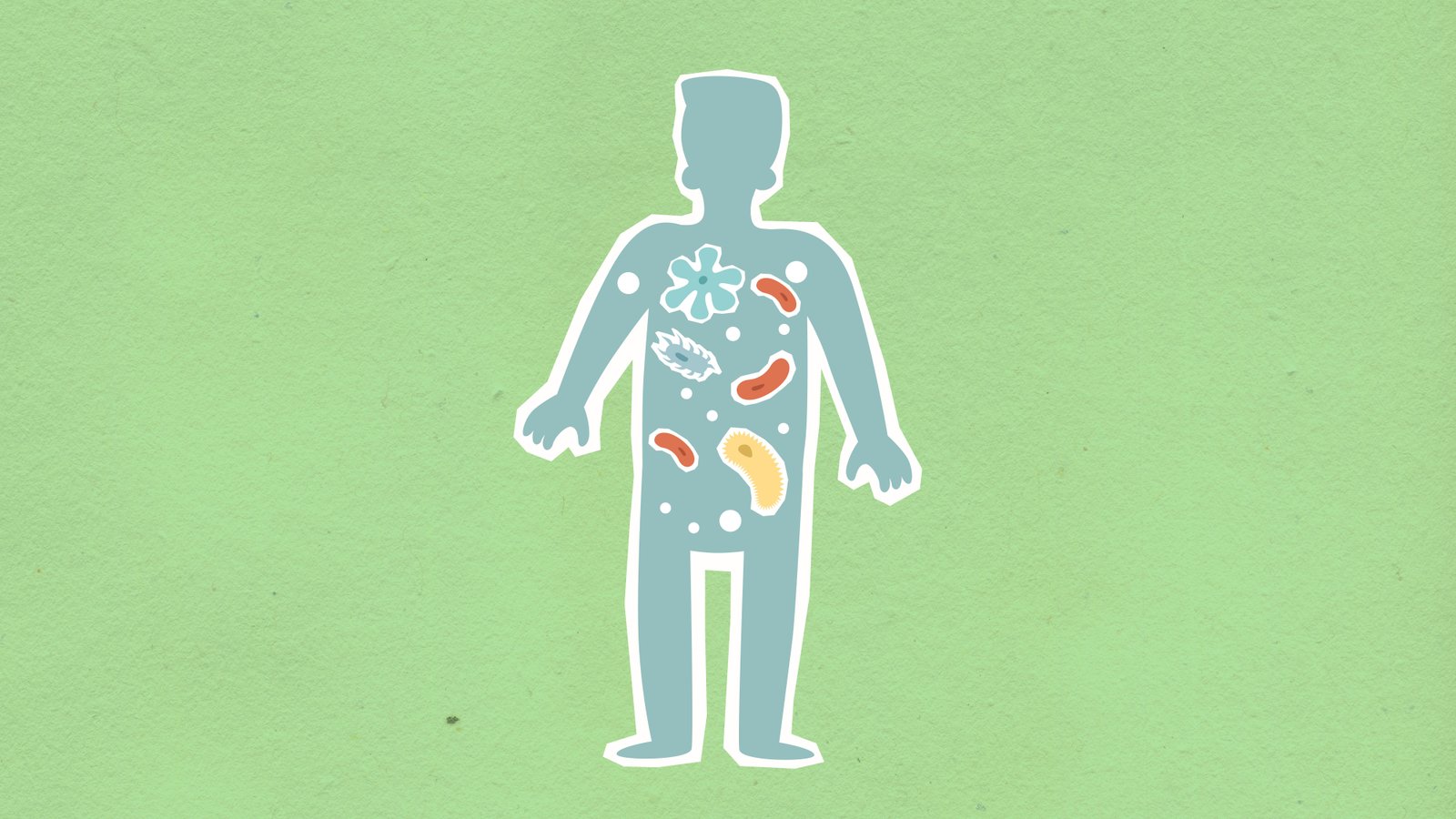
For years, I thought about digestive health in fairly simple terms. If my stomach felt comfortable, my digestion seemed regular, and I was not dealing with obvious gastrointestinal problems, I assumed everything was working as it should. The more I learned about the human microbiome, however, the more I realized that the digestive system is far more complex than that. Inside the gastrointestinal tract lives an enormous community of microorganisms that constantly interacts with the food we eat, the intestinal lining, the immune system, and many aspects of normal human physiology.
That realization completely changed how I think about the importance of microbiome balance. Gut health is not simply about avoiding occasional bloating or maintaining regular bowel movements. The microbiome is an active biological ecosystem, and the substances produced by intestinal microorganisms can interact with our intestinal cells and immune system in remarkably sophisticated ways. Researchers now recognize the gut microbiome as an important contributor to digestion, metabolism, colonization resistance, immune development, and the maintenance of the intestinal environment.
At the same time, I think microbiome discussions sometimes become more dramatic than the science justifies. I regularly see claims suggesting that practically every physical problem begins in the gut or that a particular supplement can somehow “reset” the microbiome overnight. The scientific picture is far more interesting—and far more nuanced—than those marketing slogans.
A balanced microbiome is not necessarily a gut filled with the maximum possible number of “good bacteria.” There is no single perfect microbiome that every healthy person needs to have. Different people naturally have different microbial communities. What appears especially important is whether that ecosystem remains resilient, performs useful metabolic functions, interacts appropriately with the intestinal barrier and immune system, and avoids major disturbances that allow potentially troublesome microorganisms to dominate.
That is the perspective I want to explore here: what microbiome balance really means, why it matters, what can disturb it, how everyday diet and lifestyle choices influence it, and where microbiome-focused supplements such as SodaTide may reasonably fit into a broader gut-health strategy.
What Is the Gut Microbiome?
When I use the phrase gut microbiome, I am referring to the enormous ecosystem of microorganisms and their genetic material associated with the gastrointestinal tract. Bacteria receive most of the attention, but the intestinal ecosystem is considerably more complicated and includes other microorganisms as well.
I find it helpful to imagine the gut less like an empty digestive tube and more like a densely populated biological environment. These organisms are not simply passengers waiting for food to pass through. Many participate in metabolic reactions that human cells cannot perform efficiently on their own. They interact with dietary compounds, produce metabolites, compete with other microorganisms, and communicate indirectly or directly with cells along the intestinal surface.
The National Center for Complementary and Integrative Health explains that many microorganisms living in and on the human body perform useful functions, including helping with food digestion and producing certain vitamins. Research following the NIH Human Microbiome Project has increasingly investigated how microbial communities are connected with normal physiology and disease.
One of the most fascinating parts for me is that the microbiome is not static. It can respond to diet, medications, environmental exposures, illness, age, and many other influences. That adaptability is useful because it allows microbial communities to respond to changing circumstances, but it also means that certain disruptions can reshape the ecosystem.
This is where the idea of microbiome balance becomes important.
What Does “Microbiome Balance” Actually Mean?
I used to picture microbiome balance as a simple competition between good bacteria and bad bacteria. The more beneficial bacteria, the better the gut; the more harmful bacteria, the worse the gut. That model is convenient, but it is too simplistic.
Modern microbiome science increasingly treats the gut as an ecological network. A microorganism that behaves harmlessly in one context may behave differently when the surrounding microbial community changes. Microbes also interact with each other. One species may consume a dietary compound and produce a metabolite that another species then uses to produce something else.
Consequently, microbiome balance is better thought of as a stable and functional ecosystem rather than an exact bacterial recipe.
Microbial diversity often receives attention because ecosystems containing a broad range of organisms may have greater functional redundancy and resilience. However, even diversity needs context. Researchers have noted that although higher microbial richness and evenness are frequently associated with healthy communities, studies looking at dietary fiber and overall microbial diversity have not always produced identical results.
For me, the practical lesson is important: microbiome health cannot be reduced to one number, one species, or one probiotic strain.
What matters includes the community’s overall composition, what those microorganisms are actually doing, which metabolites they produce, how stable the ecosystem is when challenged, and how it interacts with the intestinal lining and the rest of the body.
That is a much more realistic definition of balance.
Why the Importance of Microbiome Balance Goes Beyond Digestion
Digestion is an obvious place to begin because microbes help process compounds that reach the large intestine. Yet one of the reasons I now take microbiome health more seriously is that microbial activity has implications beyond simply breaking down food.
The intestinal microbiome participates in several interconnected processes involving dietary fermentation, intestinal barrier integrity, microbial competition, immune signaling, and metabolic activity. These relationships help explain why researchers are interested in microbiome science across such a broad range of health fields.
It is still important to separate association from causation. Scientists regularly observe differences in microbiome composition among people with different diseases, but that does not automatically prove that altered bacteria caused the disease. Illness itself, medications, dietary changes, genetics, and other factors can also change the microbiome.
Even with that caution, there are well-established biological mechanisms showing that intestinal microbes can meaningfully interact with human physiology.
The Microbiome Helps Extract Value From Fiber
Dietary fiber illustrates the relationship beautifully.
Human digestive enzymes cannot completely break down many types of fiber. Once these compounds reach the colon, however, certain intestinal bacteria can ferment them. Through this fermentation process, microbes produce substances known as short-chain fatty acids, particularly acetate, propionate, and butyrate.
These compounds have become one of the most intensely studied bridges between diet, gut microorganisms, and human biology. Reviews published in the scientific literature describe short-chain fatty acids as important microbial metabolites involved in intestinal barrier function, metabolism, and immune signaling.
This is one reason I prefer thinking of fiber as more than something that simply “keeps you regular.” Certain fibers serve as substrates for intestinal microorganisms, and what those microbes do with those substrates can influence the chemical environment inside the colon.
The Connection Between Microbiome Balance and the Gut Barrier
The intestinal lining has a difficult job. It has to allow nutrients and other useful compounds to move appropriately while maintaining a controlled boundary between the contents of the intestine and internal tissues.
That boundary is not simply a passive wall.
Intestinal epithelial cells, mucus, immune components, tight junction proteins, and microorganisms all participate in maintaining the intestinal environment. Microbial metabolites can influence several of these processes.
Butyrate is particularly interesting because colon cells can use it as an energy source, and research has connected it with the maintenance of epithelial barrier function. Current reviews of short-chain fatty acids discuss their roles in supporting tight-junction function, mucus secretion, immune regulation, and intestinal epithelial metabolism.
I think this is one of the clearest examples of why the microbiome should not be viewed simply as a collection of bacteria. The metabolic products generated by microbes can be just as important as the organisms themselves.
A microbiome that effectively transforms certain dietary fibers into useful metabolites may therefore contribute to a very different intestinal environment than one with substantially altered metabolic capabilities.
Microbiome Balance and the Immune System
The connection between the microbiome and immunity is another area that changed my understanding of gut health.
A large immune interface exists along the gastrointestinal tract, which makes sense when you think about what passes through it every day. Food components, microbes, microbial products, and potential pathogens constantly interact with the intestinal environment. The immune system needs to respond to genuine threats without launching unnecessary inflammatory reactions against everything it encounters.
Gut microorganisms and their metabolites participate in that communication.
Short-chain fatty acids have been studied for their effects on epithelial cells and several types of immune cells. Researchers have described mechanisms involving regulatory immune responses, inflammatory signaling, antibody activity, and maintenance of mucosal barrier function.
This does not mean that eating a certain food or taking a probiotic automatically “boosts” immunity in some universally beneficial way. Immune biology is far more complex than that.
In fact, I prefer the idea of immune regulation rather than immune boosting. A healthy immune system needs the ability to respond appropriately. More immune activity is not necessarily better.
The microbiome appears to be one participant in maintaining that balance.
Microbiome Balance and Protection Against Unwanted Microbes
Another microbial function I find fascinating is something researchers call colonization resistance.
Your intestinal ecosystem already contains organisms competing for space and nutrients. A well-established microbial community can make it more difficult for certain potentially harmful organisms to gain a foothold.
That protection can involve multiple mechanisms. Resident organisms compete for available nutrients, modify the chemical environment, produce microbial metabolites, and interact with immune defenses.
This does not make the microbiome an impenetrable shield, of course. Pathogens can still cause infections, and microbiome health should never be treated as a substitute for appropriate medical care.
Nevertheless, colonization resistance is a recognized function of the intestinal microbiome, and it demonstrates why indiscriminately changing microbial communities can sometimes have unintended consequences. Reviews examining antibiotic-related microbiome disruption, for example, describe the microbiome’s normal roles in pathogen colonization resistance, immune development, and food metabolism.
What Happens When the Microbiome Becomes Disrupted?
The word dysbiosis is commonly used to describe an unfavorable alteration in a microbial community.
I use that term cautiously because dysbiosis does not have one universal definition applicable to every person and every condition. There is no single stool-test pattern that automatically proves someone has an unhealthy microbiome.
Still, substantial disruptions can occur.
Microbial diversity can decrease, certain organisms can become more or less abundant, metabolic activity can change, and the overall community can become less resilient. The consequences depend heavily on what caused the disturbance and the individual involved.
One of the clearest examples is antibiotic exposure.
Antibiotics are enormously important medicines, and I would never suggest avoiding a medically necessary antibiotic merely because it may influence gut bacteria. Their ability to treat bacterial infections saves lives.
At the same time, antibiotics generally cannot distinguish perfectly between the bacteria causing an infection and every harmless organism living elsewhere in the body. Scientific reviews have documented changes in gut microbial composition, richness, diversity, and resistance genes following antibiotic exposure, although the extent and duration vary considerably among antibiotics and individuals.
This provides a powerful reminder that microbiome balance can be resilient while still being vulnerable to significant disturbances.
Diet May Be One of the Most Practical Tools We Have
Whenever I read about expensive microbiome protocols, I return to a surprisingly ordinary starting point: food.
Diet provides the raw material that both human cells and intestinal microbes encounter every day. Changing dietary patterns can therefore change the substrates available to different microorganisms.
For most people, I believe this is a more useful place to begin than obsessing over a single “superfood.”
A varied plant-rich diet can provide numerous forms of dietary fiber, resistant starch, and other compounds that reach or influence the intestinal microbiome. Vegetables, fruits, legumes, whole grains, nuts, and seeds each provide somewhat different nutritional environments, which is one reason variety matters.
Research examining dietary fiber and the microbiome suggests that fiber intake can influence microbial composition and metabolism, although individual responses differ and not every type of fiber produces identical effects.
What I take from this is that feeding the microbiome should not become another restrictive diet trend. In many cases, supporting microbial diversity means doing almost the opposite: increasing the variety of nutritious whole plant foods that the digestive system encounters.
Why Fiber Deserves Special Attention
Fiber is probably the dietary factor I think about most when considering long-term microbiome support.
Different fibers have different structures, and microorganisms vary in their ability to use them. This creates a complex cross-feeding network in which the product created by one microorganism may become the fuel for another.
Fermentable fibers can contribute to the generation of short-chain fatty acids, which, as discussed earlier, can interact with colon cells, immune pathways, and intestinal barrier function.
That does not mean everyone should suddenly consume enormous amounts of fiber.
For someone accustomed to a low-fiber diet, increasing intake too quickly may lead to gas, bloating, or discomfort. People with certain gastrointestinal conditions may also need individualized dietary strategies.
I generally see gradual dietary diversity as a more sensible goal than attempting to reach an impressive fiber number overnight. Water intake, food tolerance, existing health conditions, medications, and overall dietary quality matter too.
The microbiome tends to respond to patterns, not nutritional stunts.
Fermented Foods Are Interesting—But They Are Not Magic
Fermented foods are another area where microbiome research has become especially interesting.
Foods such as yogurt, kefir, kimchi, sauerkraut, and certain other fermented products may contain microorganisms or compounds produced during fermentation. However, not every fermented food necessarily contains live microorganisms by the time it reaches the consumer, particularly if processing or heat treatment eliminates them.
One notable randomized dietary intervention published in Cell compared high-fiber and high-fermented-food diets in healthy adults. In that study, the fermented-food intervention was associated with increased microbiome diversity and reductions in several inflammatory markers, while the high-fiber intervention produced different microbiome and immune responses that varied among participants.
I find this study valuable because it demonstrates two things at once.
First, food can measurably influence the microbiome and immune system.
Second, microbiome responses are not always identical between individuals. That makes broad promises such as “eat this food and completely repair your microbiome” difficult to justify.
Fermented foods can certainly be part of a nutritious diet when tolerated, but they are one component of a much bigger picture.
Prebiotics and Probiotics Are Not the Same Thing
The terminology around gut supplements can become confusing, so I think the distinction is worth making.
Probiotics are live microorganisms intended to provide a health benefit when administered appropriately. Prebiotics are substrates that are selectively used by microorganisms in a way that confers a health benefit. Products combining both approaches are commonly referred to as synbiotics.
In everyday conversation, however, practically anything related to intestinal bacteria gets described as a probiotic.
That creates unrealistic expectations.
A probiotic does not permanently “install good bacteria” in everyone who takes it. Effects can depend on the exact microorganism, strain, dose, formulation, health condition being studied, and the individual receiving it.
The NCCIH specifically emphasizes that different probiotic microorganisms can produce different effects. Evidence supporting one particular strain for one purpose cannot automatically be applied to another strain or another condition.
That detail is extremely important when evaluating supplements.
How Supplements Can Help Support Microbiome Balance
I do think supplements can have a place in a microbiome-support strategy, but I see them as supporting tools rather than substitutes for the foundations of gut health.
Depending on their ingredients, microbiome-oriented supplements may provide probiotics, prebiotic fibers, plant compounds, digestive-support ingredients, or combinations of several approaches.
A probiotic formulation, for example, may introduce specific live microorganisms. A prebiotic formulation may instead provide fermentable substrates that certain resident organisms can use. A synbiotic may combine the two.
Research into probiotics is substantial, but results remain highly strain- and condition-specific. NCCIH notes that probiotics have shown promise in certain contexts, including some forms of antibiotic-associated diarrhea, while evidence for many other uses remains incomplete or inconsistent.
This distinction matters because I frequently see probiotic products marketed as though every strain provides the same universal benefits.
They do not.
Where a Supplement Such as SodaTide May Fit
A product such as SodaTide can be viewed within this broader supplement category, particularly if its formulation is intended to support digestion, the intestinal environment, or microbial balance.
My approach to something like SodaTide would be to evaluate the actual Supplement Facts panel and ingredient list rather than relying on the product name or marketing language alone.
If a microbiome supplement contains probiotics, I would want to know the exact strains rather than simply seeing “probiotic blend” on the label. Ideally, strain designations should be clearly identified because probiotic effects can be strain-specific.
If it contains prebiotic ingredients, I would look at the type and quantity. More is not automatically better because larger amounts of highly fermentable prebiotic fiber can cause gas, abdominal discomfort, or bloating in some people.
If SodaTide contains botanical extracts, vitamins, minerals, enzymes, or other compounds, those ingredients should be evaluated individually. I would ask whether the amount used is disclosed, whether human evidence supports the intended use, whether the ingredients have meaningful safety data, and whether potential medication interactions exist.
Most importantly, I would not expect SodaTide—or any other dietary supplement—to single-handedly create an ideal microbiome. The gut ecosystem is influenced continuously by food, medications, age, health status, environment, sleep, stress, and numerous other variables.
Supplements can potentially complement those foundations, but they cannot replace them.
There is another reason I remain cautious with supplement claims. In the United States, dietary supplements generally do not undergo FDA premarket approval for safety and effectiveness in the same manner as prescription drugs. The FDA specifically advises consumers to discuss supplements with a physician, pharmacist, or another healthcare professional because products can carry risks or interact with medications.
Because I could not verify robust independent clinical trials specifically establishing that SodaTide itself improves microbiome balance, I would treat product-specific benefits as something that needs evidence rather than assuming them from general microbiome research.
That is not an argument against supplementation. It is simply the standard I believe consumers deserve.
Why Probiotic Strains Matter More Than Most Labels Suggest
One of the biggest mistakes I see in probiotic discussions is treating all probiotics as interchangeable.
They are not.
Even microorganisms belonging to the same species can have meaningful strain-level differences. A clinical trial involving one strain cannot automatically prove that another probiotic from the same genus will produce the same effect.
This is why I become skeptical whenever a product advertises a huge number of colony-forming units while providing little information about the actual strains.
A larger CFU number is not automatically proof of greater effectiveness.
The right microorganism, appropriate dose, stability throughout the product’s shelf life, ability to survive the conditions relevant to administration, and evidence for the intended population matter more than an impressive number printed across the front of a bottle.
NCCIH emphasizes that scientists still do not know which probiotics are most useful for many health conditions, what doses are optimal in many situations, or which individuals are most likely to benefit.
That uncertainty is worth remembering before spending a premium price on a probiotic simply because it contains dozens of billions of microorganisms.
The Microbiome and the Gut-Brain Conversation
The relationship between the gut and brain is another reason microbiome research attracts so much attention.
Communication between the gastrointestinal system and nervous system is often described through the gut-brain axis. Neural pathways, immune signaling, hormones, microbial metabolites, and other biological mediators all potentially participate.
Researchers are studying how microbial metabolites may interact with nervous-system processes, but I think this is an area where public claims frequently run far ahead of clinical evidence.
I would not say that changing gut bacteria is a proven treatment for anxiety, depression, cognitive problems, or other neurological conditions unless high-quality evidence exists for a specific intervention and indication.
What I am comfortable saying is that gut-brain communication is biologically real and scientifically important, and microbiome-derived metabolites are one area under active investigation.
The lesson for me is not that the gut secretly controls every thought or emotion. It is that the body is substantially more interconnected than the old habit of treating every organ as an isolated system suggests.
Stress, Sleep, and Lifestyle Still Matter
Diet receives the majority of attention in microbiome discussions, but the intestinal ecosystem exists within a whole person.
Psychological and physical stressors, sleep disruption, circadian rhythms, exercise, illness, medications, and environmental exposures can all interact with physiology in ways that may influence microbial communities.
Reviews examining stress and the microbiome describe evidence that psychological stress, sleep deprivation, circadian disruption, dietary changes, environmental stressors, and physical activity can influence gut microbial composition or function, although the size and clinical importance of those effects vary considerably.
This is why I do not think gut health should become another isolated project requiring twenty specialized products.
The same habits that support general health—regular physical activity, adequate sleep, dietary quality, sensible stress management, and responsible medication use—also create a broader environment in which digestive health can thrive.
Sometimes the most useful gut-health strategy is not glamorous at all.
Antibiotics: Necessary Medicines That Deserve Respect
No discussion of microbiome balance feels complete without talking about antibiotics.
Antibiotics have transformed medicine and remain indispensable. When bacterial infections require treatment, concerns about the microbiome should not become a reason to ignore professional medical advice.
However, antibiotics can exert substantial ecological pressure on intestinal microorganisms.
A systematic review examining antibiotic effects on human microbiomes found alterations in microbial diversity and composition following various antibiotic treatments, with the magnitude and persistence of changes differing among drug classes and study populations.
More recent scientific reviews continue to explore how antibiotic exposure can reduce certain microbial populations, alter metabolic functions, and select for antimicrobial-resistance genes.
My takeaway is straightforward: use antibiotics when medically appropriate, not casually.
They should not be avoided when necessary, but they also should not be treated like harmless medications for conditions they cannot treat, such as viral infections.
Responsible antibiotic use protects much more than one person’s microbiome; it also helps address the broader problem of antimicrobial resistance.
Signs of Digestive Trouble Should Not Automatically Be Blamed on Dysbiosis
One problem with the popularity of microbiome content is that almost every digestive symptom now seems to be blamed on “bad gut bacteria.”
Bloating, constipation, diarrhea, abdominal discomfort, and changes in bowel habits certainly can occur alongside altered intestinal microbial patterns, but these symptoms have many possible causes.
Food intolerances, irritable bowel syndrome, inflammatory bowel disease, celiac disease, gastrointestinal infections, medication effects, motility disorders, and other conditions can produce overlapping symptoms.
That is why persistent or severe digestive problems deserve proper evaluation rather than automatic treatment with probiotics or a so-called microbiome cleanse.
I would be especially careful with unexplained weight loss, gastrointestinal bleeding, persistent vomiting, severe abdominal pain, prolonged diarrhea, anemia, fever, or major changes in bowel habits. Those symptoms should not be self-diagnosed as ordinary dysbiosis.
Microbiome science is exciting, but it should enhance healthcare rather than encourage people to avoid it.
Why I Am Skeptical of “Gut Reset” and “Detox” Promises
The language of gut health marketing often suggests that the intestinal ecosystem can be completely cleaned, reset, or rebuilt within a few days.
Biologically, that framing makes little sense to me.
The microbiome is not a computer that needs to be restored to factory settings. It is a living ecosystem shaped by years of diet, environment, age, medication exposure, genetics, immune activity, and countless microbial interactions.
Even when microbiome composition changes rapidly after dietary modification, that does not necessarily mean an entire ecosystem has permanently transformed.
I therefore approach claims such as “erase bad bacteria,” “reset your gut in seven days,” or “restore the perfect microbiome” with considerable skepticism.
A much more credible approach focuses on creating favorable conditions consistently.
That means feeding microbial communities with appropriate dietary substrates, eating a varied diet, limiting unnecessary antibiotic exposure, addressing health problems appropriately, and considering targeted supplements when there is a rational reason for using them.
Sustainable ecosystems are cultivated. They are not detoxed.
A Practical Microbiome-Support Routine I Consider Realistic
If I were simplifying everything I have learned about microbiome balance into an everyday approach, I would concentrate on consistency rather than perfection.
My first priority would be plant diversity. Instead of eating exactly the same vegetables and grains every day, I would rotate fruits, vegetables, beans, lentils, whole grains, nuts, seeds, herbs, and other minimally processed plant foods as tolerated.
Next, I would pay attention to fiber intake, increasing it gradually rather than suddenly. A diverse range of fiber-containing foods gives intestinal microorganisms different substrates to work with.
I would include fermented foods when appropriate and personally tolerated, particularly foods such as yogurt or kefir containing live cultures and traditional fermented vegetables that have not been heat-treated after fermentation.
I would also avoid treating highly processed snack foods as the foundation of my diet. This does not require perfection. The goal is simply to let nutrient-dense whole and minimally processed foods occupy most of the dietary space.
Beyond food, I would protect sleep, stay physically active, manage stress in realistic ways, and avoid unnecessary antibiotic use.
Only after those foundations were in place would I think seriously about supplements.
If I were considering SodaTide or another microbiome formula, I would inspect its ingredients and ask whether it solves a specific problem in my routine. A supplement should add something useful; it should not compensate for everything else being ignored.
That principle saves money as well as confusion.
Microbiome Balance Is Personal
Something microbiome research repeatedly reminds me of is biological individuality.
Two people can eat the same meal and experience different microbial responses. People can have very different microbial compositions while both being healthy.
Age, genetics, geography, long-term diet, medication history, environment, immune function, and numerous other factors help shape the ecosystem.
This makes personalized microbiome medicine an exciting research direction, but it also means consumers should be cautious when a company claims that one microbial composition represents perfect health for everyone.
There probably is no universal “ideal gut microbiome” that applies identically to every human being.
For practical purposes, I care more about resilience, digestive function, dietary quality, metabolic activity, and overall health than chasing a laboratory report telling me that one bacterial percentage should be slightly higher.
Microbiome testing may eventually become much more clinically useful as scientists establish stronger links between specific microbial functions and treatment decisions. For many everyday wellness decisions, however, the science is still developing.
The Bigger Lesson I Have Taken From Microbiome Research
The most important thing microbiome science has taught me is that health is cooperative.
Human biology does not operate independently of the microscopic organisms living alongside us. We provide them with an environment and nutrients, while many of them participate in metabolic processes that influence that environment in return.
Fiber becomes microbial fuel. Microbial fermentation creates metabolites. Those metabolites interact with intestinal cells and immune pathways. Diet changes the available substrates. Medications can reshape the microbial ecosystem. The ecosystem adapts and responds.
That interconnectedness is extraordinary.
But I also think the microbiome should be approached with humility. Researchers are still discovering which microbial changes are causes of disease, which are consequences, and which are simply harmless differences between people.
The smartest approach, in my view, sits between two extremes.
I would not dismiss microbiome health as internet hype because the underlying biology is substantial and increasingly well documented.
At the same time, I would not assume that every disease originates from dysbiosis or that an expensive probiotic can solve every health concern.
The importance of microbiome balance lies in maintaining a resilient, functional intestinal ecosystem—not chasing an imaginary perfect bacterial score.
Final Thoughts: Why Microbiome Balance Deserves Long-Term Attention
The deeper I explore microbiome research, the less interested I become in quick gut-health fixes.
The intestinal microbiome is simply too complex for that.
It contributes to the transformation of dietary compounds, produces biologically active metabolites, interacts with the intestinal barrier, competes with other microorganisms, and participates in communication with the immune system. Those functions give me more than enough reason to take microbiome balance seriously without exaggerating what the science can currently prove.
For me, the practical strategy is refreshingly straightforward. Eat a varied and fiber-rich diet whenever medically appropriate, include nutritious fermented foods if tolerated, remain physically active, protect sleep, use antibiotics responsibly, and treat supplements as optional tools rather than miracle solutions.
A microbiome-support supplement such as SodaTide may fit into that framework depending on its formulation, ingredient quality, dosage, tolerability, and the evidence supporting its ingredients. What I would not do is expect SodaTide—or any single supplement—to replace the daily behaviors that continuously shape the intestinal environment.
If microbiome research continues moving in its current direction, I expect we will eventually understand far more about personalized nutrition, microbial metabolites, targeted probiotic therapies, and microbiome-based medical treatments.
For now, though, I think one lesson is already clear.
Taking care of the microbiome is less about controlling every microorganism and more about creating an environment in which a healthy microbial ecosystem has the opportunity to function well.
That is a much less dramatic promise than an overnight gut reset.
It is also a far more believable one.
References
1. National Center for Complementary and Integrative Health (NCCIH) — “Probiotics: Usefulness and Safety.” This NCCIH resource provides an evidence-based overview of probiotics, the human microbiome, probiotic safety, prebiotics, and the limitations of current probiotic research. NCCIH – Probiotics: Usefulness and Safety
2. National Center for Complementary and Integrative Health (NCCIH) — “5 Things To Know About Probiotics.” This resource summarizes important considerations surrounding probiotic effectiveness, individual variability, safety, and FDA health-claim regulation. NCCIH – 5 Things To Know About Probiotics
3. Wastyk HC, et al., Cell — “Gut-microbiota-targeted diets modulate human immune status.” This randomized dietary intervention examined how high-fiber and fermented-food diets affected the human microbiome and immune system. Cell – Gut-microbiota-targeted diets modulate human immune status
4. Mann ER, et al., Nature Reviews Immunology / PubMed — “Short-chain fatty acids: linking diet, the microbiome and immunity.” This review examines the relationships among dietary factors, intestinal microbes, short-chain fatty acids, epithelial barrier function, and immune regulation. PubMed – Short-chain fatty acids: linking diet, the microbiome and immunity
5. Martin-Gallausiaux C, et al. / PubMed — “Short chain fatty acids: key regulators of the local and systemic immune response in inflammatory diseases and infections.” This scientific review explores how microbially produced short-chain fatty acids interact with intestinal barrier and immune functions. PubMed – Short chain fatty acids and immune response
6. Um CY, et al., Cancer Research Communications / PubMed Central — “Grain, Gluten, and Dietary Fiber Intake Influence Gut Microbial Diversity: Data from the Food and Microbiome Longitudinal Investigation.” This study examines dietary fiber, grains, and their associations with gut microbial diversity. PubMed Central – Dietary Fiber and Gut Microbial Diversity
7. U.S. Food and Drug Administration (FDA) — “Information for Consumers on Using Dietary Supplements.” This FDA consumer resource explains dietary-supplement regulation, potential risks, and why consumers should discuss supplement use with healthcare professionals. FDA – Information for Consumers on Using Dietary Supplements
8. U.S. Food and Drug Administration (FDA) — “Questions and Answers on Dietary Supplements.” This FDA resource explains manufacturer responsibilities, premarket requirements, supplement safety, labeling, and consumer considerations. FDA – Questions and Answers on Dietary Supplements
9. Patangia DV, et al. / PubMed — “Impact of antibiotics on the human microbiome and consequences for host health.” The review examines how antibiotic exposure can perturb microbial communities and discusses factors influencing microbiome resilience and recovery. PubMed – Understanding the impact of antibiotic perturbation on the human microbiome
10. Elvers KT, et al. / PubMed — “Effect of antibiotics on the human microbiome: a systematic review.” This systematic review evaluates evidence regarding changes in human microbial diversity and composition following antibiotic treatment. PubMed – Effect of antibiotics on the human microbiome
11. Zhang X, Feng T, Tuncil YE, Frontiers in Microbiology / PubMed Central — “Gut microbiota modulation by dietary fiber on human health: Processes and mechanisms.” This publication discusses relationships among dietary fiber, microbial metabolism, gut microbiota, and human health. PubMed Central – Gut microbiota modulation by dietary fiber
12. U.S. National Library of Medicine / PubMed — “Dietary Fiber Intake and Gut Microbiota in Human Health.” This review discusses how dietary fiber can influence gut microorganisms, microbial diversity, metabolites, and health while emphasizing the complexity and inconsistency of some microbiome findings. PubMed Central – Dietary Fiber Intake and Gut Microbiota in Human Health
Disclaimer
This article is intended for general educational and informational purposes only and should not be considered medical advice, diagnosis, treatment, or a substitute for individualized care from a qualified healthcare professional. Microbiome science is rapidly developing, and associations between specific microbial patterns and health conditions do not necessarily establish cause and effect.
Dietary supplements, including SodaTide and other products marketed for digestive or microbiome support, may not be appropriate for everyone. Supplement ingredients can cause side effects, interact with medications, or create additional risks for people with certain health conditions. Individuals who are pregnant or breastfeeding, immunocompromised, managing a chronic medical condition, taking prescription medication, preparing for surgery, or experiencing persistent gastrointestinal symptoms should speak with an appropriate healthcare professional before beginning a new supplement. No dietary supplement should be used to replace prescribed treatment or necessary medical care.