

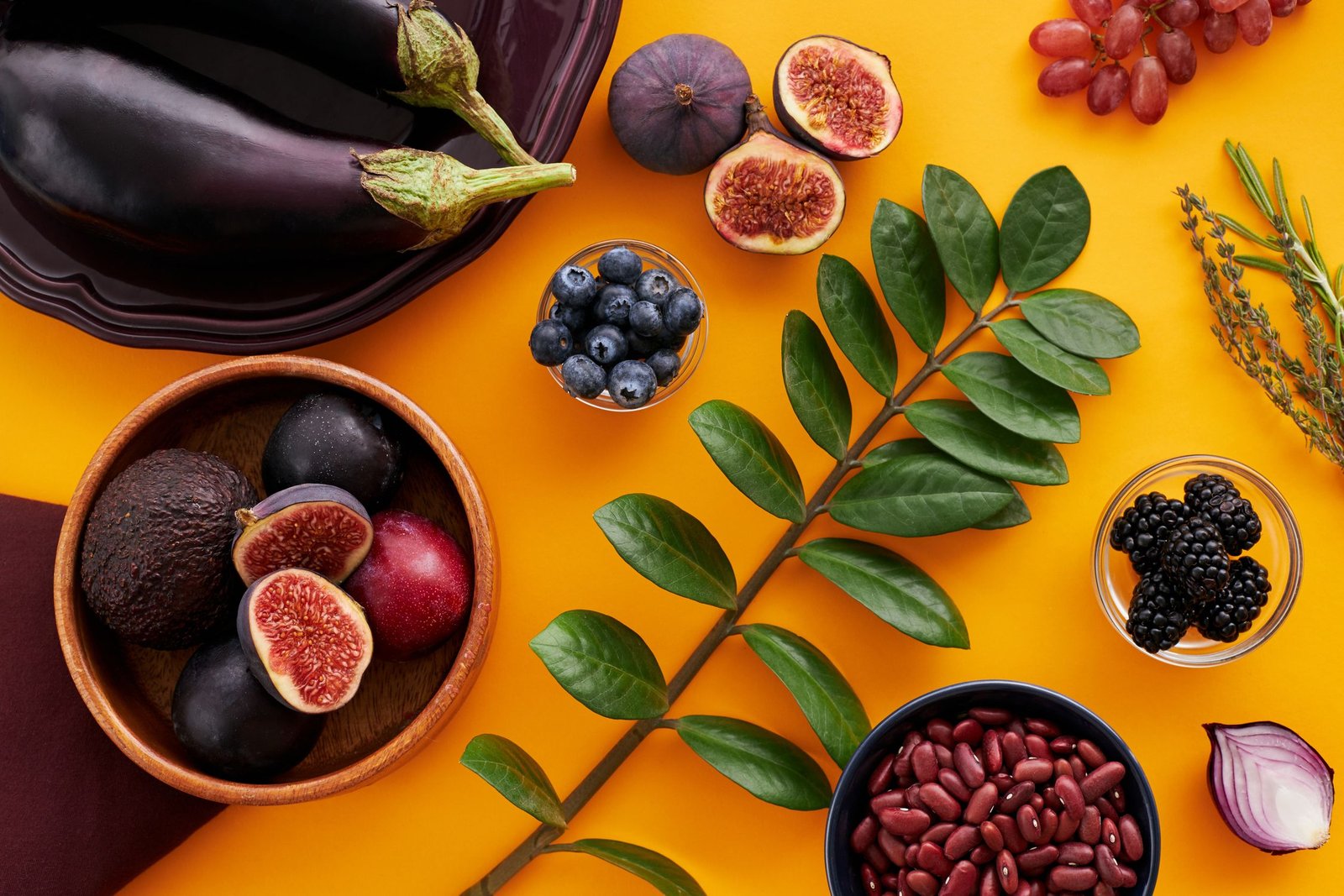
When people ask me about foods to lower blood pressure, I think the most useful place to begin is with a simple truth: improving blood pressure usually is not about discovering one magical fruit, vegetable, tea, or superfood. What matters far more is the overall pattern of what we eat day after day. A banana at breakfast cannot completely cancel a high-sodium fast-food dinner, just as adding spinach to lunch does not automatically make an otherwise heavily processed diet heart-healthy.
That is actually encouraging, because it means lowering blood pressure through food does not require me to chase expensive ingredients or follow an extreme eating plan. Some of the foods I consider most useful are remarkably ordinary: leafy vegetables, beans, berries, oats, potatoes, yogurt, nuts, seeds, fish, whole grains, and fruit. The real skill is learning how to build meals around these foods while gradually reducing the amount of sodium, highly processed food, added sugar, and saturated fat in the diet.
This approach lines up closely with the DASH eating plan—DASH stands for Dietary Approaches to Stop Hypertension—which was developed specifically around dietary patterns associated with healthier blood pressure. DASH emphasizes vegetables, fruits, whole grains, beans, nuts, seeds, low-fat dairy products, fish and other lean proteins while reducing sodium and foods high in saturated fat. The National Heart, Lung, and Blood Institute notes that lowering sodium alongside following DASH can reduce blood pressure more effectively than either strategy alone.
In this guide, I want to go beyond simply handing you a list of healthy foods. I am going to explain why particular foods can fit into a blood-pressure-friendly diet, how I would actually eat them, what I would be careful about, and how I would turn all of this information into normal meals that are enjoyable enough to eat regularly.
Why Food Matters So Much for Blood Pressure
Blood pressure is influenced by many factors, including genetics, age, body weight, physical activity, smoking, alcohol use, medications, underlying medical conditions, stress, sleep, sodium intake, potassium intake, and the overall quality of a person’s diet. That is one reason I never like presenting food as a replacement for medical treatment. Someone who has been prescribed blood pressure medication should not stop or adjust that medication simply because they begin eating differently.
Still, diet can make an important difference.
One of the biggest nutritional relationships involves sodium and potassium. Sodium and potassium help regulate fluid balance and blood volume. Consuming excessive sodium while getting too little potassium can contribute to higher blood pressure. The CDC specifically identifies this sodium-potassium imbalance as an important blood-pressure concern.
This is where many modern diets get into trouble. Sodium is not found only in the salt shaker. A substantial amount can come from processed, packaged, prepared, and restaurant foods, meaning someone can consume a great deal of sodium without thinking that their food tastes unusually salty. The American Heart Association consequently recommends paying attention to nutrition labels and choosing lower-sodium foods when possible.
At the same time, potassium-rich whole foods—including vegetables, fruits, beans, potatoes, and dairy foods—can help create a more favorable dietary pattern. Potassium helps counter some of sodium’s effects and is involved in healthy blood-vessel function.
That combination explains why I focus less on hunting for one “blood pressure food” and more on shifting the balance of the entire plate.
1. Leafy Green Vegetables
Leafy greens are among the first foods I would increase if I were intentionally trying to improve the quality of my diet for blood pressure.
Spinach, kale, Swiss chard, collard greens, romaine lettuce, arugula, beet greens, and similar vegetables provide a mixture of potassium, magnesium, fiber, vitamins, and numerous plant compounds. DASH-style eating patterns deliberately emphasize vegetables because of this nutrient-rich combination.
What I especially like about greens is how easily I can incorporate them without completely redesigning my meals. I can scramble spinach into eggs, add kale to soup, put romaine into a wrap, stir Swiss chard into beans, or make a large salad alongside dinner.
I also do not believe every vegetable needs to become a raw salad. Cooked greens can be equally practical, especially when I want to eat larger portions. A big pile of fresh spinach shrinks dramatically when sautéed, making it easy to incorporate into pasta dishes, soups, omelets, curries, or grain bowls.
The part I would watch is preparation. If I take a naturally low-sodium vegetable and cover it with salty bottled dressing, processed meat, large quantities of cheese, or heavily salted sauces, I can quickly change the nutritional profile of the meal. I prefer herbs, lemon, vinegar, garlic, pepper, olive oil, onions, and spices when I want more flavor without automatically reaching for extra salt.
2. Bananas
Bananas probably have the strongest reputation as a potassium-rich fruit, and they absolutely can belong on a blood-pressure-friendly menu.
Potassium matters because diets that are too low in potassium—particularly when sodium intake is high—are associated with greater blood-pressure concerns. The NIH Office of Dietary Supplements also notes that insufficient potassium intake may increase blood pressure.
What I like about bananas is their convenience. They require no preparation, travel well, are naturally sweet, and work in breakfast, snacks, and desserts.
I might slice a banana onto oatmeal, blend one into a smoothie, eat it alongside unsalted nuts, or freeze ripe bananas and blend them for a simple frozen dessert. That gives me sweetness without automatically depending on pastries, candy, or heavily sweetened breakfast products.
However, bananas are only one source of potassium. I would never build an entire blood-pressure strategy around eating several bananas every day. Beans, potatoes, leafy vegetables, yogurt, avocado, squash, and many other foods can contribute potassium as well.
For me, variety wins.
3. Berries
Blueberries, strawberries, raspberries, and blackberries are some of my favorite fruits to recommend because they make a healthy eating pattern feel enjoyable rather than restrictive.
Berries provide fiber and a broad range of plant compounds while fitting naturally into the fruit-rich pattern recommended in DASH and heart-healthy diets.
I particularly like using berries to replace foods that are much more heavily sweetened. Instead of turning yogurt into dessert with syrup or large quantities of added sugar, I can add strawberries and blueberries. Instead of relying on sugary breakfast cereal for sweetness, I can combine oats with berries and cinnamon.
Frozen berries are perfectly useful for this purpose as well. In fact, I often find them more practical because they last much longer and can be added directly to oatmeal or smoothies.
What I would watch are berry-flavored products that contain very little actual fruit. A blueberry muffin, fruit-flavored yogurt, berry breakfast bar, or sweetened juice drink does not automatically provide the same nutritional profile as eating whole berries.
When I say berries, I mean the berries themselves.
4. Beans and Lentils
Beans deserve far more attention in discussions about foods to lower blood pressure.
Black beans, kidney beans, chickpeas, cannellini beans, navy beans, pinto beans, split peas, and lentils give me something that many other foods cannot provide quite as economically: fiber, plant protein, minerals, complex carbohydrates, and excellent meal-building versatility.
Legumes are part of the dietary pattern emphasized in heart-healthy and DASH-style recommendations.
One of the reasons I find beans especially valuable is that they make it easier to reduce my dependence on heavily processed or high-saturated-fat proteins without leaving a meal feeling incomplete. Lentil soup can be extremely filling. Black beans work beautifully in grain bowls and tacos. Chickpeas can go into salads, curries, soups, and homemade hummus.
The sodium issue matters here, though.
Canned beans can contain substantial sodium depending on the product. I therefore look for “no salt added” or lower-sodium versions when they are available. When using regular canned beans, draining and rinsing them is a simple habit I find worthwhile.
Dry beans are another excellent option because I have much more control over how they are seasoned.
Rather than viewing beans as merely a side dish, I like treating them as a main component of meals several times per week.
5. Oatmeal and Other Whole Grains
Oats are one of the easiest foods for me to build into a heart-conscious breakfast.
Whole grains feature prominently in the DASH eating plan, and oats have the added advantage of being affordable, simple to prepare, and easy to combine with several other foods on this list.
A bowl of oatmeal can become considerably more nutritious when I top it with berries, sliced banana, ground flaxseed, cinnamon, and a small handful of unsalted nuts. Suddenly I have whole grains, fruit, fiber, minerals, and healthy fats in one straightforward meal.
I also look beyond oatmeal.
Brown rice, barley, quinoa, bulgur, whole-grain bread, whole-wheat pasta, farro, and other minimally processed grains can provide alternatives to highly refined carbohydrate foods.
One thing I always check, however, is the nutrition label on packaged grain products. “Whole grain” does not necessarily mean “low sodium.” Bread, instant oatmeal packets, flavored rice mixes, crackers, and prepared grain bowls can contain more sodium or added sugar than I expect.
That is why plain grains provide such a useful foundation: I get to control what goes into them.
6. Potatoes and Sweet Potatoes
Potatoes sometimes get treated as though they are nutritionally useless, which I think is unfortunate.
Plain potatoes can provide potassium and other nutrients, and potatoes are specifically among the potassium-containing foods identified by public-health guidance.
The real problem often lies in what happens to the potato after it leaves the kitchen counter.
A baked potato is one thing. French fries covered in salt are another. Potato chips are something else entirely. A potato loaded with processed cheese sauce, bacon, salt, and sour cream has a drastically different overall nutritional profile from a baked potato topped with beans, herbs, vegetables, or plain yogurt.
I like both regular and sweet potatoes because they make meals satisfying. I can roast them with herbs, bake them whole, add them to soups, or combine them with beans and vegetables.
For someone trying to eat more potassium-rich whole foods, I would much rather see potatoes used intelligently than eliminated because of overly simplistic diet rules.
7. Plain Yogurt
Low-fat or nonfat dairy is another component of the traditional DASH eating pattern.
Plain yogurt is one of my favorite options because it can supply protein and important minerals while fitting into breakfast, snacks, sauces, and savory meals.
My preference is usually plain yogurt rather than heavily sweetened varieties. Some flavored yogurts contain enough added sugar that they begin resembling dessert more than a simple dairy food.
I can add my own berries, banana, cinnamon, oats, or nuts when I want sweetness and texture. Plain Greek yogurt also works nicely as the base for dips and dressings when mixed with lemon, herbs, garlic, cucumber, or pepper.
This is another example of something I notice repeatedly when improving diet quality: the healthiest choice is often not an exotic specialty product. Sometimes it is simply choosing a less processed version of an ordinary food and controlling what I add to it.
8. Nuts
Nuts are another staple I would keep around.
Walnuts, almonds, pistachios, pecans, and similar nuts provide unsaturated fats, plant protein, minerals, and fiber. Nuts and seeds are included within heart-healthy dietary patterns recommended by organizations such as the American Heart Association and NHLBI.
My biggest rule here is straightforward: when blood pressure is the concern, I generally favor unsalted or lightly salted nuts.
It is remarkably easy to consume a large amount of sodium from salted snack foods without noticing how quickly it accumulates. Unsalted nuts still give me crunch and richness without making salt the dominant flavor.
Portion size matters too because nuts are calorie-dense. I do not need a huge bowl to get the benefits of including them in a nutritious diet. A modest handful works well alongside fruit, sprinkled over oatmeal, or incorporated into a salad.
9. Seeds
Chia seeds, flaxseeds, pumpkin seeds, sunflower seeds, and other seeds can make small but useful additions to a well-planned diet.
Like nuts, they provide combinations of healthy fats, fiber, protein, and minerals. The overall DASH approach encourages nuts and seeds as part of a balanced eating pattern.
Ground flaxseed is particularly easy for me to add to oatmeal or yogurt. Chia seeds can be mixed into overnight oats, smoothies, or yogurt. Pumpkin seeds provide a satisfying crunch for salads and grain bowls.
Again, I prefer unsalted varieties when sodium reduction is one of my priorities.
I would not expect a tablespoon of seeds to dramatically transform blood pressure on its own. Their value is cumulative. When seeds replace something like salty chips, heavily processed snack crackers, or sugary toppings, they help shift the overall diet in a better direction.
That is the pattern I keep coming back to.
10. Avocado
Avocado fits beautifully into a blood-pressure-conscious eating pattern because it provides unsaturated fat and potassium while making meals considerably more satisfying.
I might add sliced avocado to whole-grain toast, grain bowls, salads, bean dishes, or tacos. It is also useful when I want creamy texture without depending heavily on butter, processed cheese sauces, or mayonnaise.
The American Heart Association recommends replacing sources of saturated fat with unsaturated fat sources, including non-tropical plant oils and other heart-healthy foods, as part of its overall dietary guidance.
The only trap I watch for is what accompanies avocado. Restaurant guacamole can come with very salty tortilla chips, while avocado toast can be surprisingly sodium-heavy depending on the bread and toppings.
The avocado itself is not the entire meal. I still look at the complete plate.
11. Salmon and Other Fish
Fish can be another valuable protein source when I am trying to build meals around heart-conscious foods.
The DASH pattern includes fish alongside lean poultry and other appropriate protein sources, while the American Heart Association encourages dietary patterns that emphasize healthy protein choices rather than diets dominated by high-saturated-fat meats.
Salmon is particularly popular because it provides omega-3 fatty acids, but I also like trout, sardines, herring, and other fish.
Preparation makes an enormous difference.
Grilled, roasted, or baked fish seasoned with lemon, herbs, garlic, paprika, pepper, or other spices is very different from heavily breaded fried fish accompanied by salty sauces and fries.
Canned fish can also be convenient, although I check sodium carefully. Depending on the product, canned tuna, sardines, or salmon may contain considerably more salt than fresh fish.
I am always looking at the tradeoff between convenience and sodium rather than assuming that every version of a healthy food is nutritionally identical.
12. Beets
Beets are one of the more interesting vegetables associated with discussions about blood pressure.
They naturally contain dietary nitrate, which the body can convert through biological pathways involving nitric oxide. Nitric oxide plays an important role in vascular function and the regulation of blood-vessel tone.
That makes beets an interesting addition to a blood-pressure-friendly diet, although I would still consider them one part of a much larger dietary picture rather than a treatment by themselves.
I enjoy roasted beets in salads, served alongside lentils, or mixed with leafy greens and nuts. Beetroot can also be blended into smoothies.
What I do not do is assume that concentrated beet supplements or juices are automatically appropriate for everyone simply because beets themselves are nutritious. Concentrated products can behave differently from eating whole foods, and anyone taking medication or managing a medical condition should be cautious with supplements and highly concentrated products.
For ordinary meals, though, beets provide another colorful vegetable worth rotating into the week.
13. Oranges and Other Citrus Fruits
Oranges, grapefruit, tangerines, lemons, limes, and other citrus fruits can help me increase fruit intake while adding bright flavor to meals without relying as heavily on salt.
Whole oranges are especially useful because I get the intact fruit rather than simply drinking its juice.
I can add orange segments to salads, eat citrus fruit as a snack, squeeze lemon over fish and vegetables, or use lime juice in beans, tacos, salsa, and grain dishes.
That last point is surprisingly important. When people reduce sodium, food can initially seem bland because their palate is accustomed to a certain amount of salt. Acid from lemon, lime, or vinegar can make flavors seem brighter without requiring me to keep adding sodium.
One caution is worth emphasizing: grapefruit can interact with certain medications. If someone takes prescription drugs, it is sensible to check with a pharmacist or healthcare professional before making grapefruit a regular part of the diet.
14. Broccoli and Other Cruciferous Vegetables
Broccoli, cauliflower, Brussels sprouts, cabbage, bok choy, and related vegetables help me add more volume, fiber, minerals, and variety to meals.
I particularly like roasted broccoli or Brussels sprouts because cooking them at high heat develops flavor without requiring complicated sauces. Garlic, black pepper, lemon juice, herbs, and a modest amount of olive oil can turn them into something I genuinely enjoy rather than something I am forcing myself to eat.
This matters more than people realize.
A healthy eating plan only works long term if the food is enjoyable enough to keep eating. I would much rather find two or three ways to cook broccoli that I genuinely like than spend a week eating bland steamed vegetables and then abandon the whole plan.
Blood-pressure-friendly eating should be sustainable, not punitive.
15. Tomatoes
Fresh tomatoes, cherry tomatoes, and unsalted or lower-sodium tomato products can be useful ingredients in a heart-conscious diet.
Tomatoes work especially well because they can become the base for soups, sauces, salads, beans, lentils, pasta, eggs, and countless vegetable dishes.
The important distinction for me is between tomatoes and highly salted tomato products.
Some canned soups, bottled pasta sauces, ketchup, salsa, pizza sauces, and prepared tomato products can contain considerable sodium. This does not mean I avoid them completely; it means I compare labels.
When I find a lower-sodium tomato sauce, no-salt-added canned tomatoes, or plain crushed tomatoes, I can season them myself. Garlic, oregano, basil, chili, onions, smoked paprika, black pepper, and olive oil can create plenty of flavor.
This is one of the easiest places I have found to reduce sodium without making food boring.
16. Garlic, Herbs, and Spices
Garlic deserves a place on this list for another practical reason: it helps me make lower-sodium food taste good.
When reducing salt, I lean much more heavily on garlic, onions, parsley, cilantro, basil, rosemary, thyme, oregano, cumin, turmeric, ginger, paprika, chili flakes, black pepper, lemon, lime, and vinegar.
I think this is one of the most overlooked parts of changing a diet for high blood pressure.
Simply telling someone to “eat less salt” is not particularly helpful if the result is tasteless food. I would rather replace some of that flavor intentionally.
The CDC recommends strategies such as choosing lower-sodium foods, eating more fruits and vegetables, and reducing high-sodium sauces and packaged products when trying to decrease sodium intake.
Herbs, spices, citrus, and aromatics make that transition much more realistic.
17. Olive Oil and Other Unsaturated Plant Oils
Fat itself is not something I try to eliminate.
Instead, I think more carefully about the type of fat I use.
The American Heart Association recommends favoring unsaturated fats, including non-tropical liquid plant oils, over sources rich in saturated fat such as butter, fatty meats, and tropical oils.
Olive oil is my usual example because it is versatile and works beautifully with vegetables, fish, beans, salads, and whole grains.
I still use it sensibly because oil is calorie-dense. More is not automatically better.
What I am trying to accomplish is a substitution: a little olive oil in place of a large amount of butter, creamy sauce, or other saturated-fat-heavy ingredient can improve the overall composition of the meal.
The Sodium Problem I Would Pay Attention to First
If I had to pick one area where many people unintentionally undermine an otherwise healthy diet, sodium would be high on the list.
The American Heart Association recommends no more than 2,300 milligrams of sodium per day for adults and notes an ideal limit of less than 1,500 milligrams for many adults, particularly in the context of high blood pressure. NHLBI similarly notes that 1,500 milligrams of sodium can lower blood pressure further than 2,300 milligrams within a DASH approach.
The important part is understanding where that sodium comes from.
I used to think “eating less salt” mainly meant putting the salt shaker away. In reality, processed and restaurant foods can account for a large portion of dietary sodium.
That means I pay close attention to foods such as canned soups, deli meats, frozen meals, pizza, fast food, packaged sauces, salty snacks, processed cheese, cured meat, instant noodles, restaurant meals, and certain breads.
I do not believe I have to eliminate every packaged food. I simply compare nutrition labels and choose lower-sodium versions wherever the swap seems painless.
Over an entire week, those small decisions can add up considerably.
Why Potassium Deserves Just as Much Attention
The conversation around blood pressure often becomes entirely about sodium, but potassium deserves attention too.
Potassium helps regulate fluid and blood volume and can counter some of sodium’s effects. Potassium-rich foods are consequently an important component of DASH-style eating.
Rather than immediately reaching for potassium supplements, I prefer to think in terms of potassium-rich foods: vegetables, fruit, beans, lentils, potatoes, dairy foods, and other minimally processed foods.
There is an important safety consideration here.
People with kidney disease or certain medical conditions, and people taking medications that affect potassium, may need to limit potassium rather than increase it. The American Heart Association specifically advises checking with a healthcare professional before increasing potassium substantially if kidney disease or medications that influence potassium are involved.
This is why I would never tell everyone with high blood pressure simply to “eat as much potassium as possible.”
Nutrition still needs to fit the individual.
What I Would Eat in a Typical Blood-Pressure-Friendly Day
Knowing which foods are healthy is only half the problem. The more useful question is what they actually look like together.
For breakfast, I might have oatmeal cooked with milk or an appropriate unsweetened alternative, topped with blueberries, banana, cinnamon, ground flaxseed, and a few unsalted walnuts. This gives me whole grains, fruit, fiber, minerals, and healthy fats without needing a heavily sweetened breakfast product.
At lunch, I might make a large bowl with leafy greens, chickpeas, roasted vegetables, brown rice or quinoa, avocado, tomatoes, pumpkin seeds, lemon juice, herbs, and a modest amount of olive oil.
Dinner could be baked salmon with roasted sweet potato and broccoli, seasoned generously with garlic, black pepper, lemon, parsley, and paprika rather than relying on a large quantity of salt.
For snacks, I might choose fruit with unsalted nuts, plain yogurt with berries, vegetable sticks with homemade lower-sodium hummus, or a small bowl of oats and fruit.
None of these meals is particularly exotic.
That is exactly why I like them.
Foods I Would Limit When Trying to Lower Blood Pressure
A blood-pressure-friendly diet is not just about what I add. It is also about which foods become less frequent.
The first category I would reduce is heavily processed, sodium-rich food. Packaged snacks, instant noodles, processed meats, salty frozen meals, restaurant fast food, canned soups, and certain sauces can contribute large amounts of sodium very quickly. High sodium intake can raise blood pressure, while reducing sodium is an established part of dietary strategies for hypertension.
I would also reduce my dependence on foods high in saturated fat, particularly if they displace vegetables, legumes, fish, whole grains, nuts, and other foods emphasized in heart-healthy dietary patterns.
Sugar-sweetened beverages and heavily sweetened foods are another area where I would be selective. They do not necessarily contain huge amounts of sodium, but they can make it considerably harder to build an overall nutrient-dense eating pattern and manage calorie intake.
Alcohol also deserves caution. The American Heart Association advises people who do not drink alcohol not to start and recommends limiting intake among those who do drink.
My approach would not be to ban every enjoyable food forever. I would simply stop letting highly processed foods form the foundation of my diet.
The DASH Diet Is the Bigger Picture Behind These Foods
If I wanted one evidence-based framework instead of trying to remember dozens of individual food rules, I would look closely at DASH.
DASH emphasizes fruits, vegetables, whole grains, legumes, nuts, seeds, lean protein sources, and low-fat or nonfat dairy while keeping sodium and saturated fat lower. It is also designed to provide meaningful amounts of potassium, calcium, magnesium, fiber, and protein.
The strongest lesson I take from DASH is that the pattern matters more than individual superfoods.
I do not need beet juice every morning.
I do not need bananas at every meal.
I do not need an expensive powder containing concentrated greens.
I need a diet in which vegetables, fruit, whole grains, beans, nuts, seeds, fish, and minimally processed foods appear frequently enough that they become normal rather than occasional.
Research summarized by NHLBI shows that DASH can reduce blood pressure and that combining it with lower sodium produces even greater blood-pressure benefits.
That is far more persuasive to me than any claim that one special food can solve hypertension.
How I Would Make These Changes Without Feeling Deprived
The mistake I see people make with heart-healthy eating is changing everything overnight.
Suddenly breakfast, lunch, dinner, snacks, sauces, beverages, and desserts are all different. Unsurprisingly, the new diet feels like punishment.
I prefer substitutions.
If my breakfast is sugary cereal, I might replace it with oatmeal and berries several mornings per week.
If my lunch usually contains processed meat, I might make a lentil, chickpea, or grilled chicken meal occasionally instead.
If I eat chips every afternoon, I might rotate in unsalted nuts and fruit.
If my dinner relies heavily on packaged sauces, I might learn two simple homemade combinations using tomatoes, garlic, herbs, lemon, vinegar, and spices.
If I rarely eat vegetables, I might start by adding one vegetable to dinner rather than declaring that every meal must immediately contain half a plate of vegetables.
I also give my taste buds time to adjust to less salt. When someone is accustomed to highly salted food, lower-sodium meals can initially taste flat. Over time, however, I find that herbs, spices, acidity, roasted flavors, sweetness from vegetables, and the natural flavors of food become much more noticeable.
Sustainable improvement matters more than dietary perfection.
A Simple Grocery List I Would Start With
If I were rebuilding my kitchen specifically around foods to lower blood pressure, my shopping cart would look surprisingly ordinary.
I would buy several leafy vegetables, broccoli or another cruciferous vegetable, tomatoes, onions, garlic, potatoes or sweet potatoes, fresh or frozen berries, bananas, citrus fruit, another seasonal fruit, oats, brown rice or another whole grain, lentils, chickpeas or beans, plain yogurt, unsalted nuts, seeds, fish, olive oil, herbs, spices, and lower-sodium versions of the packaged ingredients I actually use.
That gives me enough flexibility for oatmeal, smoothies, soups, salads, wraps, grain bowls, bean dishes, fish dinners, vegetable side dishes, yogurt snacks, and simple breakfasts.
I would rather keep 15 genuinely useful foods in the kitchen than buy 40 so-called superfoods that I do not know how to turn into meals.
Frequently Asked Questions About Foods to Lower Blood Pressure
What food lowers blood pressure the fastest?
I would be cautious with any claim that one food can rapidly lower high blood pressure in a predictable way. Blood pressure fluctuates, and serious hypertension requires proper medical evaluation rather than attempting to correct it with a particular food.
Diet works most reliably as an overall pattern. DASH combined with sodium reduction has substantial evidence supporting its role in reducing blood pressure.
If a blood-pressure reading is extremely high—especially when accompanied by symptoms such as chest pain, shortness of breath, neurological changes, confusion, or severe headache—that is not a situation where I would experiment with bananas, beet juice, or garlic. It warrants prompt medical attention.
Are bananas good for high blood pressure?
Bananas can fit very well because they provide potassium, and potassium plays an important role in blood-pressure regulation.
However, they are not a cure, and people with kidney problems or medications that affect potassium should discuss potassium intake with a healthcare professional.
Are eggs bad for blood pressure?
I would not automatically remove eggs solely because someone has high blood pressure. I pay more attention to the overall dietary pattern and what accompanies the eggs.
For example, eggs served with vegetables and whole-grain toast are quite different from a breakfast built around eggs, bacon, sausage, processed cheese, salty potatoes, and heavily buttered toast.
Context matters.
Is coffee bad for high blood pressure?
Caffeine can temporarily affect blood pressure in some people, and individual responses differ. Someone with hypertension who drinks a large amount of caffeine should discuss appropriate intake with their healthcare professional, particularly if readings seem to change substantially after caffeine.
I would also separate plain coffee from coffee drinks containing large quantities of added sugar, syrups, cream, and other extras.
Can I still use salt?
For many people, the goal is not necessarily to eliminate every grain of salt but to reduce overall sodium exposure.
Because so much sodium can come from packaged and restaurant foods, reducing those sources may make a larger difference than merely hiding the salt shaker.
I compare nutrition labels, buy lower-sodium products where practical, and use herbs, spices, vinegar, garlic, onions, lemon, and lime to make food flavorful.
Should I take potassium supplements?
I would not automatically take a potassium supplement for blood pressure.
Potassium requirements and safety depend on kidney function, medications, and other health factors. Certain people can develop dangerously high potassium levels. I would discuss supplementation with a qualified healthcare professional rather than treating it like an ordinary vitamin.
For most conversations about healthy eating, my first thought is food rather than supplements.
My Final Thoughts on the Best Foods to Lower Blood Pressure
After looking closely at the evidence, the biggest lesson I take away is that the best foods to lower blood pressure are not mysterious.
They are largely the same minimally processed foods that form the foundation of a strong heart-healthy diet: leafy green vegetables, beans, lentils, berries, bananas, potatoes, whole grains, plain yogurt, nuts, seeds, fish, tomatoes, citrus fruits, cruciferous vegetables, avocados, and other vegetables and fruits.
But I would not judge my diet by how many items from that list I managed to eat today.
I would judge it by the pattern I create over weeks and months.
Am I eating vegetables most days? Am I eating fruit regularly? Have beans and whole grains become normal foods rather than occasional health projects? Am I choosing unsalted nuts rather than salty snacks more often? Am I comparing sodium on packaged foods? Am I cooking more meals from basic ingredients? Am I using herbs and spices instead of expecting salt to create all the flavor? Am I replacing some heavily processed foods rather than simply adding vegetables alongside them?
Those are the changes I would care about.
A heart-conscious diet does not have to be joyless, and it certainly does not have to consist of expensive “superfoods.” In my experience, the most practical approach is almost boringly simple: eat more plants, choose minimally processed foods more often, get potassium-rich foods from varied sources, reduce excess sodium, favor healthier fats and proteins, and build meals you actually enjoy enough to repeat.
That is the approach I would choose not only because it makes sense nutritionally, but because I can imagine continuing it long after the initial motivation to “eat healthier” disappears.
And when blood pressure is involved, consistency is much more valuable than a short burst of dietary perfection.
References
The following authoritative sources were used when researching and preparing this article:
- National Heart, Lung, and Blood Institute (NHLBI), National Institutes of Health — “DASH Eating Plan”
https://www.nhlbi.nih.gov/health/dash-eating-plan
This resource explains the DASH dietary pattern, its recommended food groups, nutrient emphasis, and sodium considerations. - National Heart, Lung, and Blood Institute (NHLBI) — “Health Benefits of DASH”
https://www.nhlbi.nih.gov/health/dash/health-benefits
This source summarizes evidence concerning DASH, sodium reduction, blood pressure, and cardiovascular health. - American Heart Association — “Managing Blood Pressure with a Heart-Healthy Diet”
https://www.heart.org/en/health-topics/high-blood-pressure/changes-you-can-make-to-manage-high-blood-pressure/managing-blood-pressure-with-a-heart-healthy-diet
This resource discusses sodium, saturated fat, food-label reading, and heart-healthy dietary choices for blood-pressure management. - American Heart Association — “How Potassium Can Help Prevent or Treat High Blood Pressure”
https://www.heart.org/en/health-topics/high-blood-pressure/changes-you-can-make-to-manage-high-blood-pressure/how-potassium-can-help-control-high-blood-pressure
This article explains the relationship between potassium, sodium, blood vessels, and blood pressure, along with important safety considerations. - American Heart Association — “Shaking the Salt Habit to Lower High Blood Pressure”
https://www.heart.org/en/health-topics/high-blood-pressure/changes-you-can-make-to-manage-high-blood-pressure/shaking-the-salt-habit-to-lower-high-blood-pressure
This source explains why reducing dietary sodium can help with blood-pressure management and discusses common sources of sodium. - American Heart Association — “The American Heart Association Diet and Lifestyle Recommendations”
https://www.heart.org/en/healthy-living/healthy-eating/eat-smart/nutrition-basics/aha-diet-and-lifestyle-recommendations
This resource provides broader recommendations regarding vegetables, fruits, whole grains, protein, unsaturated fats, sodium, added sugar, and alcohol. - Centers for Disease Control and Prevention — “Effects of Sodium and Potassium”
https://www.cdc.gov/salt/sodium-potassium-health/index.html
This source explains how sodium and potassium influence fluid balance, blood volume, blood pressure, heart disease, and stroke risk. - Centers for Disease Control and Prevention — “Tips for Reducing Sodium Intake”
https://www.cdc.gov/salt/reduce-sodium-intake/index.html
This resource provides practical strategies for lowering sodium intake and improving food choices. - Centers for Disease Control and Prevention — “High Blood Pressure Risk Factors”
https://www.cdc.gov/high-blood-pressure/risk-factors/index.html
This source discusses dietary and lifestyle factors associated with high blood pressure, including high sodium and inadequate potassium intake. - National Institutes of Health, Office of Dietary Supplements — “Potassium: Health Professional Fact Sheet”
https://ods.od.nih.gov/factsheets/Potassium-HealthProfessional/
This detailed reference covers potassium’s biological functions, dietary sources, health considerations, research, and safety information. - National Institutes of Health, Office of Dietary Supplements — “Potassium: Consumer Fact Sheet”
https://ods.od.nih.gov/factsheets/Potassium-Consumer/
This consumer-focused resource explains potassium requirements, food sources, health effects, and precautions.
Disclaimer
This article is provided for general educational and informational purposes only and is not intended to diagnose, treat, cure, or prevent high blood pressure or any other medical condition. It should not be considered a substitute for individualized medical advice, diagnosis, or treatment from a physician, registered dietitian, pharmacist, or other qualified healthcare professional.
High blood pressure can be a serious medical condition and may require medication in addition to dietary and lifestyle changes. Do not stop, reduce, increase, or otherwise alter prescribed blood-pressure medication based on information in this article without consulting the healthcare professional responsible for your care.
Dietary recommendations may also need to be modified for people with kidney disease, heart disease, diabetes, electrolyte disorders, pregnancy, or other health conditions. In particular, increasing potassium may be inappropriate or dangerous for some people with impaired kidney function or for those taking medications that affect potassium levels.
Anyone with concerns about their blood-pressure readings, symptoms, medications, or appropriate dietary intake should seek personalized guidance from a qualified healthcare professional.