

When I first started reading seriously about the brain, neurotransmitters seemed almost too simple. They were usually described as “chemical messengers,” followed by a familiar list of names such as dopamine, serotonin, GABA, glutamate, acetylcholine, and norepinephrine. That description is technically useful, but I eventually realized that it barely scratches the surface of neurotransmitter function. These chemicals participate in an extraordinarily sophisticated communication system that helps the nervous system coordinate everything from attention and memory to movement, sleep, emotional responses, appetite, and automatic bodily functions.
What fascinates me most is that neurotransmitters do not work like individual switches with one predictable effect. Dopamine is not simply the “pleasure chemical,” serotonin is not merely the “happiness chemical,” and GABA cannot be reduced to a generic “relaxation chemical.” What a neurotransmitter actually does depends heavily on where it is released, which receptor receives it, what type of neuron is involved, and what larger neural circuit is active at that moment. The same signaling molecule can therefore contribute to several very different biological processes.
In this article, I want to take a deeper and more realistic look at neurotransmitter function without turning neuroscience into a wall of technical terminology. I will explain how these chemical messengers are produced and released, examine some of the major neurotransmitters in the nervous system, discuss what happens when signaling is disrupted, and look at the lifestyle and nutritional factors that may influence normal neurological function. I will also discuss brain-support supplements, including Neuro Sharp, while separating plausible ingredient mechanisms from claims that have not been established through rigorous clinical evidence.
What Is a Neurotransmitter, and Why Does It Matter?
I think the easiest way to understand a neurotransmitter is to stop thinking about the brain as a single organ working in isolation and instead picture it as an enormous communication network. Neurons constantly receive, process, and transmit information. Some communication between nerve cells occurs electrically, but a large proportion of signaling at synapses depends on chemicals released from one neuron and recognized by another. Those chemicals are what we call neurotransmitters. More than 100 chemical substances have been identified as neurotransmitters or neuromodulators, although they differ substantially in structure and function.
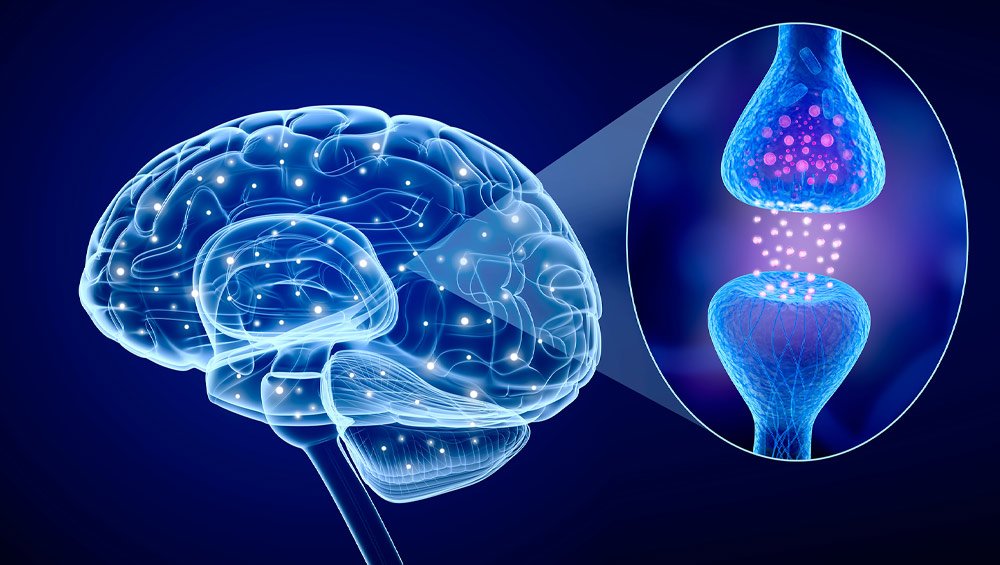
At a typical chemical synapse, the transmitting neuron stores neurotransmitter molecules in tiny membrane-bound structures known as synaptic vesicles. When an electrical impulse known as an action potential reaches the end of the neuron, voltage-sensitive calcium channels open. Calcium enters the presynaptic terminal, helping trigger vesicles to fuse with the neuronal membrane and release their chemical contents into the small space separating the cells, known as the synaptic cleft. The neurotransmitter molecules can then interact with receptors associated with the receiving cell.
This is important because the nervous system depends on precise timing rather than indiscriminate chemical release. Neurotransmitters have to be synthesized, packaged, released, recognized, and eventually cleared or broken down in a tightly regulated sequence. Effective neurotransmission requires control at virtually every stage of this cycle. When I think about that level of coordination, it becomes much easier to understand why neurological function cannot realistically be reduced to the idea of simply having “high” or “low” levels of a particular brain chemical.
How Neurotransmitter Function Actually Works at the Synapse
The mechanics of neurotransmission are among the most impressive processes I have encountered in human physiology. A neuron may spend milliseconds transmitting information that ultimately changes how another neuron behaves. Once a neurotransmitter reaches a receptor, that interaction can influence the electrical properties of the target cell. Depending on the receptor and neurotransmitter involved, the receiving neuron may become more likely to fire, less likely to fire, or have some other aspect of its activity altered.
Scientists commonly distinguish between excitatory and inhibitory signaling, although that distinction needs some context. An excitatory signal generally increases the probability that a receiving neuron will generate an electrical response, while an inhibitory signal generally reduces that probability. Glutamate is the principal excitatory neurotransmitter in much of the mammalian central nervous system, whereas GABA is the predominant inhibitory neurotransmitter in the brain. Neither is inherently “good” or “bad.” Healthy neural activity requires appropriate regulation of both.
There is another layer that I believe deserves more attention: neurotransmitters can also have modulatory effects. Instead of simply telling another neuron to fire or stop firing, certain neurotransmitter systems alter how neural circuits respond to future signals. Dopamine, serotonin, norepinephrine, and several neuropeptides are deeply involved in this kind of modulation. They can influence motivation, vigilance, learning, behavioral responses, and the overall responsiveness of neural networks.
Once a chemical signal has served its purpose, it cannot simply remain indefinitely between neurons. Depending on the neurotransmitter, molecules may be transported back into the transmitting neuron through reuptake mechanisms, absorbed by neighboring cells, metabolized by enzymes, or otherwise cleared from the synaptic region. This termination process is just as important as release. Brain communication depends not only on sending a signal at the correct time but also on stopping that signal appropriately.
Major Neurotransmitters and the Functions They Help Regulate
Whenever I see neurotransmitters discussed online, I notice a tendency to assign each one a single personality: dopamine equals reward, serotonin equals mood, GABA equals relaxation, and so on. That may make an infographic easier to read, but it does not accurately represent the nervous system. Neurotransmitter effects are strongly influenced by receptors, brain region, concentration, circuit activity, and cellular context.
The table below is the only comparison table I will use because I think it gives a much clearer overview than repeating isolated descriptions. These categories are intentionally simplified. They describe prominent functions rather than suggesting that any neurotransmitter controls only one physiological process.
| Neurotransmitter | Major Roles Commonly Associated With It | General Signaling Character |
|---|---|---|
| Glutamate | Learning, memory, neural plasticity, sensory processing | Predominantly excitatory |
| GABA | Regulation of neuronal excitability, sleep-related processes, motor control | Predominantly inhibitory |
| Dopamine | Motivation, reward learning, movement, attention, reinforcement | Primarily modulatory |
| Serotonin | Mood regulation, sleep, appetite, sensory processing, behavioral regulation | Primarily modulatory |
| Acetylcholine | Attention, learning, memory, muscle activation, autonomic function | Excitatory or modulatory depending on receptor |
| Norepinephrine | Alertness, attention, stress response, arousal | Primarily modulatory |
| Glycine | Inhibitory signaling, particularly in the spinal cord and brainstem | Predominantly inhibitory |
What stands out to me is how interconnected these roles are. Memory, for example, cannot simply be assigned to acetylcholine or glutamate. Memory formation involves numerous circuits and signaling systems working together. Likewise, motivation involves far more than dopamine. Human cognition emerges from interacting neural networks rather than isolated chemicals performing independent jobs.
This is also why I am cautious whenever I see a product or social-media post claiming that one ingredient will “balance every neurotransmitter.” The nervous system is not organized around a universal chemical target. Different neurotransmitter systems operate in specific anatomical pathways, interact with numerous receptor subtypes, and influence one another in ways that scientists are still working to understand.
Dopamine, Serotonin, GABA, and Glutamate Deserve a Closer Look
Dopamine is probably the neurotransmitter I see misunderstood most often. It certainly participates in reward-related learning, but describing it simply as a pleasure chemical leaves out much of its biology. Dopaminergic pathways are involved in movement, motivation, reinforcement learning, attention, behavioral selection, and the prediction of meaningful outcomes. Different dopamine pathways serve different functions, which is why altering dopaminergic signaling can have dramatically different neurological and behavioral effects depending on the region involved.
Serotonin is similarly complex. Most discussions associate it almost exclusively with happiness or depression, yet serotonin signaling contributes to sleep-wake regulation, appetite, gastrointestinal physiology, sensory processing, mood, cognition, and multiple behavioral functions. There are numerous serotonin receptor families, which helps explain why stimulating serotonin signaling at one receptor can produce a substantially different effect from altering another receptor subtype. I find this receptor diversity one of the clearest examples of why neurotransmitter function cannot be understood by looking at the chemical messenger alone.
GABA and glutamate provide perhaps the clearest demonstration of how the brain maintains functional balance. Glutamate is the major excitatory neurotransmitter in the central nervous system, whereas GABA provides a major source of inhibitory signaling. That does not mean one speeds the brain up while the other simply slows it down. Instead, the interaction between excitatory and inhibitory activity allows neural circuits to respond selectively, maintain stability, filter information, synchronize activity, and avoid uncontrolled excitation.
The relationship between these systems also reminds me why phrases such as “boost neurotransmitters” can be misleading. More signaling is not automatically better. Nervous-system function depends on appropriate signaling at the correct location, through the correct receptor, at the correct time. Biological regulation, rather than maximum neurotransmitter production, is the more meaningful goal.
Acetylcholine and Norepinephrine: Two Essential Systems Often Overlooked
Acetylcholine does not get the same popular attention as dopamine or serotonin, but it is fundamental to both the central and peripheral nervous systems. In the brain, cholinergic signaling participates in attention, learning, memory, and cognitive processing. Outside the brain, acetylcholine has vital roles at neuromuscular junctions, where motor neurons communicate with skeletal muscle, and within parts of the autonomic nervous system.
One feature I find especially interesting is that the effect of acetylcholine depends heavily on the receptor involved. Broadly speaking, acetylcholine interacts with nicotinic and muscarinic receptors, which differ significantly in how they transmit signals. This reinforces an important principle running throughout neurotransmitter biology: knowing the messenger is only half the story. The receptor receiving the signal frequently determines what happens next.
Norepinephrine, meanwhile, is strongly involved in alertness, vigilance, attention, and the physiological response to challenging situations. Specialized neurons release norepinephrine across broad areas of the brain, allowing relatively small neuronal populations to influence large networks. Appropriate norepinephrine signaling can help an organism respond to meaningful stimuli, whereas the relationship between arousal and cognitive performance becomes more complicated when physiological stress is prolonged or excessive.
When I put these systems alongside dopamine, serotonin, GABA, and glutamate, I am reminded that the brain functions more like an orchestra than a collection of independent instruments. No single neurotransmitter explains concentration, memory, motivation, mood, or mental clarity by itself. Those experiences emerge from coordinated activity across multiple neural systems.
What Can Affect Normal Neurotransmitter Function?
One of the most common questions I encounter when researching brain health is what causes neurotransmitters to become “imbalanced.” I think the word imbalance needs to be used cautiously because there is rarely a single universal neurotransmitter level that can be measured and interpreted as optimal for every person. Neurotransmitter activity depends on brain region, receptor activity, neuronal firing, metabolism, transporters, and numerous physiological variables.
Nutrition still matters because the nervous system requires raw materials and enzymatic cofactors to function. Amino acids and other nutrients participate in biochemical pathways involved in neurotransmitter synthesis. For example, certain neurotransmitters are synthesized from defined molecular precursors through enzyme-controlled pathways. However, eating more of a neurotransmitter precursor does not necessarily translate into a proportional increase in neurotransmitter activity in the brain because absorption, competition between nutrients, transport across the blood-brain barrier, enzyme regulation, and neuronal demand all influence the final outcome.
Sleep, exercise, circadian rhythm, chronic stress, medication use, substance exposure, age, genetics, disease, and overall metabolic health can also affect neurological signaling. What matters to me here is avoiding the temptation to search for one dietary shortcut. The brain is metabolically demanding, and neurotransmission operates within the broader physiological environment of the body.
For day-to-day neurological health, I generally consider the fundamentals far more credible than any promise of an overnight neurotransmitter reset:
- Consistent, adequate sleep helps support normal cognitive performance and neurological recovery.
- Regular physical activity supports cardiovascular and brain health while influencing numerous signaling systems.
- A nutritionally adequate diet supplies the amino acids, vitamins, minerals, fatty acids, and energy required for normal nervous-system function.
- Managing prolonged stress can matter because chronic physiological stress influences sleep, attention, hormonal signaling, and cognition.
- Avoiding unnecessary substance misuse protects neural signaling from repeated pharmacological disruption.
None of these habits gives the immediate appeal of a “dopamine hack,” but that is exactly why I trust them more. The nervous system is designed around regulation, adaptation, and homeostasis. Supporting the biological environment in which neurotransmission occurs makes considerably more sense than trying to aggressively manipulate individual brain chemicals without medical supervision.
What Happens When Neurotransmitter Signaling Is Disrupted?
Abnormal neurotransmitter function has been associated with many neurological and psychiatric conditions, but I want to be careful about what that statement means. It does not mean every condition is caused by one deficient chemical. Neurological and psychiatric disorders can involve genetics, neuronal circuits, receptors, immune and metabolic processes, environmental factors, structural changes, developmental differences, and numerous signaling pathways. Neurotransmitter abnormalities may be part of those processes without necessarily representing the sole underlying cause.
Parkinson’s disease is a classic example of why anatomical context matters. The disorder involves degeneration of dopamine-producing neurons in specific brain circuitry involved in motor control. That does not mean dopamine is simply “low everywhere.” Likewise, medications affecting serotonin, dopamine, norepinephrine, GABA, glutamate, or acetylcholine systems do not prove that a condition results from one straightforward chemical deficiency. Pharmacological effects can involve receptors, transporters, enzymes, adaptations, and downstream changes throughout neural circuits.
This distinction matters because phrases such as “chemical imbalance” can imply a level of simplicity that modern neuroscience does not support. I prefer to think of neurological signaling as a dynamic network. Neurotransmitter concentration matters, but so do receptor number, receptor sensitivity, release patterns, reuptake, metabolism, circuit architecture, neuronal health, and interactions with other signaling molecules.
It is also one reason I would never recommend trying to self-treat persistent neurological, cognitive, or psychiatric symptoms simply by experimenting with supplements marketed as neurotransmitter boosters. Significant changes in memory, mood, coordination, sensation, concentration, sleep, or cognition deserve appropriate medical assessment, particularly when symptoms are new, severe, worsening, or interfering with daily life.
Can Supplements Support Neurotransmitter Function?
I understand why brain supplements are appealing. Once people learn that amino acids, vitamins, botanical compounds, lipids, and other nutrients participate in neurological physiology, it seems reasonable to wonder whether supplementation could improve neurotransmitter function. In specific circumstances, supplements can certainly help correct nutritional inadequacies. The difficulty begins when a product moves from supporting normal nutrition to claiming that it can substantially optimize brain chemistry or correct complex neurological dysfunction.
Dietary supplements are not regulated in the same way as prescription medications. In the United States, the FDA generally does not approve dietary supplements for safety and effectiveness before they are marketed. Manufacturers can use certain structure/function claims when regulatory requirements are met, but those claims are fundamentally different from FDA approval of a drug for treating a disease. This is a distinction I consider especially important when evaluating nootropics and brain-health products.
Evidence also needs to be evaluated at the ingredient, dose, formulation, population, and outcome level. Finding a study involving an ingredient does not automatically prove that every supplement containing that ingredient produces the same result. A study may use a specific extract, standardized concentration, dose, duration, or population that differs substantially from what appears in a commercial formula.
The ingredients that often appear in cognitive supplements can generally be divided into a few broad categories:
- Nutrients that participate in normal neuronal metabolism or membrane function.
- Amino acids or compounds related to neurotransmitter biochemical pathways.
- Botanical extracts investigated for cognition, stress responses, or circulation.
- Compounds marketed as nootropics because they may interact with neuronal signaling mechanisms.
I pay particularly close attention to dose transparency, standardization, interactions, contraindications, and independent testing. A long ingredient list may look impressive while telling me very little about whether the finished formulation has been clinically demonstrated to produce the advertised outcome. I also avoid assuming that “natural” means risk-free. Natural compounds can still interact with medications or produce physiologically significant effects. The FDA specifically advises consumers to discuss supplement use with qualified healthcare professionals because interactions and adverse effects can occur.
My broader view is that supplements are best treated as supplements in the literal sense of the word. They may complement an appropriate diet or address a specific nutritional need, but they should not replace medical evaluation, prescribed treatment, adequate sleep, exercise, or sound nutrition. When cognition or neurological symptoms are involved, that distinction becomes even more important.
Where Does Neuro Sharp Fit Into the Conversation?
Neuro Sharp is an example of the kind of cognitive-support supplement that naturally enters this discussion because it is marketed around memory, focus, mental clarity, and neurological support. The current product information I reviewed lists ingredients including Ginkgo biloba, Bacopa monnieri, Huperzine A, phosphatidylserine, N-acetyl-L-carnitine, and St. John’s wort extract. Its promotional materials connect those ingredients with areas such as neural communication, circulation, oxidative stress, cognition, and neurotransmitter activity. Because supplement formulas and labels can change, I would still verify the current Supplement Facts panel on the bottle before making any decision about the product.
From a neuroscience perspective, some of those ingredients are interesting. Bacopa has been investigated in human research for certain aspects of cognition; Ginkgo has a substantial research history, although findings vary according to the population and outcome being studied; phosphatidylserine is a phospholipid associated with cell membranes; and Huperzine A has biological activity involving acetylcholinesterase. Those mechanisms make the ingredients scientifically interesting, but a biologically plausible mechanism is not the same thing as proof that the finished Neuro Sharp formula improves neurotransmitter function or treats cognitive impairment.
I would be particularly careful with a formula containing ingredients such as Huperzine A or St. John’s wort. St. John’s wort, for example, is known for potentially important drug interactions, and “natural” does not eliminate that concern. People taking antidepressants, anticoagulants, anticonvulsants, hormonal medications, or other prescription drugs should be especially careful about combining supplements with medication without professional guidance. More generally, FDA guidance warns that supplements can interact with medications, interfere with certain tests, and occasionally produce adverse reactions.
Another point worth emphasizing is the difference between a facility being FDA-registered and a supplement being FDA-approved. Some supplement marketing uses manufacturing language in a way that can create confusion. Dietary supplements are generally not FDA-approved for safety and effectiveness before entering the market. Therefore, I would not interpret statements about an FDA-registered manufacturing facility as evidence that FDA has evaluated and approved the finished supplement’s cognitive claims.
If I were personally considering Neuro Sharp, I would assess it in the same way I would assess any other nootropic supplement: I would examine the exact dosages, look for standardized ingredient information, check for credible third-party quality testing, compare each ingredient with human evidence, and review medication interactions. I would also want to know whether there are randomized controlled trials performed specifically on the finished Neuro Sharp formulation, because evidence for individual ingredients should not automatically be transferred to a multi-ingredient product.
For that reason, I see Neuro Sharp as a supplement that may contain biologically interesting cognitive-support ingredients, not as a proven method for correcting neurotransmitter dysfunction. Anyone experiencing significant brain fog, memory decline, persistent concentration difficulties, mood changes, or other neurological symptoms should first consider whether an underlying medical, nutritional, medication-related, sleep-related, or psychological factor needs professional evaluation rather than assuming the problem is simply low neurotransmitter activity.
Why “Balancing Neurotransmitters” Is More Complicated Than It Sounds
The phrase “balance your neurotransmitters” appears everywhere in wellness marketing, but after spending time studying the underlying biology, I find the phrase frustratingly vague. The brain does not maintain a single tank containing dopamine, another containing serotonin, and another containing GABA. Neurotransmitters are synthesized and released by specific populations of neurons into specific circuits, where their effects depend on receptors and surrounding cellular activity.
Even within one neurotransmitter system, different receptors may produce different consequences. Some receptors act rapidly through ion channels, while others produce slower biochemical changes through intracellular signaling pathways. The same neurotransmitter can therefore have different or even functionally opposing effects depending on where and how it acts. That is one of the reasons neurological medications are developed around specific molecular targets rather than a vague goal of increasing all signaling.
There is also a crucial issue of adaptation. The nervous system is not passive. If signaling is altered repeatedly, neurons may respond by changing receptor expression, transmitter production, transporter activity, or other cellular processes. This adaptive capacity is essential to brain function, but it also means that manipulating neurotransmitter pathways can produce consequences far beyond the immediate effect of a compound.
When someone tells me a diet, supplement, or lifestyle routine will “restore perfect neurotransmitter balance,” I therefore want considerably more information. Which neurotransmitter? Which pathway? Which receptor? What evidence shows it is abnormal to begin with? What clinical outcome was measured? Meaningful neuroscience requires more precision than the language commonly used in supplement advertising.
The Role of Receptors: The Part of Neurotransmitter Function I Would Not Ignore
If neurotransmitters are the messages, receptors are the structures that determine how those messages are interpreted. A neurotransmitter released into a synapse only produces an effect when it interacts appropriately with a receptor or other molecular target. This makes receptors one of the most important pieces of neurotransmitter function, even though they receive much less attention in consumer health discussions.
Some neurotransmitter receptors directly control ion channels and can change a neuron’s electrical behavior very quickly. Others belong to receptor families that activate intracellular signaling pathways, producing effects that may develop more gradually and influence cellular processes beyond immediate electrical activity. The enormous diversity of neurotransmitter receptors is one reason the nervous system can generate such complex responses from a relatively limited collection of signaling molecules.
Serotonin alone illustrates the problem with oversimplification because it interacts with multiple receptor families. Dopamine also acts through several receptor subtypes, as do glutamate, GABA, and acetylcholine. Two neurons exposed to the same chemical messenger can therefore respond differently depending on the receptors they express.
This changes how I interpret discussions about “increasing” a neurotransmitter. Concentration alone does not tell us the functional outcome. Receptor distribution, sensitivity, downstream signaling, location, and timing all contribute. It is much closer to a communication language than a simple fuel gauge.
Neurotransmitter Function, Memory, Focus, and Mental Performance
People interested in neurotransmitters are often ultimately interested in something much more practical: remembering names more easily, concentrating longer, learning efficiently, staying motivated, or feeling mentally sharp. These abilities certainly involve neurotransmitters, but there is no single “focus chemical” or “memory neurotransmitter” that can be adjusted in isolation.
Memory depends on coordinated neural plasticity across different brain regions. Glutamatergic signaling plays a particularly important role in synaptic plasticity, while cholinergic, dopaminergic, noradrenergic, and other systems can influence attention, learning, reinforcement, and memory consolidation. Cognitive performance is an emergent property of interacting circuits, not the output of one molecular pathway.
The same principle applies to attention. Norepinephrine, dopamine, acetylcholine, sensory processing systems, cortical networks, sleep status, motivation, emotional state, and metabolic factors can all contribute to whether I can focus effectively on a task. A night of inadequate sleep, for instance, can impair performance even if there is no meaningful sense in which one isolated neurotransmitter has suddenly become “deficient.”
This is why I believe sustainable cognitive performance starts with the fundamentals. Before looking for ways to manipulate neurochemistry, I would look at sleep consistency, physical activity, nutrition, medication effects, stress, alcohol or substance use, and underlying health conditions. Supplements may occasionally have a place after those foundations are addressed, but they are rarely a substitute for them.
My Practical View of Supporting Healthy Brain Communication
After looking closely at neurotransmitter function, my biggest takeaway is surprisingly simple: the brain works best when its regulatory systems are allowed to do their jobs. The goal should not be maximizing dopamine, suppressing glutamate, raising serotonin indiscriminately, or forcing acetylcholine activity higher. The goal is maintaining an environment in which neural systems can regulate themselves appropriately.
That includes supplying the body with adequate nutrition, maintaining regular sleep, staying physically active, managing cardiovascular health, avoiding harmful substance exposure, and addressing medical problems when they arise. These habits may seem less exciting than a “brain chemistry hack,” but they affect the biological systems that neurons depend on for energy production, circulation, cellular maintenance, and normal signaling.
I also think there is value in recognizing normal fluctuations in mental performance. Not every tired afternoon represents a neurotransmitter deficiency, and not every period of distraction requires a nootropic. Human cognition naturally varies according to sleep, workload, emotional state, environment, illness, nutrition, and countless other variables.
Most importantly, persistent problems should not be dismissed as something that simply needs a neurotransmitter-boosting supplement. New or worsening memory problems, severe mood changes, unusual movement symptoms, persistent numbness, significant sleep disruption, or cognitive decline deserve appropriate professional evaluation. Neurotransmitters may be involved, but they are only part of a much larger neurological picture.
Final Thoughts on Neurotransmitter Function
The deeper I explore neurotransmitter function, the less interested I become in the simplistic labels commonly attached to individual brain chemicals. Dopamine is more than pleasure. Serotonin is more than happiness. GABA is more than relaxation. Glutamate is more than stimulation. Each neurotransmitter participates in a network of receptors, neurons, anatomical pathways, metabolic processes, and feedback systems that collectively create what we experience as thought, movement, emotion, motivation, learning, and behavior.
For me, understanding this complexity actually makes neuroscience more useful rather than less useful. It encourages me to question sweeping claims about “resetting dopamine” or “balancing brain chemicals” and instead ask what specific biological mechanism and evidence are being discussed. Healthy neurotransmitter function is fundamentally about regulated communication, not simply having more or less of a chemical.
That perspective is especially valuable when evaluating supplements such as Neuro Sharp. Some ingredients used in cognitive supplements have legitimate scientific interest, but ingredient research, mechanism research, and clinical proof for a finished commercial product are three different things. I would never treat those categories as interchangeable.
Ultimately, the brain’s chemical language is remarkable precisely because it is so carefully controlled. Supporting neurological health means respecting that complexity. Sound nutrition, sleep, exercise, appropriate medical care, and evidence-based decision-making may not sound as dramatic as manipulating neurotransmitters directly, but they remain the foundation I would place first when thinking about long-term brain function.
Disclaimer
This article is intended for educational and informational purposes only. It is not medical advice and should not be used to diagnose, prevent, treat, or cure any neurological, psychiatric, cognitive, or other medical condition. Information about neurotransmitters is provided as a general explanation of neuroscience and should not be interpreted as an assessment of any individual’s brain chemistry.
The discussion of Neuro Sharp and other dietary supplements is also informational. Mentioning an ingredient, biological mechanism, or published area of research does not constitute an endorsement or establish that a particular commercial product is safe or effective. Dietary supplements can cause adverse effects and may interact with prescription medications, over-the-counter drugs, medical conditions, or other supplements.
Anyone considering Neuro Sharp or another cognitive supplement should review the current product label and discuss its ingredients with a physician, pharmacist, registered dietitian, or other qualified healthcare professional, particularly when taking medication, managing a medical condition, preparing for surgery, pregnant or breastfeeding. Anyone experiencing persistent or worsening changes in memory, mood, cognition, sensation, movement, sleep, or neurological function should seek appropriate medical evaluation rather than relying on supplements or online information.
References
I based the scientific framework of this article primarily on resources from the U.S. National Library of Medicine, National Institutes of Health, and U.S. Food and Drug Administration. I prioritize these sources because they provide either primary biomedical literature, established neuroscience reference material, or authoritative regulatory guidance rather than general wellness commentary.
For basic neurotransmitter physiology, I relied heavily on the Neuroscience chapters hosted by NCBI Bookshelf. These resources explain neurotransmitter synthesis, vesicular storage, calcium-dependent release, receptor interactions, synaptic transmission, and removal. Although some of the foundational textbook material is older, the basic cellular mechanisms described remain fundamental principles of modern neuroscience.
For dietary supplements, I used current FDA consumer and regulatory guidance. These sources are particularly important for understanding the distinction between dietary-supplement marketing and drug approval, as well as potential medication interactions and consumer safety considerations. Neuro Sharp’s own product material was reviewed only to identify how the product is marketed and which ingredients are currently described by its seller; its marketing claims were not treated as independent scientific evidence.
1. Purves D, Augustine GJ, Fitzpatrick D, et al. — Neurotransmitters. Neuroscience, 2nd Edition. NCBI Bookshelf, National Library of Medicine.
A foundational overview of neurotransmitter classification, synthesis, storage, release, receptor binding, and removal.
NCBI Bookshelf — Neurotransmitters
2. Purves D, Augustine GJ, Fitzpatrick D, et al. — Synaptic Transmission. Neuroscience, 2nd Edition. NCBI Bookshelf.
Useful background on chemical synapses, calcium-dependent neurotransmitter release, synaptic vesicles, and communication between neurons.
NCBI Bookshelf — Synaptic Transmission
3. Purves D, Augustine GJ, Fitzpatrick D, et al. — What Defines a Neurotransmitter? NCBI Bookshelf.
Explains how neurotransmitters function as chemical signals between presynaptic neurons and target cells.
NCBI Bookshelf — What Defines a Neurotransmitter?
4. Purves D, Augustine GJ, Fitzpatrick D, et al. — Neurotransmitter Synthesis. NCBI Bookshelf.
Describes enzymatic synthesis, packaging, release, degradation, and regulation of neurotransmitter concentrations.
NCBI Bookshelf — Neurotransmitter Synthesis
5. National Center for Biotechnology Information — Synaptic Transmission, Basic Neurochemistry.
Detailed reference covering neurotransmitters including acetylcholine, norepinephrine, glutamate, glycine, and GABA and their storage and release mechanisms.
NCBI Bookshelf — Basic Neurochemistry: Synaptic Transmission
6. U.S. Food and Drug Administration — Questions and Answers on Dietary Supplements.
Authoritative guidance explaining how supplements are defined and regulated, what manufacturers are responsible for, and how structure/function claims differ from drug approval.
FDA — Questions and Answers on Dietary Supplements
7. U.S. Food and Drug Administration — FDA 101: Dietary Supplements.
Consumer guidance covering supplement safety, medication interactions, adverse reactions, labeling, and responsible supplement use.
FDA — FDA 101: Dietary Supplements
8. U.S. Food and Drug Administration — Information for Consumers on Using Dietary Supplements.
Explains FDA oversight of supplements and why consumers should evaluate benefits, risks, and possible interactions before use.
FDA — Information for Consumers on Using Dietary Supplements
9. U.S. Food and Drug Administration — Label Claims for Conventional Foods and Dietary Supplements.
Authoritative information on health claims, nutrient-content claims, and structure/function claims used in dietary-supplement labeling.
FDA — Dietary Supplement Label Claims