

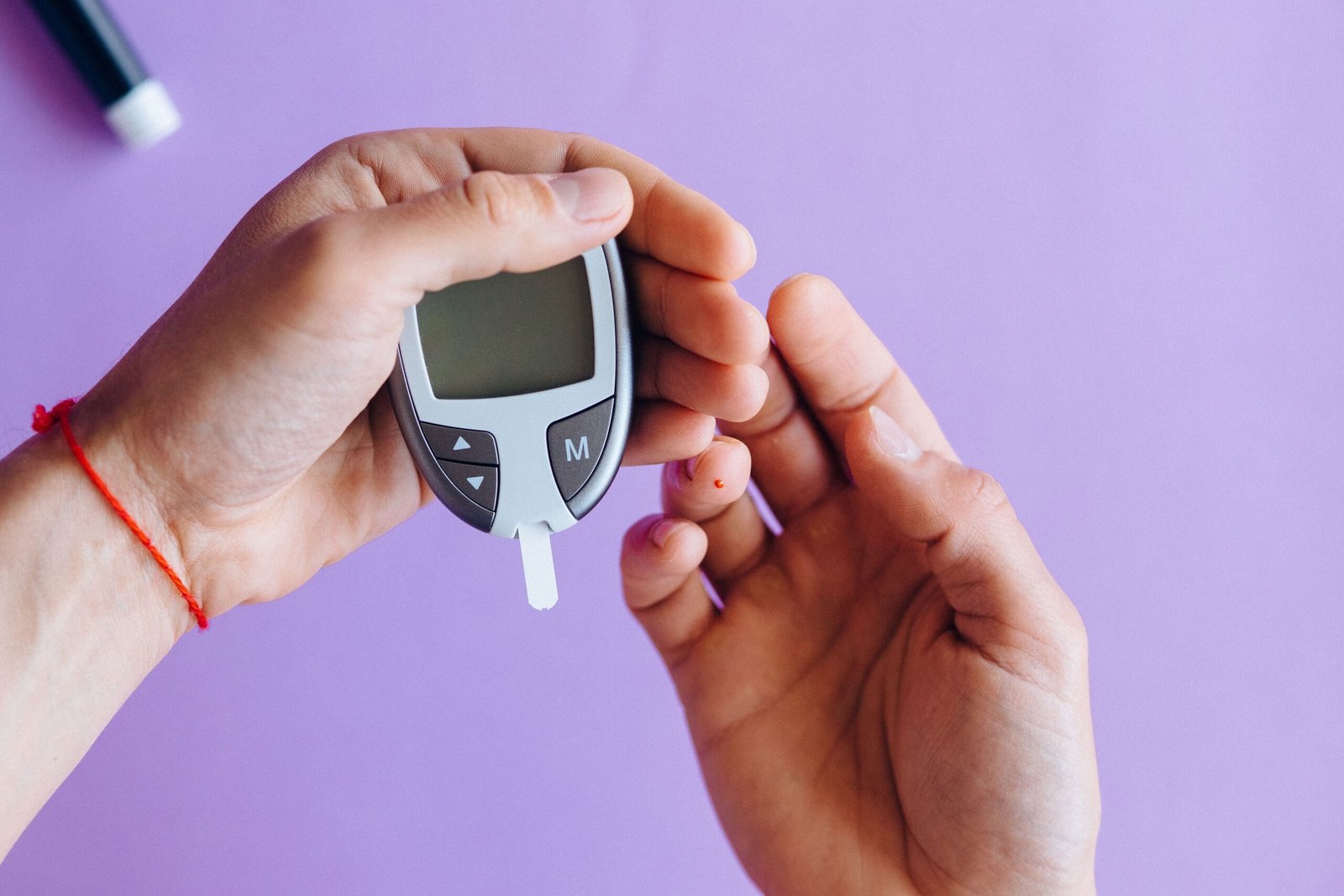
When I first started paying serious attention to metabolic health, I realized that the phrase “blood sugar and metabolic support” gets used everywhere but is rarely explained properly. It appears on supplement labels, health blogs, wellness programs, fitness websites, and even grocery products. Yet many people are left with only a vague idea of what supporting blood sugar actually means, or why metabolism matters beyond simply determining whether someone gains or loses weight.
I think that confusion is unfortunate because blood sugar regulation is one of the most important processes happening inside the human body every day. It affects the way we turn food into usable energy, how effectively insulin performs its job, how hungry or satisfied we feel, and how well the body responds to the nutrients we consume.
Metabolism is equally misunderstood. I often see metabolism described as though it were nothing more than a calorie-burning dial that is either “fast” or “slow.” In reality, metabolism is an enormous collection of chemical processes that allow the body to stay alive, produce energy, repair tissues, process nutrients, and maintain normal physiological function.
Once I understood the relationship between glucose, insulin, nutrition, physical activity, sleep, body composition, and metabolic health, the entire subject became much easier to understand. Blood sugar support stopped looking like a search for one miracle ingredient and started looking like what it really is: a broader approach to helping the body regulate energy effectively.
In this guide, I want to explain what blood sugar and metabolic support actually means, how glucose and insulin work, why blood sugar can become harder to regulate, what lifestyle habits matter most, where supplements may fit into the picture, and what I would personally consider before buying products marketed for metabolic wellness.
What Does Blood Sugar and Metabolic Support Actually Mean?
When I use the phrase blood sugar and metabolic support, I am not talking about forcing blood glucose as low as possible. Healthy glucose regulation is about maintaining an appropriate balance.
Glucose is not the enemy. In fact, glucose is one of the body’s main sources of energy. The National Institute of Diabetes and Digestive and Kidney Diseases explains that blood glucose, commonly called blood sugar, comes partly from the food we eat and serves as an important source of energy for the body.
After carbohydrates are digested, many of them are ultimately broken down into glucose. That glucose enters the bloodstream, where it can then be transported to cells and used for energy.
This process becomes especially interesting when insulin enters the picture.
Insulin is a hormone produced by the pancreas. One of its major jobs is helping glucose move from the bloodstream into cells where it can be used as fuel. If insulin is unavailable or the body’s cells do not respond to it appropriately, more glucose can remain circulating in the bloodstream.
Therefore, when I talk about supporting healthy blood sugar, I am really talking about supporting the entire system involved in glucose management. That may include maintaining insulin sensitivity, choosing foods that promote better glucose control, staying physically active, maintaining healthy body composition, getting adequate sleep, managing stress, and following medical advice when blood glucose is already outside the healthy range.
Metabolic support is broader still.
Metabolism includes the countless chemical reactions the body performs to convert nutrients into energy, build and repair tissues, synthesize important compounds, and maintain normal function. Carbohydrate metabolism is part of that system, but so are fat metabolism, protein metabolism, cellular energy production, hormonal signaling, and many other processes.
That is why I prefer to think of metabolic health as a network rather than a single switch.
How Blood Sugar Works After We Eat
The easiest way I have found to understand blood sugar regulation is to follow what happens after a meal.
Imagine I eat a meal containing carbohydrates. Those carbohydrates might come from rice, potatoes, fruit, beans, bread, pasta, oats, vegetables, desserts, or countless other foods.
During digestion, digestible carbohydrates are broken down, ultimately producing glucose and other simple sugars that can be absorbed. Glucose enters my bloodstream, causing blood glucose to rise.
My pancreas responds by releasing insulin.
Insulin essentially helps signal cells—particularly muscle and fat cells—to take up glucose from the bloodstream. The body can then use that glucose for immediate energy or store energy for later.
Under normal circumstances, this is not a problem. Blood sugar rises after eating, insulin responds, glucose is taken up or stored, and blood glucose returns toward its usual range.
Problems can develop when that system becomes less effective.
For example, cells may become less responsive to insulin. The pancreas may compensate for a period of time by producing more insulin. Eventually, in some people, glucose regulation may become increasingly difficult.
This decreased response to insulin is known as insulin resistance.
NIDDK describes insulin resistance as a condition in which the body does not respond to insulin as it should. When muscle, fat, and liver cells respond poorly to insulin, maintaining normal glucose regulation becomes more difficult.
This is one reason I believe blood sugar conversations need to go much deeper than simply saying that sugar itself is “bad.”
The larger issue involves how efficiently the body handles nutrients.
Insulin Sensitivity Is One of the Pieces That Matters Most
Insulin sensitivity essentially describes how responsive the body’s cells are to insulin.
When insulin sensitivity is good, relatively normal amounts of insulin can produce an appropriate response. Glucose moves from the bloodstream into cells efficiently.
When insulin sensitivity decreases, the body may need to produce greater amounts of insulin to accomplish a similar task.
For some people, this compensation works for years. Blood glucose may even remain within a seemingly acceptable range while insulin production gradually increases.
Over time, however, the pancreas may have difficulty keeping up with increasing demand.
According to NIDDK, when insulin-resistant cells do not respond properly, the pancreas may eventually be unable to produce enough insulin to compensate, allowing blood glucose to rise.
This progression helps explain why metabolic health is something I would rather think about proactively than only after a major problem develops.
It also explains why lifestyle strategies that improve insulin sensitivity can be so valuable.
Blood Sugar Fluctuations Are Normal—The Context Matters
One misconception I regularly see is the idea that blood glucose should remain perfectly flat throughout the entire day.
That is not how human physiology works.
Blood glucose naturally changes depending on when and what we eat, physical activity, medication, stress hormones, sleep, illness, and numerous other variables.
Eating carbohydrates generally increases circulating glucose. Insulin helps manage the rise. Physical activity can alter glucose uptake. Going several hours without food creates a different metabolic environment than eating a large meal.
What matters is not eliminating every fluctuation. What matters is whether the body’s glucose-regulation system is functioning appropriately.
For people who already have diabetes, glucose targets become more specific and should be individualized with healthcare professionals. NIDDK notes that many people with diabetes work toward particular pre-meal and post-meal glucose targets, although appropriate targets can vary depending on the individual.
For someone who does not have diabetes, obsessively chasing perfectly flat glucose readings can create unnecessary anxiety.
I would rather focus on the bigger picture: dietary quality, metabolic health, insulin sensitivity, regular physical activity, appropriate body weight, sleep quality, and clinically meaningful laboratory results when testing is indicated.
What Is Metabolic Health?
Metabolic health is difficult to reduce to one measurement because metabolism touches so many aspects of human physiology.
When I think about good metabolic health, I think about a body that can efficiently handle incoming nutrients, regulate glucose appropriately, maintain healthy lipid levels, respond effectively to insulin, manage energy storage and expenditure, and maintain cardiovascular and other physiological markers within healthy ranges.
Blood pressure, triglycerides, cholesterol, waist circumference, blood glucose, insulin sensitivity, body composition, liver health, and physical fitness can all be relevant parts of that larger picture.
Insulin resistance is particularly important because it can occur alongside other metabolic abnormalities. NIDDK notes that people with insulin resistance or prediabetes can also develop high blood pressure, abnormal cholesterol or triglyceride levels, metabolic syndrome, obesity or increased waist size, metabolic dysfunction-associated steatotic liver disease, and eventually type 2 diabetes.
This interconnectedness is why improving one part of metabolic health can often support other parts as well.
Increasing physical activity, for example, is not merely about burning calories. Exercise affects muscle glucose uptake, cardiovascular fitness, body composition, insulin sensitivity, and overall metabolic function.
Likewise, improving dietary quality does far more than simply reduce sugar intake.
What Can Disrupt Healthy Blood Sugar Regulation?
There is rarely one single explanation.
Genetics influence susceptibility. Age matters. Body composition can matter. Physical activity makes a difference. Certain medications can influence glucose metabolism. Sleep and lifestyle factors may contribute as well.
NIDDK identifies several recognized risk factors associated with insulin resistance, prediabetes, and type 2 diabetes and emphasizes that some cannot be modified while others can.
This distinction matters to me because health conversations can become overly simplistic.
Telling someone that metabolic problems exist purely because they made bad choices ignores biology, genetics, medication effects, aging, hormonal influences, socioeconomic circumstances, and numerous other realities.
At the same time, acknowledging factors outside our control does not mean lifestyle is irrelevant.
Quite the opposite.
There are several areas where daily habits can meaningfully influence metabolic health.
The Role of Diet in Blood Sugar and Metabolic Support
If I were trying to improve my metabolic health, diet would be one of the first places I would look—not because food is the only factor, but because it is something I interact with multiple times every day.
I would start with overall dietary quality rather than becoming obsessed with eliminating one particular nutrient.
I Would Prioritize Fiber-Rich Foods
Fiber is one of the nutrients I pay particular attention to when thinking about metabolic health.
Whole plant foods such as vegetables, beans, lentils, whole grains, nuts, seeds, and many fruits provide fiber along with vitamins, minerals, phytochemicals, and other useful nutrients.
Fiber-rich meals can also be more filling than highly refined foods, which may make it easier to manage total food intake.
Rather than thinking only about what I need to remove from my diet, I find it more practical to ask what beneficial foods I can add consistently.
A plate that includes vegetables, a quality protein source, fiber-rich carbohydrates, and healthy fats will usually give me a much more nutritionally complete meal than one dominated by ultra-refined carbohydrate foods.
Protein Can Make Meals More Satisfying
Protein deserves attention as well.
Foods such as eggs, fish, poultry, dairy, legumes, tofu, tempeh, and other protein sources can help create more satisfying meals.
Protein also plays essential roles in maintaining muscle mass.
That matters metabolically because skeletal muscle is an important tissue for glucose utilization. I would therefore consider resistance training and adequate protein intake complementary parts of a metabolic-health strategy rather than completely separate topics.
Carbohydrates Are Not Automatically the Problem
I think carbohydrates have become unnecessarily demonized in some wellness communities.
Yes, carbohydrate-containing foods influence blood glucose. But an apple, lentils, oatmeal, cookies, and sweetened soda are all carbohydrate-containing foods with very different nutritional profiles.
Context matters.
Quantity matters.
Fiber matters.
Food processing matters.
What accompanies the carbohydrate matters.
Individual tolerance and medical circumstances matter.
For me, a better goal is choosing high-quality carbohydrate sources and appropriate portions rather than assuming every gram of carbohydrate is harmful.
Why Physical Activity Is So Powerful
If there is one metabolic-health strategy I believe deserves far more attention, it is regular movement.
Muscle is metabolically active tissue, and physical activity can improve the body’s ability to handle glucose.
Exercise also affects body composition, cardiovascular health, blood pressure, fitness, mood, sleep, and long-term health.
NIDDK includes physical activity among the major lifestyle approaches that can help manage diabetes and lower the risk of developing type 2 diabetes in people at elevated risk.
I personally would not interpret “exercise” as meaning that every workout needs to be exhausting.
Walking counts.
Resistance training counts.
Cycling counts.
Swimming counts.
Sports count.
Taking the stairs counts.
Breaking up long periods of sitting counts.
Consistency matters more than creating a perfect exercise routine that I cannot maintain.
Resistance training is particularly interesting to me because building and maintaining muscle provides more tissue capable of utilizing glucose. Aerobic activity provides its own significant metabolic and cardiovascular benefits.
Ideally, I would combine both.
Body Composition and Metabolic Health
Weight is a sensitive subject, and it deserves nuance.
Not every person with a higher body weight has poor metabolic health, and not every thin person has excellent metabolic health. Looking at appearance alone tells us very little about someone’s glucose regulation, lipid profile, blood pressure, liver health, or insulin sensitivity.
That said, excess body fat—particularly visceral fat stored around abdominal organs—is associated with metabolic risk in many people.
For someone with overweight or obesity who is also at increased risk of type 2 diabetes, modest and sustainable weight loss may improve metabolic markers.
NIDDK specifically notes that reaching and maintaining a healthy weight and being physically active can help prevent or improve insulin resistance and prediabetes in appropriate individuals.
I think the keyword there is sustainable.
Crash diets that produce rapid weight loss followed by rebound weight gain are not the type of metabolic-support strategy I would personally want to depend on.
I would rather build habits I could reasonably continue for years.
Sleep Is an Underrated Part of Metabolic Support
Food and exercise receive most of the attention, but I would not ignore sleep.
Sleep influences hormonal regulation, appetite, energy, recovery, physical activity, food choices, and numerous aspects of metabolic physiology.
I have noticed that when people are exhausted, almost every other healthy habit becomes more difficult. Preparing nutritious food takes more effort. Exercise feels harder. Cravings can become stronger. Stress feels more intense.
That makes sleep less of a luxury and more of a foundation.
For most adults, building a consistent sleep schedule, keeping the bedroom conducive to sleep, reducing unnecessary late-night stimulation, and addressing persistent sleep problems with a healthcare professional are sensible parts of an overall wellness strategy.
Stress Can Affect More Than My Mood
Stress is another part of metabolic health that I think people underestimate.
The human stress response is biological, not merely psychological. Stress hormones help the body respond to immediate challenges by making energy available.
Occasional stress is unavoidable.
The concern is chronic stress combined with poor sleep, inactivity, emotional eating, inadequate recovery, or other lifestyle factors.
I therefore see stress management as part of metabolic support—not because meditation magically fixes blood sugar, but because chronic stress can influence multiple behaviors and physiological systems that matter.
Exercise, time outdoors, social connection, relaxation practices, hobbies, therapy when appropriate, and simply creating more recovery time can all have a place.
How Do I Know Whether My Blood Sugar Is Healthy?
This is where objective testing becomes important.
Someone cannot reliably determine whether they have normal blood glucose, prediabetes, or diabetes based solely on how they feel.
Insulin resistance and prediabetes frequently produce few or no obvious symptoms.
Healthcare professionals may use several laboratory tests to evaluate glucose regulation.
One common measurement is fasting plasma glucose, which evaluates blood glucose after fasting.
Another is A1C, which provides information about average blood glucose over roughly the previous three months.
NIDDK currently lists an A1C of 5.7% to 6.4% as within the prediabetes range and fasting plasma glucose of 100 to 125 mg/dL as within the prediabetes range. An oral glucose tolerance test may also be used in certain circumstances.
These values should be interpreted by a qualified healthcare professional because medical history, medications, pregnancy, certain blood disorders, and other factors can affect testing and interpretation.
The important lesson for me is that metabolic health should not be diagnosed through symptoms, social-media quizzes, or supplement advertisements.
Proper testing matters.
How Supplements Can Help Support Blood Sugar and Metabolic Health
Supplements are probably one of the most confusing parts of the blood-sugar conversation.
I see two extreme positions constantly.
One side claims supplements can do almost everything—reverse insulin resistance, eliminate diabetes, repair the pancreas, melt fat, suppress cravings, and restore perfect metabolic health.
The other side dismisses every supplement as useless.
I think the evidence calls for a more careful position.
Certain nutrients and plant compounds have been studied for their potential effects on glucose metabolism, insulin sensitivity, or related metabolic markers. However, evidence varies dramatically depending on the ingredient, dosage, study population, formulation, and quality of research.
The National Center for Complementary and Integrative Health states that there is not enough evidence to conclude that dietary supplements in general can prevent or manage type 2 diabetes. Some individual ingredients have shown possible benefits in studies, but findings are inconsistent and often limited by study quality.
That distinction is extremely important.
“Studied for blood sugar” does not mean “proven to treat diabetes.”
“May support glucose metabolism” does not mean “will normalize blood glucose.”
And “natural” certainly does not mean “risk free.”
Still, supplements may have a reasonable supporting role for some people when they are used appropriately and do not replace evidence-based nutrition, exercise, medications, or medical supervision.
Ingredients Commonly Used in Metabolic-Support Supplements
Several ingredients appear repeatedly in blood-sugar formulas.
Berberine
Berberine is a plant-derived compound that has attracted considerable research attention.
NCCIH reports that research has suggested possible improvements in blood glucose, insulin resistance, and lipid metabolism in people with type 2 diabetes, although limitations in study quality and consistency prevent definitive conclusions.
I consider berberine a perfect example of why supplements need to be treated seriously rather than casually.
A biologically active compound capable of affecting metabolic processes can potentially interact with medications or produce unwanted effects. NCCIH notes that berberine may cause gastrointestinal side effects and can interact with medicines. It should also be avoided during pregnancy and breastfeeding.
Chromium
Chromium is an essential trace mineral involved in normal nutrient metabolism.
Some research has investigated chromium supplementation for glucose control. NCCIH reports mixed findings, with certain analyses suggesting improvements in A1C or insulin-related measurements while others have found limited or inconsistent benefits.
That means I would not interpret the presence of chromium on a supplement label as proof that the formula will meaningfully lower someone’s blood glucose.
Magnesium
Magnesium is another important mineral involved in many biochemical reactions, including processes related to glucose metabolism.
People with inadequate magnesium intake may benefit from improving magnesium status, preferably beginning with magnesium-rich foods when possible.
Clinical research into magnesium supplementation and glucose regulation has produced interesting but not definitive results. NCCIH notes that some studies have reported improvements in insulin sensitivity or blood glucose measures, but evidence is not sufficient to establish magnesium supplements as a diabetes treatment.
Cinnamon
Cinnamon is probably one of the most recognizable natural ingredients associated with blood-sugar supplements.
Research has produced mixed results.
Certain studies have reported reductions in fasting glucose or other metabolic markers, while others have shown limited effects. NCCIH also points out that cassia cinnamon contains coumarin, which can become a concern for the liver when consumed in large amounts by susceptible individuals.
Once again, more is not automatically better.
Where a Supplement Such as Gluconara Fits Into the Conversation
One current example of a supplement marketed specifically around blood sugar and metabolic support is Gluconara.
The manufacturer’s website presents Gluconara as a metabolic and blood-sugar support supplement and lists a formula containing ingredients including berberine HCl, chromium picolinate, Gymnema sylvestre, cinnamon bark, turmeric, cocoa bean extract, bitter melon, and banaba leaf.
Several of those ingredients are familiar in the metabolic-supplement category, and some have been individually researched for possible effects on glucose metabolism.
What I would not do, however, is assume that evidence for an individual ingredient automatically proves that the finished Gluconara formula will produce the same outcome.
That is one of the most important principles I use when evaluating supplements.
If researchers study berberine at a particular dosage under controlled conditions, those results do not automatically validate every proprietary blend that happens to contain some berberine.
Dosage matters.
Standardization matters.
Bioavailability matters.
Other ingredients matter.
The population being studied matters.
Most importantly, research performed on an ingredient is not the same thing as a randomized controlled clinical trial performed on the finished commercial product.
I would therefore describe Gluconara as a dietary supplement positioned for metabolic and blood-sugar support, not as a treatment for diabetes.
I would also be cautious about dramatic language used in supplement marketing. For instance, the current Gluconara promotional material uses expressions related to clearing or dissolving “pancreatic sludge.”
I would not treat that phrase as an established medical diagnosis or scientifically recognized mechanism.
This distinction matters because compelling marketing language can sound scientific without necessarily representing accepted physiology.
The parts of a formula I would personally evaluate are much more straightforward: What exactly are the ingredients? What are their doses? Is the formula transparent? What evidence exists for those doses? Are there potential interactions? Is manufacturing quality documented? Has the final formulation itself been clinically studied?
Those questions are far more useful than deciding whether a promotional story sounds impressive.
Supplements Should Complement the Foundation, Not Replace It
This is the principle I come back to again and again.
Imagine someone sleeps five hours every night, rarely exercises, consumes a diet dominated by highly refined foods, has untreated obesity, and has laboratory evidence of prediabetes.
Adding a capsule while leaving everything else untouched would not be the strategy I would prioritize.
I would start with the fundamentals.
Improve dietary quality.
Increase movement.
Build or preserve muscle.
Address sleep.
Work toward a healthy and sustainable body composition when appropriate.
Stop smoking if applicable.
Get medically appropriate blood testing.
Follow prescribed treatment.
Then, if a qualified healthcare professional agrees that a particular supplement is appropriate, it could potentially become one additional part of the plan.
NCCIH specifically warns people not to replace proven diabetes treatment with unproven supplements and notes that supplements can have side effects and medication interactions.
That is a message I think deserves far more attention than it usually receives.
Why “Natural” Does Not Automatically Mean Safe
I like natural foods and plant compounds as much as the next wellness enthusiast, but the word natural tells me surprisingly little about safety.
Many pharmacologically active substances originate in nature.
If an herbal ingredient is strong enough to meaningfully influence glucose metabolism, it may also be strong enough to interact with glucose-lowering medications.
For someone already taking insulin or another medication that lowers blood glucose, adding additional glucose-lowering substances without professional guidance could potentially create problems.
The same caution applies to pregnancy, breastfeeding, liver disease, kidney disease, surgery, and combinations with other medications.
NCCIH specifically highlights the need for caution with supplements in people who have or are at risk for kidney disease and recommends discussing supplement use with healthcare providers.
This is why I would always bring the actual supplement bottle or complete ingredient label to a healthcare appointment rather than simply saying, “I’m taking something natural for blood sugar.”
Specific ingredients and dosages matter.
What I Look for in a Blood Sugar Support Supplement
If I were shopping for a metabolic-support supplement, I would begin with transparency.
I want to know exactly what is inside the bottle.
A clear Supplement Facts panel is much more useful to me than extravagant marketing language.
I would look carefully at ingredient quantities, serving size, directions, allergen information, manufacturing information, warnings, and whether a company provides meaningful quality-control information.
I would also check whether the doses resemble those used in legitimate research.
This is particularly important with proprietary blends. A label may advertise several impressive ingredients while providing such small amounts that the formula bears little resemblance to dosages studied scientifically.
I also prefer products that avoid promising impossible outcomes.
Claims such as “cures diabetes,” “replaces insulin,” or “eliminates the need for medication” are enormous warning signs.
No supplement should encourage someone to abandon medically necessary treatment.
Blood Sugar Support Is Not Just for People With Diabetes
Something else I think is worth clarifying is that metabolic health matters long before a diabetes diagnosis.
Healthy glucose metabolism is relevant throughout life.
A person may care about maintaining metabolic health because they have a family history of type 2 diabetes, because their healthcare professional has identified prediabetes, because they want to maintain healthy body composition, or simply because they want to support long-term health.
However, having an interest in prevention does not mean everyone needs a blood-sugar supplement.
For many people, the biggest opportunities may still be surprisingly basic: eating better, moving more, maintaining muscle, getting enough sleep, avoiding smoking, and having appropriate preventive medical care.
Supplements should not distract us from interventions with much stronger evidence.
Prediabetes Is a Valuable Warning Sign
Prediabetes deserves special attention because it represents a period when blood glucose has moved above the normal range without yet meeting the threshold for diabetes.
I view that as an important warning signal rather than an inevitable path toward type 2 diabetes.
Lifestyle intervention can make a meaningful difference.
NIDDK explains that reaching and maintaining a healthy weight, improving physical activity, and adopting healthy lifestyle habits may help prevent or reverse insulin resistance and prediabetes in some people. Medications such as metformin may also be appropriate for certain individuals under medical supervision.
This is another reason I would not want someone with abnormal laboratory results to rely exclusively on supplements.
Prediabetes deserves a structured strategy and appropriate follow-up.
What Healthy Metabolic Support Looks Like to Me
After looking at this topic from every angle, I have come to view metabolic health less as a product and more as a daily pattern.
Healthy metabolic support means giving my body conditions that make effective glucose regulation more likely.
It means regularly eating nutrient-dense foods.
It means including enough fiber.
It means consuming adequate protein.
It means staying physically active.
It means maintaining muscle.
It means sleeping adequately.
It means managing body weight when necessary without resorting to extreme diets.
It means understanding my laboratory results rather than guessing.
It means addressing medical issues early.
And when supplements enter the picture, it means evaluating them with the same critical thinking I would apply to anything else affecting my health.
That approach may sound less exciting than a “7-second metabolic hack,” but it is far more grounded in how human physiology actually works.
My Practical Blood Sugar and Metabolic Support Checklist
If I wanted to improve my own metabolic-health routine, I would begin by looking at the overall pattern of my life rather than focusing immediately on one supplement.
I would make sure most of my meals contain minimally processed foods and meaningful sources of fiber. I would include adequate protein throughout the day and choose carbohydrate sources intentionally rather than treating every carbohydrate as harmful.
I would make regular physical activity non-negotiable while still keeping it realistic. A combination of walking, aerobic exercise, and resistance training would make more sense to me than relying on occasional extreme workouts.
I would protect sleep rather than considering it optional.
I would find sustainable ways of managing stress.
If I had risk factors for abnormal glucose regulation, I would discuss screening with a healthcare professional rather than waiting for obvious symptoms.
If a blood test showed prediabetes or diabetes, I would treat that result seriously and develop an appropriate plan with my medical team.
Only after those foundations were addressed would I decide whether a supplement deserved a place in the routine.
That sequence matters.
Final Thoughts: Blood Sugar Support Is About the Bigger Picture
The biggest lesson I have learned from researching blood sugar and metabolic support is that there is no single magic switch controlling metabolic health.
Blood glucose regulation depends on the relationship between food, insulin, the pancreas, muscle, liver, adipose tissue, physical activity, genetics, body composition, sleep, medication, and numerous other factors.
That can make the subject sound complicated, but I actually find it encouraging.
It means there are multiple ways to support metabolic health.
A nutritious diet matters.
Exercise matters.
Muscle matters.
Sleep matters.
Healthy weight management can matter.
Medical monitoring matters.
Appropriate treatment matters.
Supplements may have a supporting role for some individuals, particularly when they contain ingredients that have been scientifically investigated, but they belong around the edges of the foundation rather than at its center.
A formula such as Gluconara illustrates this perfectly. It contains several ingredients commonly associated with glucose and metabolic support, including berberine, chromium, cinnamon, Gymnema, bitter melon, and banaba. Some of these compounds have legitimate research behind them.
That does not mean the supplement should be viewed as a cure, a guaranteed blood-sugar solution, or a substitute for diabetes medication.
Personally, that is the standard I would use for any metabolic-health product: appreciate promising research without turning preliminary evidence into promises.
If I had to reduce everything in this guide to one principle, it would be this:
Good metabolic health is built through a system of habits, not rescued by a single ingredient.
Supporting healthy blood sugar means helping the body do something it is designed to do every moment of every day—manage energy efficiently. The better we understand that process, the easier it becomes to separate useful strategies from exaggerated marketing and make decisions that genuinely support long-term health.
References
1. National Institute of Diabetes and Digestive and Kidney Diseases (NIDDK) — “What Is Diabetes?”
Explains blood glucose, insulin, diabetes, and how glucose is used by the body.
NIDDK — What Is Diabetes?
2. National Institute of Diabetes and Digestive and Kidney Diseases (NIDDK) — “Insulin Resistance & Prediabetes”
Detailed information on insulin resistance, prediabetes, risk factors, diagnostic blood tests, and prevention strategies.
NIDDK — Insulin Resistance & Prediabetes
3. National Institute of Diabetes and Digestive and Kidney Diseases (NIDDK) — “Diabetes Overview”
Overview of diabetes prevention, testing, management, lifestyle measures, and complications.
NIDDK — Diabetes Overview
4. National Institute of Diabetes and Digestive and Kidney Diseases (NIDDK) — “Managing Diabetes”
Information about glucose monitoring, management strategies, blood-glucose goals, and diabetes care.
NIDDK — Managing Diabetes
5. National Institute of Diabetes and Digestive and Kidney Diseases (NIDDK) — “Insulin, Medicines, & Other Diabetes Treatments”
Explains the role of lifestyle measures, insulin, and other medicines in diabetes management.
NIDDK — Insulin, Medicines, & Other Diabetes Treatments
6. National Center for Complementary and Integrative Health (NCCIH) — “Diabetes and Dietary Supplements: What You Need To Know”
Evidence-based overview of supplements researched for diabetes and glucose management, including berberine, chromium, magnesium, cinnamon, omega-3s, and alpha-lipoic acid, as well as supplement safety considerations.
NCCIH — Diabetes and Dietary Supplements: What You Need To Know
7. National Center for Complementary and Integrative Health (NCCIH) — “Type 2 Diabetes and Dietary Supplements: What the Science Says”
Scientific summary examining clinical evidence for dietary supplements promoted for glucose and metabolic support.
NCCIH — Type 2 Diabetes and Dietary Supplements: What the Science Says
8. Gluconara — “Advanced Metabolic & Blood Sugar Support”
Manufacturer information consulted to identify the product’s currently advertised ingredients and claims. Product marketing claims should not be considered equivalent to independent clinical evidence.
Gluconara — Advanced Metabolic & Blood Sugar Support
Disclaimer
This article is intended for general educational and informational purposes only and should not be considered medical advice, diagnosis, or treatment. Blood sugar regulation, insulin resistance, prediabetes, diabetes, and other metabolic conditions require individualized assessment by qualified healthcare professionals.
Dietary supplements, including products marketed for blood sugar or metabolic support such as Gluconara, are not substitutes for prescribed diabetes medications, insulin, medical monitoring, a balanced diet, or other treatments recommended by a healthcare provider. Supplement ingredients can cause side effects and may interact with prescription medications, including medicines that affect blood glucose. Anyone who has diabetes, prediabetes, kidney disease, liver disease, another medical condition, is pregnant or breastfeeding, or takes prescription medication should consult a qualified healthcare professional before beginning a new dietary supplement.
Never stop, reduce, or change prescribed diabetes medication or insulin based on information contained in this article or claims made by a supplement manufacturer. Seek professional medical care if you are concerned about your blood glucose or metabolic health.