

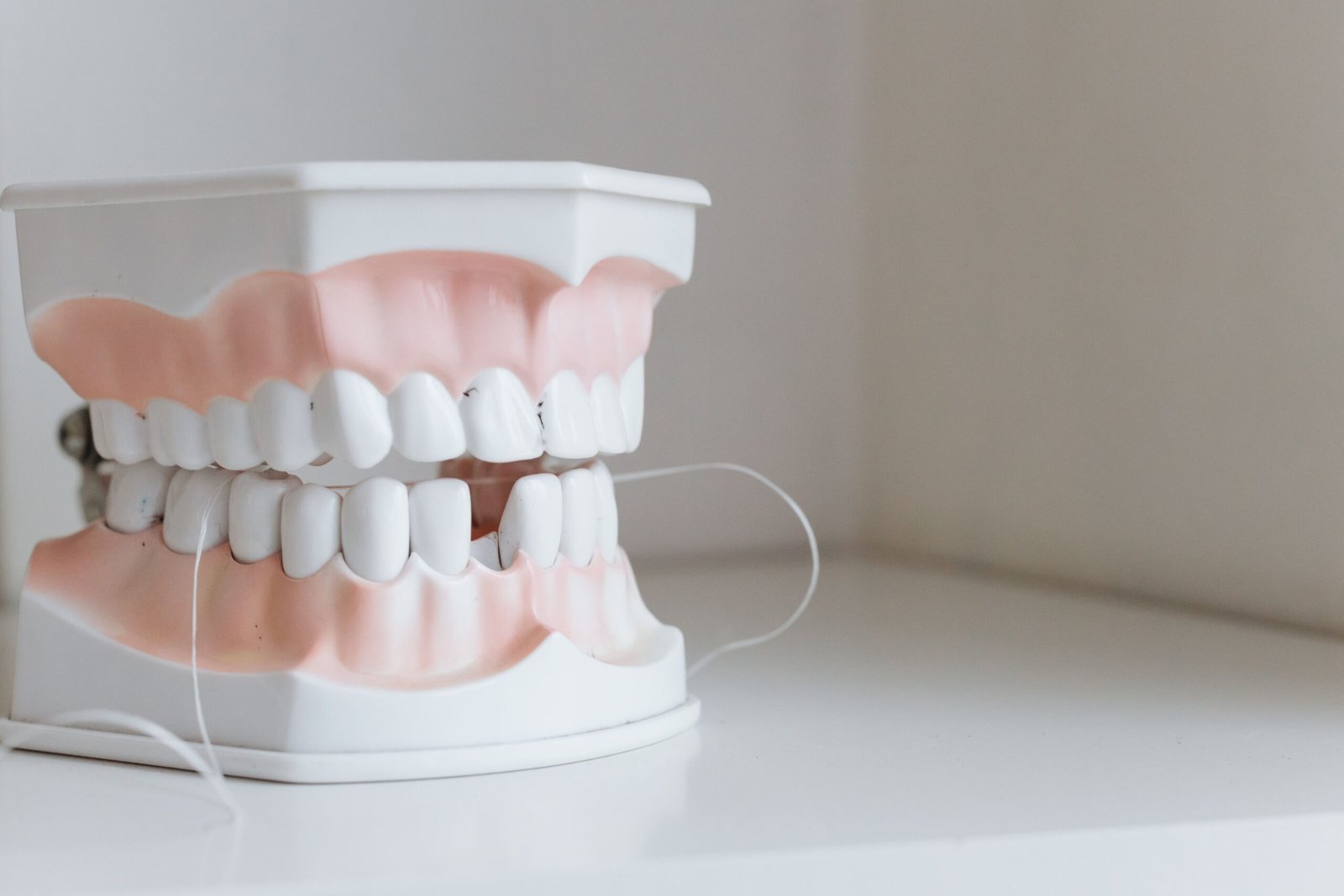
When people talk about improving their oral health, the conversation often revolves around whiter teeth, fewer cavities, fresher breath, or choosing the right toothpaste. In my experience, however, the gums deserve just as much attention as the teeth themselves. Healthy gums form the foundation around every tooth, and when that foundation begins to deteriorate, even teeth that look perfectly healthy on the surface can eventually suffer.
I also think gum health is easy to underestimate because the earliest warning signs can seem relatively harmless. A little pink in the sink after brushing, tenderness when flossing, occasional swelling, or persistent bad breath may not feel urgent. Yet these changes can sometimes signal gingivitis, the earliest stage of gum disease. If plaque remains around the gumline long enough and inflammation progresses, the problem can develop into periodontitis, which involves deeper supporting tissues and can contribute to bone loss around the teeth.
The encouraging part is that there is a great deal we can do to protect our gums. In many cases, improving gum health does not require complicated routines or expensive treatments. It requires consistently removing plaque, cleaning places a toothbrush cannot reach, supporting the mouth with sensible lifestyle choices, and knowing when professional dental care is necessary.
Over the years, I have come to view gum care less as something I do only when my gums feel irritated and more as preventive maintenance. In this guide, I want to explain how to improve gum health in a practical, realistic way, including the habits that matter most, common mistakes that can quietly make gum problems worse, foods that support oral health, the role supplements such as OxyDental Pro may play, and the warning signs I would never ignore.
Why Gum Health Matters More Than Many People Realize
Gums do much more than make a smile look attractive. They are part of the periodontal tissues surrounding and supporting our teeth. When healthy, they fit closely around the teeth and help protect the structures underneath from the bacterial environment of the mouth.
Dental plaque is constantly forming on teeth. It is a sticky biofilm containing bacteria and other substances, and if I fail to remove enough of it through brushing and interdental cleaning, it accumulates particularly easily along the gumline and between teeth.
That accumulation matters because bacteria and the body’s inflammatory response can irritate gum tissue. The earliest result may be gingivitis, which commonly produces gums that look red or swollen and bleed more easily than healthy gums.
Fortunately, gingivitis can often be reversed when plaque is controlled effectively and professional care is obtained when necessary.
Periodontitis is different. At that stage, inflammation and infection affect deeper structures around the teeth, including supporting bone. Damage that has already occurred is not simply reversed by improving brushing. Periodontitis usually requires professional periodontal treatment and ongoing management.
This is why I take bleeding gums seriously. I would not panic over a single episode caused by accidentally flossing too aggressively, but frequent unexplained bleeding deserves attention rather than being dismissed as normal.
What Healthy Gums Should Look and Feel Like
I find it useful to understand what I am actually aiming for before trying to improve gum health.
Healthy gums typically fit firmly around the teeth. Their exact color varies naturally between individuals, so I would never use the idea of “perfectly pink gums” as a universal standard. Gum pigmentation can vary considerably depending on genetics and skin tone.
What matters more is whether there are changes.
Healthy gums generally should not be persistently swollen, painful, or prone to spontaneous bleeding. Brushing and cleaning between teeth should not regularly produce significant bleeding once good technique has been established.
I also pay attention to the gumline itself. If teeth suddenly seem longer than they once did, this may indicate gum recession. Receding gums expose more of the tooth or root surface and can sometimes create sensitivity.
Other changes worth noticing include persistent bad breath, pus around the gums, teeth that begin shifting position, widening spaces, pain while chewing, or teeth that feel loose.
Those symptoms deserve a professional evaluation rather than experimentation with home remedies.
The First Thing I Would Do to Improve Gum Health
If someone asked me how to improve gum health and wanted only one starting point, I would say this: get serious about plaque removal without becoming aggressive with the gums.
That distinction is extremely important.
Some people discover bleeding gums and immediately begin brushing harder because they assume the gums need deeper cleaning. Unfortunately, excessive pressure can irritate gum tissue and contribute to toothbrush abrasion and recession.
Effective brushing is about technique and consistency, not force.
I concentrate my brushing around the gumline because plaque naturally accumulates where the teeth and gums meet. I position the bristles gently toward the gumline and use controlled motions rather than aggressively scrubbing horizontally.
The goal is to disrupt plaque thoroughly while treating the tissue gently.
Brush Twice a Day, but Improve the Way You Brush
“Brush twice daily” is familiar advice, but the quality of brushing matters enormously.
I prefer using a soft-bristled toothbrush because harder bristles do not automatically provide a better clean. A soft brush can clean extremely effectively when used correctly while being gentler on gum tissue.
Whether I use a manual or powered toothbrush, I try to give the process enough time rather than racing through it. Approximately two minutes is a practical target for a complete brushing session.
I mentally divide my mouth into sections so that every area gets attention. I clean the outside surfaces, chewing surfaces, inside surfaces, and especially the margins where the gums meet the teeth.
I also avoid pressing until the bristles flatten dramatically. More pressure does not necessarily mean more plaque removal.
A powered toothbrush can be particularly useful for people who struggle with technique because some models include pressure sensors and timers. However, owning an expensive electric toothbrush does not compensate for poor habits. A simple soft manual brush used carefully and consistently can still be very effective.
Use Fluoride Toothpaste Instead of Chasing Every Dental Trend
The oral-care market changes constantly. New charcoal powders, herbal pastes, whitening products, mineral formulas, and unusual ingredients appear every year.
I am not opposed to innovation, but I would not abandon well-supported fundamentals simply because something newer looks exciting.
For routine dental care, fluoride toothpaste remains an important tool because fluoride helps strengthen tooth enamel and reduce the risk of tooth decay.
That might sound more relevant to teeth than gums, but oral health is interconnected. Gum recession, for example, can expose root surfaces that are particularly vulnerable to decay.
When I am choosing toothpaste specifically because my gums are sensitive or inflamed, I may also look for a product designed for gum health or sensitivity, preferably one carrying appropriate dental-association acceptance where available.
What I generally avoid is automatically choosing the most abrasive product because it promises dramatically whiter teeth. If gum recession or sensitivity is already present, whitening and abrasive products should be used thoughtfully.
Cleaning Between My Teeth Is Non-Negotiable
If there is one habit that transformed the way I think about oral hygiene, it is cleaning between the teeth.
A toothbrush simply cannot clean every surface effectively. The spaces where neighboring teeth touch and the areas just beneath the gumline can retain plaque even after excellent brushing.
That is why brushing alone is incomplete oral hygiene.
Traditional dental floss works very well for many people, particularly where teeth fit closely together. I gently guide floss between the teeth rather than snapping it into the gums. Once it reaches the gumline, I curve it around one tooth and move it along the surface before repeating the motion against the neighboring tooth.
The purpose is not simply to pull food out. I am trying to physically disrupt plaque attached to tooth surfaces.
For wider spaces, periodontal problems, bridges, orthodontic appliances, or certain areas where floss is difficult to use, interdental brushes may be more practical.
Water flossers can also be useful, particularly for people who struggle with manual floss or have dental work that makes conventional flossing difficult.
The perfect tool is ultimately the one that cleans the spaces effectively and that I can use consistently.
What I Do When My Gums Bleed During Flossing
This is one of the biggest reasons people stop flossing.
They begin cleaning between their teeth, notice blood, conclude that flossing is damaging their gums, and stop.
In many cases, however, bleeding can occur because the gums are already inflamed from plaque accumulation. Improving plaque removal may gradually reduce that inflammation.
That does not mean bleeding should always be ignored. Persistent, heavy, spontaneous, or unexplained bleeding needs professional assessment.
Technique also matters. I never saw back and forth aggressively through gum tissue or force floss downward.
If bleeding continues despite gentle daily cleaning and careful brushing, I would schedule a dental examination rather than simply trying increasingly aggressive home treatments.
Professional Dental Cleaning Is Something Home Care Cannot Replace
No matter how dedicated I am with my toothbrush, floss, and interdental cleaners, there is something I cannot reliably remove at home: hardened tartar.
Plaque that remains long enough can mineralize into calculus, commonly called tartar. Once that happens, ordinary brushing and flossing cannot simply scrub it away.
A dentist or dental hygienist uses professional instruments to remove these deposits.
This is one reason routine dental appointments matter even when my mouth feels fine. Gum disease does not always cause significant pain during its earlier stages.
A dental professional can evaluate areas I cannot properly see, measure periodontal pockets when indicated, assess gum recession, identify tartar deposits, and determine whether bone loss or other problems require investigation.
For someone with healthy gums and few risk factors, the dentist may recommend routine appointments at relatively standard intervals. Someone with periodontal disease, diabetes, significant tartar buildup, smoking history, or other risk factors may need more frequent professional care.
I would follow an individualized dental schedule rather than assuming everyone needs exactly the same interval.
Diet Has a Bigger Influence on Gum Health Than I Once Thought
Good nutrition cannot replace brushing or periodontal treatment, but I still consider diet an important part of maintaining healthy oral tissues.
The mouth contains living tissues that require adequate nutrients just like the rest of the body.
I focus primarily on a balanced diet rather than searching for one magical “gum-healing food.”
Vegetables, fruits, adequate protein, whole-food sources of minerals, healthy fats, and sufficient hydration form a far better foundation than relying on isolated supplements while eating poorly.
Vitamin C deserves particular attention because severe deficiency can negatively affect gum and connective tissue health. Foods such as citrus fruit, berries, kiwi, peppers, broccoli, tomatoes, and leafy vegetables can contribute meaningful amounts.
Calcium and vitamin D also matter to overall skeletal and dental health. Dairy products, fortified foods, certain fish, leafy vegetables, and other nutrient-rich foods can help depending on someone’s diet.
What matters to me most is nutritional adequacy rather than megadosing individual nutrients.
I Try to Reduce Frequent Sugar Exposure
Most people associate sugar primarily with cavities, but reducing excessive sugar exposure makes sense for overall oral health too.
Oral bacteria metabolize fermentable carbohydrates and contribute to an environment that promotes dental disease.
I am especially conscious of frequency.
Eating something sweet once with a meal is not necessarily equivalent to slowly sipping a sugary drink throughout the entire afternoon. Repeated exposure means the oral environment is repeatedly challenged.
Sugary beverages are particularly easy to underestimate because they can coat the teeth while being consumed gradually.
Water is my preferred everyday drink. When I do consume something sweet, I try not to turn it into an all-day habit.
Crunchy Foods Are Helpful, but They Do Not “Clean” My Teeth
I often see claims that apples, carrots, celery, or other crunchy foods work like natural toothbrushes.
I think that idea needs some perspective.
Fibrous whole foods are certainly useful components of a nutritious diet, and chewing stimulates saliva. But I would never consider an apple a replacement for brushing or interdental cleaning.
Plaque is an organized bacterial biofilm attached to tooth surfaces. Proper mechanical cleaning is still necessary.
I enjoy crunchy vegetables because they are nutritious, not because I expect them to perform dental hygiene for me.
Hydration and Saliva Play an Important Role
Saliva is one of the mouth’s natural protective systems.
It lubricates oral tissues, helps wash away food particles, buffers acids, and carries minerals and other substances that contribute to maintaining the oral environment.
This is why chronic dry mouth deserves attention.
Dry mouth can occur for numerous reasons, including medications and certain medical conditions. If I were experiencing persistent dryness rather than occasional thirst, I would discuss it with a dentist or physician.
Drinking water throughout the day is a simple way to stay hydrated. Sugar-free chewing gum may also stimulate saliva in some people.
If dry mouth is severe, however, hydration alone may not solve the underlying problem.
Smoking Is One of the Biggest Threats to Gum Health
Anyone seriously trying to improve gum health should understand the effect tobacco can have on periodontal disease.
Smoking is an important risk factor for gum disease and can also interfere with treatment outcomes and healing.
One particularly deceptive aspect is that smoking can sometimes alter the appearance of inflammation. Someone may assume their gums are relatively healthy because they do not bleed dramatically even though periodontal damage is occurring.
Stopping tobacco use benefits far more than the gums, of course, but oral health gives me another compelling reason to avoid it.
The same general caution applies to the increasing variety of nicotine and tobacco products available today. A product being newer or marketed differently does not automatically make it friendly to oral tissues.
Stress Can Affect My Oral-Health Routine More Than Expected
I do not think stress directly explains every gum problem, but I have noticed that stressful periods can undermine the habits that protect oral health.
When people are exhausted or overwhelmed, they may brush quickly, skip flossing, snack more frequently, smoke more, grind their teeth, consume more alcohol, or postpone dental appointments.
Stress can therefore influence gum health indirectly through behavior and potentially through broader physiological pathways.
My solution is not perfection. It is having an oral-care routine simple enough that I can maintain it even on difficult days.
Two deliberate brushing sessions and one thorough interdental cleaning session do far more for me than an elaborate ten-product routine I only follow occasionally.
Mouthwash Can Help, but I Do Not Treat It as a Substitute for Cleaning
Mouthwash is another product category where expectations can become unrealistic.
Rinsing can be useful, and certain therapeutic mouthwashes may be recommended for specific dental conditions. However, I never assume a rinse can replace physical plaque disruption.
If plaque is attached to a tooth surface, simply swishing liquid around the mouth is not equivalent to brushing the surface and cleaning between the teeth.
Some prescription rinses, such as those used under professional guidance for periodontal problems, can have specific indications and should be used according to dental advice.
For routine use, I choose mouthwash based on my actual needs rather than automatically selecting the strongest or most intensely flavored product.
Fresh breath is pleasant, but mint flavor does not necessarily equal healthy gums.
Why My Gums May Need Special Attention If I Have Diabetes
Diabetes and periodontal health have an important relationship.
Poorly controlled blood sugar can increase susceptibility to infections and periodontal problems, while severe periodontal inflammation can complicate overall health management.
Someone with diabetes should therefore view dental care as part of broader healthcare rather than something completely separate.
If I had diabetes, I would tell my dentist, maintain regular professional appointments, stay particularly attentive to bleeding or swelling, and work with my healthcare professional to keep blood glucose appropriately managed.
The same principle applies to medications and other health conditions that can affect the gums, immune system, saliva, or healing.
A dentist cannot tailor treatment properly without knowing relevant medical history.
Gum Changes During Pregnancy Should Not Be Ignored
Hormonal changes during pregnancy can make gums more susceptible to inflammation.
Someone who previously tolerated small amounts of plaque may suddenly notice increased redness, tenderness, or bleeding.
That does not mean gum problems during pregnancy should simply be accepted.
Good brushing, interdental cleaning, nutritious food, and appropriate dental care remain important. Pregnant patients should tell dental professionals about the pregnancy so care can be planned appropriately.
Maintaining oral health is worthwhile throughout pregnancy rather than postponing all dental care until after delivery without discussing it with a dentist.
Do Supplements Help Improve Gum Health?
Supplements are where I think it is especially important to separate reasonable nutritional support from exaggerated marketing.
My position is straightforward: a supplement may complement a good oral-health routine, but it should never be treated as a replacement for brushing, cleaning between the teeth, professional dental examinations, or periodontal treatment.
Research has examined several nutrients and dietary compounds in relation to periodontal health, including vitamin D, calcium, vitamin C, antioxidants, omega-3 fatty acids, micronutrients, and plant-derived compounds.
Some studies suggest that certain nutritional interventions may have supportive effects, particularly as adjuncts to conventional periodontal therapy. However, results are not consistent enough to claim that supplements alone cure gum disease.
I also think nutritional status matters. A person who is genuinely deficient in a nutrient may benefit considerably from correcting that deficiency, whereas taking increasingly large amounts when nutritional intake is already sufficient does not automatically improve gum health.
This is why I treat supplementation as secondary support rather than the foundation.
Where OxyDental Pro Could Fit Into a Gum-Health Routine
One oral-health supplement I have seen marketed specifically for teeth, gums, breath, and broader oral wellness is OxyDental Pro.
According to currently available product information, OxyDental Pro is positioned as a dietary supplement designed to complement everyday oral care. Formulations advertised online include ingredients such as calcium, iodine, copper-related compounds, chromium, chlorella, chlorophyllin, boron citrate, fulvic acid, shilajit, and peppermint, although consumers should always verify the current Supplement Facts label because online product descriptions can change.
From a practical perspective, I see products such as OxyDental Pro as optional additions to an already solid routine.
Calcium, for instance, is clearly important to mineralized tissues, including teeth and bone. A person’s overall calcium status can therefore matter to long-term dental and skeletal health. Other botanical and mineral ingredients may have nutritional or antioxidant properties, but that does not mean the finished OxyDental Pro formula has been clinically proven to reverse gingivitis or periodontitis.
That distinction is important.
Research on individual nutrients cannot automatically be used as proof that a particular multi-ingredient commercial supplement produces the same result. Dosages, absorption, ingredient combinations, study populations, and formulation quality all matter.
Therefore, I would not use OxyDental Pro instead of flossing because my gums bleed. I would not delay periodontal treatment because I started taking a supplement. And I certainly would not expect a capsule or chewable product to remove plaque or hardened tartar from my teeth.
Where it may make sense is as supplementary nutritional support for an adult who already brushes effectively, cleans between the teeth, attends dental appointments, follows a balanced diet, and wants another oral-wellness product in the routine.
Before taking it, I would read the complete label carefully. Anyone taking prescription medication, managing thyroid problems or other medical conditions, pregnant or nursing, dealing with allergies, or already taking multiple supplements should discuss supplementation with an appropriate healthcare professional.
I would also be careful about total mineral intake. More is not always better.
The most realistic way I can summarize OxyDental Pro is this: it may be an interesting complementary oral-health supplement, but healthy gums are built primarily through plaque control, professional dental care, nutrition, and lifestyle—not through a supplement alone.
I Would Be Skeptical of Any Product Claiming to Regrow Gums Overnight
Gum recession has created a huge market for miracle products.
I frequently see advertising language suggesting that drops, powders, oils, supplements, or special toothpastes can rapidly rebuild receded gum tissue.
I would approach those promises cautiously.
Gum recession can occur for several reasons, including periodontal disease, brushing trauma, tooth position, anatomical factors, or other causes. The appropriate treatment depends on why the recession occurred and how severe it is.
Some cases may simply be monitored while cleaning technique and risk factors are improved. Others may require periodontal treatment or procedures such as soft-tissue grafting.
No supplement should be expected to physically reconstruct significant lost periodontal tissue.
If my gumline appeared to be moving noticeably, I would want a dentist or periodontist to identify the reason rather than spending months trying unproven home remedies.
I Avoid Brushing Harder When My Gums Feel Unhealthy
This mistake deserves its own section because it is incredibly common.
Plaque causes problems because it remains attached to teeth, not because it is impossibly hard.
The answer is therefore thoroughness rather than aggression.
Scrubbing aggressively with a hard toothbrush can traumatize the gumline and contribute to abrasion. The necks of the teeth can become more sensitive as gum recession exposes root surfaces.
I use gentle pressure and deliberate movements, especially along areas that already feel tender.
If I consistently struggle to remove plaque, I would rather ask a dental hygienist to demonstrate better technique than simply increase pressure.
I Replace My Toothbrush Before It Becomes Worn Out
A toothbrush does not last forever.
When the bristles become frayed, spread outward, or lose their shape, brushing becomes less effective and controlled.
I replace the brush head or manual toothbrush regularly and sooner if it becomes visibly worn.
Interestingly, if my toothbrush becomes destroyed unusually quickly, that can also tell me something about my brushing technique. Rapidly flattened bristles may suggest I am pressing too hard.
I also allow the toothbrush to air-dry properly between uses rather than storing it continuously in a sealed, damp environment.
These are small habits, but gum health is largely built from small habits repeated for years.
I Clean My Tongue as Part of My Overall Oral Routine
Tongue cleaning is not a treatment for periodontal disease, but I include it because the tongue can retain bacteria, food debris, and compounds associated with unpleasant breath.
I either brush it gently or use a tongue cleaner.
What I do not do is scrape aggressively enough to cause pain or bleeding.
Persistent bad breath that remains despite proper oral hygiene should be evaluated rather than endlessly covered up with mint products. Gum disease is one possible cause, but dry mouth, dental decay, tongue coating, diet, smoking, infections, and medical conditions can also contribute.
Bad breath is a symptom, not a diagnosis.
Signs That My Gum-Health Routine Is Working
Improving gum health is not always immediately dramatic.
I look for gradual changes.
Gums that were mildly inflamed may become firmer and less tender. Bleeding during careful brushing or flossing may decrease. My mouth may feel cleaner around the gumline, and persistent unpleasant breath associated with plaque buildup may improve.
What I do not use as my primary measure is whiteness.
Teeth can be beautifully white while the gums surrounding them are unhealthy. Likewise, naturally darker teeth can exist alongside perfectly healthy gums.
Cosmetic appearance is not a reliable substitute for periodontal health.
A professional examination remains the best way to determine whether pockets, attachment loss, tartar, recession, or bone loss are present.
How Long Does It Take to Improve Gum Health?
This depends entirely on what is wrong.
Mild gingivitis associated with plaque buildup can improve once effective oral hygiene and professional cleaning are established. Visible changes may begin relatively quickly, although complete improvement depends on the individual and the amount of inflammation present.
Periodontitis is another matter.
Once deeper periodontal structures and bone have been damaged, home care alone cannot restore everything to its original state. Professional treatment is required to control the disease, and long-term periodontal maintenance may be necessary.
This is why I would never promise someone that all gum disease can be “reversed in seven days.”
Early inflammation and established periodontal destruction are fundamentally different situations.
When I Would See a Dentist Instead of Trying More Home Remedies
There is a point where self-care stops being enough.
I would arrange a dental evaluation if I experienced persistent bleeding, significant swelling, gum recession that seemed to be progressing, ongoing pain, pus around the gumline, persistent bad breath despite careful hygiene, tooth mobility, changes in my bite, pain while chewing, or teeth that appeared to be moving apart.
I would also seek professional advice if gum problems continued despite several weeks of consistent high-quality oral hygiene.
Dental emergencies deserve faster attention. Significant facial swelling, fever associated with dental infection, trauma, or severe dental pain should not be managed by simply waiting for a new toothpaste or supplement to work.
One lesson I think everyone should remember is that dental pain is not required for serious gum disease to exist.
Routine examinations remain valuable even when nothing hurts.
My Practical Daily Routine for Healthier Gums
If I wanted to simplify everything in this article into an everyday routine, mine would remain surprisingly basic.
In the morning, I would thoroughly brush for approximately two minutes with fluoride toothpaste, giving deliberate attention to the gumline. I would brush gently rather than trying to polish the teeth aggressively.
Throughout the day, I would stay hydrated, keep sugary snacks and drinks from becoming constant habits, and prioritize balanced meals containing vegetables, fruits, protein, healthy fats, and appropriate sources of vitamins and minerals.
At night, I would clean carefully between every accessible tooth using floss, interdental brushes, a water flosser, or whichever method best fits my dental anatomy. I would then brush again thoroughly before bed.
If I chose to use an oral-health supplement such as OxyDental Pro, I would take it only according to its current label instructions and regard it as an optional nutritional addition—not as my periodontal treatment.
Finally, I would keep professional dental appointments according to the schedule recommended for my individual periodontal health.
It is not a glamorous routine, but consistency usually matters more than novelty.
Common Gum-Health Mistakes I Try to Avoid
One of the biggest mistakes is assuming bleeding gums are normal. Occasional minor irritation can happen, but recurring bleeding is worth investigating.
Another mistake is stopping interdental cleaning because the gums initially bleed. When inflammation is caused by plaque, abandoning cleaning can allow the underlying problem to continue.
Brushing too aggressively is another problem. Healthy gum care is not a competition to see how hard I can scrub.
I also avoid assuming mouthwash can replace brushing or flossing, assuming a supplement can remove tartar, continuously snacking on sugary foods, smoking while expecting gum treatments to work optimally, and waiting until a tooth becomes loose before taking gum symptoms seriously.
Perhaps the most expensive mistake is delaying professional care because an online product promises to solve everything naturally.
Natural and professional care are not opposites. I can eat well, use carefully selected supplements, stay hydrated, and still benefit from evidence-based dentistry.
My Final Thoughts on How to Improve Gum Health
After looking closely at what actually protects gum tissue, I keep coming back to a simple principle: healthy gums are created by consistently controlling plaque and supporting the tissues around the teeth—not by searching for a single miracle product.
If my goal were to improve gum health starting today, I would first improve my brushing technique. Next, I would clean thoroughly between my teeth every day. I would make sure my toothbrush was soft and in good condition, use fluoride toothpaste, reduce frequent sugar exposure, stay hydrated, avoid tobacco, eat a nutritionally balanced diet, and schedule professional dental care when appropriate.
I would also pay close attention to what my gums are telling me.
Bleeding, recession, swelling, persistent bad breath, tenderness, and loose teeth are not inconveniences I would simply cover up. They are signals that deserve attention.
Supplements such as OxyDental Pro may have a place as an additional oral-wellness option for some adults, especially when someone wants nutritional support alongside an established dental routine. However, I would keep my expectations grounded. No dietary supplement physically brushes plaque from the teeth, removes hardened calculus, diagnoses periodontal pockets, or replaces treatment from a dentist or periodontist.
That perspective makes gum care much less confusing.
I do not need twenty products. I need reliable habits.
I do not need to scrub harder. I need to clean more effectively.
I do not need to wait for pain. I need to recognize changes early.
And perhaps most importantly, I do not need to choose between everyday preventive care and professional dentistry. The strongest approach combines both.
Treating the gums as the foundation of oral health rather than an afterthought has changed the way I think about my entire dental routine. Teeth may get most of the attention when we smile, but healthy gums are doing much of the quiet work behind that smile every single day.
References
I used authoritative dental-health organizations, U.S. government health resources, and peer-reviewed research while preparing this article. Product-specific information regarding OxyDental Pro should be interpreted as manufacturer-provided information rather than independent clinical evidence.
1. National Institute of Dental and Craniofacial Research (NIDCR) — “Periodontal (Gum) Disease.”
This resource explains the causes and warning signs of periodontal disease, the difference between early and advanced gum disease, professional treatment, and preventive practices such as brushing, interdental cleaning, routine dental visits, and avoiding tobacco.
NIDCR – Periodontal (Gum) Disease
2. National Institute of Dental and Craniofacial Research (NIDCR) — “Oral Hygiene.”
This guide covers plaque removal, fluoride toothpaste, brushing technique, flossing technique, professional dental cleaning, nutrition, and everyday strategies for keeping teeth and gums healthy.
NIDCR – Oral Hygiene
3. Centers for Disease Control and Prevention (CDC) — “About Periodontal (Gum) Disease.”
The CDC provides an overview of gingivitis and periodontitis and explains why good oral hygiene, general self-care, and professional dental treatment are important for prevention and management.
CDC – About Periodontal (Gum) Disease
4. Centers for Disease Control and Prevention (CDC) — “Gum Disease Facts.”
This CDC resource discusses gum-disease warning signs, the reversibility of gingivitis, periodontitis, tooth loss, and important risk factors including smoking, diabetes, and inadequate oral hygiene.
CDC – Gum Disease Facts
5. Centers for Disease Control and Prevention (CDC) — “Oral Health Tips for Adults.”
This article provides practical recommendations concerning brushing, flossing, added sugar, professional dental care, hydration, tobacco use, dry mouth, and oral-health considerations throughout adulthood.
CDC – Oral Health Tips for Adults
6. American Dental Association (ADA) — “Home Oral Care.”
This ADA resource reviews evidence-based home-care recommendations, including brushing twice daily for approximately two minutes with fluoride toothpaste and personalized approaches to preventing gingivitis and tooth decay.
American Dental Association – Home Oral Care
7. American Dental Association (ADA) — “Dental Floss/Interdental Cleaners.”
The ADA explains why toothbrush bristles cannot adequately clean every interdental surface and discusses floss, interdental brushes, water flossers, plaque control, tartar formation, and gingivitis.
American Dental Association – Dental Floss and Interdental Cleaners
8. PubMed — “Dietary and Nutraceutical Interventions as an Adjunct to Non-Surgical Periodontal Therapy—A Systematic Review.”
This systematic review examined nutritional interventions including vitamin D, vitamin E, omega-3 fatty acids, micronutrients, plant compounds, and dietary interventions used alongside periodontal treatment. The authors reported potentially useful findings for several interventions while emphasizing limitations and the need for stronger long-term evidence.
PubMed/PMC – Dietary and Nutraceutical Interventions in Periodontal Therapy
9. PubMed — “The Effect of Nutrition on Periodontal Disease: A Systematic Review.”
This review explored relationships between vitamins, minerals, antioxidants, nutritional status, and periodontal inflammation, while emphasizing that stronger randomized clinical evidence is still needed.
PubMed – The Effect of Nutrition on Periodontal Disease
10. PubMed — “Micronutritional Approaches to Periodontal Therapy.”
This research review discusses vitamin C, vitamin D, calcium, antioxidants, nutritional status, and their potential relevance to periodontal prevention and supportive care.
PubMed – Micronutritional Approaches to Periodontal Therapy
11. PubMed/PMC — “Vitamin D and Periodontitis: A Systematic Review and Meta-Analysis.”
This analysis examined vitamin D status in individuals with chronic periodontitis and discusses the limitations of existing evidence regarding vitamin D supplementation as a periodontal intervention.
PubMed Central – Vitamin D and Periodontitis
Disclaimer
This article is provided for general educational and informational purposes only and reflects my interpretation of publicly available dental-health guidance and scientific literature. It is not medical or dental advice and should not be used to diagnose, prevent, treat, or cure gum disease or any other medical or dental condition.
Bleeding gums, gum recession, persistent swelling, pus, unexplained bad breath, loose teeth, dental pain, changes in the way teeth fit together, or other persistent oral symptoms should be evaluated by a qualified dentist or periodontist. Periodontitis can cause irreversible damage to the tissues and bone supporting the teeth and may require professional treatment.
Dietary supplements, including OxyDental Pro, should not be considered substitutes for brushing with fluoride toothpaste, cleaning between the teeth, professional dental cleanings, periodontal therapy, prescription treatment, or medical care. Statements made by supplement manufacturers have not necessarily been independently confirmed through well-designed clinical trials of the finished product. Anyone who is pregnant or nursing, takes medication, has a diagnosed health condition, has allergies, or is considering combining multiple supplements should consult an appropriate healthcare professional before beginning a new supplement.