

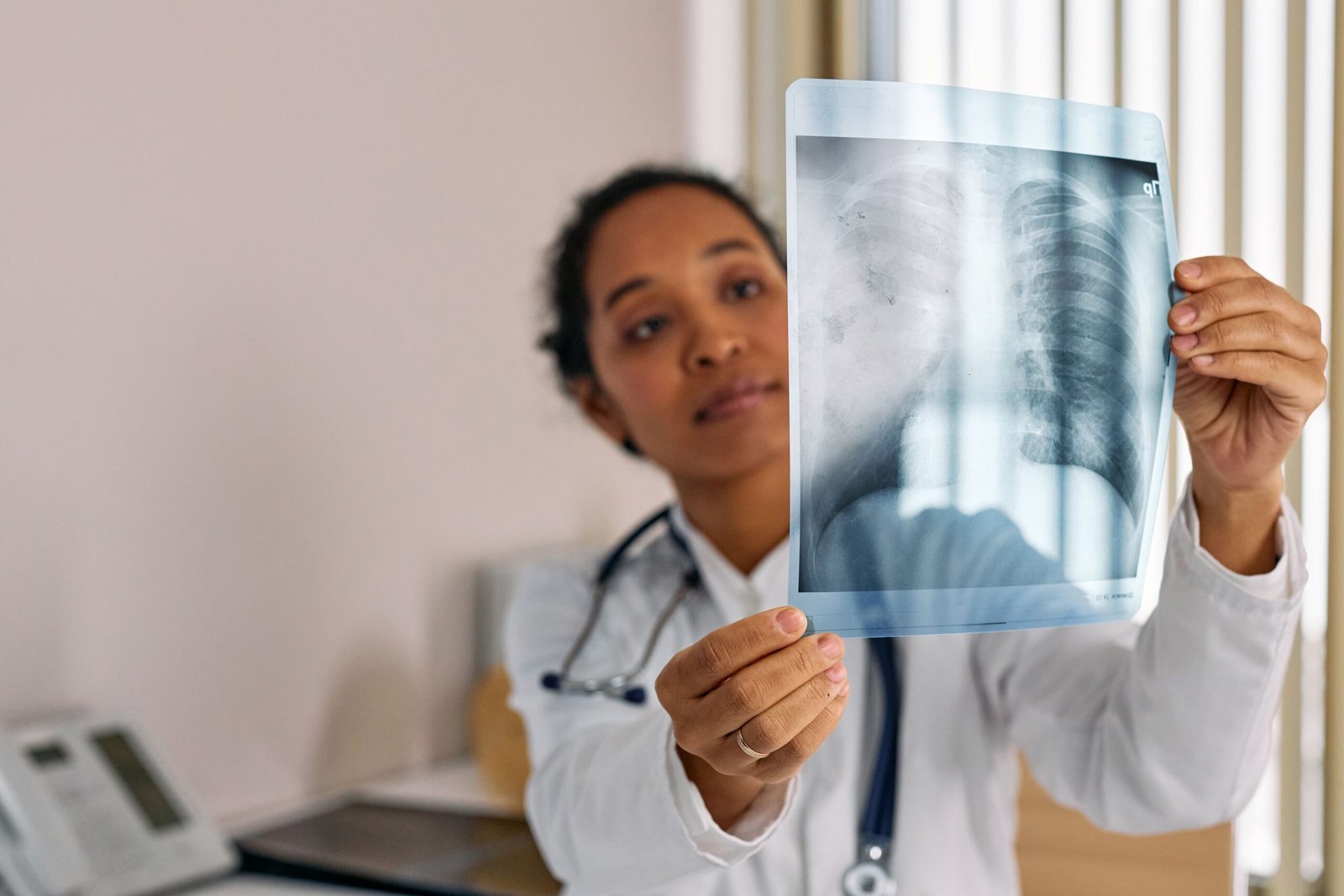
When people ask me how to improve lung function, I think the first thing worth clearing up is what “better lung function” actually means. There is no overnight trick that suddenly makes the lungs dramatically larger or gives someone the breathing capacity of an elite endurance athlete. What we can often improve, however, is how efficiently the respiratory system works, how effectively the breathing muscles perform, how well the body tolerates physical activity, and how successfully we protect the lungs from things that gradually damage them.
I also think this distinction matters because the internet is full of so-called lung detoxes, miracle breathing devices, herbal cleanses, and supplements that promise to “rebuild” damaged lungs in a matter of days. That is not how lung health works. The lungs already have sophisticated mechanisms for clearing particles and mucus, and meaningful improvement normally comes from reducing harmful exposures, becoming physically active, practicing useful breathing techniques, addressing underlying medical problems, eating well, sleeping properly, and giving the body enough time to adapt.
For someone who has become winded after climbing stairs, is recovering from a period of inactivity, wants to protect their lungs as they get older, or simply wants better respiratory fitness, there is quite a lot that can be done. Some improvements may be noticeable in everyday activities even when a standard lung-function measurement does not change dramatically.
In this guide, I am going to explain how I would approach improving and protecting lung function from several angles rather than looking for one miracle solution. I will cover exercise, breathing exercises, smoking, air quality, nutrition, hydration, respiratory infections, body weight, sleep, supplements, pulmonary rehabilitation, and the situations where professional testing makes more sense than trying another home remedy.
What Does Good Lung Function Actually Mean?
I find it helpful to think of lung function as more than simply how deeply a person can inhale. Healthy breathing depends on several systems working together. Air has to move through the airways efficiently, oxygen has to cross from the lungs into the bloodstream, carbon dioxide needs to move in the opposite direction, the diaphragm and other respiratory muscles need to do their jobs properly, and the heart and circulation need to deliver oxygen to working tissues.
Doctors can measure aspects of lung function using tests such as spirometry. One commonly measured value is FEV1, or forced expiratory volume in one second, which measures how much air a person can forcefully exhale during the first second of a breathing test. Another is forced vital capacity, or FVC, which represents the total amount of air forcibly exhaled after taking a full breath.
Those measurements are important when diagnosing and monitoring diseases such as asthma and chronic obstructive pulmonary disease, but they are not the entire story. Someone can become noticeably more comfortable during walking or exercise because their cardiovascular fitness, respiratory muscle control, strength, and movement efficiency have improved even if their underlying anatomical lung capacity has changed very little.
That is why, when I talk about improving lung function throughout this article, I am referring to the broader goal of improving breathing efficiency, exercise tolerance, respiratory fitness, symptom control, and long-term lung health while preserving as much functional capacity as possible.
Exercise Is One of the Most Powerful Places to Start
If I had to choose one everyday habit that deserves far more attention in conversations about breathing, it would be regular physical activity. Exercise does not magically enlarge healthy adult lungs, but it can make the entire oxygen-delivery system considerably more efficient.
As fitness improves, the heart becomes better at circulating oxygen-rich blood and skeletal muscles become better at extracting and using that oxygen. Activities that once required heavy breathing may therefore become easier. The respiratory muscles are also challenged during exercise, particularly when activity becomes moderately demanding.
The American Lung Association recommends regular exercise for lung health and notes that both cardiovascular activity and muscle-strengthening exercise can be useful. People who already have lung disease can often benefit from physical activity as well, although their program may need to be individualized with a healthcare professional.
For someone who has been largely sedentary, I would not start by trying to run several miles. Walking is an excellent beginning. A comfortable 10- or 15-minute walk performed consistently is far more useful than an overly aggressive workout that leaves someone exhausted and unwilling to exercise again for another week.
As fitness develops, walking can become longer or slightly faster. Cycling, swimming, dancing, elliptical training, hiking, and other aerobic activities can also challenge the heart and respiratory system. The specific activity matters less than finding something sustainable enough to perform regularly.
I would also include resistance training rather than focusing entirely on cardio. Stronger legs, hips, back, shoulders, and core muscles make daily movement more efficient. When ordinary tasks require a smaller percentage of your maximum physical capacity, they generally feel easier, including from a breathing perspective.
Anyone who has unexplained chest pain, fainting, severe shortness of breath, significant heart or lung disease, or another condition affecting exercise tolerance should talk with a healthcare professional before aggressively increasing activity.
Practice Pursed-Lip Breathing
One of the simplest breathing techniques I think is genuinely worth learning is pursed-lip breathing. It is commonly taught in pulmonary rehabilitation, particularly to people dealing with chronic respiratory conditions.
The technique itself is straightforward. I breathe in gently through my nose rather than taking an enormous gasp. Then I purse my lips as though I were about to whistle and slowly breathe out through them. The exhalation should generally last longer than the inhalation.
The American Lung Association explains that pursed-lip breathing can slow the breathing rate and help keep the airways open longer, which can make it easier to move trapped air out of the lungs.
What I like about this technique is that it does not require special equipment. It can be practiced while sitting comfortably and later used during activities that tend to cause breathlessness, such as climbing stairs or walking uphill.
I would practice it while breathing comfortably rather than waiting until I was already extremely short of breath. Once the technique feels natural, it becomes easier to use during more demanding moments.
Pursed-lip breathing should not be treated as a substitute for medical attention, however. New, severe, persistent, or unexplained breathlessness needs proper evaluation rather than simply being managed indefinitely with breathing exercises.
Learn to Use the Diaphragm More Effectively
Diaphragmatic breathing, sometimes called belly breathing, is another technique I would consider adding to a lung-health routine.
The diaphragm is the major muscle involved in breathing. During relaxed diaphragmatic breathing, the abdomen naturally moves outward somewhat as the diaphragm contracts and creates space for the lungs to expand.
To practice, I would sit comfortably or lie down and place one hand over my upper chest and the other over my abdomen. I would breathe gently through my nose while paying attention to the abdomen expanding. Then I would breathe out slowly while allowing the abdomen to relax.
I am not trying to inhale the largest possible amount of air every time. Instead, the goal is relaxed, controlled breathing with less unnecessary tension in the shoulders and upper chest.
The American Lung Association recommends practicing diaphragmatic breathing regularly and explains that it can help people learn to use the diaphragm more effectively.
For someone with chronic lung disease or significant breathing difficulties, respiratory therapists and pulmonary rehabilitation professionals can provide much more individualized instruction than a generic online exercise.
Stop Smoking and Avoid Secondhand Smoke
No conversation about how to improve lung function would be complete without talking about smoking. If someone currently smokes cigarettes, stopping is one of the most meaningful things they can do for their long-term respiratory health.
Cigarette smoke contains thousands of chemicals and repeatedly exposes lung tissue to irritants and toxic substances. Over time, smoking promotes airway inflammation, damages lung tissue, increases mucus production, impairs normal respiratory defenses, and dramatically increases the risk of COPD and lung cancer.
Importantly, quitting is still worthwhile even after someone has smoked for years.
The Centers for Disease Control and Prevention reports that smoking cessation can reduce respiratory symptoms and respiratory infections and can reduce the risk of developing COPD. For people who already have COPD, quitting can slow disease progression and reduce the loss of lung function over time.
I would therefore put quitting tobacco far ahead of any supplement, breathing gadget, herbal tea, or so-called detox product.
I would also pay attention to secondhand smoke. Someone does not need to personally smoke cigarettes to experience respiratory effects from tobacco smoke. Keeping the home and car smoke-free is one of the simplest protective measures available.
Vaping should not automatically be treated as harmless to the lungs either. Avoiding inhaled tobacco and aerosol exposures remains the safer approach for protecting respiratory health.
Pay More Attention to the Air You Breathe Every Day
People sometimes become extremely focused on food and supplements while overlooking something the lungs interact with thousands of times every day: air.
Indoor pollutants can include tobacco smoke, dust, mold, combustion products, fumes from paints and solvents, cleaning chemicals, allergens, and radon. Outdoor exposures may include traffic pollution, smoke, ozone, fine particles, industrial emissions, and wildfire smoke.
The American Lung Association recommends reducing exposure to both indoor and outdoor pollutants and paying attention to local air-quality conditions, particularly before exercising outside.
At home, I would start with basic measures rather than trying to create a sterile environment. Smoking should remain outside the home entirely. Moisture problems and visible mold should be addressed rather than covered up. Cooking areas should be ventilated appropriately. Dust should be controlled, particularly if someone has allergies or asthma, and strong fumes should be minimized whenever possible.
People working around dust, fumes, chemical vapors, welding smoke, construction materials, or other occupational hazards should take respiratory protection seriously and use protection appropriate for the exposure.
On days when outdoor air pollution is particularly high, I would consider moving a strenuous outdoor workout indoors instead of assuming that exercising in polluted air is automatically better than skipping outdoor exercise.
Do Not Fall for “Lung Detox” Claims
I understand why the phrase “lung detox” is appealing. It gives the impression that years of pollution, smoking, or unhealthy habits can be erased with a drink, supplement, steam treatment, or herbal mixture.
Unfortunately, lungs do not work that way.
The American Lung Association specifically cautions against the idea that quick lung-cleansing products can reverse damage. Instead, it emphasizes avoiding pollutants, quitting smoking, exercising regularly, and eating a nutritious diet.
I would be especially skeptical of products claiming to remove tar from the lungs, regenerate damaged alveoli within days, dramatically increase oxygen levels, or reverse COPD without medical treatment.
Some lung tissue can recover after certain exposures stop, and symptoms such as cough and mucus production may improve after smoking cessation. However, established structural damage from diseases such as emphysema is a very different matter.
My approach is therefore less exciting than a seven-day detox advertisement, but much more realistic: remove what is damaging the lungs, support normal physiology, improve fitness, treat medical conditions appropriately, and remain consistent.
Eat for Overall Respiratory and Metabolic Health
There is no single “lung superfood” that transforms respiratory capacity, but diet still matters considerably.
I prefer to think about nutrition as part of the environment in which the lungs, immune system, muscles, cardiovascular system, and metabolism operate. A balanced eating pattern provides protein for maintaining muscles, carbohydrates and fats for energy, minerals and vitamins for cellular processes, and plant compounds found in fruits and vegetables.
Rather than obsessing over one exotic antioxidant, I would build meals around vegetables, fruit, beans and legumes, whole grains where appropriate, nuts and seeds, fish or other quality protein sources, and minimally processed foods.
Protein becomes particularly important for maintaining muscle mass. Breathing itself requires muscular work, and chronic respiratory disease can sometimes contribute to muscle loss, weakness, and reduced exercise tolerance.
At the same time, being excessively full can make breathing uncomfortable for some people. Someone who feels breathless after large meals may find that smaller portions eaten more frequently are easier to tolerate.
Nutrition becomes more specialized for people with advanced COPD, cystic fibrosis, severe obesity, unintended weight loss, or other medical conditions. In those situations I would involve a physician or registered dietitian rather than following a generic lung-health diet from the internet.
Stay Adequately Hydrated
Hydration is another basic habit that gets overshadowed by more exciting lung-health claims.
Mucus is part of the respiratory system’s normal defense mechanism. It helps trap particles and microorganisms so they can be moved out of the airways. Adequate fluid intake can help support normal mucus consistency, particularly in people who tend to develop thick respiratory secretions.
That does not mean forcing enormous quantities of water will “flush toxins” from the lungs. Drinking excessive water offers no special lung-cleansing advantage and can actually be dangerous in certain medical situations.
I simply aim for reasonable hydration based on thirst, activity, climate, diet, and individual medical needs.
People who have heart failure, kidney disease, low blood sodium, or medical instructions to restrict fluids should follow their healthcare provider’s guidance rather than increasing water intake simply because hydration is frequently promoted online.
Maintain a Body Weight That Supports Comfortable Breathing
Body composition can influence how breathing feels.
Excess body weight, particularly substantial abdominal and chest-wall weight, can increase the mechanical workload involved in breathing. It can also reduce mobility and make physical exertion considerably harder, meaning a short walk may require much more cardiovascular and respiratory effort.
On the other hand, becoming severely underweight is not healthy for the respiratory system either. People with advanced lung disease can lose muscle, including muscles important for breathing and physical activity.
This is why I do not view lung health through a simplistic “lose as much weight as possible” lens. The better goal is a body composition that supports mobility, strength, adequate nutrition, and healthy metabolic function.
If excess weight contributes to breathlessness, gradual sustainable weight reduction alongside strength training and cardiovascular activity may improve how everyday movement feels.
Unexpected weight loss, especially when accompanied by persistent cough or shortness of breath, deserves medical evaluation rather than being celebrated automatically.
Protect Yourself From Respiratory Infections
A significant respiratory infection can temporarily reduce breathing capacity even in a healthy person, while infections can be considerably more serious for someone with an existing lung condition.
This is why preventing respiratory infections is part of protecting long-term lung health.
I would stay current with vaccinations recommended for my age, medical history, and risk profile, which may include influenza, COVID-19, and pneumococcal vaccination depending on individual circumstances. I would also take ordinary infection-control habits seriously, including proper handwashing and avoiding unnecessary exposure when someone around me is clearly ill.
For people with chronic lung disease, avoiding exacerbations can be especially important because repeated severe episodes can lead to hospitalization, prolonged inactivity, and additional loss of physical conditioning.
Vaccination recommendations change with age, health status, product availability, and public-health guidance, so I would check the current CDC schedule or discuss it with a healthcare professional rather than relying on an old online article.
Sleep Matters More Than Many People Realize
Poor sleep can undermine almost every other part of a lung-health plan.
When I sleep badly, exercise becomes harder, recovery slows, appetite regulation changes, and consistent healthy behavior becomes much more difficult. Chronic sleep deprivation also affects cardiovascular and metabolic health, both of which influence how efficiently oxygen is delivered around the body.
There is another important issue: sleep-disordered breathing.
Someone who snores loudly, repeatedly wakes gasping, feels unusually sleepy during the day, experiences morning headaches, or has witnessed pauses in breathing during sleep may need to be assessed for conditions such as obstructive sleep apnea.
No amount of daytime breathing exercises can substitute for identifying and appropriately treating a significant nighttime breathing disorder.
Strengthen Your Posture and Respiratory Support Muscles
Posture does not change the fundamental structure of the lungs, but body position can influence how freely the chest wall and diaphragm move.
Someone who spends most of the day collapsed forward over a laptop may notice that taking a comfortable deep breath feels easier after sitting upright and opening the chest.
This is another reason I like combining aerobic exercise with resistance training. Exercises for the upper back, trunk, shoulders, legs, and core support better movement mechanics and physical endurance.
I would not obsess over maintaining a rigid military posture all day. Natural posture changes constantly. The goal is simply to maintain enough mobility and strength that the rib cage, spine, shoulders, and diaphragm are not unnecessarily restricted.
Stretching the chest, maintaining thoracic-spine mobility, strengthening the back, and regularly getting out of a seated position can all complement a broader fitness program.
How Supplements May Help Lung Health
Supplements deserve a separate discussion because they are frequently marketed as shortcuts for improving lung function.
I do believe supplements can have a legitimate role in health, but that role needs to be kept in perspective. A supplement may help correct a nutritional deficiency or may be useful in a specific medical context, but that is very different from claiming that a capsule can dramatically increase lung capacity in a healthy person.
If testing shows that someone is deficient in a nutrient, correcting that deficiency makes sense for overall health. Vitamins and minerals involved in immune function, muscle health, antioxidant defenses, and normal cellular metabolism are important throughout the body, including the respiratory system. In most cases, however, I would rather establish a strong nutritional foundation from food and use supplements strategically rather than swallowing a large collection of products because each label contains the words “lung support.”
N-acetylcysteine, commonly called NAC, is one ingredient that frequently appears in discussions about respiratory health because it can act as a mucolytic and has antioxidant properties. Research has examined NAC particularly in people with COPD and chronic bronchitis.
Interestingly, this is a good example of why supplement claims need nuance. A 2026 systematic review and meta-analysis of randomized trials found that NAC was associated with fewer COPD exacerbations overall, but it did not significantly improve major pulmonary-function measurements such as FEV1 or FVC.
Other analyses have produced somewhat different findings regarding exacerbations, reflecting differences in populations, dosages, study designs, and treatment duration.
For me, that evidence does not translate into “everyone should take NAC to improve lung function.” It suggests that NAC may have a role for certain people with specific respiratory conditions, ideally after discussion with a clinician who understands their medications and medical history.
The same principle applies to vitamin D, antioxidants, omega-3 fatty acids, magnesium, herbal preparations, and other nutrients frequently marketed for respiratory health. Having adequate nutrition is important, but more is not automatically better. A person who already has adequate nutrient status should not expect megadoses to create superhuman lung function.
There is also a safety issue that supplement advertising often minimizes. The FDA warns that dietary supplements can cause adverse effects, interact with prescription and over-the-counter medicines, and create additional risks when several supplements are combined or taken at high doses.
So if I were considering a supplement specifically because of asthma, COPD, chronic mucus, recurrent respiratory infections, or another ongoing lung problem, I would discuss it with my physician or pharmacist first. I would also be especially cautious if taking blood thinners, heart medication, immune-modifying drugs, cancer treatments, or multiple prescription medications.
Ultimately, I see supplements as supporting players rather than the foundation of better lung function. Exercise, avoiding smoke, treating underlying disease, managing air quality, maintaining healthy nutrition, getting enough sleep, and following appropriate medical care carry far more weight.
Pulmonary Rehabilitation Can Be Exceptionally Valuable
One option I wish more people knew about is pulmonary rehabilitation.
Pulmonary rehabilitation is not simply an exercise class. It is a structured, medically supervised program designed for people with certain chronic respiratory problems. Depending on the program, it can include physical training, breathing techniques, education, nutritional guidance, symptom-management strategies, and psychological support.
The National Heart, Lung, and Blood Institute explains that pulmonary rehabilitation can help people with conditions including COPD, asthma, pulmonary hypertension, cystic fibrosis, and other problems that affect lung function.
Exercise training is generally individualized because two people with the same diagnosis may have very different limitations.
This matters because chronic breathlessness can create a vicious cycle. A person becomes short of breath during activity, so they avoid activity. Their muscles then become less conditioned, meaning even less activity causes fatigue and breathlessness. That encourages further avoidance.
A properly designed rehabilitation program can help interrupt that cycle.
For someone with diagnosed chronic lung disease who constantly feels that exercise is impossible, I would ask the healthcare team whether pulmonary rehabilitation is appropriate rather than assuming inactivity is the safest choice.
Manage Existing Lung Conditions Properly
Lifestyle changes are valuable, but they should not replace treatment for an actual respiratory disease.
Asthma, COPD, pulmonary fibrosis, bronchiectasis, pulmonary hypertension, sleep apnea, chronic infections, heart disease, anemia, and several other conditions can cause shortness of breath. Each requires a different approach.
For example, someone with uncontrolled asthma may need changes to their inhaled medications rather than simply more cardiovascular exercise. Someone with COPD may benefit from bronchodilators and pulmonary rehabilitation. A person experiencing shortness of breath because of heart failure needs an entirely different treatment plan.
This is also why I would take inhaler technique seriously. Even an effective medication may work poorly when the device is used incorrectly. A physician, nurse, respiratory therapist, or pharmacist can watch someone use their inhaler and correct small mistakes that dramatically affect medication delivery.
If symptoms persist despite supposedly appropriate treatment, I would not automatically increase supplements or breathing exercises. I would go back to the underlying diagnosis and treatment plan.
Be Consistent Instead of Looking for a Quick Fix
One of the biggest lessons I have learned from studying health habits is that boring consistency usually wins.
A person who walks regularly, builds strength, does not smoke, maintains reasonable body composition, sleeps well, minimizes pollution exposure, eats a nutritious diet, and follows their medical treatment is doing far more for their respiratory future than someone who repeatedly buys the newest lung-cleansing supplement while ignoring the basics.
I also would not expect every improvement to show up immediately on a spirometry test.
Maybe walking up two flights of stairs stops leaving you completely winded. Perhaps you recover faster after exercise. Maybe your resting breathing feels calmer, your stamina increases, or you can walk considerably farther before needing a break.
Those functional improvements matter.
The lungs work as part of a larger system, so improving physical fitness can make breathing feel easier even when the actual anatomical capacity of the lungs has not dramatically changed.
A Practical Routine I Would Use to Support Lung Function
If I wanted to improve my respiratory fitness without turning my entire life upside down, I would keep the routine relatively simple.
I would build regular walking or another form of aerobic activity into most weeks and increase the duration gradually rather than trying to become intensely fit overnight. Alongside aerobic exercise, I would include resistance training several times per week so my legs, back, shoulders, and core remain strong.
I would spend several minutes practicing relaxed diaphragmatic and pursed-lip breathing, particularly until those techniques become familiar enough to use naturally.
I would keep my home smoke-free, take mold and ventilation problems seriously, minimize unnecessary exposure to harsh fumes, and check outdoor air quality before performing demanding outdoor exercise when pollution or wildfire smoke is a concern.
Meals would revolve around nutritious whole foods rather than products marketed specifically as lung detoxifiers. I would drink enough fluid to remain normally hydrated, maintain a consistent sleep schedule, and stay appropriately vaccinated.
Most importantly, if I smoked, quitting would become the highest-priority part of the plan. I would seek professional smoking-cessation support rather than relying entirely on willpower if I needed it.
Those habits sound far less dramatic than a miracle lung formula, but taken together, they form a much stronger foundation.
When I Would Ask for a Lung-Function Test
I would not assume every episode of getting winded means lung disease. Being deconditioned can make exercise surprisingly difficult, particularly after months or years of inactivity.
Persistent or unexplained respiratory symptoms are different.
I would speak with a healthcare provider if I developed ongoing shortness of breath, recurring wheezing, persistent cough, unusual mucus production, chest tightness, exercise intolerance that seemed disproportionate to my fitness, or symptoms that progressively worsened.
The NHLBI advises people not to ignore symptoms including ongoing cough, wheezing, chest tightness, and shortness of breath.
Depending on the circumstances, a clinician may recommend spirometry, oxygen-level measurements, imaging, laboratory testing, exercise testing, or other investigations.
That is considerably more useful than guessing whether the problem is “weak lungs.”
Know When Shortness of Breath Is an Emergency
There is a major difference between gradually becoming winded during exercise and suddenly being unable to breathe properly.
Severe or rapidly worsening shortness of breath needs urgent medical attention, particularly when accompanied by chest pain or pressure, fainting, confusion, blue or gray discoloration around the lips or face, coughing up blood, severe wheezing, or an inability to speak comfortably because of breathlessness.
I would never try to breathe through symptoms like these with an online exercise.
Even less dramatic breathlessness deserves evaluation when it is new, unexplained, persistent, or getting progressively worse. Shortness of breath can originate from the lungs, heart, blood, nervous system, metabolic conditions, anxiety, medication effects, or several other causes.
Finding the cause is far more important than simply trying to increase lung capacity.
How Long Does It Take to Improve Lung Function?
This is one of the hardest questions to answer because the timeline depends heavily on what is actually limiting someone’s breathing.
A previously sedentary but otherwise healthy person might notice improved exercise tolerance after several weeks of regular training. Someone quitting smoking may experience gradual improvements in cough and respiratory symptoms while gaining important long-term protection against further damage.
A person with asthma may feel dramatically better once the condition is properly controlled, while someone with emphysema may not be able to reverse destroyed lung tissue but can still improve physical conditioning, symptom management, and quality of life.
That is why I prefer measuring progress in several ways.
I would pay attention to how far I can comfortably walk, how quickly my breathing settles after climbing stairs, how consistently I exercise, whether coughing or wheezing has changed, how much everyday activity I can perform, and what objective medical testing shows when testing is appropriate.
The goal should be meaningful improvement rather than chasing a perfect spirometry number.
Frequently Asked Questions About Improving Lung Function
Can lung function actually improve?
Yes, but what improves depends on the individual. Exercise tolerance, respiratory-muscle efficiency, cardiovascular fitness, breathing control, and symptoms can often improve substantially. Some lung-function measurements can also improve when a reversible condition such as poorly controlled asthma is treated. Permanent structural damage from certain diseases may not be reversible, although progression can sometimes be slowed and quality of life improved.
Can walking improve lung function?
Walking is one of my favorite starting points because it progressively challenges the cardiovascular and respiratory systems without requiring special equipment. Regular walking can improve conditioning and make everyday physical activity feel easier. Someone with significant lung or heart disease should establish an appropriate exercise level with their healthcare team.
Can deep breathing increase lung capacity?
Breathing exercises can improve breathing control, diaphragmatic use, and the ability to manage breathlessness in certain situations. I would not describe them as a guaranteed way to permanently enlarge healthy adult lungs. Their value is more about improving breathing mechanics and control.
Can damaged lungs heal?
Some respiratory irritation and inflammation can improve after harmful exposures are removed, and respiratory symptoms may improve substantially after smoking cessation. However, certain structural changes, such as destruction of lung tissue in emphysema or established scarring in some forms of pulmonary fibrosis, may be irreversible. Preventing additional damage is therefore extremely important.
What is the fastest way to improve lung health?
For a smoker, quitting smoking is one of the most powerful actions available. For a sedentary nonsmoker without diagnosed lung disease, progressively increasing regular physical activity is an excellent place to begin. Adequate sleep, good nutrition, cleaner air, healthy body composition, and management of medical conditions complete the picture.
Do lung supplements really work?
Some nutrients are useful when correcting deficiencies, and certain compounds such as NAC have been studied in specific respiratory diseases. That does not mean over-the-counter lung supplements have been proven to increase lung function in healthy people. I would judge each ingredient and claim individually rather than assuming a product works because it contains antioxidants or herbs.
Can you clean your lungs naturally?
The lungs have natural clearance and defense mechanisms. I would not rely on a special detox drink or supplement to “clean” them. Avoiding smoke and pollutants, exercising, staying appropriately hydrated, eating well, and treating respiratory conditions appropriately are much more evidence-based approaches.
Final Thoughts: How I Would Improve Lung Function for the Long Term
When I strip away all the marketing surrounding lung health, my strategy becomes surprisingly straightforward.
I would move my body consistently. I would gradually build cardiovascular fitness and strength. I would practice controlled breathing rather than repeatedly forcing enormous breaths. I would protect myself from cigarette smoke, vaping aerosols, occupational fumes, and unnecessary pollution. I would eat a nutritious diet, remain reasonably hydrated, sleep properly, and maintain a body weight that supports comfortable movement.
If I smoked, quitting would outrank every supplement on the market.
If I already had COPD, asthma, pulmonary fibrosis, or another respiratory condition, I would work with my healthcare team and investigate pulmonary rehabilitation rather than attempting to replace medical treatment with natural remedies.
And when it comes to supplements, I would keep expectations realistic. They may be useful in specific circumstances, particularly when correcting a deficiency or when a particular compound has evidence for a diagnosed condition, but they cannot compensate for smoking, inactivity, uncontrolled respiratory disease, or chronically polluted air.
Ultimately, learning how to improve lung function is less about discovering one secret technique and more about creating conditions in which the respiratory system can work as effectively as possible.
Our lungs perform thousands of breaths every day without us consciously thinking about them. Giving them cleaner air, a stronger body, regular exercise, sensible nutrition, appropriate medical care, and freedom from tobacco smoke is one of the most practical investments I can imagine making in long-term health.
References
1. American Lung Association — “Breathing Exercises”
This resource explains pursed-lip breathing, diaphragmatic breathing, breathing efficiency, and how these techniques are used for people experiencing respiratory limitations. American Lung Association — Breathing Exercises
2. American Lung Association — “Exercise and Lung Health”
This article discusses cardiovascular exercise, strength training, breathing muscles, and considerations for exercising with lung disease. American Lung Association — Exercise and Lung Health
3. American Lung Association — “Tips to Keep Your Lungs Healthy”
This resource covers smoking cessation, indoor air pollution, outdoor pollution, occupational exposures, and other measures for protecting respiratory health. American Lung Association — Tips to Keep Your Lungs Healthy
4. American Lung Association — “Can You Detox Your Lungs?”
This article addresses misconceptions surrounding lung detoxification while discussing smoking cessation, exercise, nutrition, indoor air, and pollution exposure. American Lung Association — Can You Detox Your Lungs?
5. National Heart, Lung, and Blood Institute — “Pulmonary Rehabilitation”
The NHLBI explains how pulmonary rehabilitation combines supervised exercise, breathing techniques, education, nutritional counseling, and other strategies for people living with certain respiratory diseases. NHLBI — Pulmonary Rehabilitation
6. Centers for Disease Control and Prevention — “Respiratory Care Settings and Smoking Cessation”
The CDC explains the respiratory consequences of cigarette smoking and the benefits of quitting, including reduced respiratory symptoms and slower loss of lung function among people with COPD. CDC — Respiratory Care Settings and Smoking Cessation
7. Centers for Disease Control and Prevention — “Benefits of Quitting Smoking”
This CDC resource summarizes the respiratory and broader health benefits associated with smoking cessation. CDC — Benefits of Quitting Smoking
8. U.S. Food and Drug Administration — “Dietary Supplements: What Pharmacists Should Know”
This FDA educational resource discusses supplement safety, adverse effects, medication interactions, high-dose supplementation, and potentially hidden pharmaceutical ingredients. FDA — Dietary Supplements: What Pharmacists Should Know
9. PubMed — “The Efficacy of N-Acetylcysteine in the Management of Chronic Obstructive Pulmonary Disease: A Systematic Review and Meta-Analysis”
This 2026 systematic review analyzed randomized controlled trials of NAC in COPD, including effects on exacerbations and objective lung-function measurements. PubMed — NAC in COPD Systematic Review and Meta-Analysis
10. PubMed — “N-Acetylcysteine Treatment in Chronic Obstructive Pulmonary Disease (COPD) and Chronic Bronchitis/Pre-COPD: Distinct Meta-Analyses”
This research evaluates NAC in COPD and chronic bronchitis, including exacerbation rates, symptoms, and quality-of-life outcomes. PubMed — N-Acetylcysteine Treatment in COPD and Chronic Bronchitis
Disclaimer
This article is intended for general educational and informational purposes only and should not be considered medical advice, diagnosis, or treatment. Lung function and shortness of breath can be affected by many different medical conditions, and the appropriate treatment depends on the underlying cause. Anyone with persistent coughing, wheezing, chest tightness, unexplained shortness of breath, declining exercise tolerance, or another ongoing respiratory concern should speak with a qualified healthcare professional. Severe or rapidly worsening breathing difficulty, chest pain, fainting, confusion, blue or gray discoloration of the lips or face, or coughing up blood requires urgent medical attention. Always consult a physician, pharmacist, registered dietitian, or other qualified healthcare professional before starting a supplement, substantially changing an exercise program, or modifying prescribed treatment, particularly if you have an existing heart or lung condition or take prescription medications.