

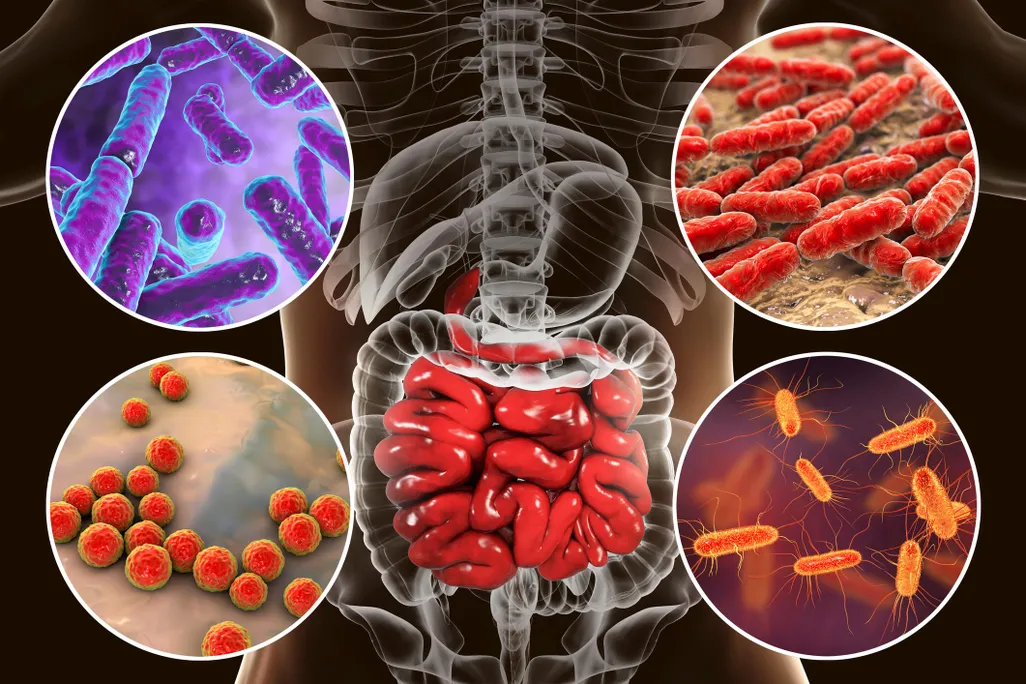
For years, gut health was something I associated mainly with digestion. If my stomach felt comfortable, I assumed everything was working properly. If I felt bloated, constipated, gassy, or generally uncomfortable after eating, I assumed I had simply eaten the wrong meal. The more I learned about digestive health, however, the more I realized that the gut is far more complex than a simple food-processing system.
Our digestive tract is home to an enormous community of microorganisms collectively known as the gut microbiome. These microorganisms interact with the foods we eat and participate in digestion and other biological processes. Researchers are still uncovering exactly how the microbiome influences human health, and there is plenty we do not yet understand, but it has become increasingly clear that diet and lifestyle can influence this microbial ecosystem.
That realization completely changed the way I think about how to improve gut health. Instead of searching for one supplement, one “gut cleanse,” or one supposedly perfect food, I now think about gut health as the result of many small habits working together. What I eat matters tremendously, but so do hydration, physical activity, stress, sleep, eating patterns, and how consistently I maintain those habits.
What follows is the approach I would personally use if I wanted to build healthier digestion from the ground up. It is not a restrictive detox or an overnight solution. It is a practical, evidence-informed way of eating and living that can be adapted to normal everyday life.
What Does Good Gut Health Actually Mean?
Before trying to improve gut health, I think it helps to understand what the phrase actually means.
The digestive system performs several essential jobs. It breaks down food, helps absorb nutrients and water, moves waste through the gastrointestinal tract, and works alongside hormones, nerves, blood vessels, organs, and intestinal microorganisms. The bacteria and other microorganisms living in the gastrointestinal tract are part of this remarkably complicated system rather than separate from it.
This is one reason I am cautious whenever I see advertisements promising to “reset” the gut in three days or completely eliminate supposedly “bad bacteria.” The gut microbiome is an ecosystem, not a kitchen counter that needs to be sterilized. Different microorganisms perform different functions, and scientists are still working to understand what constitutes an ideal microbiome for different individuals.
For me, improving gut health therefore means supporting normal digestive function rather than trying to achieve some imaginary perfect microbiome. Comfortable and reasonably regular bowel movements, tolerating a varied diet, avoiding persistent digestive discomfort, and maintaining eating habits that support overall health are far more meaningful goals than chasing microbiome buzzwords.
It is also important to recognize that occasional gas or bloating is not automatically evidence that something is wrong. Gas is a normal part of digestion, although frequent, painful, or disruptive symptoms deserve attention.
That distinction matters because the goal should not be to eliminate every digestive sensation. A functioning gastrointestinal tract is active. The better question is whether symptoms are persistent, unusual, worsening, or interfering with everyday life.
1. I Would Start by Eating More Fiber-Rich Foods
If someone asked me for one place to begin improving gut health, I would usually start with fiber.
Fiber is found naturally in plant foods such as vegetables, fruits, beans, lentils, whole grains, nuts, and seeds. Some types of dietary fiber reach the large intestine, where intestinal microorganisms can ferment them and produce metabolites such as short-chain fatty acids. Research has consequently placed dietary fiber at the center of many discussions about nutrition and the gut microbiome.
What I find especially useful about fiber is that increasing it does not require purchasing specialty “gut health” products. I can build a fiber-rich diet from ordinary supermarket foods.
For breakfast, that might mean oatmeal with berries, chia seeds, nuts, or ground flaxseed. Lunch could include beans, lentils, chickpeas, vegetables, or whole grains. Dinner might contain brown rice, quinoa, barley, potatoes with their skins, vegetables, or legumes alongside another source of protein. Fruit, nuts, seeds, and certain vegetables can then make convenient snacks.
I would also avoid becoming obsessed with a single “superfood.” Different plant foods contain different types of fibers and other compounds, so variety makes more sense to me than eating huge quantities of one supposedly perfect ingredient.
One mistake I would avoid, however, is increasing fiber dramatically overnight.
If someone has been eating a relatively low-fiber diet and suddenly begins consuming large bowls of beans, bran cereal, raw vegetables, chia seeds, and fiber supplements all at once, the result may be considerably more bloating and gas rather than immediate digestive comfort.
NIDDK specifically advises increasing fiber gradually so the body can become accustomed to the change.
My preference would therefore be slow improvement. I might add an extra serving of vegetables, switch one refined grain for a whole grain, add beans to a few meals each week, or include fruit with breakfast. Once that becomes comfortable and routine, I can continue building from there.
Gut health is one area where more is not automatically better. Consistency and tolerance matter.
2. I Try to Eat a Greater Variety of Plant Foods
Once I have enough fiber on my plate, the next thing I pay attention to is variety.
A gut-friendly eating pattern does not need to revolve around lettuce and broccoli every day. Plant diversity can come from vegetables, fruits, beans, peas, lentils, whole grains, nuts, seeds, herbs, and other minimally processed plant foods.
Harvard’s Nutrition Source recommends an eating pattern containing a variety of fiber-rich fruits, vegetables, whole grains, and legumes as a practical way of supporting a healthy gut microbiome.
Personally, I find variety easier when I think in terms of rotation rather than perfection. If I buy apples one week, I may choose oranges, berries, pears, or kiwi the next. Instead of always eating white rice, I can occasionally use oats, barley, quinoa, brown rice, or another whole grain. Rather than depending exclusively on one vegetable, I can rotate leafy greens, carrots, peppers, tomatoes, onions, broccoli, squash, cabbage, and whatever else is affordable and available.
Beans and lentils are particularly useful because they can contribute both fiber and protein. I can add chickpeas to salads, lentils to soup, black beans to rice dishes, or beans to stews without completely changing how I normally eat.
This approach also makes gut-friendly eating considerably less boring. When people think “healthy digestion” means surviving on yogurt, salad, and expensive supplements, the lifestyle is unlikely to last. A varied diet gives me far more room to enjoy food while still supporting digestive health.
3. I Include Prebiotic Foods Rather Than Focusing Only on Probiotics
Probiotics receive enormous attention, but prebiotics deserve a place in the conversation too.
In simplified terms, probiotics are live microorganisms that may provide health benefits in appropriate circumstances, while prebiotics are compounds used selectively by beneficial microorganisms. Many naturally fiber-rich plant foods can therefore contribute to a gut-supportive diet.
Rather than making this unnecessarily complicated, I focus on ordinary foods.
Onions, garlic, leeks, asparagus, oats, legumes, bananas, and various other plant foods can contribute different fermentable carbohydrates and fibers to the diet. I do not feel the need to consume every prebiotic food every day. I simply try to create enough variety that my diet naturally contains a broad mixture of fibers.
There is also an important caveat here. Foods that are beneficial for one person’s digestion may cause substantial symptoms in another person, particularly when conditions such as irritable bowel syndrome are involved.
That is why I resist universal rules. If garlic, onions, beans, or certain high-fiber foods consistently make someone miserable, forcing larger portions in the name of “gut health” makes little sense. Digestive nutrition needs to account for the individual.
4. Fermented Foods Can Be a Useful Addition
Fermented foods are another part of my gut-health strategy, although I do not treat them as magic.
Foods such as yogurt containing live cultures, kefir, kimchi, sauerkraut, miso, tempeh, and some fermented vegetables may contain live microorganisms or fermentation-derived compounds. Research examining fermented foods and the microbiome is promising, although different foods and fermentation methods are not interchangeable.
One particularly interesting human dietary study found that a diet high in fermented foods increased microbiome diversity and reduced several markers of inflammation during the intervention. That does not prove fermented foods are a treatment for disease, but it adds to the reason I consider them potentially useful components of a balanced diet.
I generally prefer introducing them naturally rather than suddenly consuming massive quantities.
A serving of yogurt with breakfast, a little kefir, some kimchi alongside a meal, or modest amounts of sauerkraut can be enough to start experimenting. I pay attention to how my digestive system responds rather than assuming that more fermentation automatically produces better results.
I also remember that “fermented” does not always mean “contains live probiotics.” Some fermented foods are heated or pasteurized after fermentation, which may eliminate live microorganisms.
Fermented foods also vary widely in added sugar and sodium, so the rest of the nutrition label still matters.
5. I Do Not Assume Everyone Needs a Probiotic Supplement
Walk into almost any pharmacy or supplement store and it is easy to get the impression that improving gut health requires buying probiotics.
I do not think the evidence supports such a simple conclusion.
Probiotics are live microorganisms intended to have health benefits, but different probiotics contain different microorganisms and strains. Their effects cannot automatically be generalized from one product or strain to another. The evidence also varies substantially depending on the condition being studied.
For example, even in IBS, an area where probiotics are frequently marketed, NCCIH notes that although certain probiotics may possibly improve symptoms, the evidence is not strong enough to establish clear overall benefits.
That is why I would never choose a probiotic solely because the bottle contains an enormous number of CFUs or an impressive-looking list of strains.
If I were considering a probiotic for a specific digestive problem, I would want to know which strain has actually been studied for that particular purpose, whether the evidence is meaningful, whether the product reliably delivers that strain, and whether there are reasons I should avoid it.
For everyday gut support, I would personally put my money and effort into improving the overall diet first. A varied, fiber-rich eating pattern plus fermented foods where tolerated gives me a more sustainable foundation than assuming a capsule can compensate for a poor diet.
Probiotics are also not completely risk-free for everyone. NCCIH notes particular safety concerns for people with serious underlying health problems or compromised immune systems, and probiotic use in vulnerable populations should be discussed with a healthcare professional.
6. Hydration Is Simple, but I Would Not Ignore It
Water may not be as exciting as microbiome supplements, but normal digestive function depends on adequate fluid intake.
When I increase fiber, hydration becomes particularly important. Fiber and fluid work together in supporting normal stool consistency and bowel function. NIDDK recommends adequate fiber, plenty of water and other liquids, and regular physical activity as part of preventing and managing constipation.
I do not believe everyone needs to obsessively measure water by the gallon. Fluid requirements vary according to body size, activity, weather, diet, health conditions, pregnancy, breastfeeding, and other factors.
What matters to me is avoiding the habit of barely drinking during the day and then wondering why digestion feels sluggish.
Water is the obvious choice, although other beverages and water-rich foods also contribute to fluid intake. If I exercise heavily, spend time in hot weather, or lose fluid through illness, my needs may increase substantially.
People who have been advised to restrict fluids because of kidney, heart, or other medical conditions should follow their healthcare professional’s recommendations rather than generic hydration advice.
7. I Pay Attention to Highly Processed Foods Without Becoming Extreme
Improving gut health does not require banning every packaged food.
I find that kind of all-or-nothing thinking usually makes nutrition harder than it needs to be. Bread, frozen vegetables, canned beans, yogurt, nut butter, and many other packaged foods can fit perfectly well into a nutritious diet.
The more useful distinction for me is whether highly processed convenience foods are crowding out foods that provide fiber and nutritional variety.
If most of my diet consists of sugary drinks, sweets, refined snacks, processed meats, fast food, and low-fiber convenience foods, simply adding a probiotic capsule is unlikely to address the bigger dietary pattern.
Emerging research is investigating the relationship between ultra-processed foods, gut microbial composition, intestinal barrier function, and metabolic health, although researchers are still working to disentangle the effects of processing from the nutrient profile and other characteristics of these foods.
Instead of pursuing an unrealistic “zero processed food” rule, I prefer a replacement strategy. I can replace some sugary snacks with fruit and nuts, swap some refined grains for whole grains, add vegetables to convenience meals, choose beans or lentils more often, and drink water more frequently instead of sugar-sweetened beverages.
Those changes are boring compared with a dramatic detox. They are also much easier to maintain.
8. Regular Physical Activity Is Part of My Gut-Health Routine
I used to think exercise and digestion belonged in completely separate health categories. Research increasingly suggests the relationship is more interesting than that.
Studies examining physical activity and the human gut microbiome have reported associations between exercise and microbial composition, and systematic reviews suggest that exercise may influence the gut microbiota. At the same time, results vary considerably between studies, and not every exercise intervention produces dramatic microbiome changes.
Exercise also has a much more straightforward digestive advantage: physical activity is one of the lifestyle measures recommended by NIDDK for helping prevent and manage constipation.
I therefore do not exercise because I am trying to manufacture a particular species of gut bacteria. I exercise because regular movement supports health broadly and can also contribute to normal bowel function.
Walking is one of the easiest places to begin. A daily walk, particularly after meals when convenient, requires no special equipment and can be scaled to a person’s fitness level.
Strength training, cycling, swimming, jogging, sports, and other activities can all contribute as well. The best activity is usually one I can perform consistently without turning exercise into another temporary health challenge.
Extremely intense endurance exercise can create gastrointestinal problems in some athletes, so once again, more is not always better for the gut.
9. I Take Stress Seriously Because the Gut and Brain Communicate
Most people who have experienced a “nervous stomach” already know that stress can affect digestion.
The gastrointestinal system and brain communicate through multiple neurological, hormonal, immune, and metabolic pathways, an area commonly discussed as the gut-brain axis. Research examining psychological stress has found associations with changes in gastrointestinal function and the gut microbiota, although the science is complex and should not be simplified into claims that stress alone causes every digestive disorder.
For me, this means gut health is not only about what is on my plate.
If I am constantly stressed, rushing through every meal, sleeping badly, barely moving, and eating unpredictably, purchasing a premium probiotic does not address most of what is happening in my life.
Stress management does not need to involve complicated rituals. Walking, exercise, breathing exercises, meditation, journaling, enjoyable hobbies, spending time outdoors, maintaining relationships, reducing unnecessary commitments, and getting professional mental-health support when needed are all legitimate approaches.
I also try to slow down while eating. Sitting down, chewing properly, and giving myself enough time to finish a meal makes more sense to me than eating as quickly as possible while answering emails or scrolling through a phone.
No relaxation technique can cure a genuine gastrointestinal disease, but treating stress as part of overall health is sensible.
10. Sleep Is Another Piece I Would Not Neglect
Sleep and gut health appear to have a bidirectional relationship, although this is an evolving area of research.
Recent reviews have explored connections between sleep quality, circadian rhythms, the gut microbiome, and the gut-brain axis. Researchers are still determining the clinical significance of many of these findings, so I would be skeptical of anyone claiming that changing gut bacteria alone will “fix” sleep.
What I take from the research is simpler: sleep deserves a place in a healthy lifestyle.
When I sleep poorly, other gut-supportive behaviors often deteriorate anyway. I may crave more convenience food, exercise less, rely heavily on caffeine, feel more stressed, and eat at irregular times.
Maintaining a reasonably consistent sleep schedule, creating a dark and comfortable sleeping environment, and leaving enough time for adequate rest may therefore indirectly support many of the habits that matter for digestion.
I would not sell sleep as a gut-health hack. I would simply treat it as one part of taking care of the whole body.
11. I Eat More Slowly and Pay Attention to Portion Size
The speed and quantity of my meals can affect how comfortable I feel afterward.
When I eat extremely quickly, it becomes easy to consume more food before fullness has registered. Fast eating can also involve swallowing additional air, potentially contributing to belching and gas.
Large, heavy meals may be perfectly tolerable for some people but uncomfortable for others. If I repeatedly experience bloating, reflux, or uncomfortable fullness after very large meals, I would experiment with slightly smaller portions and slower eating rather than immediately assuming I have a damaged microbiome.
Chewing thoroughly also makes sense because digestion begins before food reaches the stomach.
None of this requires counting every chew or turning meals into a science experiment. My goal is simply to give eating the attention it deserves.
12. I Would Be Careful With Elimination Diets
Removing foods can occasionally be medically necessary, but I would not eliminate entire food groups casually in the name of gut health.
There is an enormous amount of online content blaming gluten, dairy, lectins, carbohydrates, grains, legumes, nightshades, seed oils, fruit, or practically every other food category for digestive problems.
Some people genuinely have conditions that require avoiding particular foods. Celiac disease requires strict avoidance of gluten, for example, and people with confirmed food allergies must avoid their allergens. Lactose intolerance and other gastrointestinal conditions can also make individual dietary adjustments appropriate.
That is very different from assuming everyone needs the same restrictions.
I am particularly cautious about long-term restrictive diets because removing numerous plant foods can inadvertently reduce fiber and dietary variety. If symptoms are significant enough that I feel the need to eliminate multiple categories of food, I would rather work with a physician and, where appropriate, a registered dietitian.
Even a low-FODMAP diet, which can be helpful for some people with IBS, is typically intended as a structured process rather than a permanent, indiscriminate avoidance of dozens of foods.
Gut health should expand my ability to eat well when possible, not leave me afraid of food.
13. I Would Avoid Unnecessary “Gut Cleanses” and Detoxes
One of the biggest improvements I made in the way I think about gut health was abandoning the idea that the digestive system constantly needs cleansing.
The liver, kidneys, gastrointestinal tract, lungs, and other body systems already handle waste and metabolic byproducts. Drinking a juice mixture, aggressively restricting food, taking laxative teas, or performing an unnecessary colon cleanse is not the same thing as improving the gut microbiome.
Some detox products can cause diarrhea, dehydration, electrolyte disturbances, or medication interactions.
Temporary weight loss after a cleanse often reflects decreased food intake, reduced intestinal contents, or water changes rather than the removal of mysterious “toxins.”
If my goal is genuinely to improve gut health, I would much rather spend a month consistently eating more plants, drinking enough water, exercising, sleeping well, and reducing highly processed foods than spend three miserable days on a cleanse and then return to my previous habits.
Long-term health is usually built through ordinary habits repeated often enough to matter.
14. Antibiotics Should Be Used Appropriately, Not Feared
Antibiotics deserve a nuanced discussion because they can affect intestinal microorganisms, but they can also be lifesaving medicines.
I would never avoid medically necessary antibiotics simply because I was worried about my microbiome.
The more sensible approach is appropriate use. Antibiotics treat bacterial infections, not viral illnesses, and unnecessary antibiotic use contributes to antibiotic resistance. When a qualified healthcare professional determines that antibiotics are necessary, I would follow the prescribed instructions rather than attempting to replace treatment with probiotics, herbs, or fermented foods.
Afterward, I would return to the same fundamentals discussed throughout this article: a varied, nutritious diet containing fiber-rich plant foods, appropriate hydration, adequate sleep, and normal physical activity.
The microbiome is important, but protecting it should never become an excuse for avoiding necessary medical care.
15. I Pay Attention to My Own Digestive Patterns
One of the most useful things I can do for my gut is simply notice patterns.
If I repeatedly become uncomfortable after certain meals, I pay attention to what I ate, how much I ate, how quickly I ate, my stress level, bowel habits, medications, alcohol intake, sleep, and other factors.
A simple food-and-symptom diary can sometimes reveal patterns that memory misses.
The key is not becoming obsessive. Recording every gram of food and every minor stomach noise can create unnecessary anxiety. I am looking for obvious recurring relationships rather than trying to micromanage digestion.
For example, perhaps huge portions of beans cause symptoms but smaller servings are comfortable. Maybe carbonated drinks consistently produce bloating. Perhaps constipation becomes worse during periods when I drink less water and stop exercising.
Those observations can make lifestyle changes much more targeted.
Persistent symptoms, however, should not simply be self-diagnosed through a food diary. There are many possible causes of abdominal pain, constipation, diarrhea, bloating, and other gastrointestinal symptoms.
What I Would Eat in a Typical Gut-Friendly Day
If I wanted to put everything in this guide into practice, I would keep meals surprisingly ordinary.
For breakfast, I might eat oatmeal topped with berries, chia or ground flaxseed, and plain yogurt containing live cultures. That gives me a combination of whole grains, fruit, fiber, seeds, and a fermented food without requiring any specialty supplements.
Lunch might be a grain-and-bean bowl containing brown rice or quinoa, chickpeas or lentils, mixed vegetables, leafy greens, olive oil, herbs, and perhaps a little fermented vegetable on the side.
For a snack, I might have fruit with nuts, yogurt, or another simple whole-food option.
Dinner could be fish, chicken, tofu, beans, or another protein alongside roasted vegetables, potatoes with the skin, brown rice, barley, or another whole grain.
Throughout the day, I would drink water according to thirst and individual needs and aim for enough dietary variety that I am not eating the same three plant foods every day.
Most importantly, I would not expect every meal to be perfect. One restaurant meal, dessert, takeaway dinner, or processed snack does not destroy a healthy microbiome.
The overall pattern matters far more than individual foods.
How Long Does It Take to Improve Gut Health?
This is one of the hardest gut-health questions to answer because there is no universal timeline.
The gut microbiome can respond to dietary changes relatively quickly, but meaningful improvement in symptoms depends on what is causing those symptoms in the first place. Someone with constipation caused partly by low fiber and inadequate fluids may notice improvement after changing those habits, while someone with celiac disease, inflammatory bowel disease, IBS, an infection, medication side effects, or another medical problem may require very different treatment.
That is why I would avoid any program promising to “heal the gut” in seven, fourteen, or thirty days.
Instead, I think in terms of habits that I can maintain indefinitely.
I might notice certain improvements within days or weeks, but the real objective is to create an eating and lifestyle pattern I am still following months and years later.
Common Gut-Health Mistakes I Try to Avoid
Looking back at the huge amount of gut-health information available online, several mistakes appear repeatedly.
The first is expecting supplements to compensate for diet. Probiotics, prebiotics, digestive enzymes, powders, greens, and other products can look impressive, but they do not automatically replace fiber-rich foods and a balanced diet.
The second is changing everything at once. If I simultaneously triple my fiber intake, begin several supplements, eliminate dairy and gluten, start eating fermented foods every day, and change my exercise routine, I will have no idea which change helped or harmed me.
The third is assuming every symptom is caused by the microbiome. Bloating, abdominal pain, diarrhea, constipation, nausea, and reflux can have numerous causes. The microbiome is fascinating, but it is not an explanation for every gastrointestinal problem.
The fourth is chasing perfection. A healthy digestive system does not mean never experiencing gas, never feeling full, or having an identical bowel movement at precisely the same time every day.
Finally, I avoid letting gut health become an excuse for unnecessary restriction. Food should nourish the body, but it should also remain enjoyable.
When I Would Talk to a Doctor About Gut Symptoms
Lifestyle changes are reasonable for minor, occasional digestive problems, but certain symptoms deserve professional medical attention.
I would speak with a healthcare professional if digestive symptoms were persistent, repeatedly interfering with normal life, or becoming progressively worse. I would seek medical advice promptly for warning signs such as blood in the stool or rectal bleeding, unexplained weight loss, persistent or severe abdominal pain, vomiting, fever, inability to pass gas in the context of constipation, or other significant changes in bowel habits. NIDDK specifically identifies several of these symptoms as reasons to seek medical evaluation for constipation rather than continuing self-treatment indefinitely.
A family history of certain gastrointestinal diseases can also change how symptoms should be evaluated.
This is one area where I would not let internet advice delay proper diagnosis. “Heal your gut naturally” can sound appealing, but potentially serious symptoms require medical assessment.
My Practical Approach to Improving Gut Health
If I were starting from scratch tomorrow, I would not buy ten supplements or redesign my entire diet.
I would begin with a few sustainable changes.
First, I would gradually increase fiber-rich whole plant foods. I would make vegetables, fruits, whole grains, beans, lentils, nuts, and seeds regular parts of my diet rather than occasional additions.
Next, I would deliberately increase variety instead of eating the same foods every day. I would include fermented foods such as yogurt, kefir, kimchi, or sauerkraut when I enjoy and tolerate them.
I would drink enough fluid, move regularly, and take constipation seriously rather than ignoring bowel habits for weeks at a time.
I would protect my sleep and look for practical ways to manage chronic stress.
At the same time, I would stop expecting supplements to perform the work of an unhealthy lifestyle.
Most importantly, I would give the process time.
Gut health is not a thirty-day challenge. The habits that support digestion are largely the same habits that support health everywhere else in the body, and that is one of the reasons I find this approach so practical.
Final Thoughts: How I Would Improve Gut Health for the Long Term
The deeper I look into how to improve gut health, the less interested I become in dramatic solutions.
There is no single food that guarantees a perfect microbiome. There is no universal probiotic that everyone needs. There is no cleanse capable of undoing months or years of poor habits over a weekend.
What seems far more useful is building an environment in which healthy digestion has the best chance to function normally.
For me, that means eating a diverse selection of plant foods, getting enough dietary fiber, gradually introducing fermented foods if I tolerate them, drinking enough water, staying physically active, sleeping properly, managing stress, and paying attention when my body tells me something has changed.
It also means remaining flexible.
My gut is not identical to anyone else’s. A food that makes one person feel fantastic may leave another uncomfortable. Some people can eat huge servings of beans without a problem, while others need to introduce them slowly. Some enjoy fermented vegetables every day, while others prefer yogurt or do not tolerate fermented foods well at all.
That individuality is why I think the best gut-health strategy combines solid nutritional principles with careful attention to personal tolerance.
If there is one lesson I would want someone to take away from this entire guide, it is this: improving gut health does not need to be complicated.
Start with real food. Eat more plants and more fiber, but increase fiber gradually. Build variety. Stay hydrated. Move your body. Get enough rest. Address chronic stress. Use probiotics thoughtfully rather than automatically. Avoid unnecessary detoxes and extreme restrictions. And if digestive symptoms persist or become concerning, get medical advice rather than trying to solve everything alone.
Those habits may not be as marketable as a seven-day gut reset, but they are the foundation I would trust for building a healthier relationship with my digestion for the long term.
References
1. National Institute of Diabetes and Digestive and Kidney Diseases (NIDDK) — “Your Digestive System & How It Works.” This NIH resource explains how the gastrointestinal tract, digestive organs, nerves, hormones, blood, and intestinal microorganisms work together during digestion. [Read the NIDDK source.]
2. Harvard T.H. Chan School of Public Health, The Nutrition Source — “The Microbiome.” A detailed overview of the gut microbiome, diet, prebiotics, probiotics, and fermented foods. [Read the Harvard Nutrition Source article.]
3. Harvard T.H. Chan School of Public Health, The Nutrition Source — “Probiotics for Gut Health.” Discusses probiotic foods and supplements and emphasizes a varied diet containing fiber-rich fruits, vegetables, whole grains, and legumes. [Read the Harvard article.]
4. National Center for Complementary and Integrative Health (NCCIH) — “Probiotics: Usefulness and Safety.” An evidence-based overview of what probiotics are, their potential uses, limitations, and important safety considerations. [Read the NCCIH resource.]
5. National Center for Complementary and Integrative Health (NCCIH) — “5 Things To Know About Probiotics.” Provides additional guidance on probiotic microorganisms and what consumers should understand about the evidence. [Read the NCCIH article.]
6. PubMed / Cell Host & Microbe — Makki K, Deehan EC, Walter J, Bäckhed F. “The Impact of Dietary Fiber on Gut Microbiota in Host Health and Disease.” A scientific review examining interactions between dietary fiber, intestinal microorganisms, microbial metabolites, and health. [View the study on PubMed.]
7. PubMed Central / NIH — Leeuwendaal NK et al. “Fermented Foods, Health and the Gut Microbiome.” A scientific review examining fermented foods and their potential influence on the gut microbiome and human health. [Read the full article through NIH.]
8. PubMed / Cell — Wastyk HC et al. “Gut-Microbiota-Targeted Diets Modulate Human Immune Status.” A human dietary intervention investigating high-fiber and fermented-food diets and their effects on microbiome and immune-related measurements. [View the research on PubMed.]
9. National Institute of Diabetes and Digestive and Kidney Diseases (NIDDK) — “Treatment for Constipation.” Provides recommendations regarding dietary fiber, fluids, physical activity, and bowel habits for constipation management and prevention. [Read the NIDDK resource.]
10. National Institute of Diabetes and Digestive and Kidney Diseases (NIDDK) — “Symptoms & Causes of Constipation.” Explains constipation symptoms, possible causes, and warning signs that should prompt medical evaluation. [Read the NIDDK article.]
11. PubMed — Boytar AN et al. “The Effect of Exercise Prescription on the Human Gut Microbiota and Comparison Between Clinical and Apparently Healthy Populations: A Systematic Review.” Reviews human exercise interventions and their potential effects on gut microbial composition. [View the systematic review on PubMed.]
12. PubMed — Ma L et al. “Psychological Stress and Gut Microbiota Composition: A Systematic Review of Human Studies.” Reviews human research investigating associations between psychological stress and gut microbial composition. [View the study on PubMed.]
13. PubMed — Lin Z et al. “Gut Microbiota and Sleep: Interaction Mechanisms and Therapeutic Prospects.” Reviews current evidence concerning interactions among sleep, the gut microbiome, circadian biology, and the gut-brain axis. [View the article on PubMed.]
14. Harvard T.H. Chan School of Public Health, The Nutrition Source — “Fiber.” Reviews dietary fiber sources and its relationship with digestive health, the microbiome, and chronic disease. [Read the Harvard Nutrition Source article.]
15. National Center for Complementary and Integrative Health (NCCIH) — “Irritable Bowel Syndrome: What You Need To Know.” Discusses IBS and the current state of evidence surrounding approaches including probiotics and other complementary interventions. [Read the NCCIH resource.]
Disclaimer
This article is provided for general educational and informational purposes only and should not be considered medical advice, diagnosis, or treatment. Digestive symptoms can have many different causes, and dietary strategies that are appropriate for one person may not be suitable for another. Anyone experiencing persistent or severe abdominal pain, rectal bleeding, blood in the stool, unexplained weight loss, persistent vomiting or diarrhea, prolonged constipation, fever, significant changes in bowel habits, or other concerning symptoms should seek advice from a qualified healthcare professional. People with diagnosed gastrointestinal conditions, food allergies, compromised immune systems, chronic diseases, pregnancy, or those taking prescription medications should consult an appropriate healthcare professional before making major dietary changes or beginning probiotic, prebiotic, fiber, herbal, or other dietary supplements.