

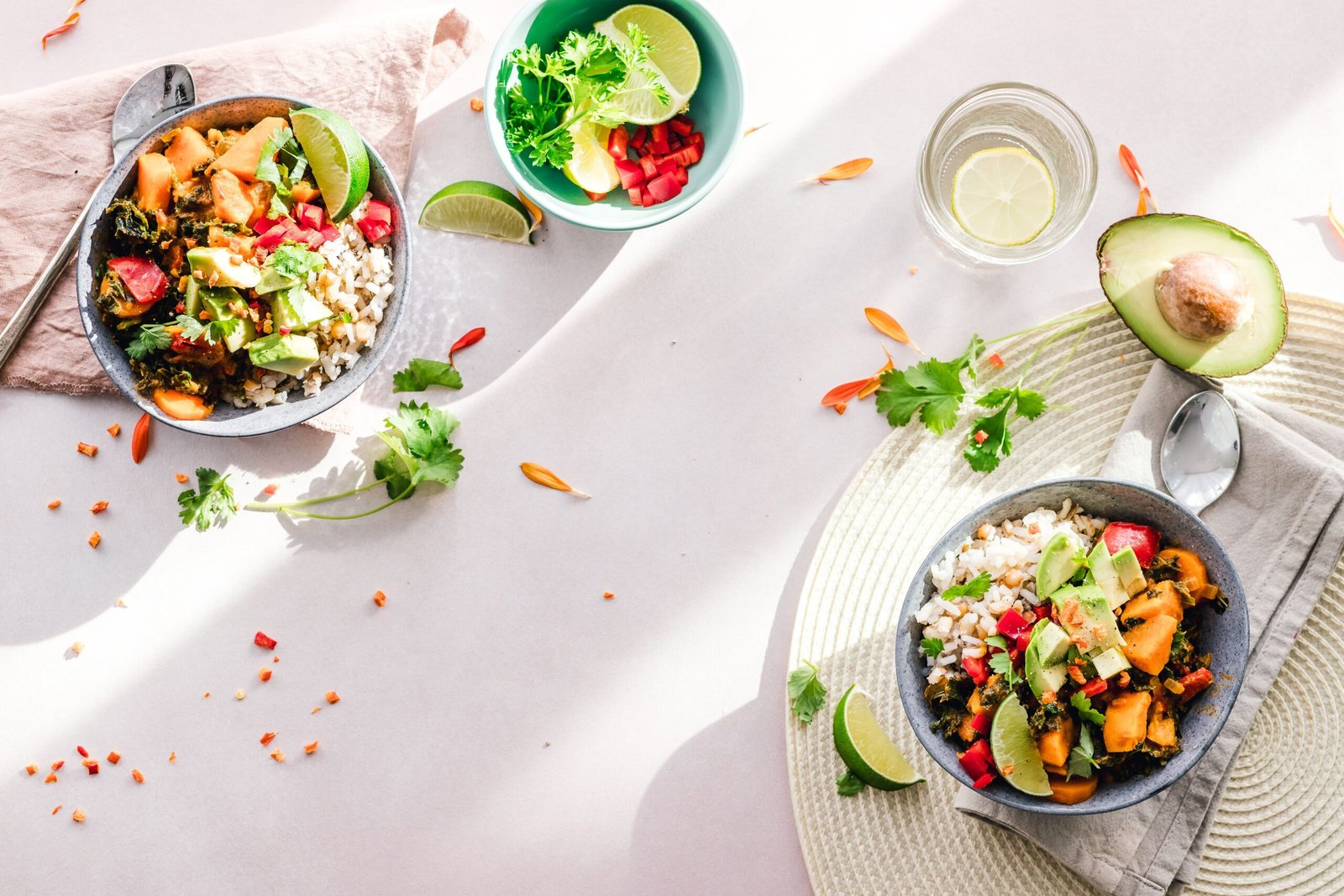
Starting a ketogenic diet can feel surprisingly confusing.
When I first began researching keto, I noticed that almost every guide seemed to make the process sound either ridiculously easy—“just stop eating carbs”—or unnecessarily complicated, with macro calculators, ketone meters, specialty foods, supplements, and endless rules.
The reality sits somewhere in the middle.
A well-planned keto diet plan for beginners does require some preparation, but I don’t believe someone needs to become a nutrition expert before eating their first keto meal. What matters most is understanding what the diet actually does, knowing which foods should make up most of the plate, reducing carbohydrates gradually and intelligently, and avoiding some of the mistakes that make beginners feel miserable during their first week.
The ketogenic diet is essentially a very-low-carbohydrate, higher-fat eating pattern with moderate protein. Restricting carbohydrates significantly encourages the body to increase its production of ketones and rely more heavily on fat and ketone bodies for energy—a metabolic state known as nutritional ketosis. Depending on the version being followed, ketogenic diets commonly restrict carbohydrates to roughly 20–50 grams per day. (NCBI)
However, I think one of the biggest misconceptions about keto is that simply reaching ketosis automatically makes a diet healthy.
It doesn’t.
A person could technically create an extremely low-carb diet around processed meats, butter, cheese, and very few vegetables. Another person could build one around olive oil, avocado, fish, eggs, nuts, seeds, leafy vegetables, poultry, and other minimally processed foods.
Both may be low in carbohydrates, but nutritionally they are very different.
That is why the keto diet plan I would recommend to a beginner focuses not only on reducing carbohydrates but also on food quality, vegetables, adequate protein, healthy fats, hydration, and sustainability.
In this guide, I’ll walk through exactly how I would approach keto from day one.
What Exactly Is the Keto Diet?
The ketogenic diet is an eating pattern in which carbohydrate intake becomes low enough that the body’s normal fuel metabolism begins to change.
Under ordinary circumstances, carbohydrates from foods such as bread, rice, potatoes, fruit, cereal, pasta, sweets, and other carbohydrate-containing foods contribute significantly to the glucose available for energy.
When carbohydrates are restricted substantially, the body has less dietary glucose available. Fat metabolism increases, and the liver produces substances called ketone bodies, which can be used as an alternative energy source.
This state is called nutritional ketosis. (NCBI)
A common modern ketogenic diet may keep carbohydrates around 20–50 grams per day, although exact macronutrient targets differ depending on the keto variation, the person’s calorie intake, medical circumstances, and goals. (NCBI)
Traditional ketogenic therapy used medically for conditions such as drug-resistant epilepsy can be considerably stricter than the everyday weight-management version people usually mean when they talk about “doing keto.” (NCBI)
For an ordinary beginner interested in keto for weight management, I would not obsess over recreating a therapeutic ketogenic diet.
Instead, I would think about the basic structure this way:
Keep carbohydrates very low, eat enough protein, obtain most additional energy from nutritious fat sources, and include plenty of low-carbohydrate vegetables.
That simple framework is much easier to work with.
Why People Try Keto in the First Place
Weight loss is probably the most common reason people become interested in a ketogenic diet.
Research suggests that ketogenic diets can lead to short-term weight loss and improvements in certain metabolic markers in some people. However, Harvard’s Nutrition Source notes that long-term differences compared with conventional weight-loss diets may become much smaller, and there are still unanswered questions concerning long-term ketogenic dieting. (The Nutrition Source)
That distinction matters.
I would never tell a beginner that keto possesses some magical ability to melt body fat regardless of how much food is eaten.
Instead, several things may make weight loss easier for certain people.
Meals containing protein, fat, and vegetables can be satisfying. Removing sugary drinks, desserts, refined snacks, pastries, and many highly processed foods can also reduce calorie consumption significantly without someone deliberately counting every calorie.
Some people additionally report that their appetite becomes easier to manage after adjusting to a lower-carbohydrate eating pattern.
But keto isn’t the only way to lose weight, and it isn’t automatically better for everybody.
The best eating pattern is ultimately one that improves health while being realistic enough to maintain.
I consider that point far more important than loyalty to a particular diet label.
My Keto Diet Plan for Beginners: The Simple Starting Framework
If I were starting keto today with no previous experience, I would concentrate on five basic rules.
1. Keep carbohydrates low
For many ketogenic approaches, carbohydrate intake falls somewhere around 20–50 grams per day. (NCBI)
That generally means dramatically reducing foods such as:
- Sugar
- Candy
- Cookies
- Cakes
- Bread
- Pasta
- Rice
- Regular cereal
- Potatoes
- Sweetened beverages
- Fruit juice
- Most desserts
- Large servings of high-carbohydrate fruit
- Many processed snack foods
I wouldn’t spend my first week worrying about achieving mathematically perfect macros.
I would first eliminate the biggest carbohydrate sources.
That alone simplifies everything considerably.
2. Include protein at every main meal
Protein helps create satisfying meals and provides amino acids necessary for maintaining muscle and other tissues.
My plate would usually start with a protein source such as:
- Eggs
- Salmon
- Sardines
- Tuna
- Chicken
- Turkey
- Lean beef
- Pork
- Seafood
- Plain Greek yogurt where carbohydrate content fits
- Cottage cheese where appropriate
- Tofu or other suitable lower-carb protein options
One mistake I see in keto discussions is the idea that protein must be feared.
A ketogenic diet generally isn’t supposed to be an unlimited-protein diet, but that doesn’t mean protein should be neglected.
3. Choose fats intelligently
This is where I believe keto quality matters enormously.
The Harvard T.H. Chan School of Public Health specifically discusses prioritizing unsaturated fats such as nuts, seeds, avocados, plant oils, and oily fish rather than constructing a ketogenic diet primarily from foods high in saturated fat. (The Nutrition Source)
My preferred everyday fat sources would therefore include:
- Extra-virgin olive oil
- Avocados
- Olives
- Almonds
- Walnuts
- Pecans
- Chia seeds
- Flaxseeds
- Pumpkin seeds
- Natural nut butters
- Salmon
- Sardines
- Mackerel
Butter, cheese, cream, and fattier meats can still appear in a keto diet, but I wouldn’t make them the foundation of every meal.
The American Heart Association cautions that very-low-carbohydrate and keto diets can become high in saturated fat, which may raise LDL cholesterol in some people. (www.heart.org)
That is one reason I strongly prefer a Mediterranean-style interpretation of keto rather than the stereotypical bacon-and-butter version.
4. Eat low-carb vegetables every day
I never like seeing keto plans that treat vegetables as optional.
Vegetables add volume, fiber, micronutrients, texture, and variety to meals.
My usual choices would include:
- Spinach
- Kale
- Lettuce
- Arugula
- Broccoli
- Cauliflower
- Cabbage
- Zucchini
- Asparagus
- Mushrooms
- Green beans
- Cucumber
- Celery
- Peppers
- Eggplant
- Brussels sprouts
Harvard specifically notes that ketogenic diets can create risks of inadequate fiber, vitamins, and minerals when food variety becomes too limited. (The Nutrition Source)
So whenever someone tells me they’re eating keto and their meals consist almost entirely of meat, cheese, eggs, and butter, vegetables are the first thing I would examine.
5. Drink enough fluid
Reducing carbohydrate intake can change water balance, especially during the early stage of keto.
I therefore pay more attention to hydration during the transition.
Water would be my primary beverage.
Other simple choices include:
- Sparkling water
- Unsweetened tea
- Black coffee
- Coffee with a modest amount of unsweetened milk or cream if it fits the plan
- Unsweetened herbal tea
I would eliminate sugar-sweetened drinks immediately because they can consume an enormous portion of a keto carbohydrate allowance in a single serving.
Foods I Would Eat on a Beginner Keto Diet
Rather than memorizing hundreds of permitted and forbidden foods, I find it much easier to shop by categories.
Protein Foods
My regular keto proteins would include eggs, chicken, turkey, fish, shellfish, beef, pork and selected unsweetened dairy products.
I especially like fatty fish because it supplies protein together with unsaturated fats.
A typical week might contain salmon twice, chicken several times, eggs at breakfast, and occasional beef or pork.
Variety makes the diet more interesting and reduces the temptation to survive entirely on processed meat.
Healthy Fat Sources
The fats I would prioritize most often include:
Olive oil, avocado, nuts, seeds and oily fish.
These provide a better nutritional foundation than simply adding butter to everything.
One practical lesson I learned from studying low-carb eating is that fat shouldn’t necessarily be treated as a target that must be force-fed.
If I’m satisfied after eating eggs, avocado, vegetables, and a small amount of olive oil, I don’t need to add three tablespoons of butter simply because keto is considered a high-fat diet.
I let natural hunger guide how much additional fat I need.
Low-Carbohydrate Vegetables
Vegetables would appear at lunch and dinner almost every day.
For example:
Chicken + avocado + olive oil + large salad.
Salmon + broccoli + cauliflower.
Eggs + spinach + mushrooms.
Beef + zucchini + cabbage.
Turkey + roasted cauliflower + leafy greens.
This creates much more volume and variety than designing meals around protein and cheese alone.
Nuts and Seeds
Nuts can be excellent keto foods, but I portion them rather than eating directly from the bag.
A small handful disappears surprisingly quickly.
My usual options include:
- Almonds
- Walnuts
- Pecans
- Macadamia nuts
- Chia seeds
- Flaxseeds
- Pumpkin seeds
Nut butter can also work, but I always check the ingredient label because some varieties contain added sugar.
Dairy Foods
Depending on tolerance, foods such as cheese, plain Greek yogurt and cottage cheese can fit into lower-carbohydrate eating.
However, this is another category where portions can creep upward easily.
A plate containing meat covered in cheese, cooked in butter, followed by cream-based coffee may technically be keto while containing far more saturated fat and calories than I would personally want as an everyday habit.
I prefer dairy as an ingredient rather than making it the entire diet.
Foods I Would Reduce or Avoid During Keto
The obvious category is sugar.
That includes:
- Soda
- Candy
- Chocolate bars containing significant sugar
- Cookies
- Cake
- Sweet pastries
- Ice cream
- Sweetened cereal
- Sweet coffee drinks
- Sweet tea
- Syrups
- Honey
- Regular fruit juice
Then come major starch sources:
- Bread
- Pasta
- Rice
- Potatoes
- French fries
- Crackers
- Regular tortillas
- Most breakfast cereals
Many foods marketed as “healthy” can also contain substantial carbohydrates.
Granola is a good example.
So are sweetened yogurt, dried fruit, protein bars, smoothies, flavored oatmeal, bottled sauces, and some salad dressings.
When beginning keto, nutrition labels become extremely useful.
My 7-Day Keto Diet Plan for Beginners
This is the type of first-week plan I would personally use because the meals are deliberately simple.
I wouldn’t attempt gourmet keto cooking during week one.
My priority would be learning the routine.
Day 1
Breakfast
Eggs with avocado and spinach
I would scramble two or three eggs with spinach in a small amount of olive oil and serve them with sliced avocado.
Coffee or tea would be unsweetened.
Lunch
Chicken avocado salad
Grilled chicken breast over lettuce, cucumber, peppers and avocado with olive oil and lemon.
Dinner
Salmon with broccoli and cauliflower
I would roast or pan-cook salmon and serve it with broccoli and cauliflower tossed lightly in olive oil.
Optional Snack
A small handful of almonds.
Day 2
Breakfast
Vegetable omelet
Eggs with mushrooms, spinach and a modest amount of cheese.
Lunch
Tuna lettuce bowls
Tuna mixed with olive-oil-based dressing, celery and herbs, served inside large lettuce leaves.
Dinner
Chicken with zucchini
Grilled chicken thighs or breast served alongside sautéed zucchini and a leafy green salad.
Optional Snack
Cucumber with a small serving of cheese or unsweetened dip.
Day 3
Breakfast
Plain Greek yogurt bowl
If the carbohydrate content fits my personal target, I would use unsweetened Greek yogurt topped with chia seeds and a small portion of crushed walnuts.
Lunch
Leftover chicken salad
One of my favorite keto strategies is intentionally cooking extra dinner so lunch the following day requires almost no effort.
Dinner
Beef and vegetable skillet
Ground or sliced beef cooked with zucchini, mushrooms, peppers, cabbage and seasonings.
I would use olive oil rather than automatically adding large quantities of butter.
Optional Snack
A hard-boiled egg.
Day 4
Breakfast
Eggs with mushrooms and avocado
Simple, filling and fast.
Lunch
Salmon salad
Leftover salmon served over leafy greens with cucumber, avocado, herbs and olive oil.
Dinner
Turkey lettuce wraps
Ground turkey cooked with spices and vegetables, then served inside crunchy lettuce leaves.
Optional Snack
A small serving of walnuts.
Day 5
Breakfast
Chia bowl with plain yogurt
I would combine chia seeds with an unsweetened lower-carbohydrate dairy or suitable dairy alternative and let it thicken.
I would carefully check carbohydrate amounts rather than assuming every “healthy” yogurt is keto friendly.
Lunch
Egg and avocado salad
Hard-boiled eggs, avocado, leafy greens, cucumber and olive oil dressing.
Dinner
Chicken with roasted cauliflower
I would season chicken generously with garlic, pepper, herbs and paprika and serve it with cauliflower and green beans.
Optional Snack
Celery with unsweetened natural nut butter.
Day 6
Breakfast
Egg-and-vegetable scramble
Eggs, spinach, peppers and mushrooms.
Lunch
Turkey avocado bowl
Turkey, avocado, leafy greens, cucumber and olives.
Dinner
Fish with asparagus
White fish, salmon or another fish served with roasted asparagus and a salad.
Optional Snack
A boiled egg or modest portion of nuts.
Day 7
Breakfast
Avocado eggs
Eggs served alongside avocado and sautéed greens.
Lunch
Leftover protein salad
Whatever protein remains from the week goes over salad vegetables with olive oil.
I love this approach because it reduces food waste and removes the need to prepare an elaborate lunch.
Dinner
Simple keto plate
My final dinner would include one protein, two vegetables and a healthy fat source.
For example:
Grilled chicken + broccoli + zucchini + avocado.
At this point, I would already have a good understanding of how to build keto meals without following recipes constantly.
My Beginner Keto Grocery List
If I were shopping for that first week, my cart would look roughly like this:
Proteins
- Eggs
- Chicken breast or thighs
- Salmon
- Tuna
- Turkey
- Lean ground beef
- Plain Greek yogurt
- Small amount of cheese
Vegetables
- Spinach
- Lettuce
- Broccoli
- Cauliflower
- Zucchini
- Mushrooms
- Cucumber
- Peppers
- Green beans
- Asparagus
- Cabbage
Healthy Fats
- Extra-virgin olive oil
- Avocados
- Olives
- Almonds
- Walnuts
- Chia seeds
- Flaxseeds
- Natural peanut or almond butter
Flavoring
- Garlic
- Lemon
- Pepper
- Paprika
- Chili powder
- Italian herbs
- Fresh herbs
- Mustard without significant added sugar
- Vinegar
Beverages
- Water
- Sparkling water
- Coffee
- Tea
Notice what I haven’t included.
I haven’t filled the cart with keto cookies, keto cereal, keto candy, keto bars, keto bread and expensive powders.
Those products may occasionally be convenient, but I don’t consider them necessary for beginning keto.
Real food makes the first week considerably easier to understand.
What About “Net Carbs”?
Anyone researching keto will eventually encounter the phrase net carbs.
Many keto followers calculate net carbohydrates by subtracting certain forms of fiber from total carbohydrates when estimating carbohydrate intake.
Food labeling regulations and ingredients can complicate the calculation, however, particularly with processed “keto” foods containing sugar alcohols or specialty fibers.
That is another reason I favor whole foods during the beginner stage.
It’s much easier to understand eggs, salmon, broccoli, avocado and olive oil than a packaged “2 net carb” cookie containing twenty ingredients.
For the first couple of weeks, simplicity is an advantage.
What the First Week of Keto May Feel Like
This deserves discussion because some beginners expect to feel fantastic immediately.
That isn’t always what happens.
A sudden and substantial reduction in carbohydrates can cause temporary symptoms including headache, tiredness, weakness, constipation, muscle cramps, brain fog, irritability and other flu-like symptoms in some people. (Mayo Clinic)
People often refer to this collection of symptoms informally as the “keto flu.”
It isn’t influenza.
Rather, it describes symptoms that may appear while the body and dietary routine are adjusting to major carbohydrate restriction.
I wouldn’t interpret one tired afternoon as evidence that something is definitely wrong, but I also wouldn’t automatically dismiss persistent or severe symptoms as normal.
Adequate food intake, hydration, vegetables and a thoughtfully constructed diet matter.
And if symptoms are concerning, persistent or severe, I would contact a healthcare professional rather than trying to “push through.”
Weight Loss During the First Week: Keep Expectations Realistic
This is another area where keto marketing frequently gets carried away.
Some people notice substantial movement on the scale during the first week.
That doesn’t mean several pounds of body fat disappeared overnight.
Very-low-carbohydrate diets often produce significant early changes in stored glycogen and body water, so some of the initial weight reduction can be water rather than fat. (NCBI)
I think knowing that beforehand prevents unnecessary disappointment later.
After the first rapid change, weight loss may slow.
That is normal.
I would evaluate progress over weeks rather than celebrating or panicking over daily fluctuations.
The Biggest Beginner Keto Mistakes I Would Avoid
Mistake #1: Eating Unlimited Fat
“Keto means high fat” sometimes turns into “eat as much fat as physically possible.”
I don’t think that’s useful.
Adding oils, cheese, butter, nuts and cream to every meal can increase calories very quickly.
Fat should make meals satisfying and help provide energy, but more fat isn’t automatically better.
Mistake #2: Ignoring Food Quality
A diet can be ketogenic without being nutritionally excellent.
Processed meats, bacon, butter and cheese aren’t the only keto foods available.
Harvard specifically encourages attention to the type of fat being consumed, emphasizing unsaturated sources such as nuts, seeds, avocado, plant oils and oily fish. (The Nutrition Source)
That would guide most of my choices.
Mistake #3: Not Eating Enough Vegetables
Severe carbohydrate restriction can make fiber and micronutrient intake more challenging, particularly when vegetables, nuts and seeds are neglected. Harvard notes that possible nutrient deficiencies can arise when a ketogenic diet lacks sufficient variety. (The Nutrition Source)
My solution is simple:
Every lunch and dinner gets vegetables.
Mistake #4: Drinking Carbohydrates
Beginners sometimes remove bread but keep drinking sweet coffee, sports drinks, juice or soda.
Liquid sugar can wipe out a carbohydrate target almost immediately.
Water, tea and unsweetened coffee make things much simpler.
Mistake #5: Living on “Keto” Packaged Food
The word keto on packaging is marketing, not a guarantee of nutritional quality.
I would rather build most of my diet around foods that don’t need keto written across the front.
Mistake #6: Turning Every Day Into a Cheat-Day Battle
Extreme restriction followed by repeated overeating creates an exhausting cycle.
If I discovered that I constantly wanted to abandon keto, I would question whether the diet suited me rather than assuming I simply lacked discipline.
A dietary strategy should support my life.
My life shouldn’t revolve around defending the dietary strategy.
Can I Eat Fruit on Keto?
Fruit is one of the more complicated categories because carbohydrate content varies significantly.
Traditional keto plans often restrict many fruits because their natural sugars can contribute substantial carbohydrates.
Small portions of certain berries may fit some people’s carbohydrate targets more comfortably than fruits such as bananas, mangoes or grapes.
However, I would not interpret that to mean fruit is inherently unhealthy.
In fact, many nutritious eating patterns emphasize fruit.
Keto restricts it because of the diet’s carbohydrate requirements—not because fruit suddenly becomes junk food.
That distinction is important.
Can I Drink Coffee on Keto?
Usually, unsweetened coffee itself is very low in carbohydrates.
The issue is what goes into it.
A plain coffee and a large sweetened caramel coffee drink are nutritionally completely different beverages.
I would stick with:
- Black coffee
- Coffee with a modest amount of unsweetened milk or cream
- Unsweetened tea
I would avoid turning “keto coffee” into a cup containing hundreds of calories of butter and oil unless there were a specific reason for doing so.
What About Alcohol?
I wouldn’t recommend making alcohol part of a beginner keto plan.
Beyond the carbohydrate question, alcohol contributes calories and can influence judgment around food.
During my first couple of weeks, I would focus on establishing predictable meals and learning which foods work well for me.
There is plenty of time to explore occasional flexibility later if appropriate.
How I Would Meal Prep for Keto
The easiest keto meal prep strategy I’ve found is not cooking seven completely different recipes.
I prefer preparing building blocks.
On Sunday, I might prepare:
Two proteins: chicken and salmon.
Two vegetables: broccoli and cauliflower.
A large salad base: lettuce, cucumber and peppers.
Several boiled eggs.
Then I keep avocado, olive oil, nuts, yogurt and seasonings available.
From those ingredients I can create several different meals without cooking everything from scratch.
Monday might be chicken salad.
Tuesday could be salmon with vegetables.
Wednesday could be chicken with cauliflower.
Thursday could be salmon salad.
Meal preparation makes keto much easier because hunger is usually when poor planning catches up with me.
Eating Keto at Restaurants
I don’t need a restaurant to advertise a keto menu.
I simply look for the basic formula:
Protein + non-starchy vegetables + suitable fat.
For example:
Grilled fish with vegetables.
Chicken salad with dressing on the side.
Burger without the bun plus salad.
Steak with broccoli instead of fries.
Eggs with avocado rather than toast.
I would also pay attention to sauces because many contain sugar or starch.
The goal isn’t to interrogate the waiter about every molecule in the meal.
It’s simply to make the most reasonable lower-carbohydrate choice available.
Does Keto Mean I Never Have to Think About Calories?
No.
A low-carbohydrate diet doesn’t override energy balance.
Foods such as oils, nuts, cheese, avocado and fatty meats can be extremely energy dense.
Some people naturally consume fewer calories on keto because their appetite decreases or because they eliminate many highly palatable processed foods.
Others can easily maintain or gain weight while eating keto if portions consistently exceed their energy needs.
That is why I pay attention to hunger and portions instead of assuming ketosis gives me unlimited permission to eat.
Is Keto Healthy Long Term?
This is where I become more cautious.
Harvard’s review points out that many ketogenic weight-loss studies have been relatively short, while questions remain regarding long-term safety and effectiveness. Possible concerns include nutrient deficiencies and other complications when the diet isn’t carefully constructed. (The Nutrition Source)
A recent clinical overview in StatPearls similarly notes that evidence regarding long-term safety and sustainability remains incomplete and that adherence can be difficult over time. (NCBI)
The American Heart Association also cautions that very-low-carb ketogenic diets may conflict with heart-healthy dietary recommendations when they become high in saturated fat, particularly because higher saturated-fat consumption can increase LDL cholesterol. (www.heart.org)
That doesn’t mean every person who eats keto will experience problems.
It means I wouldn’t treat the ketogenic diet as automatically healthy simply because it produces ketones.
Food selection and individual health status still matter.
Who Should Speak With a Healthcare Professional Before Starting Keto?
This is one area where I wouldn’t experiment casually.
Anyone who has a medical condition, takes medications that affect blood glucose or blood pressure, or is considering ketogenic dieting for therapeutic reasons should discuss the change with an appropriate healthcare professional.
This is particularly important for people with diabetes, since substantial carbohydrate restriction may alter medication requirements and potentially create dangerous situations if medications aren’t appropriately adjusted.
Clinical guidance also identifies several circumstances in which ketogenic therapy may require avoidance or specialist supervision, including certain disorders affecting fat metabolism, significant liver or pancreatic disease, pregnancy, and a history of eating disorders. (NCBI)
I would also seek individualized advice if I had significant kidney disease, complex medical conditions, or was taking multiple prescription medications.
Diet changes can interact with health conditions in ways that a generic internet meal plan cannot account for.
How Long Would I Try Keto Before Evaluating It?
I wouldn’t judge the entire diet after three days.
At the same time, I wouldn’t promise myself that I had to follow it forever.
I would establish a defined trial period—perhaps several weeks—while observing:
- Hunger
- Energy
- Digestion
- Sleep
- Exercise performance
- Food enjoyment
- Weight trend
- Sustainability
- Relevant laboratory values where medically appropriate
Then I would decide whether keto actually improved my life.
That final criterion matters.
If someone loses a modest amount of weight but becomes socially isolated, obsessed with food, constantly constipated, exhausted during exercise and unable to enjoy meals, I wouldn’t consider that a successful dietary strategy.
Health is bigger than ketosis.
My Simple Keto Meal Formula
After the first week, I stop thinking in terms of rigid meal plans and use a simple formula:
Step 1: Choose a protein
Eggs, chicken, turkey, fish, seafood, beef, pork, tofu or another suitable protein.
Step 2: Add vegetables
Preferably one or two generous servings of low-carbohydrate vegetables.
Step 3: Add healthy fat
Olive oil, avocado, olives, nuts, seeds or naturally occurring fat in fish and other foods.
Step 4: Season well
Herbs, spices, garlic, lemon, vinegar and other low-sugar flavorings prevent meals from becoming boring.
That’s it.
A ketogenic diet becomes much easier when I stop trying to recreate every high-carbohydrate food in keto form and simply start enjoying straightforward meals.
What I Would Do After the First 30 Days
After a month, I would look at the results without emotional attachment to keto.
If I felt good, enjoyed my meals, had appropriate health markers and found the plan sustainable, I might continue.
If I liked lower-carb eating but found strict keto unnecessarily restrictive, I might gradually increase carbohydrates using nutritious sources.
That could mean bringing back foods such as:
- Beans
- Lentils
- Fruit
- Sweet potatoes
- Whole grains
- Additional vegetables
There is no rule saying someone must stay in nutritional ketosis permanently to benefit from eating fewer refined carbohydrates and less added sugar.
In fact, for some people, a moderately lower-carbohydrate whole-food diet may prove far easier to maintain than strict keto.
I see dietary strategies as tools rather than identities.
If keto is the right tool for someone, excellent.
If a Mediterranean, lower-carb, plant-forward, or simply calorie-conscious diet works better, that is equally valid.
Final Thoughts: The Keto Diet Doesn’t Need to Be Complicated
If someone asked me for the single most important piece of advice before beginning keto, I wouldn’t tell them to buy a ketone meter.
I wouldn’t tell them to purchase supplements.
And I definitely wouldn’t tell them to fill their refrigerator with bacon and butter.
I would say this:
Keep the food simple.
Start with eggs, fish, chicken, vegetables, avocado, olive oil, nuts, seeds and other minimally processed foods.
Remove the obvious sugar and starch sources.
Learn how your body responds.
Drink enough fluid.
Pay attention to digestion and energy.
Don’t mistake rapid early water loss for unlimited fat loss.
And don’t assume that being in ketosis automatically means everything you’re eating is healthy.
The best keto diet plan for beginners is one that teaches sustainable habits rather than forcing someone to memorize complicated rules.
My own approach would always emphasize vegetables, adequate protein, minimally processed food and unsaturated fats while treating heavily processed meats, butter, cream and keto junk food as secondary rather than foundational foods.
Most importantly, I would stay flexible.
Keto can be an effective short-term strategy for certain people, but it’s not a requirement for good health or successful weight management. Research supports some potential short-term metabolic and weight-loss benefits, while important questions remain about long-term adherence, safety and how ketogenic diets compare with less restrictive healthy eating patterns over time. (The Nutrition Source)
If I decided to try it, I would use the first week to learn—not to chase perfection.
Build good meals, keep carbohydrates consistently low, prioritize food quality, monitor how you feel, and adjust based on real results rather than internet hype.
That, to me, is the smartest way for a beginner to approach keto.
References Used for This Article
The following reputable medical and nutrition resources were consulted while preparing this article:
1. Harvard T.H. Chan School of Public Health — The Nutrition Source
Article: Diet Review: Ketogenic Diet for Weight Loss
This detailed review discusses how the ketogenic diet works, potential weight-loss effects, common side effects, nutrient considerations, long-term uncertainties and practical dietary concerns.
2. National Center for Biotechnology Information — StatPearls / NCBI Bookshelf
Article: The Ketogenic Diet: Clinical Applications, Evidence-based Indications, and Implementation
This clinical resource provides information about nutritional ketosis, typical carbohydrate intake, different ketogenic diet variations, medical applications, implementation, contraindications, adverse effects and monitoring considerations.
https://www.ncbi.nlm.nih.gov/books/NBK499830
3. Harvard T.H. Chan School of Public Health — The Nutrition Source
Article: Emphasizing Unsaturated Fats on a Ketogenic Diet
This resource discusses the importance of distinguishing between saturated and unsaturated fat sources when designing a ketogenic diet.
4. Mayo Clinic
Article: Low-Carb Diet: Can It Help You Lose Weight?
This article covers low-carbohydrate dieting, potential weight-loss effects and possible side effects from significant carbohydrate restriction, including constipation, headache, weakness, cramps and ketosis-related symptoms.
https://www.mayoclinic.org/healthy-lifestyle/weight-loss/in-depth/low-carb-diet/art-20045831
5. American Heart Association
Article: Prevention and Treatment of High Cholesterol (Hyperlipidemia)
This resource discusses cholesterol management and includes guidance concerning ketogenic and very-low-carbohydrate diets, particularly the potential effects of diets high in saturated fat on LDL cholesterol.
6. Harvard T.H. Chan School of Public Health — The Nutrition Source
Article: Low-Carbohydrate Diets
This resource examines low-carbohydrate eating patterns and emphasizes the importance of obtaining protein and fat from healthier food sources.
7. Harvard T.H. Chan School of Public Health — The Nutrition Source
Article: Fiber
This resource discusses the importance of dietary fiber and its relationship with cardiovascular and digestive health—an especially relevant consideration when following a restrictive low-carbohydrate diet.
Disclaimer
This article is intended for general informational and educational purposes only and should not be considered medical advice, diagnosis, treatment, or individualized nutritional guidance. The ketogenic diet is highly restrictive and may not be appropriate for everyone.
People who are pregnant or breastfeeding, have diabetes, kidney disease, liver disease, pancreatic disease, disorders of fat metabolism, a history of eating disorders, or other significant health conditions should seek individualized guidance from a qualified healthcare professional before attempting a ketogenic diet. People taking prescription medications—particularly glucose-lowering or blood-pressure medications—should also consult their healthcare provider because substantial dietary changes can affect medication requirements.
Individual nutritional needs vary according to age, medical history, medications, activity level, body composition, health goals and other factors. Never discontinue or modify prescribed medication based solely on information contained in this article. If you experience severe, unusual or persistent symptoms after changing your diet, seek appropriate medical care.
I kept the article intentionally beginner-friendly while still detailed enough for SEO-focused long-form publishing, and the title naturally contains the main keyword rather than forcing it unnaturally.