

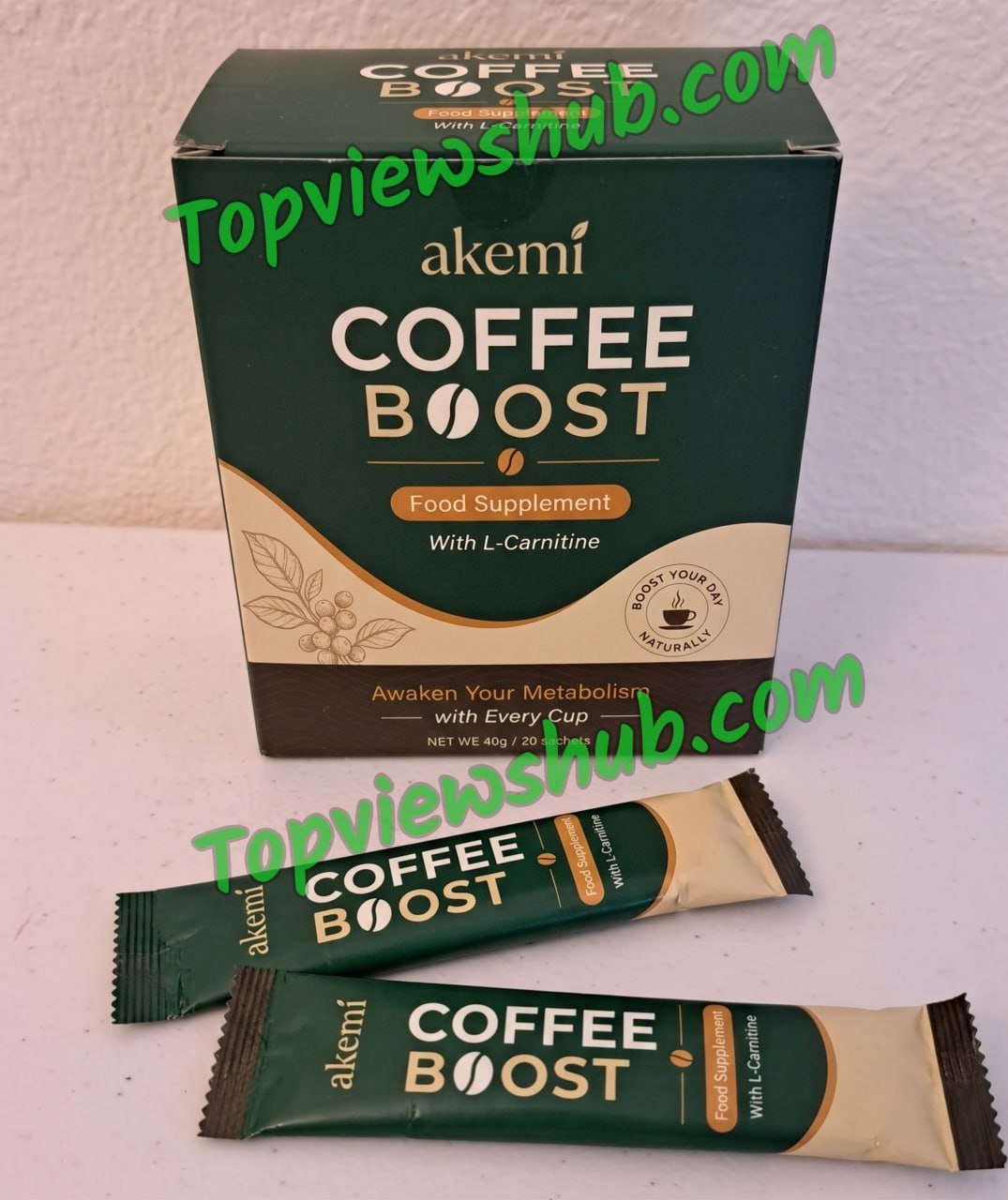
Struggling with stubborn weight, persistent food cravings, and unpredictable energy levels can make even a carefully planned weight-management routine feel exhausting. Many people start their mornings determined to eat better, control portions, and stay active, only to find themselves battling afternoon hunger, unexpected snacking, and a lack of motivation. These challenges have encouraged growing interest in supplements that support metabolic health without requiring complicated daily routines.
One area receiving particular attention is the relationship between carbohydrate digestion, blood sugar regulation, appetite, and energy metabolism. Although weight management involves many interconnected biological and lifestyle factors, maintaining balanced eating patterns and supporting normal metabolic function can make healthier habits easier to sustain. This is the problem Akemi Coffee Boost was created to address: providing convenient nutritional support through a powder that can be mixed into an everyday beverage.
What caught my attention was the product’s approach to combining plant extracts associated with carbohydrate metabolism, dietary fiber, and nutrients involved in energy production. Instead of asking people to introduce another complicated supplement routine, it uses individual sachets that can be stirred into coffee, tea, or another drink. The manufacturer promotes this approach as a convenient way to support appetite management, metabolism, and everyday energy.
What Is Akemi Coffee Boost?
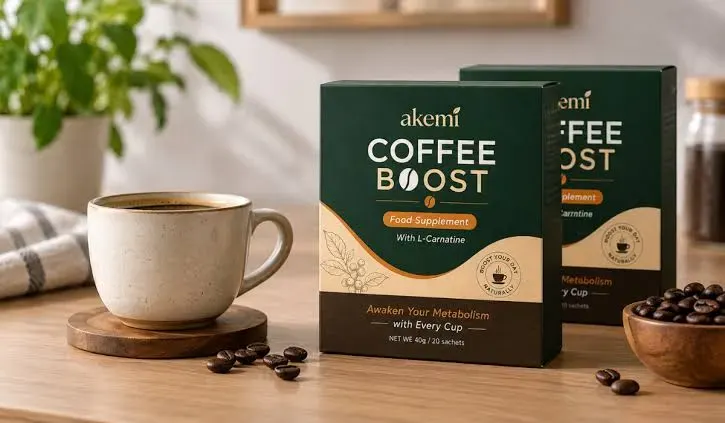
Akemi Coffee Boost is a powdered dietary supplement designed to support metabolic function, carbohydrate metabolism, appetite management, and daily energy. Its distinguishing feature is its convenient single-serving format, which allows users to add the formula to an existing beverage rather than swallowing traditional capsules or preparing a specialized shake.
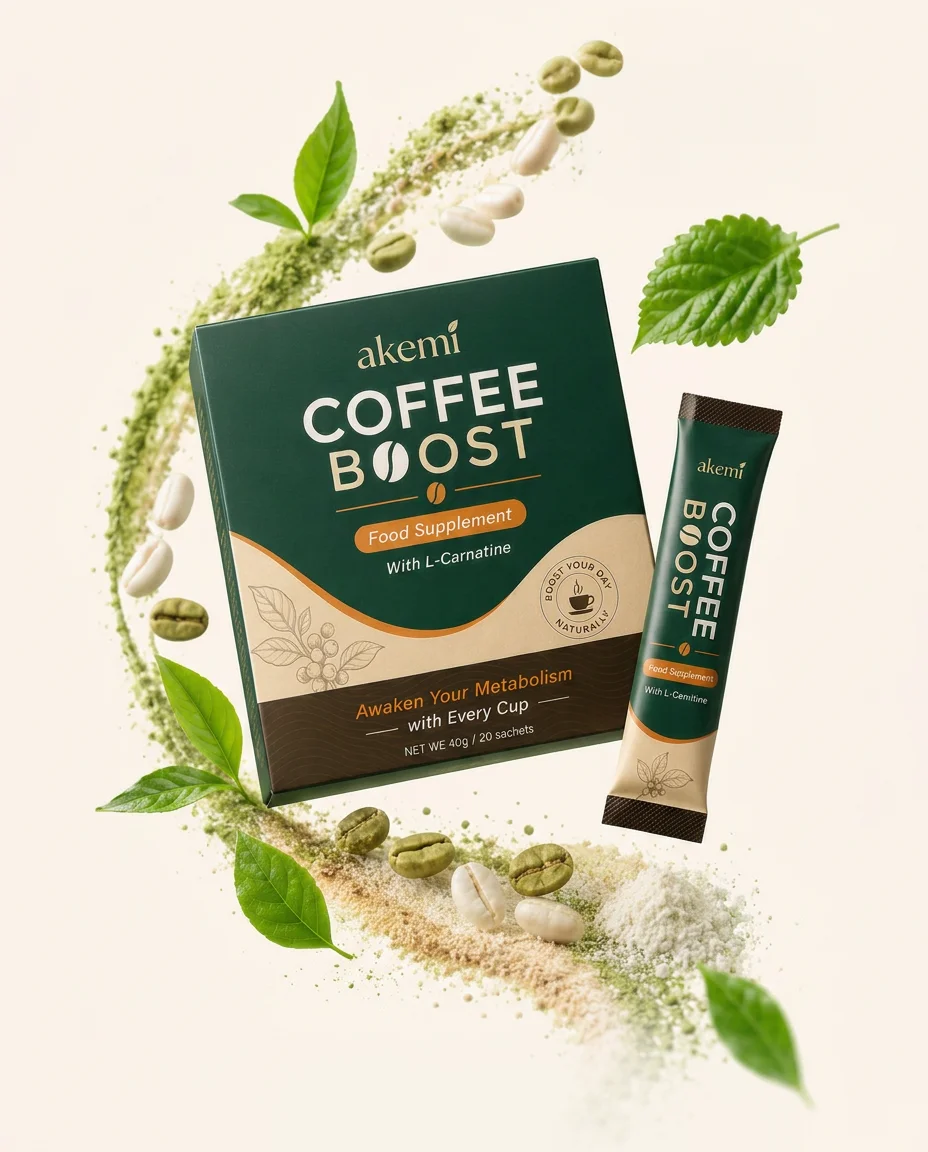
The supplement contains a combination of botanical extracts, L-carnitine, and dietary fibers. Among its highlighted ingredients are green tea extract, green coffee bean extract, white kidney bean extract, mulberry leaf extract, resistant dextrin, and psyllium husk. Together, these ingredients target several aspects of nutritional and metabolic support, although their effects depend on the quantities used and individual responses.
The manufacturer associates the product with its JavaBurn formulation and emphasizes supporting healthy glucose metabolism, controlling cravings, and encouraging more consistent energy. I find this positioning interesting because it attempts to address weight management from several directions rather than relying exclusively on caffeine or a single stimulant-based ingredient.
Another characteristic I appreciate is the flexibility of the delivery method. The powder is advertised as flavorless, allowing it to blend into hot or cold beverages without substantially affecting their taste. This could make daily consistency easier for people who dislike pills or frequently forget to take supplements.
The important distinction is that Akemi Coffee Boost is a dietary supplement, not a prescription weight-loss medication or established treatment for blood sugar disorders. Its ingredients have varying levels of supporting research, but evidence for individual compounds should not be confused with clinical proof that this exact finished product produces all its advertised results.
How Does Akemi Coffee Boost Work?
The proposed mechanism behind Akemi Coffee Boost combines carbohydrate-digestion support, metabolic activity, dietary fiber, and normal energy production. Rather than depending on one biological pathway, the formula brings together ingredients that have been investigated for different effects on digestion and metabolism.
One of its central components is white kidney bean extract, which contains substances capable of inhibiting alpha-amylase, an enzyme involved in breaking down starch. In theory, slowing this process may influence how quickly some carbohydrates are digested. However, that does not mean every carbohydrate is blocked or that the body automatically absorbs dramatically fewer calories from an ordinary meal.
Mulberry leaf extract contributes another potentially useful mechanism. Certain compounds found in mulberry leaves can influence enzymes involved in carbohydrate digestion, and some human studies have observed improvements in post-meal glucose responses. These findings make mulberry leaf an interesting addition, although the exact effect of the finished supplement has not been independently established.
The green tea and green coffee bean extracts introduce plant polyphenols associated with metabolic research. Green tea catechins, chlorogenic acids, and naturally occurring caffeine have been studied for their possible effects on energy expenditure, fat metabolism, and body-weight measurements. Most documented effects are modest, and outcomes are influenced by dosage, diet, and individual physiology.
Finally, resistant dextrin and psyllium husk provide soluble dietary fibers. These ingredients may contribute to digestive regularity and fullness, particularly when consumed in meaningful quantities with adequate fluid. L-carnitine complements the formula through its normal biological role in transporting fatty acids into mitochondria for energy production.
My interpretation is that the formula has a plausible nutritional rationale, but its proposed mechanisms do not guarantee rapid weight loss, continuous fat burning, or immediate appetite suppression. The most realistic expectation is potential support for existing healthy habits rather than automatic body transformation.
Ingredients in Akemi Coffee Boost: A Detailed Formula Analysis
Before examining individual ingredients, I consider safety just as important as potential effectiveness. Natural extracts can contain biologically active compounds, and their effects may differ depending on dosage, concentration, other supplements, medications, and personal health conditions. Botanical ingredients are not automatically free from side effects simply because they come from plants.
Akemi Coffee Boost combines seven highlighted ingredients with different nutritional functions. Some have been studied in randomized trials, while others are better understood through their established physiological roles. I would always review the complete Supplement Facts label to confirm the precise serving amounts and any additional inactive ingredients before deciding whether the combination is appropriate.
🍃 Green Tea Extract
Green tea extract comes from the leaves of Camellia sinensis and contains naturally occurring compounds known as catechins. One of the most extensively investigated is epigallocatechin gallate, commonly abbreviated EGCG. These plant polyphenols have attracted scientific interest because they interact with processes involved in oxidative stress, energy metabolism, and cellular function.
In weight-management research, green tea catechins have been studied for their possible contribution to fat oxidation and energy expenditure. Some investigations suggest that green tea compounds, particularly when combined with caffeine, may produce small changes in metabolic activity. However, the National Institutes of Health describes the overall effects on body weight as modest, and the findings have not been consistent across all studies.
I consider green tea extract a reasonable supporting ingredient rather than a powerful standalone fat burner. Its potential value lies in complementing a broader nutrition strategy, not creating substantial calorie expenditure independent of food intake and physical activity.
Safety deserves particular attention with concentrated extracts. Unlike ordinary brewed green tea, high-dose green tea extract supplements have been associated with liver injury in rare cases. The amount and concentration of catechins therefore matter, especially for people with liver conditions or those combining several botanical supplements.
🍃 Green Coffee Bean Extract
Green coffee bean extract is derived from unroasted coffee beans and is particularly valued for its chlorogenic acids. These naturally occurring plant compounds have been investigated for their possible influence on glucose metabolism, energy regulation, and body-weight measurements.
One reason I find green coffee bean extract interesting is that it has been evaluated in multiple clinical trials rather than being supported entirely by laboratory theories. A 2020 systematic review and meta-analysis of 15 randomized controlled trials involving 897 participants reported modest reductions in body weight, body mass index, and waist circumference. The authors also emphasized the need for additional well-designed research to confirm the findings.
That evidence offers a scientifically relevant reason for including green coffee bean extract in a weight-management supplement. Nevertheless, the research examined particular green coffee preparations and doses, not the complete Akemi Coffee Boost formula. It would therefore be inaccurate to assume that using this product will reproduce the same average results.
Green coffee bean extract may also contain caffeine. One product information page describes approximately 30 mg of naturally sourced caffeine per sachet, although another marketing page gives conflicting information. For this reason, caffeine-sensitive individuals should verify the current label instead of assuming the formula is completely stimulant-free.
🍃 White Kidney Bean Extract
White kidney bean extract comes from Phaseolus vulgaris and is commonly included in supplements intended to support carbohydrate management. Its most notable characteristic is its potential to influence alpha-amylase activity, which is involved in the digestion of dietary starch.
When alpha-amylase activity is inhibited, the breakdown of certain complex carbohydrates may be reduced or delayed. This mechanism has attracted attention among researchers studying whether bean-derived extracts could complement weight-management efforts.
A 2026 systematic review and meta-analysis covering eight randomized controlled trials and 543 participants reported modest improvements in body weight, body mass index, fat mass, and waist measurements among adults with overweight or obesity. The researchers also noted that larger, high-quality, long-term studies are necessary to establish more reliable conclusions.
I regard these findings as encouraging ingredient-level evidence, although earlier research produced less consistent results. Importantly, they do not prove that Akemi Coffee Boost blocks a substantial proportion of carbohydrates from every meal or allows unrestricted eating without consequences.
White kidney bean extract also cannot prevent the absorption of all dietary sugars or fats. Its proposed mechanism is specifically associated with starch digestion, and the extent of any real-world benefit depends on the extract, the dose, and the composition of the meal.
🍃 Mulberry Leaf Extract
Mulberry leaf extract is obtained from the leaves of the mulberry tree and has a history of use in traditional botanical preparations. Modern research has focused particularly on compounds such as 1-deoxynojirimycin, which can influence enzymes involved in carbohydrate digestion.
This ingredient is relevant to Akemi Coffee Boost because digestion and post-meal glucose responses are closely connected to the formula’s marketing position. By influencing certain carbohydrate-processing enzymes, mulberry leaf extract may help moderate glucose responses after carbohydrate-containing meals.
A 2023 systematic review and meta-analysis of 12 clinical trials involving 615 participants reported improvements in several glycemic measurements, including fasting blood glucose and HbA1c. The findings were promising, although study differences and variations in preparation and dosage mean that more research is needed to define its benefits precisely.
What I appreciate about including mulberry leaf is that it adds a different carbohydrate-related pathway from white kidney bean extract. However, the effects of combining these ingredients in the finished supplement are not automatically equal to the results observed when each ingredient is studied individually.
Individuals taking diabetes medication should be particularly careful because combining glucose-active botanicals with prescribed treatment may alter blood sugar responses. Professional guidance is important before using this ingredient for metabolic support.
🍃 L-Carnitine
L-carnitine is a naturally occurring compound involved in transporting long-chain fatty acids into mitochondria, where they can be used for energy production. The human body normally produces carnitine, and additional amounts can also come from foods and supplements.
Because of this biological function, L-carnitine frequently appears in products marketed for metabolism, exercise performance, and weight management. Its role in fat transport is well established, but taking extra L-carnitine does not necessarily accelerate fat burning in people who already have sufficient levels.
Some controlled studies have investigated whether supplementation influences body composition, fatigue, or exercise-related measurements. Results vary considerably across populations, doses, and study designs, making it difficult to predict an individual’s response.
I see L-carnitine as a complementary metabolic ingredient rather than the primary reason to purchase Akemi Coffee Boost. Its scientific rationale is understandable, but it should not be interpreted as evidence that the supplement forces the body to burn stored fat continuously.
L-carnitine can also produce digestive discomfort in some users, particularly at higher supplemental doses. This reinforces the importance of knowing the actual amount delivered per sachet.
🍃 Resistant Dextrin
Resistant dextrin is a soluble dietary fiber produced from starch through processing methods that make part of it resistant to digestion in the small intestine. Unlike ordinary rapidly digestible carbohydrates, resistant dextrin can pass into the large intestine, where intestinal microorganisms may ferment some of it.
This makes resistant dextrin particularly interesting from a digestive-health perspective. Depending on its type and quantity, soluble fiber may influence stool characteristics, digestive regularity, and the composition or activity of the gut microbiota.
Fiber can also contribute to feelings of fullness and may influence the absorption characteristics of mixed meals. However, these benefits depend heavily on the amount consumed. A very small serving of fiber cannot automatically be expected to reproduce effects observed in studies using larger daily quantities.
I like the decision to include a fiber-based ingredient alongside botanical extracts because digestive comfort and consistent eating patterns are relevant to sustainable weight management. Resistant dextrin broadens the nutritional focus of the formula beyond stimulating metabolism.
The main consideration is tolerance. Some people experience gas, bloating, or changes in bowel habits when increasing fermentable fiber intake, especially if their usual diet contains relatively little fiber.
🍃 Psyllium Husk
Psyllium husk is a soluble fiber derived from the seeds of Plantago ovata. It absorbs water and forms a gel-like substance in the digestive tract, a characteristic responsible for many of its established digestive benefits.
Among the ingredients in Akemi Coffee Boost, psyllium has a particularly recognizable role in supporting bowel regularity. Adequate fluid intake allows it to swell and contribute to softer, bulkier stools, potentially making bowel movements easier and more consistent.
Psyllium has also been investigated for its influence on glucose regulation and cholesterol measurements. A 2024 systematic review and meta-analysis of 19 randomized controlled trials involving 962 participants reported improvements in fasting blood glucose, HbA1c, and insulin resistance measurements compared with controls. However, outcomes depended partly on the doses and durations studied.
I consider psyllium a useful ingredient because its digestive functions are relatively well understood. That said, the amount in one sachet must be sufficient to produce meaningful effects, and the research on standalone psyllium cannot establish the effectiveness of the entire mixture.
Psyllium must be consumed with adequate liquid. People with swallowing difficulties, intestinal narrowing, or certain digestive disorders should obtain medical advice before using psyllium-containing products. It can also influence the absorption of some medications, making administration timing important.
Why Are People Buying Akemi Coffee Boost?
The appeal of Akemi Coffee Boost is closely connected to a common frustration: many people want nutritional support for weight management but struggle to maintain elaborate supplement schedules.
Products that require several capsules throughout the day, strict timing around meals, or complicated mixing instructions can become inconvenient. A sachet that fits into an existing morning beverage may therefore feel more manageable, especially for people who already drink coffee or tea every day.
Another reason for interest is the combination of different ingredients. Rather than focusing only on caffeine, the formula includes fibers and plant extracts associated with carbohydrate digestion, appetite-related processes, and metabolic health. This broader approach may appeal to consumers seeking something different from traditional stimulant-heavy products.
The marketing also addresses concerns about cravings and energy fluctuations. These are meaningful challenges for people working toward healthier eating patterns, although the supplement’s ability to improve those experiences has not been demonstrated through publicly available trials of the finished formula.
I also understand why the single-serving format is attractive. It removes the need to measure loose powders and makes the product relatively convenient to carry. For someone who travels, commutes, or has a demanding schedule, that practical advantage may be more immediately noticeable than subtle changes in metabolic measurements.
Ultimately, buyers appear to be responding to convenience, ingredient diversity, and the promise of easier daily consistency. Those qualities can make a supplement appealing, but the decision should still account for safety, realistic expectations, and the strength of the available evidence.
Six Potential Benefits of Akemi Coffee Boost
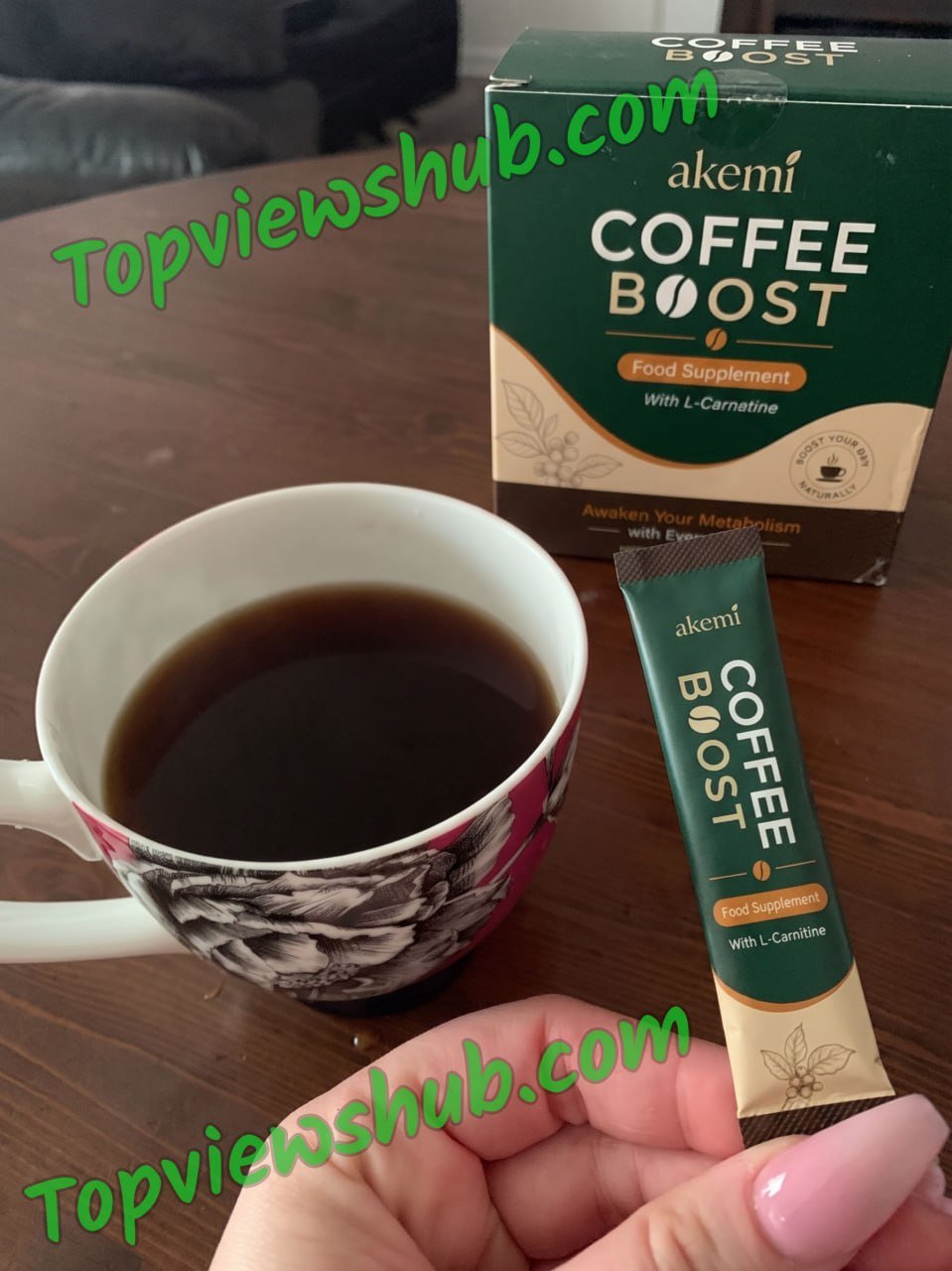
The six advertised benefits of Akemi Coffee Boost relate to appetite control, carbohydrate metabolism, energy, digestive health, metabolic support, and convenience. I believe these potential advantages are worth exploring individually because each depends on a different ingredient pathway, and not every benefit is supported by the same level of scientific research.
Rather than assuming all customers will experience identical results, I prefer to explain how the formula might contribute to specific improvements and what those changes could realistically look like in everyday life. The experiences described below are potential outcomes, not verified testimonials from users of the finished product.
⭐ 1. May Help Support More Balanced Blood Sugar Responses
One of the most interesting potential advantages is the inclusion of ingredients studied for their influence on carbohydrate digestion and glucose metabolism. Mulberry leaf extract, white kidney bean extract, and soluble fibers offer different approaches to how the digestive system processes carbohydrate-containing foods. For people interested in maintaining healthy metabolic function, these ingredients provide a more targeted rationale than simply adding another source of caffeine.
In everyday terms, better post-meal glucose regulation could contribute to a more comfortable eating routine for certain individuals, particularly when combined with balanced meals containing protein, fiber, and healthy fats. Someone who usually experiences pronounced hunger shortly after refined-carbohydrate meals might be interested in this type of nutritional support, although improved symptoms cannot be guaranteed. The formula has not been clinically proven to normalize blood sugar or treat diabetes, and people with glucose disorders should continue following professional medical advice.
⭐ 2. May Make Appetite Management More Comfortable
Appetite management is often one of the most difficult aspects of maintaining a healthy weight. Even when someone understands portion control, frequent hunger and habitual snacking can make consistency challenging. The soluble fibers in Akemi Coffee Boost may contribute to feelings of fullness when present in suitable quantities, while its botanical extracts provide additional ingredients associated with carbohydrate metabolism.
The practical benefit would be greater comfort between meals rather than an inability to feel hungry. A person who feels satisfied for longer may find it easier to follow regular meal times, avoid unnecessary grazing, and make deliberate food choices. I consider that a realistic and useful potential outcome, but there are no reliable product-specific clinical data showing how much Akemi Coffee Boost reduces appetite. It should support nutritious eating rather than encourage skipping meals or ignoring normal hunger signals.
⭐ 3. May Provide Modest Metabolic Support
Metabolism is a broad term covering the chemical processes through which the body uses food for energy, maintains tissues, and performs essential functions. Green tea extract and green coffee bean extract have been researched for their potential effects on metabolic measurements, while L-carnitine participates in normal fatty-acid transport and energy production. These ingredients make metabolic support a reasonable area of interest for the formula.
However, the difference between supporting normal metabolism and producing major increases in daily calorie expenditure is substantial. Research on green tea preparations generally suggests modest effects, and those findings do not establish that Akemi Coffee Boost creates continuous fat burning throughout the day or night. I would regard any metabolic contribution as secondary to important factors such as overall calorie intake, regular movement, adequate sleep, and long-term consistency.
⭐ 4. May Contribute to More Consistent Daily Energy
Many people searching for weight-management supplements are also concerned about feeling sluggish, particularly in the morning or during the afternoon. Green coffee bean extract contains naturally occurring caffeine, and the reported approximately 30 mg per sachet may produce a mild alertness effect in some individuals. The formula also includes L-carnitine, which participates in normal cellular energy metabolism.
For someone accustomed to drinking coffee, the practical experience will depend on the caffeine already present in their beverage, overall tolerance, sleep quality, and nutrition. Some users may notice greater alertness after taking a caffeine-containing supplement, but others may not perceive any additional difference. Claims of sustained energy without any possibility of jitters or an energy crash are too absolute, especially because individual caffeine sensitivity varies. I view energy support as a possible benefit rather than a guaranteed transformation.
⭐ 5. May Help Support Digestive Regularity and Gut Comfort
Digestive health is an important but sometimes overlooked part of weight-management routines. Changes in eating patterns, inadequate hydration, and insufficient dietary fiber can contribute to irregular bowel movements and digestive discomfort. By including resistant dextrin and psyllium husk, Akemi Coffee Boost introduces two fiber sources associated with normal digestive function.
People who consume adequate amounts of soluble fiber may experience easier bowel movements, improved stool consistency, or greater digestive regularity over time. Those improvements can make a daily wellness routine feel more comfortable, although outcomes depend on the dose delivered and the rest of the diet. Some individuals may initially notice bloating or gas instead, particularly if they are sensitive to fermentable fibers. I consider this benefit a useful addition to the formula, provided the supplement is mixed thoroughly and consumed with enough fluid.
⭐ 6. May Encourage Better Long-Term Supplement Consistency
The final benefit is not purely biochemical, but I think it deserves serious attention. A nutritional product is unlikely to provide meaningful support if its routine is so inconvenient that users frequently forget or abandon it. Akemi Coffee Boost addresses this practical issue by using premeasured sachets that can be incorporated into beverages people already prepare.
Someone with a busy work schedule could add the sachet to morning coffee, while another person might prefer tea, water, or a smoothie. This flexibility eliminates additional measuring and allows the supplement to fit different lifestyles. Although convenience alone does not produce weight loss, it may make responsible daily use easier for people who choose to take it. Consistency matters, but consistent supplementation should complement rather than replace healthy eating, physical activity, and appropriate medical care.
Akemi Coffee Boost vs. Other Popular Weight-Management Supplements
Choosing a supplement becomes more complicated when dozens of competing products promise faster metabolism, reduced cravings, and effortless results. I think the most useful comparison is not based on advertising slogans but on ingredients, practicality, intended benefits, safety considerations, and the amount of supporting evidence.
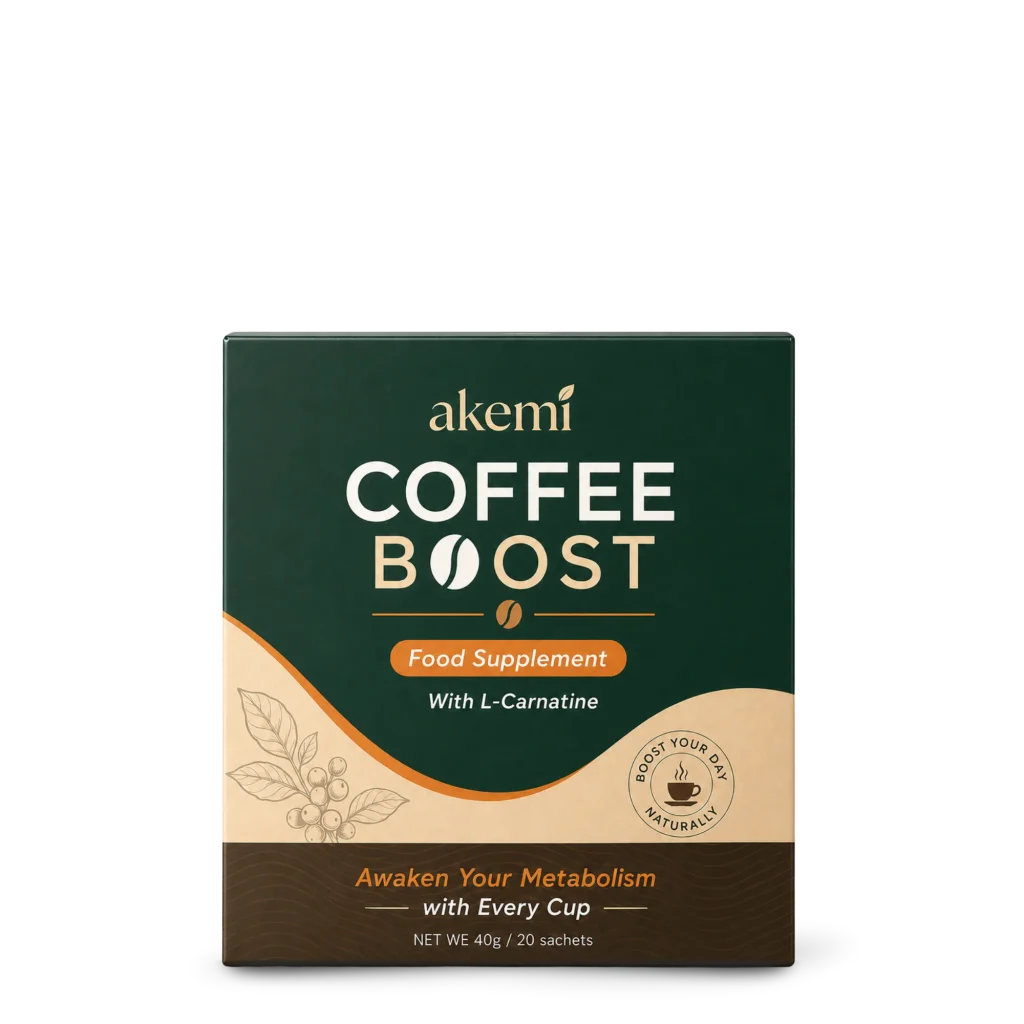
Akemi Coffee Boost distinguishes itself through its beverage-compatible sachets and combination of plant extracts and soluble fibers. The comparison below examines how this approach differs from common single-purpose weight-management supplements without suggesting that every competing product has the same characteristics.


| Comparison Criteria | Akemi Coffee Boost | Typical Single-Purpose Weight-Management Supplement |
|---|---|---|
| Overall approach | Combines botanical extracts, L-carnitine, and soluble fibers to address several aspects of nutritional and metabolic support within one formula. | Often emphasizes one primary function, such as thermogenesis, appetite control, carbohydrate management, or fiber supplementation. |
| Delivery method | Uses individual powder sachets intended to dissolve in an existing hot or cold beverage, making the routine relatively simple. | Commonly supplied as capsules, tablets, loose powder, or gummies, depending on the formulation. |
| Carbohydrate metabolism | Includes white kidney bean and mulberry leaf extracts, both associated with research into carbohydrate digestion and glucose responses. | Products focused exclusively on caffeine or thermogenesis may not include ingredients specifically associated with carbohydrate-digesting enzymes. |
| Appetite-related support | Contains soluble fibers that may contribute to fullness, alongside botanical ingredients with complementary metabolic roles. | Appetite-focused competitors may use fiber, stimulants, or other ingredients, but their mechanisms and effectiveness vary considerably. |
| Metabolic ingredients | Combines green tea extract, green coffee bean extract, and L-carnitine to provide several ingredients associated with energy metabolism research. | Some products depend mainly on caffeine or a single botanical extract; others offer broader combinations with different evidence profiles. |
| Digestive support | Resistant dextrin and psyllium husk introduce fiber-related digestive functions alongside the formula’s metabolic ingredients. | Supplements focused exclusively on fat oxidation or stimulant effects may provide little or no dietary fiber. |
| Caffeine considerations | Product information indicates that green coffee bean extract contributes some naturally occurring caffeine, making label verification important. | Caffeine content varies widely, from caffeine-free fiber formulas to strongly stimulating thermogenic products. |
| Daily convenience | One premeasured sachet can be added to coffee, tea, water, or another compatible drink without requiring additional measuring. | Some products are equally convenient, while others require multiple daily servings or preparation steps. |
| Scientific evidence | Several individual ingredients have been investigated in clinical trials, but the complete finished formula lacks independently verified clinical outcome data. | Evidence depends on the specific competitor; some individual supplements have stronger product-specific clinical research than complex proprietary blends. |
| Potential limitations | Results may depend on ingredient quantities, individual physiology, dietary habits, and tolerance of caffeine and soluble fiber. | Limitations vary, including weak ingredient evidence, stimulant sensitivity, unnecessary additives, or inconvenient serving schedules. |
| Best suited for | Adults who prefer beverage-based supplementation and are interested in a formula combining carbohydrate-related botanicals with soluble fiber. | People seeking a particular function, such as a dedicated fiber product, caffeine-free preparation, or a supplement with clearly established clinical dosing. |
Where Akemi Coffee Boost Has an Advantage
The strongest practical advantage I see is the combination of multiple nutritional functions with a simple administration method. Consumers do not have to choose between taking a traditional capsule and preparing a separate supplement drink. Instead, the powder can be added to a beverage already included in their routine.
The selection of botanical ingredients is another notable feature. White kidney bean and mulberry leaf extracts have mechanisms associated with carbohydrate digestion, while green coffee and green tea extracts are more closely associated with metabolic research. Adding soluble fibers creates a broader formula than a product centered exclusively on stimulants.
This combination is particularly appealing to someone who wants general weight-management support but does not want a supplement whose entire appeal depends on feeling energized after a large dose of caffeine.
Where Other Supplements Could Be Better
Despite those advantages, I would not automatically rank Akemi Coffee Boost above every competitor. A dedicated psyllium supplement, for example, may offer a clearly established fiber dose that is easier to compare with clinical research. Similarly, a single-ingredient product may allow users to evaluate tolerance and effectiveness more precisely.
Some competing formulas also provide detailed clinical trials involving the exact product sold to consumers. That evidence would be a meaningful advantage over a multi-ingredient formula supported mainly by studies of its separate ingredients.
My conclusion is that Akemi Coffee Boost stands out primarily for convenience and ingredient diversity, not proven superiority in weight-loss outcomes. The right choice depends on personal goals, label details, medical circumstances, and whether the consumer values a broad formula or a more targeted supplement.
How to Use Akemi Coffee Boost Correctly
One of the most appealing characteristics of Akemi Coffee Boost is that its instructions are straightforward. The advertised routine involves opening one sachet per day, mixing the contents into a favorite beverage, and consuming the drink as part of a normal daily schedule.
The manufacturer states that the powder can be added to coffee, tea, water, or smoothies, whether hot or cold. This provides flexibility for people who dislike taking pills and prefer incorporating supplements into a familiar morning habit.
For practical use, I would follow these steps:
- Use one sachet daily. Follow the current packaging instructions and avoid taking extra servings in an attempt to accelerate weight loss.
- Choose a suitable beverage. Coffee, tea, water, or a smoothie can work, provided the drink allows the powder to mix adequately.
- Stir thoroughly. Mix the sachet contents until dispersed, following any specific directions on the product label.
- Consume enough liquid. Because the formula contains psyllium, adequate fluid intake is particularly important. Follow the label’s liquid-volume requirements.
- Maintain a consistent routine. Use the supplement alongside balanced meals, hydration, and regular movement rather than treating it as a substitute for those habits.
I would also pay attention to total caffeine consumption, especially if adding the powder to strong coffee or using other caffeine-containing products. The supplement itself may contribute caffeine, so combining it with multiple energy drinks or stimulant supplements could increase the likelihood of unwanted symptoms.

How Effective Is Akemi Coffee Boost?
Evaluating the effectiveness of Akemi Coffee Boost requires separating the biological plausibility of its ingredients from evidence that the finished product produces meaningful outcomes. Several components have credible research behind them. Green coffee bean extract and white kidney bean extract have been investigated for modest changes in body-weight measurements, while psyllium and mulberry leaf extract have clinical evidence related to aspects of glucose metabolism. This gives the formula a more substantial scientific rationale than products based entirely on fashionable terminology or unsupported botanical claims. However, the magnitude of these benefits in studies is generally modest, research methods vary, and the specific preparations used may differ from those included in this supplement. I did not find independently verified randomized trials demonstrating the effectiveness of the complete Akemi Coffee Boost formula. Without those trials, it is impossible to confidently quantify its effects on body weight, appetite, energy, or long-term metabolic outcomes.

From a practical standpoint, I believe the product is most reasonably evaluated as a possible addition to an established weight-management routine rather than an independent solution. Someone consuming balanced meals, maintaining a manageable calorie intake, and staying physically active may be interested in the formula’s fiber and botanical ingredients, particularly if they prefer convenient beverage-based supplements. The potential appeal is understandable, but promises of immediate fat burning, dramatic appetite elimination, or predictable changes in body measurements within a few weeks go beyond what the available evidence can establish. My assessment is that Akemi Coffee Boost has ingredients with potential supportive value, but the finished product’s real-world effectiveness remains unproven. That distinction allows consumers to recognize the strengths of the formula without placing unrealistic expectations on a dietary supplement.

Pros and Cons of Akemi Coffee Boost
Before deciding whether Akemi Coffee Boost deserves a place in a daily wellness routine, I find it useful to compare its practical strengths with its limitations. The product offers several appealing features, particularly in its ingredient selection and convenience, but there are also important considerations involving scientific evidence, individual tolerance, and marketing expectations.
| Pros | Cons |
|---|---|
| 1. Convenient daily serving format. Individual sachets remove the need for measuring powder and make the supplement easy to incorporate into an existing beverage routine. This may improve consistency for busy adults who dislike capsules. | 1. No established clinical proof for the complete formula. Although several ingredients have been studied individually, I could not verify independent clinical trials demonstrating that the finished supplement produces its advertised outcomes. |
| 2. Multiple complementary ingredients. The formula combines botanical extracts, dietary fibers, and L-carnitine, offering broader nutritional functions than supplements built around a single stimulant. | 2. Results are not predictable. Differences in body composition, appetite, dietary intake, and metabolism mean that individuals may experience little or no noticeable benefit, even with consistent daily use. |
| 3. Includes ingredients associated with carbohydrate metabolism. White kidney bean and mulberry leaf extracts have been investigated for their influence on digestive enzymes and glucose responses, providing plausible mechanisms for their inclusion. | 3. Caffeine and fiber may not suit everyone. Sensitive individuals could experience restlessness, digestive discomfort, or interactions with medication, making personal tolerance and label verification important. |
| 4. Offers fiber-related digestive support. Resistant dextrin and psyllium husk contribute ingredients associated with digestive regularity and potentially greater fullness when consumed in sufficient amounts. | 4. Marketing claims may create unrealistic expectations. Statements suggesting effortless fat loss, complete appetite suppression, or guaranteed results without lifestyle changes are stronger than the scientific evidence currently supports. |
| 5. Flexible beverage compatibility. The powder is marketed for use in hot or cold drinks, allowing consumers to choose coffee, tea, water, or smoothies according to personal preference. | |
| 6. Advertised 30-day refund protection. A published money-back policy may provide purchasing reassurance when ordering through the eligible official sales channel and following its return conditions. |
Overall, I think the strengths are most relevant to people who value convenience and a multi-ingredient approach. The limitations are equally important because a well-designed supplement routine is not the same as clinically demonstrated weight-loss effectiveness.
Reported Side Effects and Possible Reactions
Although Akemi Coffee Boost is marketed as a natural supplement, I would not interpret that description as a guarantee of zero side effects. Reliable product-specific adverse-event data were not available in the materials I reviewed, so the most responsible approach is to consider reactions associated with its individual ingredients.
The soluble fibers may cause temporary bloating, gas, abdominal discomfort, or changes in bowel movements, especially when someone introduces them into a previously low-fiber diet. Psyllium also needs adequate liquid because insufficient fluid can create swallowing or intestinal complications in susceptible individuals.
Caffeine from green coffee bean extract may produce nervousness, restlessness, a faster heartbeat, or sleep disturbances in sensitive users. Green tea extract can occasionally cause nausea or abdominal discomfort, and concentrated green tea extracts have been linked to rare cases of liver injury.
Mulberry leaf and white kidney bean extracts may influence carbohydrate metabolism, so people taking glucose-lowering medication should be attentive to possible interactions. Allergic reactions are another consideration, particularly for individuals with known sensitivities to specific botanical or fiber ingredients.
Persistent abdominal pain, difficulty swallowing, allergic symptoms, severe dizziness, or signs of liver problems require prompt medical attention. I would discontinue use and seek professional advice rather than assuming such symptoms are a normal part of supplementation.
Is Akemi Coffee Boost Safe?
The formula behind Akemi Coffee Boost uses primarily plant-derived extracts, dietary fibers, and L-carnitine. These ingredients have established uses in nutritional products, but natural ingredients do not automatically guarantee safety for every individual.
Marketing descriptions reference quality-related characteristics such as non-GMO ingredients and third-party testing. However, I could not independently verify documentation establishing that the product is manufactured in the USA, that its facility holds a specific GMP certification, or that an independent laboratory has tested the current finished batches.

It is also important to understand that the FDA does not approve dietary supplements or certify manufacturing facilities as “FDA-approved” in the way that phrase is often used in advertising. Facilities are instead subject to applicable regulations, including current good manufacturing practices.
For a generally healthy adult, the product may be tolerable when used according to verified label directions, but safety depends on ingredient amounts, medical history, and possible interactions. Anyone pregnant, breastfeeding, taking medication, or managing a health condition should consult a qualified healthcare professional before use.
Can You Take Akemi Coffee Boost With Other Medications?
Combining Akemi Coffee Boost with medication deserves careful consideration because several ingredients may affect digestion, glucose responses, or the absorption of oral drugs.
One important concern involves medications used to manage diabetes. Mulberry leaf extract and other carbohydrate-related ingredients could potentially influence glucose measurements, creating uncertainty when combined with drugs that lower blood sugar. A healthcare professional may recommend monitoring or avoiding the combination.
Psyllium can also affect how certain oral medications are absorbed. Depending on the medication, separating supplement and drug administration by a specified interval may be necessary. MedlinePlus identifies particular precautions involving medicines such as digoxin, aspirin, and nitrofurantoin.
People taking blood-pressure medication, stimulants, or products containing caffeine should also discuss the formula with their clinician, especially if they are sensitive to cardiovascular effects.
My recommendation is to show a pharmacist or doctor the complete Supplement Facts label before combining this product with prescription medication. Never stop, replace, or adjust prescribed treatment based on supplement marketing claims.
Who Should Consider Akemi Coffee Boost, and Who Should Avoid It?
The suitability of Akemi Coffee Boost depends on more than whether someone wants to lose weight. Age, medical history, medication use, dietary habits, and individual tolerance all influence whether a product containing botanical extracts and soluble fibers makes sense.
| Who May Consider Akemi Coffee Boost | Who Should Avoid It or Seek Medical Advice First |
|---|---|
| Generally healthy adults seeking nutritional support. Individuals already following a balanced diet and regular activity routine may consider the supplement as an optional addition, provided the ingredients and serving amounts are appropriate. | Pregnant or breastfeeding individuals. Safety information for the complete formula is insufficient for these groups, so avoiding use unless specifically approved by a healthcare professional is the prudent approach. |
| People who prefer powders over capsules. Anyone who struggles with swallowing pills or remembering multiple supplement doses may appreciate the beverage-based format and premeasured sachets. | People with diabetes or taking glucose-lowering medication. The formula contains ingredients associated with carbohydrate metabolism, making professional guidance important to avoid unexpected changes in blood sugar control. |
| Adults interested in carbohydrate-related botanical ingredients. Consumers who understand that research findings are modest and ingredient-specific may find the formula worth discussing with their healthcare provider. | Individuals with significant caffeine sensitivity. People who experience palpitations, anxiety, or sleep disturbances from small amounts of caffeine should verify the label and may prefer a caffeine-free alternative. |
| People seeking additional digestive fiber. Those who tolerate soluble fiber well may be interested in the combination of resistant dextrin and psyllium, provided the serving contains an appropriate quantity and sufficient liquid is consumed. | People with swallowing difficulties or intestinal obstruction risks. Psyllium-containing products may be unsuitable because the fiber swells when exposed to liquid and requires specific administration precautions. |
| Busy adults wanting a simplified routine. The format may appeal to those who already prepare a morning beverage and prefer minimizing separate preparation steps. | People with liver disease or previous reactions to concentrated green tea extracts. Given the documented safety concerns surrounding some green tea extract preparations, these individuals should not experiment without medical supervision. |
| Individuals with realistic weight-management expectations. Those who understand that supplements cannot replace a sustainable nutrition and activity plan are better positioned to evaluate whether the product offers worthwhile personal benefits. | Children, adolescents, and anyone expecting rapid medical treatment. The supplement is not an established pediatric product, obesity treatment, or substitute for prescribed therapy and medical evaluation. |
The most important consideration is suitability rather than enthusiasm. A supplement can have interesting ingredients and still be inappropriate for someone with particular health risks or medication interactions.
What I Didn’t Like About Akemi Coffee Boost and Why
Although Akemi Coffee Boost has several appealing characteristics, there are aspects of its presentation that I believe deserve improvement. These criticisms are not necessarily reasons to dismiss the product, but they are important for making a well-informed purchasing decision.
- The weight-loss promises can sound stronger than the evidence. Promotional statements involving continuous fat burning, dramatic craving elimination, and noticeable changes within a few days are highly attractive. However, ingredient-level research generally supports more modest and variable outcomes, so the advertising would benefit from more careful qualification.
- Product-specific clinical results are difficult to verify. The individual ingredients have scientific research behind them, but I could not confirm a published randomized trial testing the full combination. Without that information, buyers cannot confidently predict the magnitude of the formula’s effects.
- Caffeine information is not entirely consistent across marketing pages. Some product descriptions characterize the supplement as stimulant-free, while another lists approximately 30 mg of naturally occurring caffeine per sachet. Clear, consistent disclosure would help caffeine-sensitive consumers make safer decisions.
- Quality certifications deserve clearer documentation. Claims involving manufacturing standards, testing, and ingredient quality are most reassuring when accompanied by independently verifiable certifications or laboratory reports. I would like to see that information made consistently available to buyers.
- The formula may not suit every digestive system. Including resistant dextrin and psyllium can offer potential benefits, but soluble fibers sometimes produce gas or bloating. People with digestive sensitivities should not assume that a plant-based supplement will be completely comfortable.
- The refund terms should be checked before ordering. A 30-day guarantee is appealing, but the applicable sales channel, refund deadline, return requirements, and any shipping-related conditions should be clearly understood before payment.
My main criticism is not the ingredient concept itself. It is the distance between the marketing’s certainty and what can currently be established through independent evidence. Greater transparency would make the formula easier to evaluate with confidence.
Is Akemi Coffee Boost a Scam or a Legitimate Product?
After examining the formula, marketing information, and publicly available product descriptions, I would not automatically classify Akemi Coffee Boost as a scam simply because it is promoted as a weight-management supplement. It is presented as a purchasable powdered product with an identified ingredient list, usage instructions, and an advertised refund policy. Its ingredients also have legitimate scientific relevance in areas such as carbohydrate metabolism and digestive function. However, a product being available for purchase and containing researched ingredients does not prove that all its promotional claims are accurate. I could not verify independent clinical trials demonstrating the finished formula’s advertised weight-loss outcomes, so I would describe it as a commercially marketed dietary supplement with plausible ingredients rather than a clinically proven weight-loss solution.
There is also an important distinction between legitimate distribution concerns and confirmed counterfeit activity. Amazon, eBay, and other third-party marketplaces can carry products supplied by independent sellers, and listings may not always provide the same assurance of authenticity or refund eligibility as an authorized sales channel. However, I did not find reliable evidence establishing that specific Akemi Coffee Boost listings on those platforms are counterfeit or contain dangerous substituted ingredients. Buyers should therefore avoid suspicious listings without assuming every marketplace seller is fraudulent. Purchasing through the verified official website may provide a clearer path to the seller’s advertised guarantee, but I recommend confirming the seller’s identity, current return conditions, and payment security before completing an order.
Five Practical Tips to Improve Your Results
Using Akemi Coffee Boost responsibly is only one part of a broader weight-management strategy. In my view, the most worthwhile approach is to build a consistent routine that makes healthy choices easier while allowing any supplement-related effects to be evaluated realistically.
1. Build Your Meals Around Protein and Fiber
Balanced meals can make appetite management significantly more manageable. Protein-rich foods such as eggs, fish, poultry, beans, and yogurt contribute to satiety, while vegetables, whole grains, and other fiber-containing foods support digestive health.
Pairing these foods with appropriate portions of carbohydrates and healthy fats can help create meals that feel satisfying without depending on restrictive eating patterns. This is particularly important because no supplement can compensate reliably for a consistently unbalanced diet.
I would view the powder as an optional complement to good nutrition rather than the foundation of the entire weight-management plan.
2. Stay Hydrated Throughout the Day
Hydration is important for general health and particularly relevant when taking a product containing psyllium husk. Soluble fiber absorbs water, which means adequate fluid intake helps support its intended digestive functions.
I recommend following the product label’s mixing instructions and maintaining regular water consumption during the day. People who exercise, spend time in hot climates, or consume substantial caffeine may need to pay additional attention to fluid intake.
Proper hydration can also support comfort during dietary changes, making it easier to maintain a sustainable routine.
3. Include Regular Movement and Strength Training
Physical activity supports cardiovascular health, energy expenditure, muscle function, and metabolic well-being. A combination of regular walking, resistance exercises, and other enjoyable forms of movement is generally more sustainable than forcing an intense routine that becomes difficult to maintain.
Strength training is particularly valuable during weight management because preserving muscle mass helps maintain functional strength and supports body composition. Walking after meals can also be a practical way to incorporate movement into a busy schedule.
Rather than expecting thermogenic ingredients to perform the work of physical activity, I would use exercise as the primary long-term strategy and consider supplements secondary.
4. Protect Your Sleep and Manage Caffeine Intake
Sleep affects appetite regulation, recovery, concentration, and the ability to maintain healthy routines. Inadequate sleep can make food choices more difficult and reduce motivation for physical activity.
Because the supplement may contain naturally occurring caffeine, I would be mindful of the time of day it is consumed, especially when mixed into coffee. People with caffeine sensitivity may prefer taking it earlier rather than close to bedtime, subject to the product’s instructions.
A consistent sleep schedule, reduced late-evening caffeine, and a comfortable sleeping environment may provide benefits far beyond those expected from a supplement alone.
5. Track Meaningful Progress Beyond the Scale
Body weight naturally fluctuates with hydration, digestion, hormonal changes, and numerous other factors. Judging a supplement entirely by one morning’s scale measurement can create unnecessary frustration.
I prefer evaluating broader indicators such as waist measurements, dietary consistency, physical activity, digestive comfort, and how manageable the overall routine feels. These observations can provide useful context, although they cannot establish that a particular supplement caused an improvement.
A realistic evaluation should take place over a sensible period, with attention to any unwanted reactions. If the supplement is not providing a worthwhile benefit, there is no reason to continue purchasing it simply because the marketing promises future results.
Where Should You Buy Akemi Coffee Boost to Avoid Questionable Products?
When purchasing Akemi Coffee Boost, I believe seller verification is one of the most important steps consumers can take. Dietary supplements are products that people ingest, so there should be greater attention to authenticity, packaging integrity, ingredient information, and return policies than there might be with an ordinary household purchase.
Third-party marketplaces such as Amazon and eBay may include independent sellers, and the quality of seller documentation can vary. Although I could not independently confirm widespread counterfeit Akemi Coffee Boost products on those platforms, unfamiliar sellers and suspiciously presented listings deserve caution.
A counterfeit or improperly stored supplement could theoretically contain incorrect ingredients, compromised packaging, or misleading labeling. These are general marketplace safety concerns rather than evidence that any particular listing is dangerous.
For buyers who want to follow the manufacturer’s advertised purchasing and refund process, I recommend starting with the verified official product website. Confirm that the checkout identifies the intended seller, uses secure payment processing, provides current product information, and clearly displays the applicable return policy.
I would also examine the packaging upon delivery, check that the seal is intact, and avoid using a product that appears damaged, altered, expired, or inconsistent with its official labeling. These simple precautions are worthwhile whenever purchasing an ingestible supplement.
What About the 30-Day Money-Back Guarantee?
The advertised 30-day money-back guarantee is one of the reassuring purchasing features associated with Akemi Coffee Boost. The available product information describes a refund policy intended to allow customers to request their money back if they are dissatisfied.
For someone considering a supplement whose individual results cannot be guaranteed, a clearly defined refund period can reduce some of the financial uncertainty. However, I would not interpret the existence of a guarantee as evidence that the supplement works. It is a customer-service policy rather than a clinical effectiveness measure.
The advertised guarantee should be treated as applicable to qualifying purchases made through the official sales process, not automatically to orders placed with unrelated marketplace sellers. A third-party retailer may operate under entirely different return conditions, even when selling a product with the same name.
I also recommend checking the exact rules before ordering. Some published descriptions refer to contacting customer support within 30 days, while another states that the package must be returned during that period. The point from which the deadline is calculated, whether opened packages qualify, and whether shipping costs are refundable should all be verified through the current policy.
To protect a purchase, buyers should retain their order confirmation, transaction details, packaging, and any correspondence with customer support. If a refund becomes necessary, contacting the seller promptly and following the written instructions is the most reliable approach.
A transparent guarantee can add purchasing confidence, but the written terms—not the advertising headline—determine the actual protection available.
Frequently Asked Questions About Akemi Coffee Boost
The following answers address several questions I would want resolved before deciding whether Akemi Coffee Boost fits my needs.
Q: How long does Akemi Coffee Boost take to work?
A: The timeline depends on which effect someone is trying to evaluate. Caffeine-related alertness, when noticeable, can occur relatively soon after consumption, while changes associated with dietary fiber, appetite patterns, or body composition may require more consistent habits over time. The manufacturer’s promotional material suggests relatively quick results, but I could not verify product-specific clinical evidence supporting a precise timeline.
For weight-management purposes, it is more realistic to evaluate progress through sustained nutrition, activity, and overall lifestyle patterns rather than expecting dramatic changes after a few servings.
Q: Can I drink Akemi Coffee Boost without changing my diet?
A: The powder can be incorporated into a normal beverage routine, but that convenience should not be interpreted as a guarantee of weight loss without dietary changes. Body-weight regulation is influenced by overall energy intake, activity, sleep, medical factors, and other individual circumstances.
The supplement may offer certain nutritional functions, but it cannot reliably cancel out excessive calorie intake or replace a balanced eating pattern. I would consider it most appropriate as a possible addition to healthy habits.
Q: Does Akemi Coffee Boost contain caffeine?
A: One product information source identifies approximately 30 mg of naturally sourced caffeine per sachet from green coffee bean extract. However, another marketing description gives conflicting information about caffeine content, so confirming the current Supplement Facts label is important.
People who are particularly sensitive to caffeine should take that discrepancy seriously. Adding the supplement to regular coffee may increase total caffeine consumption, potentially affecting sleep, anxiety, or cardiovascular symptoms in susceptible individuals.
Q: Can I mix Akemi Coffee Boost with cold drinks?
A: The manufacturer describes the powder as suitable for both hot and cold beverages, including coffee, tea, water, and smoothies. This flexibility is one of the more appealing practical features because consumers do not need to prepare a special drink solely for the supplement.
I would still follow the current mixing directions and ensure the product disperses adequately. Because it contains psyllium, consuming an appropriate liquid volume is important regardless of beverage temperature.
Q: Is Akemi Coffee Boost suitable for people with diabetes?
A: The formula contains mulberry leaf, white kidney bean, and fiber ingredients associated with research into carbohydrate metabolism and glucose responses. However, this does not establish the product as a diabetes treatment or guarantee improved glycemic control.
People with diabetes should discuss the supplement with their healthcare professional before use, especially when taking insulin or other glucose-lowering medications. Combining active ingredients with prescription treatment without appropriate monitoring can create unnecessary risks.
Q: Can Akemi Coffee Boost replace exercise?
A: Physical activity provides broad benefits involving cardiovascular fitness, muscular strength, metabolic health, mood, and functional ability. Those benefits cannot be reproduced simply by consuming botanical extracts or metabolic supplements.
I would treat Akemi Coffee Boost as an optional dietary product rather than an alternative to movement. Even modest, consistent activities such as walking and resistance exercises can make an important contribution to long-term wellness.
Q: Does Akemi Coffee Boost have any side effects?
A: Potential side effects depend on individual sensitivity and the quantities consumed. Ingredients such as psyllium and resistant dextrin may contribute to digestive discomfort, while caffeine can cause restlessness or sleep disturbances. Concentrated green tea extracts also have recognized safety concerns at some doses.
A person experiencing persistent or serious symptoms should stop using the product and obtain medical advice. Those taking medication or managing chronic conditions should review the complete ingredient label with a healthcare professional before starting.
Q: Is Akemi Coffee Boost worth considering?
A: I believe the product has some appealing qualities, particularly its convenient delivery format and its inclusion of ingredients investigated for carbohydrate metabolism and digestive health. It may interest adults who prefer powdered supplements and understand the limits of the available research.
However, I would not purchase it expecting guaranteed rapid weight loss or dramatic metabolic changes. Its value depends on ingredient quantities, personal tolerance, realistic expectations, and whether it offers a noticeable benefit alongside a healthy routine.
My Final Thoughts on Akemi Coffee Boost
After looking closely at Akemi Coffee Boost, I can understand why this type of supplement attracts attention from people who want a simpler approach to everyday weight-management support. The idea of incorporating a supplement into an existing cup of coffee is appealing because convenience often determines whether a wellness habit becomes sustainable. I also appreciate that the formula includes more than a basic stimulant blend. Green coffee bean extract, green tea extract, white kidney bean extract, mulberry leaf extract, L-carnitine, resistant dextrin, and psyllium husk represent several different nutritional approaches. Some of these ingredients have been investigated in human clinical trials, particularly in relation to carbohydrate metabolism, digestive health, and modest changes in weight-related measurements. Taken together, they give the formula a plausible scientific foundation, although that foundation should not be confused with proof that the finished supplement will deliver every advertised result.
The aspect I find most promising is the combination of fiber-related digestive support with botanical ingredients associated with glucose and energy metabolism. People struggling with dietary consistency often focus exclusively on burning more calories, but appetite patterns, meal composition, digestive comfort, and everyday habits also deserve attention. The formula’s broader ingredient selection may therefore appeal to someone looking for nutritional support rather than another product built entirely around strong stimulants. Nevertheless, I would not describe Akemi Coffee Boost as a breakthrough treatment or claim that it can eliminate cravings, block all carbohydrates, or produce substantial weight loss without dietary effort. Those promises are not established by the available product-specific evidence. Its most defensible strengths are ingredient diversity, practical convenience, and the potential for modest supportive benefits, rather than dramatic or guaranteed body transformation.
I also believe that purchasing decisions should involve more than the excitement of seeing an attractive product description. Before ordering, I would examine the complete Supplement Facts label, confirm the caffeine content, review any medical considerations, and understand the current refund conditions. These details are particularly important for people taking medication, managing blood sugar conditions, or experiencing sensitivities to caffeine and dietary fiber. The advertised 30-day money-back guarantee provides an additional consideration, but buyers should confirm eligibility and the precise terms through the authorized sales channel. Maintaining realistic expectations is equally valuable. A supplement should earn its place in a routine through suitability, safety, and worthwhile personal benefits, not simply because advertising creates a sense of urgency. I would favor a careful, informed purchase over relying on claims of instant results, regardless of how appealing the formula initially appears.
My overall assessment is that Akemi Coffee Boost deserves consideration as a convenient, multi-ingredient dietary supplement for generally healthy adults interested in supporting an existing wellness routine, provided they understand its limitations. I find the ingredient combination more interesting than a formula that relies entirely on stimulant effects, but I would still place balanced nutrition, consistent physical activity, adequate sleep, and appropriate healthcare at the center of any weight-management plan. Those foundations remain essential whether someone uses a supplement or not. If the formula matches your preferences and your healthcare circumstances allow its use, the next sensible step is to examine the current product details, confirm the return policy, and make an informed decision based on your own needs. You can visit the official website to review the current information about Akemi Coffee Boost, verify the ingredients and purchasing terms, and decide whether it is the right addition to your daily routine.
Disclaimer
This article is for informational and educational purposes only and does not constitute medical advice. Akemi Coffee Boost is a dietary supplement, not an FDA-approved treatment for obesity, diabetes, or any medical condition. Individual results may vary. Consult a qualified healthcare professional before use, especially if you take medication, are pregnant or breastfeeding, or have a medical condition. Some links in this article are affiliate links, meaning I may earn a commission from qualifying purchases at no additional cost to you.
References
- Asbaghi, O., et al. (2020). The Effect of Green Coffee Extract Supplementation on Anthropometric Measures in Adults: A Comprehensive Systematic Review and Dose-Response Meta-Analysis of Randomized Clinical Trials. Published in Complementary Therapies in Medicine. This analysis examined 15 randomized trials involving 897 participants and reported modest improvements in several body-weight measurements, while emphasizing the need for further high-quality research.https://pubmed.ncbi.nlm.nih.gov/32507437/
- Researchers in Clinical Nutrition (2026). White Kidney Bean Extract Reduces Body Weight and Adiposity With Acceptable Safety in Adults With Overweight and Obesity: A Systematic Review and Meta-Analysis. This research analyzed eight randomized trials involving 543 participants, reporting modest improvements in body composition and highlighting the need for additional long-term studies.https://pubmed.ncbi.nlm.nih.gov/42066439/
- Cui, W., et al. (2023). Effect of Mulberry Leaf or Mulberry Leaf Extract on Glycemic Traits: A Systematic Review and Meta-Analysis. Published in Food & Function. The researchers evaluated 12 clinical trials involving 615 participants and investigated how mulberry leaf preparations influenced fasting blood glucose, HbA1c, and insulin measurements.https://pubmed.ncbi.nlm.nih.gov/36644880/
- Researchers in Endocrine and Metabolic Health (2024). The Effect of Psyllium on Fasting Blood Sugar, HbA1c, HOMA-IR, and Insulin Control: A GRADE-Assessed Systematic Review and Meta-Analysis of Randomized Controlled Trials. This study reviewed 19 randomized trials involving 962 participants and examined the evidence connecting psyllium supplementation with glycemic measurements.https://pmc.ncbi.nlm.nih.gov/articles/PMC11155034
- National Institutes of Health, Office of Dietary Supplements. Dietary Supplements for Weight Loss: Health Professional Fact Sheet. This authoritative resource evaluates the available evidence for weight-management supplement ingredients, including green tea extract, and discusses potential adverse effects, safety limitations, and the modest nature of many reported benefits.https://ods.od.nih.gov/factsheets/WeightLoss-HealthProfessional/